

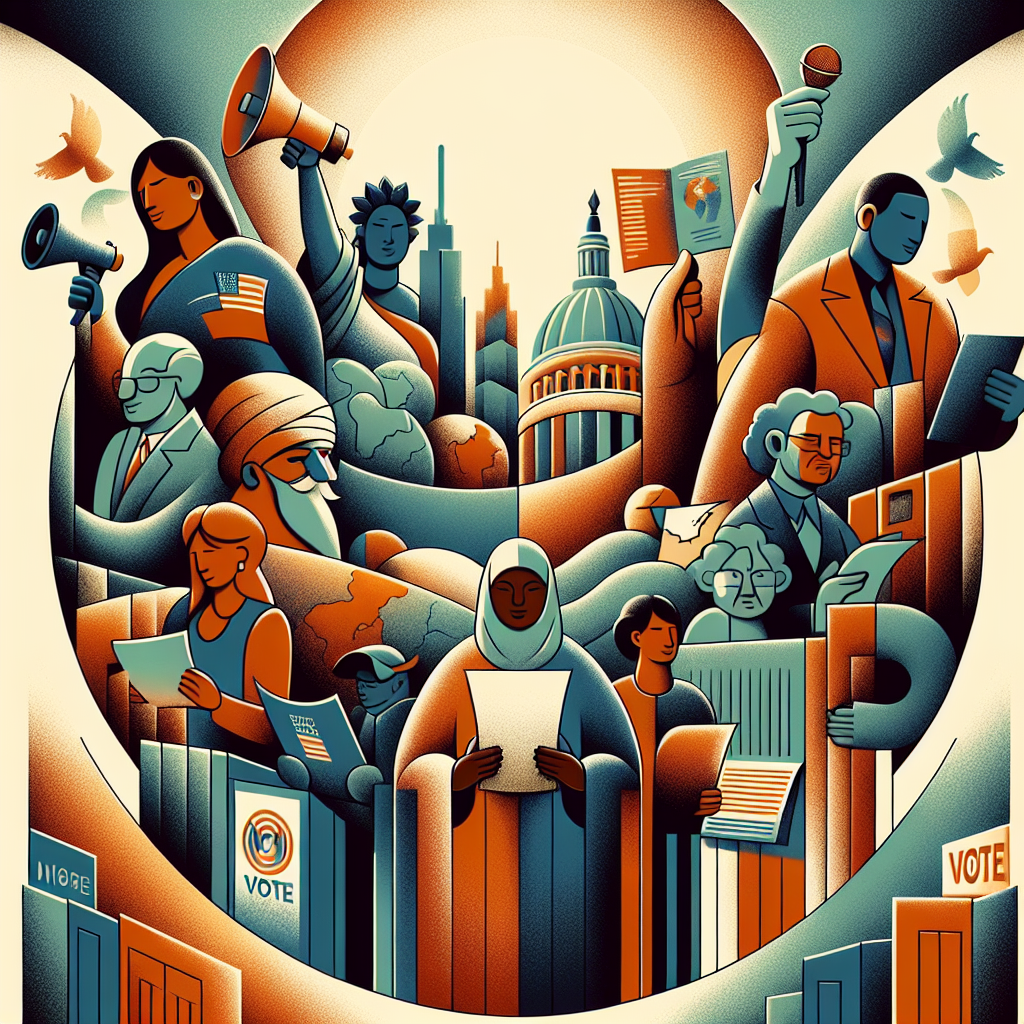
Understanding Political Rights and Citizen Participation
In today’s rapidly evolving world, the concepts of political rights and citizen participation are more relevant than ever. As societies become increasingly interconnected, the importance of active engagement in political processes cannot be overstated. This blog post aims to explore the vital role of political rights and how citizen participation shapes our democracies.
What Are Political Rights?
Political rights are the entitlements that allow individuals to participate in the governance of their country. These rights are foundational to any democratic society, as they empower citizens to influence political decisions and hold leaders accountable. Key political rights include the right to vote, the right to run for public office, and the freedom of speech and assembly. These rights ensure that every individual has a voice in shaping the policies that affect their lives.

The Importance of Voting
Voting is often considered the cornerstone of democracy. It is the primary means through which citizens express their preferences for political leaders and policies. When citizens exercise their right to vote, they actively participate in the democratic process, influencing the direction of their nation. However, voter turnout varies significantly worldwide, with many eligible voters choosing to abstain. Understanding the barriers to voting and addressing them is crucial in ensuring a more representative democracy.

Running for Public Office
Another critical aspect of political rights is the ability to run for public office. This right allows individuals from diverse backgrounds to bring their unique perspectives to the political arena. Encouraging a broad range of candidates can lead to more inclusive and effective governance. Moreover, when citizens see representatives who reflect their own experiences and values, it reinforces the legitimacy of the political system.
Freedom of Speech and Assembly
Freedom of speech and assembly are essential components of political rights that enable citizens to express their opinions and advocate for change. These freedoms allow for open dialogue and debate, which are necessary for the health of any democracy. Public protests, rallies, and discussions are vital tools for raising awareness about social issues and influencing public policy. Safeguarding these freedoms is crucial to maintaining a vibrant and dynamic political landscape.
The Role of Citizen Participation
Citizen participation extends beyond voting and running for office. It encompasses a wide range of activities, from engaging in community service to participating in local government meetings. Active citizen participation leads to more responsive governance and fosters a sense of community and shared responsibility. When citizens are involved in decision-making processes, policies are more likely to reflect the needs and aspirations of the populace.
Barriers to Citizen Participation
Despite the importance of citizen participation, many individuals face barriers that prevent them from fully engaging in political processes. These barriers can be systemic, such as restrictive voting laws or lack of access to education and resources. Additionally, disillusionment with the political system and a perceived lack of impact can discourage participation. Addressing these challenges requires concerted efforts from governments, civil society, and individuals alike.
Encouraging Greater Engagement
To foster greater citizen participation, it is essential to create an inclusive environment that encourages involvement. This can be achieved through educational initiatives that raise awareness about political rights and the importance of active engagement. Additionally, leveraging technology to make information and participation more accessible can help bridge gaps in engagement. Ultimately, a more informed and engaged citizenry is crucial for the health of any democracy.
Conclusion
Political rights and citizen participation are the lifeblood of democracy. They empower individuals to shape their societies and hold leaders accountable. While challenges to full participation exist, overcoming these barriers is essential for creating a more inclusive and responsive political system. By understanding and exercising our political rights, we contribute to a more equitable and just world.
FAQs
Q: What are some examples of political rights?
A: Examples of political rights include the right to vote, the right to run for public office, and the freedoms of speech and assembly.
Q: Why is voting important in a democracy?
A: Voting is crucial because it allows citizens to express their preferences for leaders and policies, ensuring that governments are representative and accountable.
Q: How can citizens participate beyond voting?
A: Citizens can participate by running for office, engaging in community service, attending local government meetings, or participating in public protests and discussions.
Q: What barriers might prevent citizen participation?
A: Barriers can include restrictive voting laws, lack of access to education, disillusionment with the political system, and a perceived lack of impact.
Q: How can technology facilitate citizen participation?
A: Technology can make information more accessible, enable online voting or consultations, and provide platforms for public discussion and debate.


Leave a Reply