
The Evolution of the Two-Party System in America
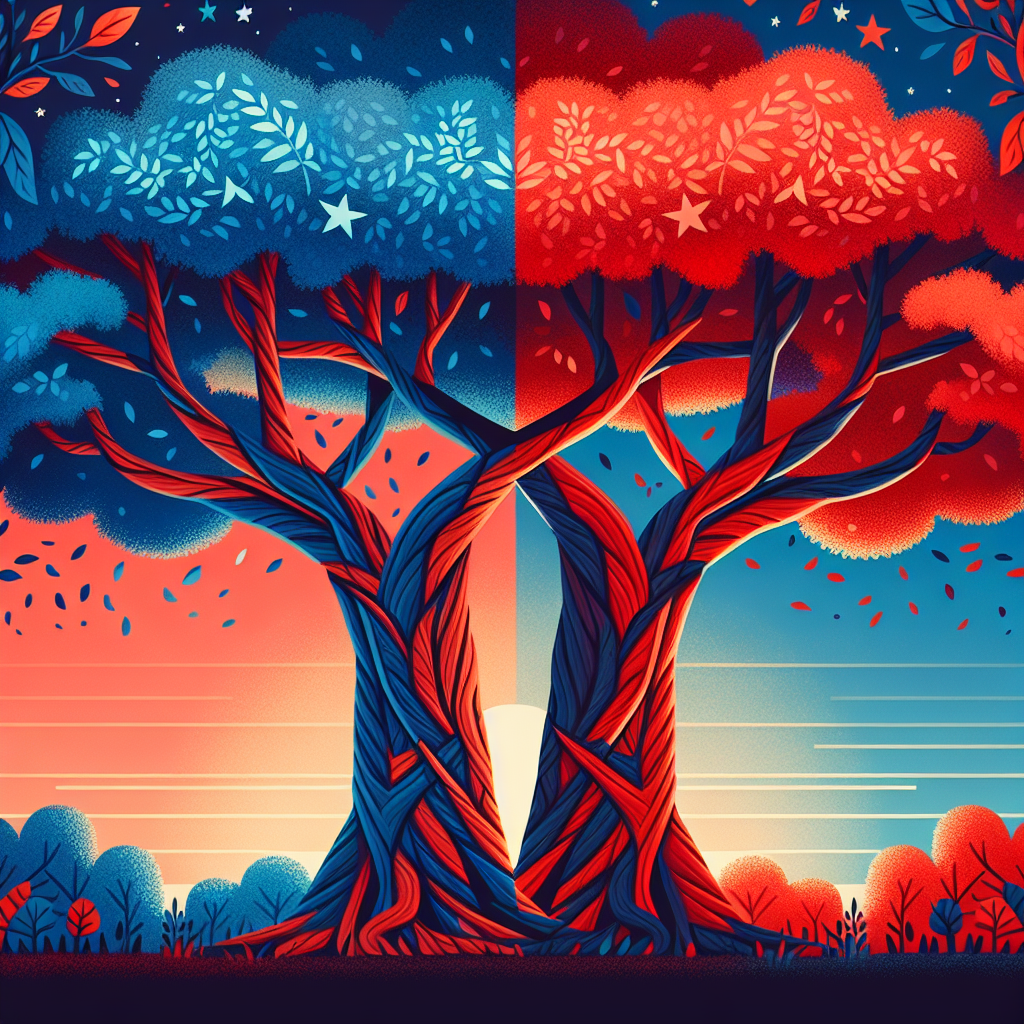
The American political landscape is a dynamic tapestry woven through centuries of evolution, debate, and reform. Central to this narrative is the two-party system that has defined U.S. politics. From its inception to its current state, the two-party system has undergone significant transformations, reflecting the nation’s changing priorities and values.
The Birth of American Political Parties
The roots of America’s two-party system can be traced back to the early years of the republic. In the late 18th century, political factions began to form around differing visions for the new nation. The Federalists, led by Alexander Hamilton, advocated for a strong central government and commercial economy, while the Democratic-Republicans, led by Thomas Jefferson, championed states’ rights and agrarianism.
These factions were not official parties in the modern sense but marked the beginning of organized political opposition. The debates between these groups laid the groundwork for the United States’ first party system, where political identity began to shape governance.
The Rise of the Two-Party System
As the nation expanded, so too did its political complexity. By the 1820s, the Federalist Party had dissolved, leaving the Democratic-Republican Party as the dominant force. However, internal divisions led to the emergence of new parties. The Democratic Party, led by Andrew Jackson, emerged from the Democratic-Republicans, emphasizing populism and westward expansion.
Opposition to Jacksonian policies resulted in the formation of the Whig Party, which attracted those supporting a stronger legislative branch and modernization. This period marked the beginning of the second party system, characterized by increased voter participation and the establishment of party conventions and platforms.
The Civil War and Post-War Political Realignment
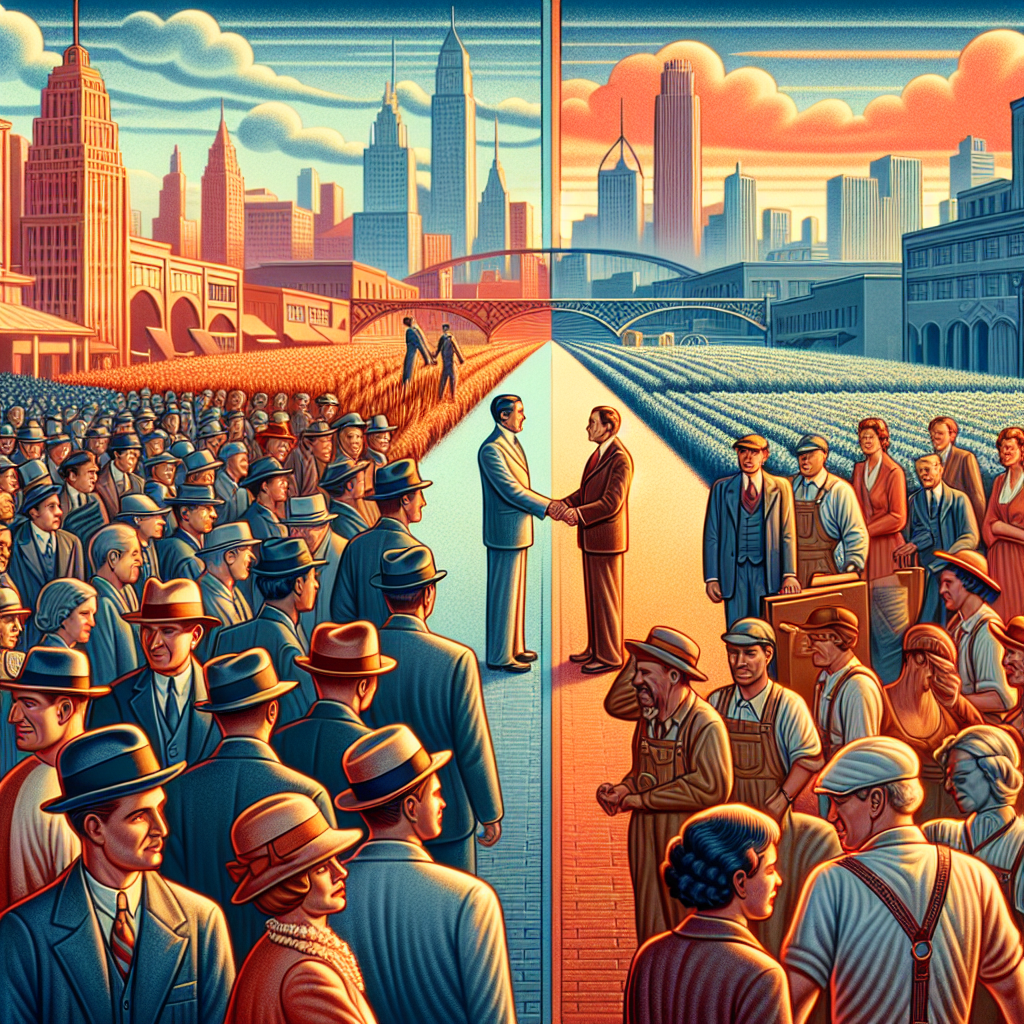
The Civil War era was a pivotal time for America’s political parties. The issue of slavery and states’ rights led to the collapse of the Whig Party and the rise of the Republican Party. Founded in the 1850s, the Republican Party united former Whigs, anti-slavery Democrats, and abolitionists under a platform of opposition to the expansion of slavery.
The Republican victory in the 1860 election, with Abraham Lincoln as president, set the stage for the Civil War. Post-war, the Democratic Party was primarily associated with the Southern states, while Republicans dominated the North. This division marked the third party system, defined by sectionalism and the struggle for civil rights.
The Progressive Era and the New Deal Coalition
The late 19th and early 20th centuries saw the rise of progressive movements challenging the status quo. Both major parties faced internal pressures to address issues such as labor rights, women’s suffrage, and economic reform. The Progressive Era culminated in significant legislative changes that expanded the federal government’s role in economic regulation.
The 1930s ushered in the New Deal Coalition under President Franklin D. Roosevelt. This realignment saw the Democratic Party gaining support from a diverse array of groups, including urban workers, African Americans, and Southern whites. The Republican Party, meanwhile, found its base among business interests and rural voters.
The Modern Two-Party System
Since the mid-20th century, the two-party system has remained relatively stable, though not without significant shifts. The civil rights movement and Vietnam War era caused considerable upheaval, leading to a realignment of party loyalties. The Democratic Party increasingly embraced social liberalism, while the Republican Party adopted a conservative platform emphasizing limited government and free-market policies.
In recent decades, the two parties have become more ideologically distinct, with partisan polarization becoming a defining feature of American politics. Despite challenges from third parties, the Democratic and Republican parties continue to dominate the political landscape, influencing policy and governance at all levels.
Conclusion
The evolution of the two-party system in America is a testament to the nation’s dynamic political culture. Each phase of this evolution reflects broader social, economic, and cultural shifts. As America continues to change, so too will its political institutions adapt, ensuring that the two-party system remains a vital part of the democratic process.
FAQs
Q: Why is the two-party system dominant in the United States?
A: The two-party system is primarily a result of the electoral system, specifically the first-past-the-post voting method, which often discourages third-party participation. Additionally, historical developments and legal frameworks have favored the establishment and maintenance of a two-party system.
Q: Have there been successful third-party movements in U.S. history?
A: Yes, there have been several significant third-party movements, such as the Progressive Party in the early 20th century and the Reform Party in the 1990s. While these parties have influenced policy and election outcomes, they have not sustained long-term success in the face of the two dominant parties.
Q: How might the two-party system evolve in the future?
A: The future of the two-party system will likely depend on demographic changes, technological advancements, and shifts in public opinion. New issues may lead to realignments or the emergence of influential third parties, though the structure of the electoral system will continue to play a crucial role.



Leave a Reply