The Evolution of Language: Slang and Its Place in Modern Communication
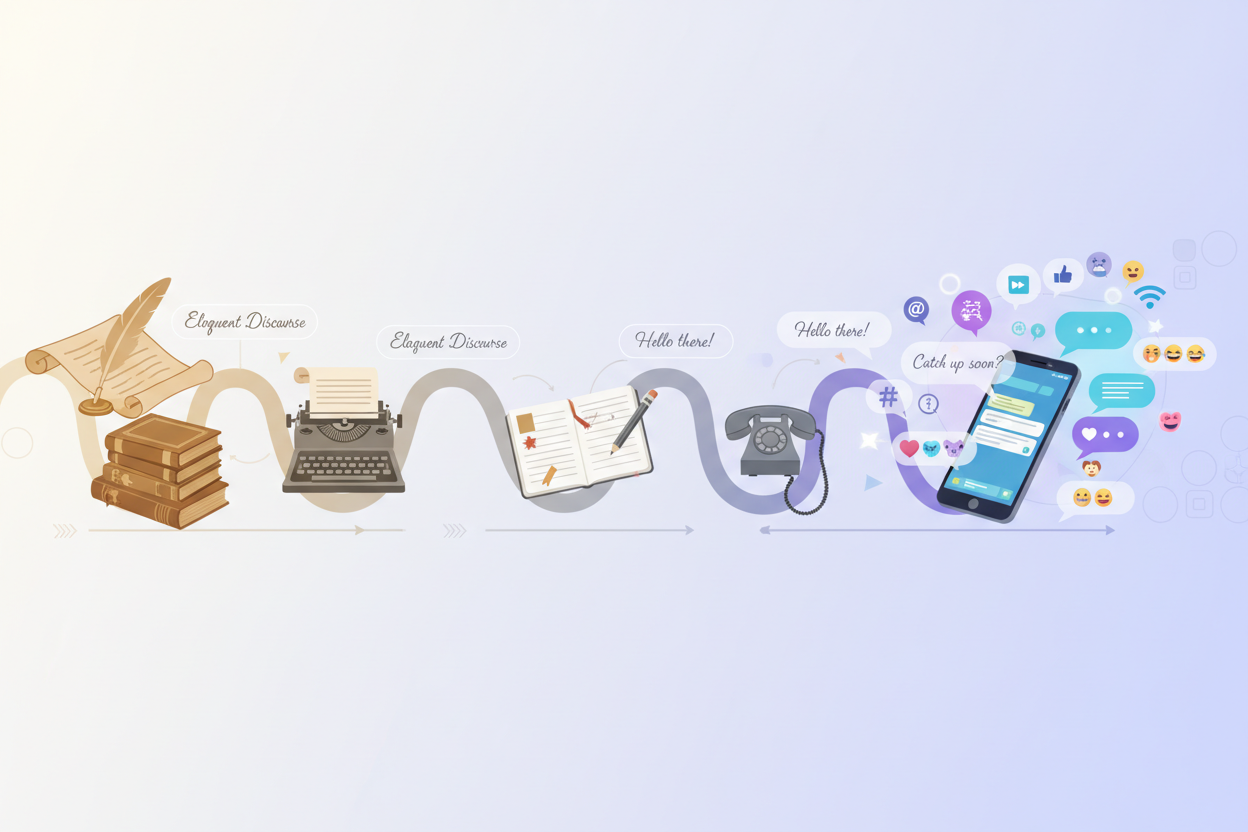
Language is like a living organism, constantly evolving, adapting, and transforming to meet the needs of its speakers. One of the most fascinating aspects of this linguistic evolution is the emergence and integration of slang into our everyday communication. From “groovy” in the 1960s to “slay” in today’s digital age, slang has always been the rebellious younger sibling of formal language, pushing boundaries and reflecting the spirit of each generation.
But what exactly is slang, and why does it play such a crucial role in how we communicate? More importantly, how has the digital revolution changed the way slang develops and spreads across communities? Let’s dive into this captivating journey through the evolution of language and discover why slang isn’t just casual chatter—it’s a powerful force shaping modern communication.
Understanding Slang: More Than Just Casual Talk
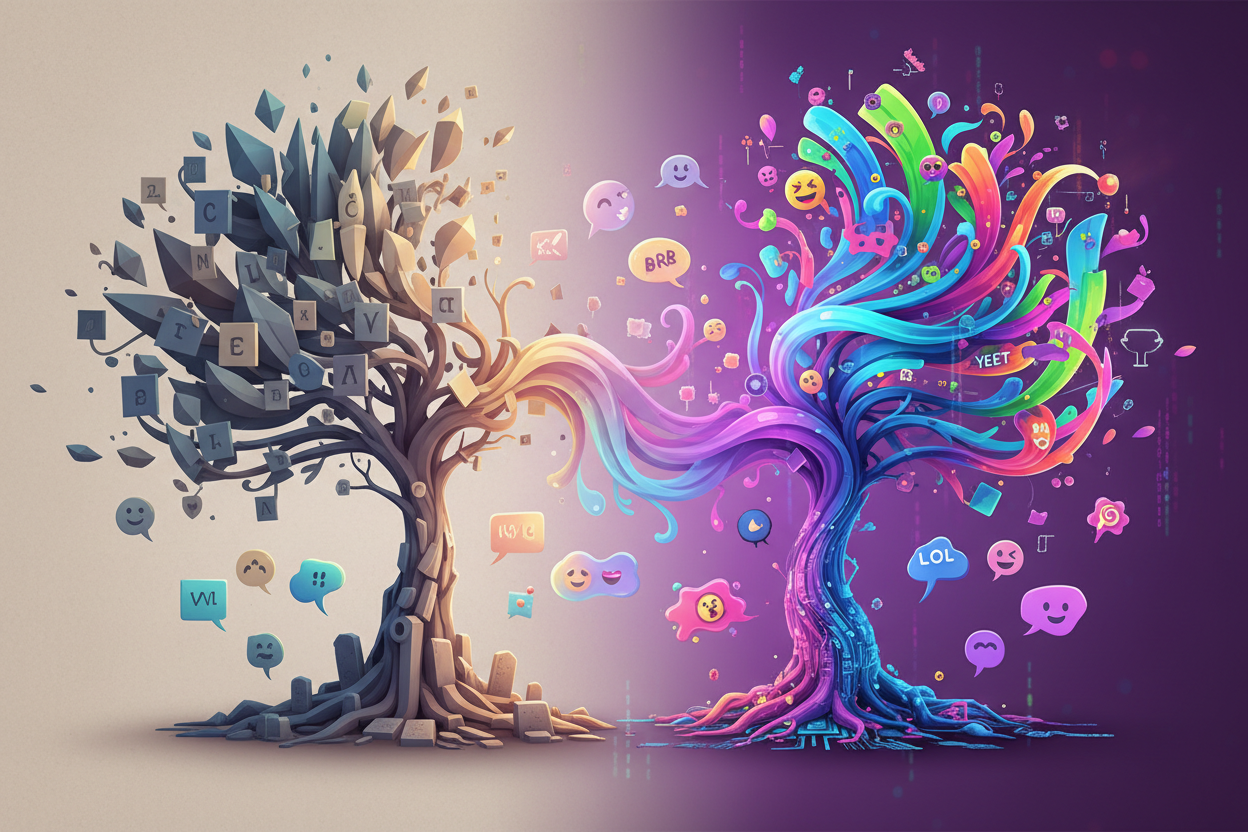
Slang represents informal language that emerges within specific groups or communities, often serving as a marker of identity and belonging. Unlike standard vocabulary found in dictionaries, slang terms develop organically through social interaction and shared experiences. These linguistic innovations often start as inside jokes, cultural references, or creative expressions that resonate with particular communities.
What makes slang particularly interesting is its ephemeral nature. While some terms achieve lasting power and eventually enter mainstream vocabulary—think “cool” or “awesome”—others flame out quickly, becoming linguistic fossils that date their users to specific time periods. Remember when everything was “phat” or “da bomb”? These terms serve as time capsules, preserving the cultural zeitgeist of their era.
The creation of slang often reflects deeper social dynamics. Young people, marginalized communities, and subcultures frequently develop unique vocabularies as a way to establish group identity, express creativity, and sometimes exclude outsiders. This linguistic innovation isn’t just about being trendy—it’s about creating a sense of community and shared understanding.
The Digital Revolution: How Technology Transformed Slang Development
The internet age has fundamentally changed how slang develops, spreads, and evolves. Before social media, slang typically emerged within localized communities and spread slowly through geographic regions or social networks. A term might take years to travel from one coast to another, and many regional slang expressions remained confined to their areas of origin.
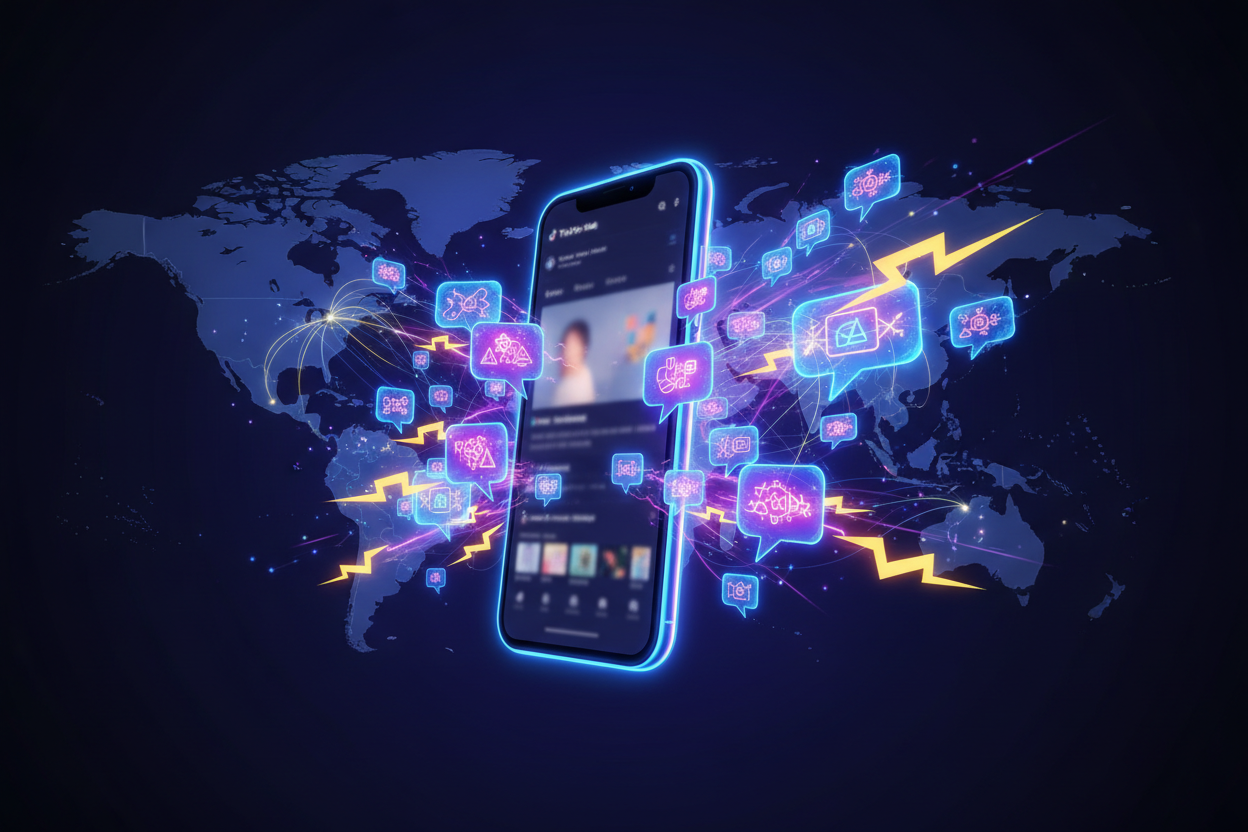
Today’s digital landscape operates at lightning speed. A single viral TikTok video can introduce new slang to millions of users worldwide within hours. Terms like “simp,” “periodt,” and “no cap” have achieved global recognition faster than any slang in human history. This acceleration has created a fascinating phenomenon where slang terms can become mainstream before they’ve had time to develop deep roots in any particular community.
Social media platforms have also democratized slang creation. Previously, influential cultural figures—musicians, actors, or local trendsetters—often drove linguistic innovation. Now, any creative teenager with a smartphone can coin a phrase that spreads across continents. This shift has made language evolution more collaborative and unpredictable than ever before.
From Street Corners to Boardrooms: Slang in Professional Settings
One of the most intriguing developments in modern communication is the gradual acceptance of certain slang terms in professional environments. While traditional business communication maintained strict formality, today’s workplace culture increasingly embraces casual language as a way to build rapport and appear relatable.
Companies now use terms like “synergy,” “pivot,” and “disruption”—words that began as business jargon but function similarly to slang within professional communities. Marketing teams deliberately incorporate contemporary slang into campaigns to connect with younger demographics, though this strategy can backfire spectacularly when brands misuse terms or appear inauthentic.
The challenge lies in understanding context and audience. While saying “that’s fire” might be perfectly acceptable in a creative brainstorming session, it could undermine credibility in a formal presentation. Successful professionals learn to code-switch between different registers of language depending on their situation, demonstrating the complex relationship between formal and informal communication in modern workplaces.
Cultural Identity and Belonging: The Social Power of Slang
Slang serves as a powerful tool for cultural expression and group identification. Different communities develop distinct vocabularies that reflect their unique experiences, values, and perspectives. African American Vernacular English (AAVE), for example, has contributed countless terms to mainstream American slang, from “hip” and “cool” to more recent additions like “woke” and “throwing shade.”
However, this cultural exchange raises important questions about appropriation and authenticity. When slang terms originating in marginalized communities become mainstream, the original creators often don’t receive recognition or benefit from their linguistic innovations. This dynamic highlights broader issues of cultural ownership and the complex relationship between language, power, and identity.
Generational differences also play a crucial role in slang usage. Each age group tends to develop its own vocabulary as a way of distinguishing itself from both older and younger cohorts. Parents attempting to use their teenagers’ slang often face eye-rolls and accusations of being “cringe”—itself a perfect example of how slang polices group boundaries.
The Global Reach: How Slang Crosses Borders in the Digital Age
Globalization and digital connectivity have created unprecedented opportunities for cross-cultural linguistic exchange. English slang, in particular, has achieved remarkable international penetration through movies, music, and social media. Terms like “selfie,” “hashtag,” and “ghosting” have been adopted into numerous languages worldwide, often without translation.
Conversely, slang from other languages increasingly influences English speakers. Spanish terms like “no bueno” and “adios,” Japanese expressions like “kawaii,” and various others have found homes in English-speaking communities. This linguistic cross-pollination creates a more diverse and dynamic vocabulary that reflects our interconnected world.
Regional variations still exist, but global communication platforms tend to homogenize slang usage over time. A teenager in Mumbai might use the same slang terms as their counterpart in Manchester, creating shared linguistic experiences across vast geographical distances. This phenomenon represents a new form of cultural globalization that operates at the grassroots level.
The Future of Slang: Artificial Intelligence and Linguistic Innovation
As we look toward the future, artificial intelligence and machine learning technologies are beginning to influence how we create and use language. AI-powered translation tools must grapple with slang’s contextual nature and rapid evolution, while chatbots and virtual assistants increasingly incorporate casual language to seem more human-like.
The rise of voice-activated devices and audio-based social platforms like Clubhouse may also influence slang development. Spoken language often evolves differently than written text, and the growing prominence of audio communication could lead to new forms of linguistic innovation that prioritize sound patterns and rhythm over visual wordplay.
Virtual and augmented reality environments present another frontier for slang development. As people spend more time in digital spaces, they may develop new vocabularies to describe experiences that have no real-world equivalents. Terms like “griefing” from gaming culture offer a preview of how virtual experiences generate linguistic innovation.
Balancing Authenticity and Accessibility in Modern Communication
The challenge for modern communicators lies in balancing authenticity with accessibility. Using slang can make communication feel more genuine and relatable, but it can also exclude those who aren’t familiar with specific terms or cultural references. This balance becomes particularly important in educational settings, public communication, and international contexts.
Successful communicators develop what linguists call “register awareness”—the ability to adjust their language choices based on audience, context, and purpose. This skill involves understanding not just what different words mean, but how they function socially and culturally within specific communities.
The key is recognizing that slang isn’t inherently good or bad—it’s a tool that can enhance or hinder communication depending on how it’s used. When employed thoughtfully, slang can create connection, express creativity, and make complex ideas more accessible. When used carelessly, it can create confusion, appear inauthentic, or inadvertently exclude important audiences.
Conclusion: Embracing the Dynamic Nature of Language
The evolution of language through slang represents one of humanity’s most creative and democratic processes. Unlike formal language changes that often require institutional approval, slang emerges organically from communities and spreads based on its utility, creativity, and cultural resonance. This bottom-up approach to linguistic innovation ensures that language remains vibrant, relevant, and responsive to changing social needs.
As we navigate an increasingly connected world, understanding slang’s role in modern communication becomes more important than ever. Whether you’re a marketer trying to reach younger audiences, an educator working with diverse students, or simply someone who wants to communicate more effectively, recognizing the power and purpose of informal language can enhance your ability to connect with others.
The future of slang will undoubtedly bring new challenges and opportunities. As technology continues to reshape how we interact, new forms of linguistic creativity will emerge. By embracing the dynamic nature of language while remaining mindful of context and audience, we can harness slang’s power to create more engaging, authentic, and effective communication.
Remember, language is ultimately about connection. Whether you’re dropping the latest slang or sticking to time-tested vocabulary, the goal remains the same: understanding and being understood. In that sense, slang isn’t just about staying current—it’s about staying human in an increasingly digital world.
Frequently Asked Questions
What is the difference between slang and colloquial language?
While both are informal, slang tends to be more temporary, creative, and specific to particular groups or time periods. Colloquial language includes everyday informal expressions that are widely understood and more stable over time, such as “gonna” instead of “going to.”
How quickly does slang typically become outdated?
The lifespan of slang varies dramatically. Some terms disappear within months, especially those tied to specific trends or memes. Others, like “cool” or “awesome,” become so embedded in language that they lose their slang status and become standard vocabulary. Digital-age slang tends to have shorter lifespans due to rapid communication cycles.
Is it appropriate to use slang in professional writing?
This depends on your audience, industry, and company culture. While traditional business writing avoids slang, many modern companies embrace casual communication. When in doubt, err on the side of formality for important documents, client communications, or external presentations.
How do new slang terms typically spread?
Today, social media platforms like TikTok, Twitter, and Instagram are primary drivers of slang dissemination. Influencers, viral videos, popular music, and memes can rapidly spread new terms across global audiences. Previously, slang spread through local communities, music, movies, and television.
Can using outdated slang make someone seem out of touch?
Yes, using significantly outdated slang can make speakers appear disconnected from current culture, especially when trying to appeal to younger audiences. However, some vintage slang experiences revivals, and context matters greatly. Ironic or nostalgic use of old slang can sometimes be effective.
Why do some slang terms become permanent parts of language?
Slang terms that fill genuine communicative needs, express concepts more efficiently than existing words, or become deeply embedded in cultural practices are more likely to persist. Terms like “okay,” “cool,” and “hip” succeeded because they served useful functions that standard vocabulary didn’t adequately address.
Leave a Reply