
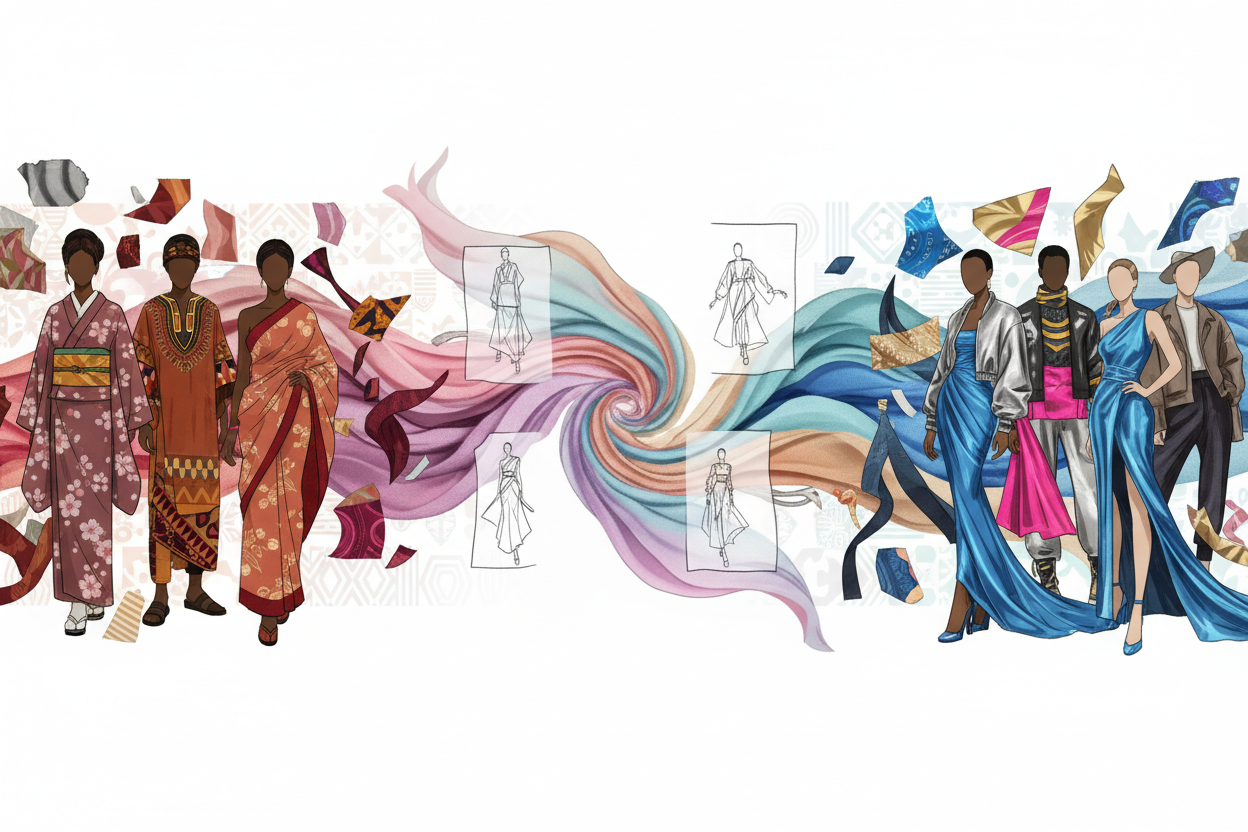
Cultural Shifts and Their Influence on Modern Fashion: How Society Shapes What We Wear
Fashion has always been more than just clothing—it’s a mirror reflecting our society’s values, beliefs, and transformations. From the rebellious mini-skirts of the 1960s to today’s gender-neutral streetwear, every thread tells a story about the cultural moment that birthed it. As we navigate through an era of unprecedented social change, understanding how cultural shifts influence modern fashion becomes essential for anyone interested in style, sociology, or simply making sense of why certain trends capture our collective imagination.
The relationship between culture and fashion isn’t one-sided. While cultural movements undoubtedly shape what designers create and what consumers desire, fashion also has the power to accelerate social change, challenge norms, and give voice to emerging identities. This dynamic interplay has never been more evident than in our current fashion landscape, where sustainability meets streetwear, where traditional gender boundaries blur, and where global influences merge with local traditions in unexpected ways.
The Digital Revolution’s Impact on Fashion Culture
Perhaps no cultural shift has transformed fashion more dramatically than the digital revolution. Social media platforms have democratized fashion influence, turning everyday individuals into style icons and breaking down the traditional gatekeepers of fashion trends. Instagram, TikTok, and Pinterest have created a new ecosystem where fashion moves at lightning speed, trends emerge and fade within weeks, and authenticity often trumps perfection.
This digital transformation has given rise to what we now call “fast fashion culture”—a phenomenon where consumers expect constant novelty and immediate access to runway-inspired pieces. However, it has also sparked counter-movements, with many fashion enthusiasts embracing slow fashion, vintage finds, and sustainable alternatives as a response to digital overwhelm.
The influence of digital culture extends beyond consumption patterns. We’ve witnessed the emergence of “Instagram-worthy” aesthetics, where outfits are designed not just for real-world wear but for digital presentation. This has led to the popularity of bold patterns, statement accessories, and photogenic silhouettes that translate well to small screens and social media feeds.
Sustainability and Environmental Consciousness in Fashion
The growing awareness of climate change and environmental degradation has profoundly impacted fashion culture. Today’s consumers, particularly younger generations, increasingly view their clothing choices through an environmental lens. This cultural shift toward sustainability has forced the fashion industry to reckon with its environmental footprint and has given rise to numerous eco-conscious fashion movements.
Sustainable fashion has evolved from a niche concern to a mainstream movement, influencing everything from material choices to production methods. Brands are now incorporating recycled materials, organic fabrics, and circular design principles into their collections. The cultural emphasis on environmental responsibility has made transparency a key selling point, with consumers demanding to know where and how their clothes are made.
This environmental consciousness has also revived interest in traditional craftsmanship and artisanal techniques. Hand-woven fabrics, natural dyes, and locally-sourced materials have gained popularity as consumers seek alternatives to mass-produced fashion. The cultural value placed on authenticity and environmental stewardship has created space for smaller, independent designers who prioritize sustainable practices over mass market appeal.
Gender Fluidity and Breaking Traditional Fashion Boundaries
One of the most significant cultural shifts influencing modern fashion is the evolving understanding of gender identity and expression. Traditional binary concepts of masculine and feminine clothing are being challenged and redefined, leading to a more inclusive and fluid approach to fashion design and consumption.
Gender-neutral fashion has moved from underground subcultures to mainstream retail, with major brands launching unisex collections and designers creating pieces that transcend traditional gender categories. This cultural shift reflects broader conversations about identity, self-expression, and the rejection of rigid social norms.
The influence of gender fluidity on fashion extends beyond neutral color palettes and androgynous silhouettes. It has encouraged experimentation with proportions, challenged assumptions about what constitutes appropriate dress for different genders, and opened up new possibilities for personal style expression. Fashion weeks now regularly feature models of various gender identities, and the industry increasingly recognizes that clothing should serve individual expression rather than conformity to traditional gender roles.
Globalization and Cultural Exchange in Fashion
Our interconnected world has created unprecedented opportunities for cultural exchange, and fashion has become a primary vehicle for this global conversation. Traditional garments, patterns, and techniques from various cultures are being reinterpreted and incorporated into contemporary fashion, creating rich fusion styles that reflect our multicultural reality.
However, this cultural exchange has also raised important questions about cultural appropriation versus appreciation. The fashion industry has had to grapple with the difference between celebrating cultural diversity and exploiting traditional designs without proper attribution or compensation to their originators. This ongoing dialogue has led to more thoughtful approaches to cross-cultural design and greater awareness of the importance of cultural sensitivity in fashion.
Globalization has also enabled the rise of regional fashion weeks and the recognition of non-Western fashion capitals. Cities like Lagos, Mumbai, and Seoul have emerged as important fashion centers, bringing fresh perspectives and aesthetics to the global fashion conversation. This diversification has enriched the fashion landscape and challenged Western-centric definitions of style and beauty.
The Rise of Streetwear and Casual Culture
The cultural shift toward informality and comfort has dramatically reshaped fashion priorities. The rise of remote work, changing lifestyle patterns, and a general move away from formal dress codes have elevated streetwear and casual fashion to new heights of cultural significance.
Streetwear, once confined to urban subcultures and youth movements, has become a dominant force in fashion, influencing luxury brands and high-fashion designers. This cultural shift reflects changing attitudes toward work, leisure, and self-presentation. The boundaries between athletic wear, casual wear, and even formal wear have become increasingly blurred, leading to the phenomenon of “athleisure” and the acceptance of sneakers in previously formal settings.
This casual revolution has also democratized fashion in many ways. Expensive suits and formal wear no longer serve as the primary markers of success or sophistication. Instead, authenticity, comfort, and personal style have become more valued than adherence to traditional dress codes. This cultural shift has made fashion more accessible and has encouraged individual expression over conformity to established norms.
Technology Integration and Smart Fashion
The integration of technology into daily life has begun to influence fashion in fascinating ways. Wearable technology, smart fabrics, and connected accessories represent a new frontier where fashion meets functionality. This cultural embrace of technology has created opportunities for fashion to serve purposes beyond aesthetics and basic protection.
Smart watches, fitness trackers, and other wearable devices have become fashion accessories in their own right, with luxury brands partnering with tech companies to create stylish alternatives to purely functional devices. The cultural acceptance of technology as fashion has opened up new possibilities for interactive clothing, mood-responsive fabrics, and garments that adapt to environmental conditions.
This technological integration also reflects broader cultural values around efficiency, connectivity, and the desire to optimize various aspects of life. Fashion is increasingly expected to be not just beautiful or expressive, but also functional and intelligent, reflecting our culture’s emphasis on multi-purpose solutions and seamless integration of technology into daily routines.
The Future of Fashion in an Ever-Changing Cultural Landscape
As we look toward the future, it’s clear that cultural shifts will continue to drive fashion evolution in unexpected directions. The ongoing conversations around inclusivity, sustainability, and technology suggest that future fashion will be more diverse, responsible, and innovative than ever before.
Emerging cultural movements around mental health awareness, body positivity, and social justice are already beginning to influence fashion design and marketing. We can expect to see more adaptive clothing for people with disabilities, size-inclusive design approaches, and fashion that actively supports social causes.
The cultural shift toward personalization and individual expression suggests that the future of fashion may be less about following trends and more about creating unique, personalized style narratives. Advances in manufacturing technology and design tools may enable more customized, made-to-order fashion that reflects individual preferences and values.
Fashion’s role as a cultural communicator ensures that it will continue to evolve alongside society’s changing values and priorities. Understanding these cultural influences helps us not only make sense of current fashion trends but also anticipate and participate in the fashion conversations of tomorrow.
Frequently Asked Questions
How do cultural movements typically influence fashion trends?
Cultural movements influence fashion through changing values, lifestyle shifts, and new forms of self-expression. For example, the feminist movement influenced the adoption of pantsuits for women, while environmental awareness has driven sustainable fashion trends. Fashion often serves as a visual language for cultural ideas and social change.
Why has streetwear become so influential in modern fashion?
Streetwear’s influence stems from cultural shifts toward casualization, authenticity, and youth culture dominance. Social media has amplified streetwear’s reach, while changing work environments and lifestyle preferences have made comfort and versatility more valued than formal dress codes.
How has social media changed the relationship between culture and fashion?
Social media has accelerated fashion cycles, democratized fashion influence, and created new cultural spaces for fashion expression. It has enabled instant global trend sharing, given rise to influencer culture, and allowed subcultures to gain mainstream visibility more quickly than traditional media channels.
What role does sustainability play in current fashion culture?
Sustainability has become a core cultural value influencing fashion choices, particularly among younger consumers. This has led to increased interest in eco-friendly materials, ethical production practices, vintage and secondhand shopping, and brands that prioritize environmental responsibility over fast fashion models.
How do global cultural exchanges affect local fashion traditions?
Global cultural exchanges can both enrich and challenge local fashion traditions. While they provide opportunities for cross-cultural inspiration and fusion styles, they also raise concerns about cultural appropriation and the preservation of traditional techniques and meanings. The key is finding balance between appreciation and appropriation.
What impact has gender fluidity had on fashion design?
Gender fluidity has encouraged more inclusive design approaches, leading to gender-neutral collections, diverse model representation, and clothing that prioritizes individual expression over traditional gender norms. This has expanded design possibilities and challenged binary thinking in fashion.



Leave a Reply