
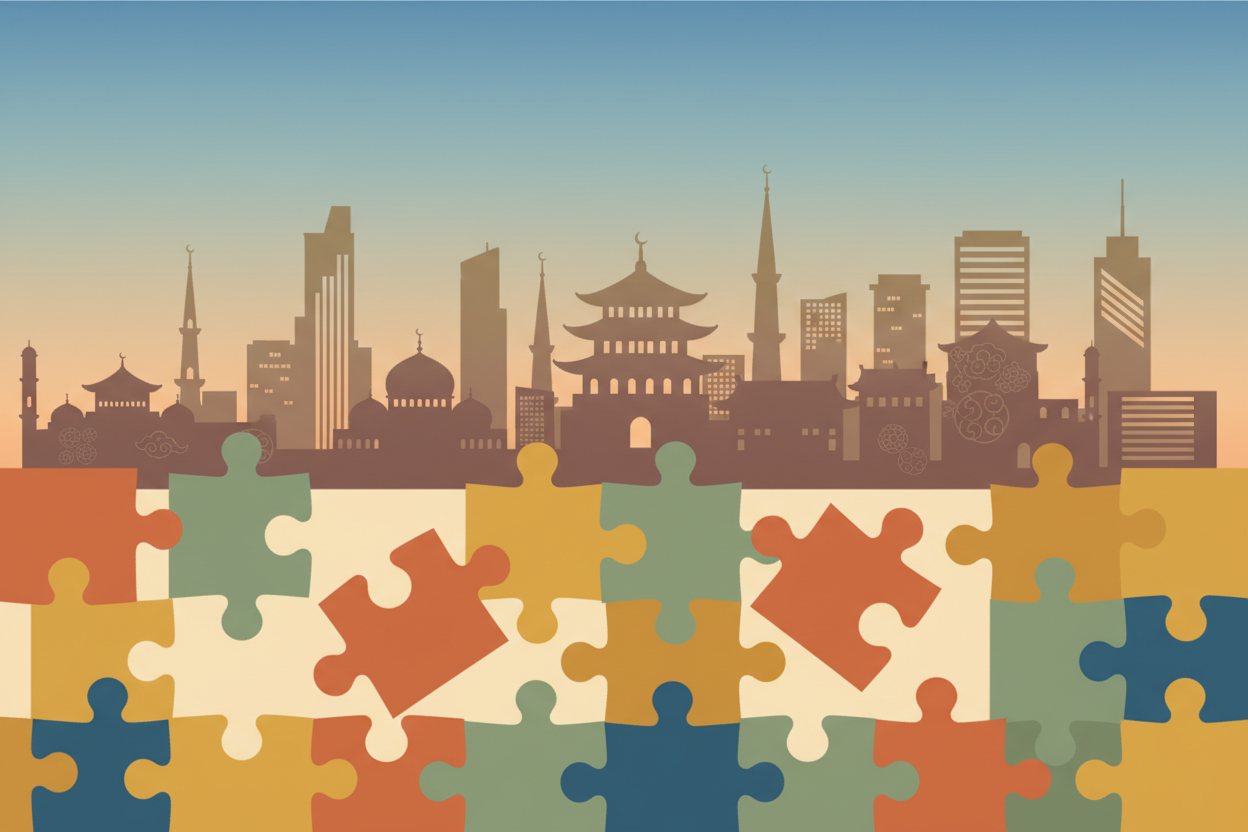
Navigating Domestic Policy Challenges in a Multicultural Society: Building Unity Through Diversity
In today’s interconnected world, multicultural societies have become the norm rather than the exception. From bustling metropolises like New York and London to emerging diverse communities across the globe, nations are grappling with the complex task of creating domestic policies that serve all citizens equitably. While cultural diversity brings immense benefits – innovation, economic growth, and rich social fabric – it also presents unique policy challenges that require thoughtful, inclusive solutions.
The reality is that what works for one community might not resonate with another. Language barriers, cultural practices, religious beliefs, and socioeconomic backgrounds all influence how policies are received and implemented. As policymakers navigate these waters, they must balance respect for cultural differences with the need for cohesive national identity and effective governance.

Understanding the Multicultural Policy Landscape
Multicultural societies face a fundamental question: how do you create policies that respect individual cultural identities while fostering national unity? This challenge isn’t just theoretical – it plays out daily in schools, healthcare systems, workplaces, and community centers across diverse nations.
The complexity deepens when we consider that multiculturalism isn’t static. Immigration patterns shift, generational attitudes evolve, and global events influence local perspectives. A policy framework that worked a decade ago might feel outdated today, requiring constant adaptation and refinement.
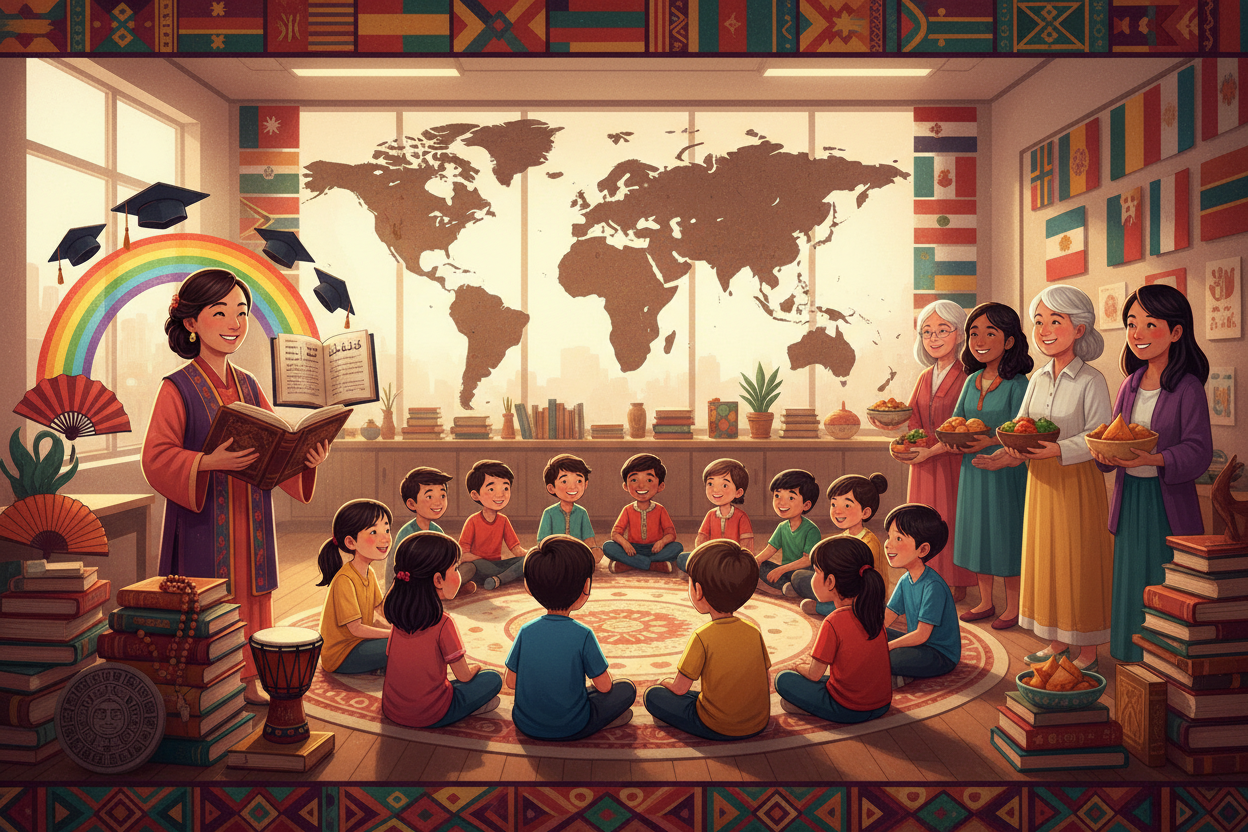
Successful multicultural policy development requires understanding that diversity isn’t just about ethnicity or race. It encompasses language preferences, religious practices, family structures, educational backgrounds, and economic circumstances. Each of these dimensions intersects with others, creating a rich tapestry of citizen needs and expectations.
Education Policy in Diverse Communities
Perhaps nowhere are multicultural challenges more apparent than in education policy. Schools serve as microcosms of society, bringing together children from vastly different backgrounds with varying language skills, cultural norms, and learning styles.
Language instruction presents one of the most pressing challenges. Should schools prioritize English-only instruction to promote integration, or maintain bilingual programs that honor students’ native languages? Research suggests that students who maintain their native language while learning English often perform better academically, yet resource constraints and political pressures sometimes push districts toward English-only approaches.
Curriculum development also requires careful consideration. History textbooks, literature selections, and even mathematics word problems can reflect cultural biases that alienate some students while privileging others. Progressive education systems are working to incorporate diverse perspectives into their curricula, but this process requires ongoing dialogue between educators, parents, and community leaders.
Religious accommodations add another layer of complexity. From prayer times and dietary restrictions to dress codes and holiday observances, schools must navigate competing demands while maintaining secular educational environments. The key lies in developing policies that are both inclusive and practical, ensuring no student feels excluded while maintaining educational standards and operational efficiency.
Healthcare Access and Cultural Sensitivity
Healthcare policy in multicultural societies must address both access barriers and cultural competency concerns. Language barriers can literally be matters of life and death when patients cannot effectively communicate symptoms or understand treatment instructions.
Many healthcare systems now mandate interpreter services, but implementation varies widely. Some hospitals rely on family members or bilingual staff, which can compromise accuracy and confidentiality. Professional medical interpreters represent the gold standard, but they’re expensive and not always available for less common languages.
Cultural beliefs about health, illness, and treatment also influence healthcare delivery. Traditional healing practices, dietary restrictions, gender preferences for healthcare providers, and family decision-making structures all impact how different communities engage with medical services. Effective healthcare policy acknowledges these differences while ensuring evidence-based medical care.
Mental health services face particular challenges in multicultural settings. Stigma around mental illness varies significantly across cultures, and therapeutic approaches developed for one population may not translate effectively to another. Community-based mental health programs that incorporate cultural liaisons and culturally adapted treatment models show promising results, but they require sustained investment and community buy-in.
Economic Integration and Workforce Development
Economic policy in multicultural societies must address both opportunity gaps and skill recognition challenges. Many immigrants arrive with professional credentials that aren’t recognized in their new countries, leading to underemployment and economic inefficiency.
Credential recognition programs help bridge this gap, but they require coordination between educational institutions, professional associations, and government agencies. Some countries have developed fast-track programs for in-demand professions like healthcare and engineering, while others maintain lengthy bureaucratic processes that discourage skilled immigration.
Language requirements for professional licensing present another challenge. While language skills are undoubtedly important for many professions, overly stringent requirements can exclude qualified professionals whose technical skills exceed their conversational abilities. Balanced approaches might include profession-specific language assessments or mentorship programs that pair new immigrants with established professionals.
Small business development policies also require cultural sensitivity. Different communities have varying approaches to entrepreneurship, financing, and business relationships. Microfinance programs, culturally specific business incubators, and community development financial institutions can help bridge gaps between traditional banking systems and diverse entrepreneurial communities.
Social Cohesion and Community Building
Perhaps the greatest challenge in multicultural policy development is fostering social cohesion while celebrating diversity. This requires moving beyond simple tolerance to active appreciation and integration.
Community programming plays a crucial role in this process. Cultural festivals, interfaith dialogues, and neighborhood initiatives can build bridges between different groups. However, these programs must be carefully designed to avoid tokenism or superficial multiculturalism that celebrates surface-level differences while ignoring deeper structural inequalities.
Housing policy significantly impacts social cohesion. Concentrated poverty and ethnic segregation can perpetuate divisions and limit opportunities for cross-cultural interaction. Mixed-income housing developments and anti-discrimination enforcement help create more integrated communities, but they must be implemented thoughtfully to avoid displacement or gentrification.
Civic engagement initiatives help diverse communities participate in democratic processes. Multilingual voter education, culturally appropriate outreach methods, and leadership development programs can increase political participation across different groups. When all community members feel heard and represented, policy outcomes improve for everyone.
Technology and Digital Inclusion
Modern multicultural policy must also address digital divides that disproportionately affect certain communities. Language barriers extend into digital spaces, where government services, educational resources, and economic opportunities increasingly move online.
Website translation and multilingual customer service represent baseline requirements, but true digital inclusion goes deeper. User interface design, cultural assumptions embedded in digital platforms, and varying levels of technological literacy all influence how different communities access digital services.
Digital literacy programs tailored to different cultural groups can help bridge these gaps. Programs that incorporate familiar cultural contexts and learning styles often achieve better outcomes than one-size-fits-all approaches. Community partnerships with libraries, religious organizations, and cultural centers can extend the reach of these programs.
Moving Forward: Best Practices for Inclusive Policy Development
Successful multicultural policy development requires ongoing commitment to inclusive processes and adaptive implementation. Several key principles emerge from communities that have navigated these challenges effectively.
First, meaningful community engagement must occur throughout the policy development process, not just during public comment periods. This means meeting communities where they are, using appropriate languages and cultural protocols, and providing multiple opportunities for input.
Second, policies must be designed with flexibility to accommodate different implementation approaches. What works in an urban immigrant community might not suit a rural multicultural area, and effective policies allow for local adaptation while maintaining core principles.
Third, data collection and analysis must capture the experiences of all community members. This often requires disaggregating data by ethnicity, language, and other relevant characteristics to identify disparities and track progress toward equity goals.
Finally, policy success requires sustained investment in cultural competency training for public servants, ongoing evaluation and adjustment processes, and long-term commitment to equity outcomes rather than just equal treatment.
Conclusion
Domestic policy challenges in multicultural societies are complex, but they’re not insurmountable. Success requires moving beyond simple accommodation toward genuine inclusion and equity. This means recognizing that diversity is not a problem to be solved but a strength to be leveraged.
The most effective multicultural policies acknowledge cultural differences while building shared civic identity. They provide practical solutions to immediate challenges while working toward long-term social cohesion. Most importantly, they recognize that in our interconnected world, the ability to navigate diversity successfully isn’t just morally right – it’s economically and socially essential.
As societies continue to evolve and diversify, policy frameworks must evolve as well. This requires ongoing dialogue, continuous learning, and the courage to try new approaches when existing ones fall short. The goal isn’t perfect harmony – it’s functional democracy that serves all citizens effectively while honoring the rich diversity that makes multicultural societies vibrant and resilient.
Frequently Asked Questions
What are the main challenges of creating domestic policy in multicultural societies?
The primary challenges include language barriers, varying cultural practices and beliefs, different socioeconomic needs, religious accommodation requirements, and balancing individual cultural identity with national cohesion. Policymakers must also address credential recognition, healthcare cultural competency, educational curriculum diversity, and ensuring equal access to services across all communities.
How can education systems better serve multicultural student populations?
Education systems can improve by implementing bilingual programs that maintain native languages while teaching English, developing inclusive curricula that represent diverse perspectives, providing religious accommodations, training teachers in cultural competency, and engaging parents and community leaders in educational planning. Flexible approaches that recognize different learning styles and cultural backgrounds also enhance student success.
What role does technology play in multicultural policy challenges?
Technology creates both opportunities and barriers in multicultural societies. Digital divides can exclude communities with limited technological access or literacy, while language barriers extend into online government services and educational resources. However, technology also enables multilingual services, cultural exchange platforms, and innovative solutions for community engagement and service delivery.
How can governments ensure healthcare equity in diverse communities?
Healthcare equity requires professional medical interpreters, culturally competent care providers, community health workers from diverse backgrounds, and policies that accommodate different cultural beliefs about health and treatment. Mental health services need particular attention, with culturally adapted therapeutic approaches and community-based programs that address cultural stigma around mental illness.
What are effective strategies for promoting social cohesion in multicultural communities?
Effective strategies include community programming that encourages cross-cultural interaction, mixed-income housing policies that prevent segregation, civic engagement initiatives that include all communities in democratic processes, and leadership development programs. The key is moving beyond surface-level cultural celebrations to address structural inequalities and create genuine opportunities for integration and mutual understanding.



Leave a Reply