
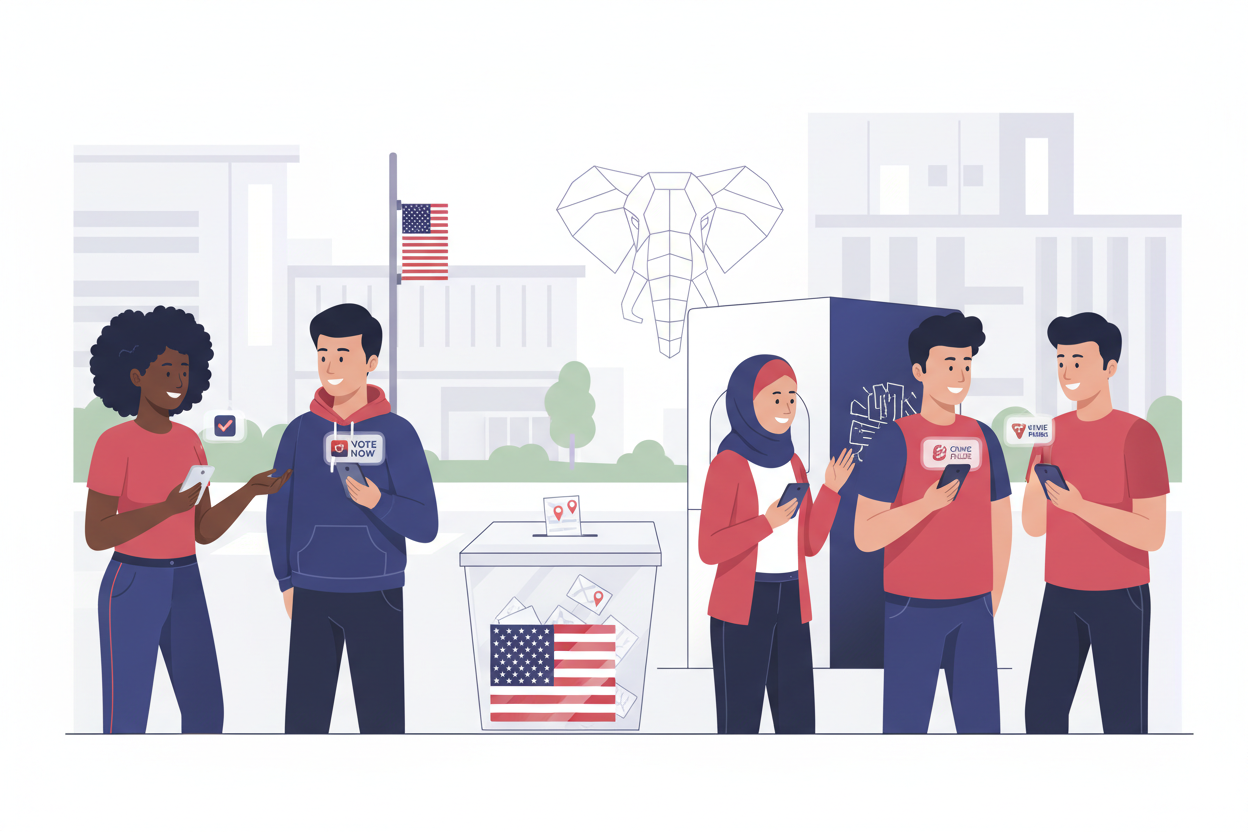
Republican Strategies for Winning the Youth Vote: Building Bridges to the Next Generation
The political landscape is shifting, and one demographic continues to hold enormous sway over election outcomes: young voters. For the Republican Party, connecting with voters aged 18-29 has become increasingly challenging, yet it remains crucial for long-term political success. While traditional conservative messaging has resonated with older generations, reaching younger Americans requires fresh approaches, authentic engagement, and a willingness to address the issues that matter most to them.
Understanding how to effectively communicate conservative values to young people isn’t just about winning elections—it’s about ensuring the future of the party and the principles it represents. This comprehensive look at Republican strategies for winning the youth vote explores proven methods, emerging trends, and practical approaches that can help bridge the generational divide.
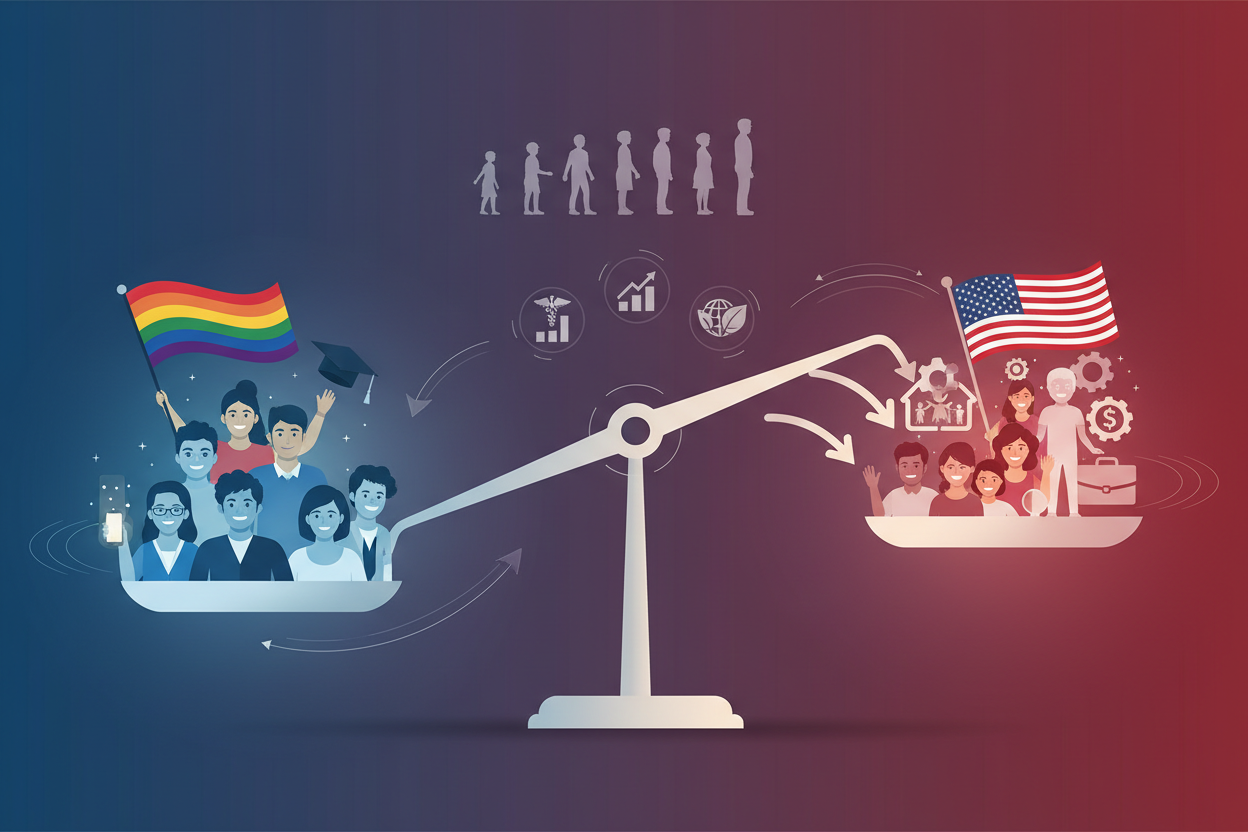
Understanding the Modern Young Voter
Today’s young voters are fundamentally different from previous generations in how they consume information, engage with politics, and prioritize issues. They’re digital natives who grew up during economic uncertainty, witnessed significant social changes, and face unique challenges like student debt, housing affordability, and climate concerns.
Research shows that young voters are more likely to be politically independent, skeptical of traditional institutions, and motivated by authenticity over partisan loyalty. They value transparency, expect immediate access to information, and are quick to fact-check claims in real-time. For Republicans seeking to connect with this demographic, understanding these characteristics is the foundation of any successful outreach strategy.
The key lies in recognizing that young voters aren’t necessarily opposed to conservative principles—they often simply haven’t seen these principles presented in ways that address their lived experiences and concerns. Economic opportunity, personal freedom, and limited government can resonate strongly with young people when framed appropriately.

Digital-First Communication Strategies
The most successful Republican youth outreach efforts prioritize digital platforms where young people actually spend their time. This means moving beyond traditional campaign advertisements and embracing social media, podcasts, streaming platforms, and mobile-first content strategies.
Effective digital engagement requires understanding platform-specific cultures and communication styles. What works on TikTok differs dramatically from LinkedIn or Twitter approaches. Young voters respond well to behind-the-scenes content, authentic conversations, and leaders who can communicate complex policy positions in accessible, relatable terms.
Video content performs particularly well with younger audiences, especially when it features real stories from young conservatives, policy explanations that connect to daily life, and interactive formats that encourage engagement rather than passive consumption. Live streaming, Q&A sessions, and collaborative content creation can help build genuine connections between Republican leaders and young voters.
The most important aspect of digital communication is consistency and authenticity. Young voters can quickly identify when politicians are trying too hard to be “cool” or when their online presence feels disconnected from their actual positions and personality.
Economic Messaging That Resonates
Economic concerns consistently rank among the top priorities for young voters, making this a crucial area for Republican outreach. However, traditional economic messaging often fails to address the specific financial challenges facing today’s young adults.
Student loan debt, housing affordability, and job market competition are immediate concerns that require targeted policy solutions and communication strategies. Republicans can effectively connect with young voters by emphasizing entrepreneurship opportunities, job creation through small business growth, and policies that reduce barriers to homeownership and career advancement.
The message of economic freedom and opportunity resonates strongly when paired with concrete examples of how conservative policies can help young people achieve financial independence. Stories of young entrepreneurs who benefited from reduced regulations, tax policies that helped first-time homebuyers, or job training programs that led to career advancement can make abstract policy positions feel personally relevant.
Additionally, addressing the gig economy and non-traditional career paths acknowledges the reality of how many young people work today. Republican policies supporting independent contractors, reducing bureaucratic barriers for small businesses, and promoting innovation can appeal to young voters who value flexibility and entrepreneurial spirit.
Building Authentic Grassroots Connections
While digital outreach is essential, nothing replaces genuine, in-person connections for building lasting political relationships. Successful Republican youth engagement requires sustained presence in communities where young people live, work, and socialize.
Campus outreach remains important, but it should extend beyond traditional college Republican organizations to include broader community engagement, professional networking events, and issue-based coalitions. Young professionals, trade school students, military service members, and early-career workers all represent important constituencies that require tailored approaches.
Effective grassroots strategies involve listening as much as speaking. Town halls, coffee shop conversations, and informal meet-and-greets provide opportunities for Republican leaders to understand the specific concerns of young voters in their communities and respond with relevant policy solutions.
Mentorship programs, internship opportunities, and leadership development initiatives can help young people see concrete pathways for involvement in Republican politics while building skills and networks that benefit their personal and professional development.
Addressing Social Issues with Nuance
Social issues often present the biggest challenge for Republican youth outreach, as polling consistently shows young voters holding more liberal positions on topics like LGBTQ+ rights, racial justice, and drug policy. However, this doesn’t mean these issues should be avoided—rather, they require thoughtful, nuanced approaches that emphasize shared values.
Focusing on individual liberty, personal responsibility, and community-based solutions can provide common ground for discussing complex social issues. For example, criminal justice reform can be framed in terms of reducing government overreach, supporting second chances, and strengthening communities through local solutions rather than federal mandates.
The key is demonstrating that conservative principles can lead to positive outcomes on issues young people care about, even when the specific policy approaches differ from liberal alternatives. This requires Republican leaders who can articulate these positions thoughtfully and engage in respectful dialogue about difficult topics.
Religious liberty, free speech, and constitutional rights often resonate with young voters when presented as protecting everyone’s ability to live according to their values rather than imposing particular viewpoints on others.
Leveraging Young Conservative Voices
One of the most effective strategies for Republican youth outreach involves elevating young conservative voices who can speak authentically to their peers. Young Republicans who can share personal stories about why conservative principles matter to them provide credible messengers for reaching skeptical audiences.
These voices are most effective when they’re given genuine platforms and autonomy to communicate in their own style rather than being scripted or overly managed by party leadership. Young conservatives often bring fresh perspectives on traditional issues and can identify new ways to apply conservative principles to contemporary challenges.
Supporting young conservative content creators, bloggers, podcasters, and social media influencers helps build an ecosystem of authentic voices that can reach different audiences and communities. This organic approach often proves more effective than top-down messaging campaigns.
Additionally, providing opportunities for young conservatives to take leadership roles in campaigns, policy development, and party organizations demonstrates genuine commitment to including younger perspectives in Republican politics.
Policy Innovation and Future-Focused Solutions
Young voters are often drawn to politicians and parties that demonstrate forward-thinking approaches to emerging challenges. Republicans can differentiate themselves by developing innovative policy solutions that address future concerns while maintaining conservative principles.
Technology policy, environmental stewardship, space exploration, and economic innovation represent areas where conservative approaches can appeal to young voters interested in progress and advancement. Market-based solutions to environmental challenges, support for technological innovation, and policies that promote American leadership in emerging industries can resonate strongly with future-oriented young voters.
The key is demonstrating that conservative principles aren’t obstacles to progress but rather foundations for sustainable, effective solutions to complex problems. This requires Republican leaders who understand both traditional conservative values and contemporary challenges facing young Americans.
Frequently Asked Questions
Q: Why do young voters tend to lean Democratic, and can this trend be reversed?
A: Young voters often lean Democratic due to factors like social issue positions, economic concerns, and communication styles that resonate with their experiences. However, this trend isn’t permanent—political preferences can shift as people age and as parties adapt their messaging and policies. Republicans can make gains by addressing young voters’ specific concerns with conservative solutions and improving their communication strategies.
Q: What are the most important issues for young Republican voters?
A: Young Republican voters typically prioritize economic opportunity, individual liberty, constitutional rights, and limited government. They’re often particularly interested in entrepreneurship, job creation, educational choice, and policies that promote personal responsibility while reducing bureaucratic barriers to success.
Q: How can Republican candidates effectively use social media to reach young voters?
A: Effective social media strategies for reaching young voters include authentic, consistent posting; platform-specific content; interactive formats like live streams and Q&As; behind-the-scenes content; and collaboration with young conservative influencers. The key is genuine engagement rather than obvious campaign messaging.
Q: Should Republicans change their positions on social issues to attract young voters?
A: Rather than changing core positions, Republicans can benefit from presenting their views with greater nuance and emphasizing shared values like individual liberty, personal responsibility, and community solutions. The focus should be on thoughtful communication and finding common ground rather than abandoning fundamental principles.
Q: What role do young conservatives play in attracting their peers to the Republican Party?
A: Young conservatives serve as crucial messengers who can authentically communicate conservative values to their peers. They provide credible voices, fresh perspectives, and relatable examples of why Republican principles matter to young people. Supporting and elevating these voices is essential for effective youth outreach.
Winning the youth vote requires Republicans to embrace both timeless conservative principles and contemporary communication methods. Success depends on authentic engagement, relevant policy solutions, and genuine commitment to addressing the concerns of young Americans. By combining digital innovation with grassroots connection, economic opportunity with social awareness, and traditional values with forward-thinking solutions, Republicans can build lasting relationships with the next generation of voters. The party’s future depends not on abandoning its core beliefs but on presenting them in ways that resonate with young people’s experiences and aspirations.



Leave a Reply