
Protecting Political Rights in the Age of Cyber Threats
Democracy faces unprecedented challenges in our digital age. As we increasingly rely on technology for political participation, communication, and governance, we’ve opened new frontiers that both empower and threaten our fundamental political rights. From election interference to surveillance overreach, cyber threats pose serious risks to the democratic processes we hold dear.
The intersection of technology and politics has created a complex landscape where traditional safeguards may no longer suffice. Understanding these challenges and developing robust defenses isn’t just a matter for tech experts or government officials – it’s something that affects every citizen who values their political freedoms.
The Digital Transformation of Political Participation
Political engagement has undergone a dramatic transformation over the past two decades. Social media platforms have become primary venues for political discourse, while online voter registration and digital campaign contributions have streamlined civic participation. This digital shift has democratized access to political information and made it easier for citizens to engage with their representatives.
However, this transformation has also created new vulnerabilities. Our political conversations now happen on platforms controlled by private companies, our voting systems increasingly rely on digital infrastructure, and our personal political preferences are tracked and analyzed by algorithms we don’t fully understand.

The convenience of digital political participation comes with trade-offs that we’re only beginning to comprehend. When we share political opinions online, donate through digital platforms, or register to vote through government websites, we create digital footprints that can be exploited by malicious actors.
Understanding Modern Cyber Threats to Democracy
Cyber threats to political rights manifest in numerous ways, each targeting different aspects of democratic participation. These threats have evolved from simple website defacements to sophisticated operations that can influence entire election cycles.
State-sponsored attacks represent perhaps the most serious category of threats. Foreign governments and domestic bad actors use cyber capabilities to interfere with elections, spread disinformation, and undermine public trust in democratic institutions. These attacks often involve multiple vectors, including social media manipulation, email hacking, and attempts to breach voting infrastructure.
Disinformation campaigns have become particularly prevalent, using automated bots and fake accounts to amplify divisive content and spread false information. These operations exploit the speed and reach of social media to influence public opinion and voting behavior, often targeting specific demographic groups with tailored messaging.
Privacy violations also threaten political rights by chilling free expression and association. When citizens fear that their political activities are being monitored or that their data might be used against them, they may self-censor or avoid political participation altogether.
Election Security in the Digital Era
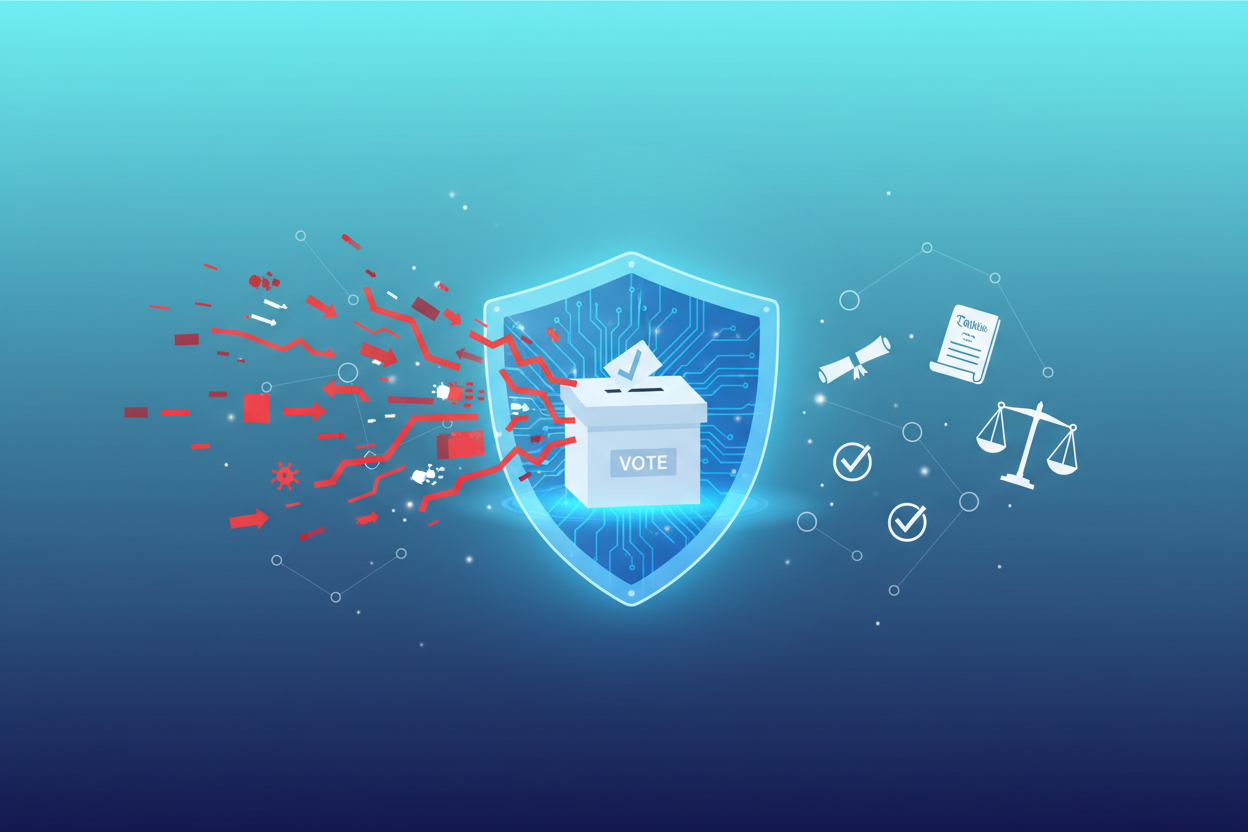
Election security has become one of the most visible battlegrounds in protecting political rights from cyber threats. Modern elections rely heavily on digital infrastructure, from voter registration databases to electronic voting machines and result reporting systems.
The challenge lies in securing these systems while maintaining transparency and public trust. Unlike other cybersecurity challenges, election security must balance protection against threats with the need for verifiable, auditable processes that citizens can trust.
Many jurisdictions have implemented paper backup systems and post-election audits to provide additional security layers. These measures help ensure that even if digital systems are compromised, the integrity of election results can be verified through independent means.
Cybersecurity experts recommend a multi-layered approach to election security that includes regular security assessments, staff training, incident response planning, and coordination with federal cybersecurity agencies. However, the decentralized nature of election administration in many countries creates challenges in implementing consistent security standards.
Social Media and Information Warfare
Social media platforms have become primary battlegrounds for information warfare, where the line between legitimate political discourse and malicious manipulation often blurs. These platforms’ algorithms, designed to maximize engagement, can inadvertently amplify divisive or false content.
The speed and scale of social media make it an ideal vector for disinformation campaigns. False stories can spread faster than fact-checkers can debunk them, and the emotional nature of political content makes people more likely to share information without verifying its accuracy.
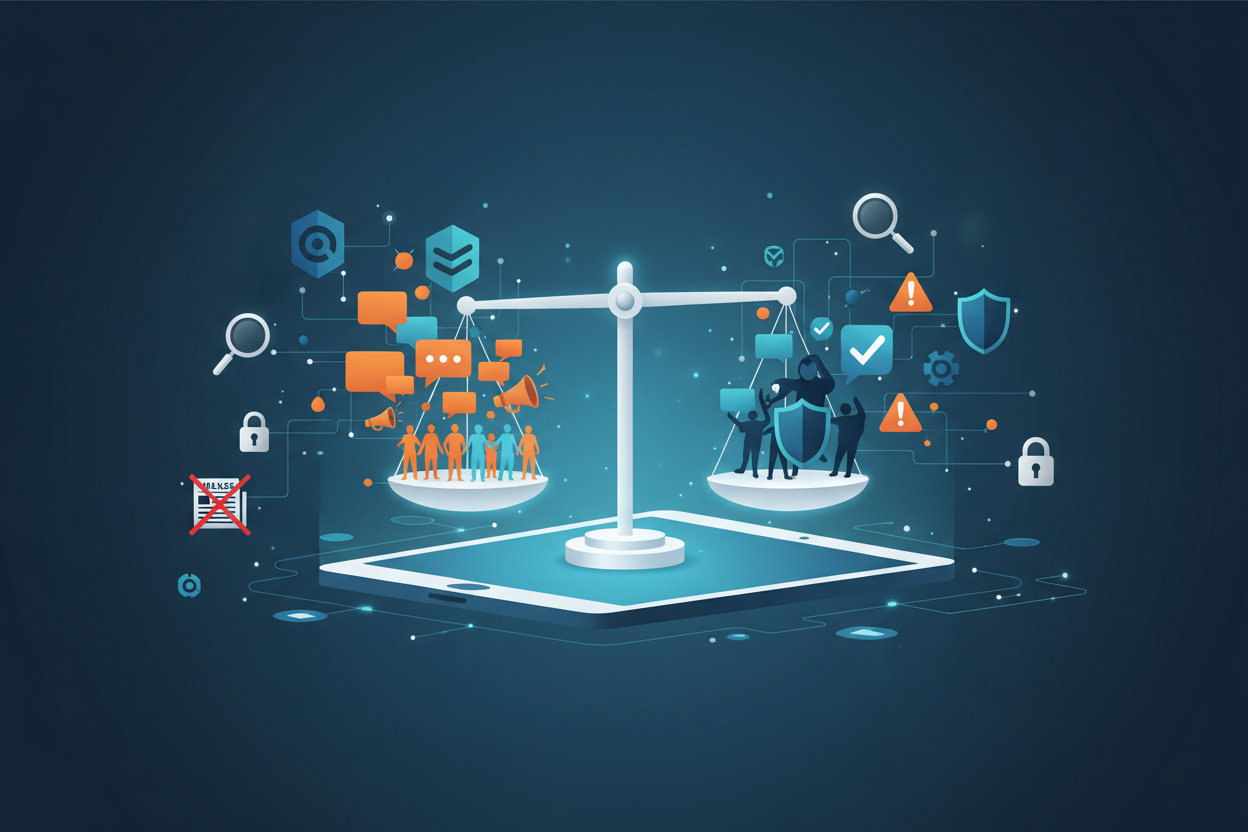
Platform companies have implemented various measures to combat these threats, including fact-checking partnerships, content moderation policies, and restrictions on political advertising. However, these efforts face criticism both for being too aggressive in restricting legitimate speech and for being insufficient to address the scale of the problem.
The challenge for users is developing media literacy skills to identify potentially false or manipulated content. This includes understanding how to verify information sources, recognizing the signs of coordinated inauthentic behavior, and being aware of one’s own cognitive biases that can make us susceptible to manipulation.
Surveillance and Privacy Concerns
Government surveillance capabilities have expanded dramatically in the digital age, raising serious concerns about the protection of political privacy rights. While some surveillance is necessary for national security, unchecked monitoring can chill political expression and association.
The collection of metadata about communications, location tracking through mobile devices, and the analysis of social media activity can create detailed profiles of individuals’ political beliefs and associations. This information could potentially be used to target political opponents or suppress dissent.
Legal frameworks struggle to keep pace with technological capabilities, often leaving gaps in privacy protection. Many laws were written before the advent of modern surveillance technologies and may not adequately address current threats to political privacy.
Citizens can take steps to protect their political privacy through the use of encrypted communications, privacy-focused browsers and search engines, and by being mindful of the digital traces they leave when engaging in political activities online.
Building Resilient Democratic Institutions
Protecting political rights in the cyber age requires building resilient institutions that can adapt to evolving threats while preserving democratic values. This involves both technological solutions and institutional reforms.
Cybersecurity measures must be integrated into all aspects of democratic infrastructure, from election systems to government communications. This includes regular security assessments, employee training, and the development of incident response capabilities.
Transparency and accountability mechanisms are crucial for maintaining public trust. Citizens need to understand how their digital political participation is protected and have recourse when their rights are violated.
International cooperation is also essential, as cyber threats often cross national boundaries. Sharing threat intelligence, coordinating responses to attacks, and developing common standards can help protect democratic institutions globally.
Education and digital literacy programs can help citizens better understand and protect themselves from cyber threats while participating effectively in digital democracy.
Individual Actions for Digital Political Security
While institutional protections are crucial, individuals also play an important role in protecting political rights from cyber threats. Personal cybersecurity practices can help safeguard not only individual privacy but also the broader democratic process.
Strong password practices, including the use of unique passwords and two-factor authentication, can help protect political accounts and communications from unauthorized access. Regular software updates and the use of reputable security tools provide additional protection against malware and other threats.
Being mindful of information sources and developing critical thinking skills can help individuals resist disinformation campaigns. This includes verifying information through multiple sources, being skeptical of emotionally charged content, and understanding how algorithms might influence the information we see.
Protecting personal information through privacy settings, encrypted communications, and careful consideration of what political information to share online can help maintain political privacy and reduce vulnerability to targeting.
The Path Forward: Technology and Democracy
The relationship between technology and democracy will continue to evolve, presenting both new opportunities and challenges. Emerging technologies like artificial intelligence and blockchain could offer new tools for protecting political rights, but they also introduce new potential vulnerabilities.
The key is ensuring that technological development serves democratic values rather than undermining them. This requires ongoing dialogue between technologists, policymakers, and citizens about how to harness technology’s benefits while mitigating its risks to political rights.
Regulatory frameworks need to evolve to address new threats while preserving innovation and free expression. This balance is challenging but essential for maintaining democratic freedoms in the digital age.
Ultimately, protecting political rights in the age of cyber threats requires a collective effort. Government, private sector, and civil society must work together to build resilient democratic institutions that can thrive in our interconnected world.
The stakes couldn’t be higher. Our ability to maintain democratic freedoms and institutions in the face of evolving cyber threats will determine the future of democracy itself. By understanding these challenges and taking proactive steps to address them, we can help ensure that technology serves to strengthen rather than weaken our political rights and democratic values.
Frequently Asked Questions
What are the biggest cyber threats to political rights today?
The most significant threats include election interference through hacking or disinformation campaigns, surveillance that chills political expression, social media manipulation that distorts public discourse, and attacks on political organizations’ digital infrastructure. These threats often work in combination to undermine democratic processes and citizen participation.
How can I protect my political privacy online?
Use encrypted messaging apps for political communications, enable two-factor authentication on political accounts, be cautious about sharing political information on social media, use privacy-focused browsers and search engines, and regularly review privacy settings on all platforms you use for political engagement.
Are electronic voting systems secure?
Electronic voting systems can be secure when properly implemented with appropriate safeguards, including paper backup systems, regular security audits, and post-election verification processes. However, they do introduce new potential vulnerabilities that must be carefully managed through comprehensive cybersecurity measures.
How can I identify disinformation on social media?
Check the source of information and verify it through multiple reputable outlets, be skeptical of emotionally charged or sensational content, look for signs of coordinated posting patterns, check publication dates to ensure content isn’t outdated, and use fact-checking websites to verify claims before sharing.
What role do tech companies play in protecting political rights?
Tech companies have significant responsibility as platforms for political discourse. They implement content moderation policies, develop tools to combat disinformation, provide security features for users, and cooperate with law enforcement on cybersecurity threats. However, their role remains controversial as they balance free expression with platform safety.
What should I do if I suspect my political accounts have been compromised?
Immediately change passwords on all affected accounts, enable two-factor authentication, review account activity for unauthorized access, contact the platform’s support team, consider reporting the incident to relevant authorities if it involves election-related activities, and monitor your accounts closely for ongoing suspicious activity.



Leave a Reply