


Sexual Health Education: Breaking Down Taboos and Misconceptions
In our modern world, where information travels at lightning speed and conversations about mental health and wellness are becoming mainstream, one topic still makes many people squirm uncomfortably in their seats: sexual health education. Despite being a fundamental aspect of human well-being, discussions around sexual health remain shrouded in whispers, myths, and outdated beliefs that do more harm than good.
The reality is that comprehensive sexual health education isn’t just about the birds and the bees—it’s about empowering individuals with accurate information, promoting healthy relationships, and ultimately creating a society where people can make informed decisions about their bodies and lives. Yet, cultural taboos and persistent misconceptions continue to create barriers that prevent meaningful dialogue and education.
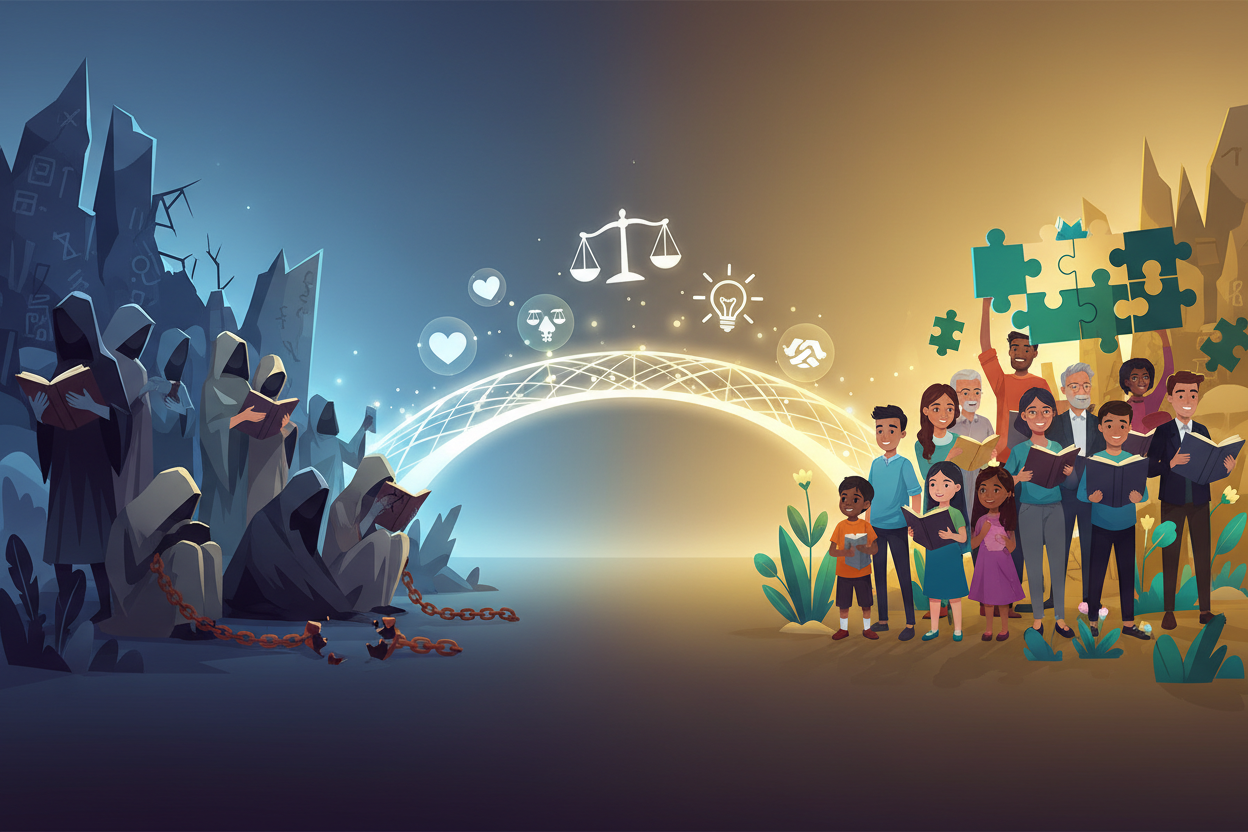
It’s time we address these obstacles head-on and recognize that sexual health education is healthcare education. When we normalize these conversations, we pave the way for healthier communities, reduced stigma, and better outcomes for everyone involved.
The Current State of Sexual Health Education Worldwide
Across the globe, sexual health education varies dramatically in quality, scope, and accessibility. While some countries have embraced comprehensive programs that cover everything from anatomy to consent, others still rely on abstinence-only approaches or avoid the topic altogether.
In many regions, young people receive their first “education” about sexual health from peers, social media, or pornography—sources that are often inaccurate, unrealistic, or potentially harmful. This information gap creates a dangerous cycle where misconceptions spread like wildfire, and individuals make decisions based on incomplete or false information.
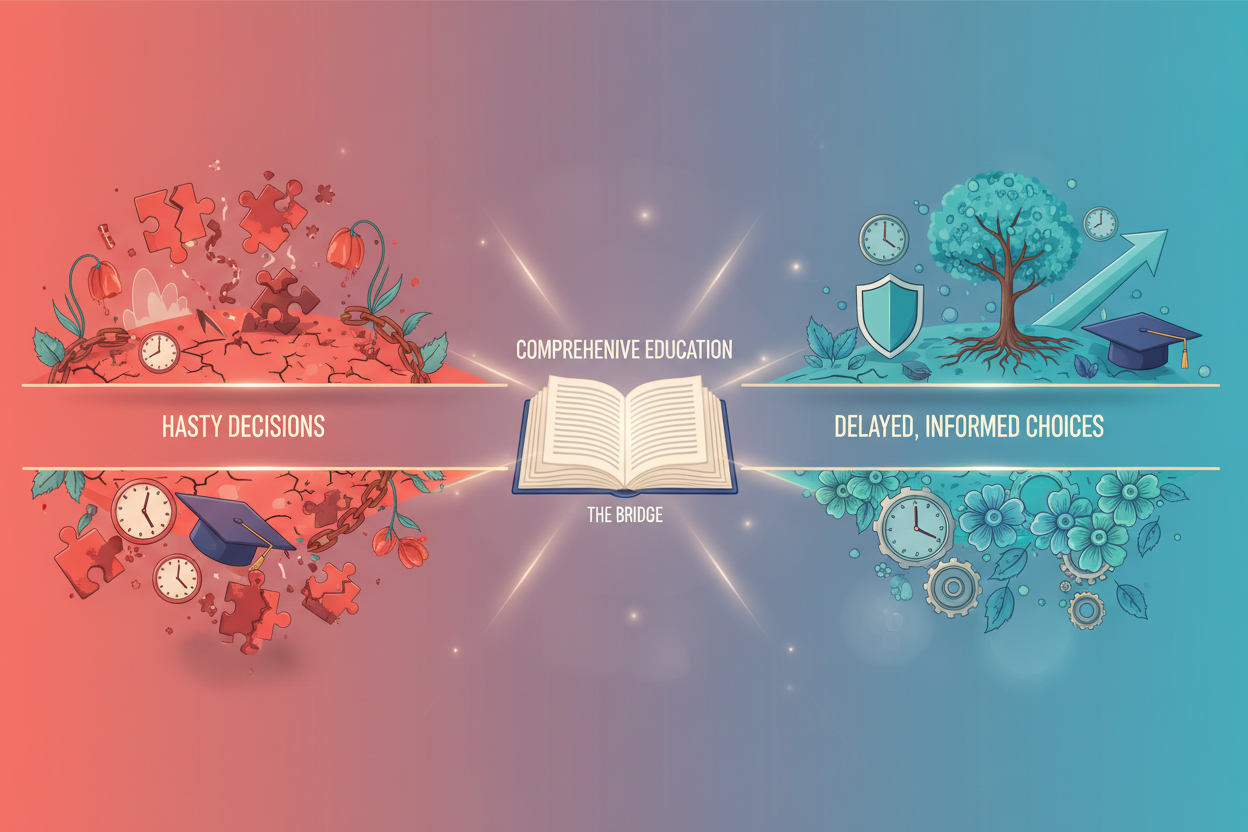
Research consistently shows that countries with robust sexual health education programs experience lower rates of teenage pregnancy, sexually transmitted infections, and sexual violence. These statistics aren’t coincidental—they reflect the power of knowledge and open communication in promoting healthier behaviors and relationships.
Common Taboos That Need to Be Addressed
One of the biggest hurdles in advancing sexual health education is the web of taboos that surround the topic. These cultural and social barriers often stem from religious beliefs, generational differences, or simply discomfort with discussing intimate matters.
Many parents feel unprepared or embarrassed to discuss sexual health with their children, often defaulting to vague warnings or avoiding the conversation entirely. This silence sends a message that sexuality is shameful or dangerous, rather than a natural part of human experience that deserves thoughtful discussion and understanding.
Educational institutions face similar challenges, with administrators and teachers sometimes hesitant to implement comprehensive programs due to potential backlash from parents or community members. This hesitation, while understandable, ultimately deprives students of essential knowledge they need to navigate their relationships and health decisions safely.
The stigma surrounding sexual health also extends to healthcare settings, where patients may feel too embarrassed to ask questions or seek help for sexual health concerns. This reluctance can lead to delayed diagnoses, untreated conditions, and missed opportunities for preventive care.
Debunking Widespread Misconceptions About Sexual Health
Misinformation about sexual health is surprisingly common, even in our information-rich society. These misconceptions can have serious consequences, influencing behavior in ways that increase health risks or create unnecessary anxiety.
One persistent myth is that comprehensive sexual health education encourages promiscuity or early sexual activity. Research actually demonstrates the opposite—young people who receive quality sexual health education tend to delay sexual activity and make safer choices when they do become sexually active.
Another common misconception involves the belief that discussing sexual health is inappropriate for certain age groups. However, age-appropriate sexual health education can begin early with basic concepts about body autonomy and personal safety, gradually expanding to include more complex topics as children mature.
Many people also hold outdated beliefs about sexual health that don’t align with current medical understanding. For instance, some still believe that certain sexual behaviors or orientations are inherently unhealthy, when medical evidence shows that sexual diversity is a normal part of human experience.
The Impact of Poor Sexual Health Education on Society
When sexual health education falls short, the consequences ripple through society in measurable ways. Communities with inadequate programs often see higher rates of unplanned pregnancies, which can impact educational and economic opportunities for young people.
Sexually transmitted infections also tend to be more prevalent in areas where sexual health education is limited or non-existent. These infections don’t just affect individual health—they create public health challenges that require significant resources to address.
Perhaps less obvious but equally important is the impact on relationship quality and mental health. Without proper education about communication, consent, and healthy relationship dynamics, individuals may struggle to form satisfying, respectful partnerships throughout their lives.
The economic costs of inadequate sexual health education are substantial. Healthcare systems bear the burden of treating preventable conditions, while social services support families facing unplanned pregnancies or relationship violence. These costs could be significantly reduced through investment in comprehensive education programs.
Benefits of Comprehensive Sexual Health Education
When implemented effectively, comprehensive sexual health education creates positive outcomes that extend far beyond the classroom. Students who participate in these programs develop better communication skills, stronger self-advocacy abilities, and more respectful attitudes toward others.
These educational approaches also promote gender equality by challenging harmful stereotypes and encouraging mutual respect in relationships. Young people learn that consent is essential, that no means no, and that healthy relationships are built on communication and respect rather than power or control.
From a public health perspective, comprehensive programs lead to delayed sexual debut, increased contraceptive use among sexually active individuals, and reduced rates of sexual violence. These outcomes benefit not just individuals but entire communities by creating safer, healthier environments for everyone.
Mental health improvements are another significant benefit. When young people have accurate information and feel comfortable discussing sexual health topics, they experience less anxiety and shame around their developing sexuality. This comfort translates into better decision-making and healthier relationships throughout their lives.
Strategies for Effective Sexual Health Education
Creating effective sexual health education requires thoughtful planning and community engagement. Successful programs begin with age-appropriate content that evolves as students mature, ensuring that information remains relevant and accessible at each developmental stage.
Inclusive curricula that acknowledge diverse sexual orientations, gender identities, and family structures help all students see themselves reflected in the material. This representation is crucial for creating safe learning environments where every student feels valued and supported.
Teacher training is equally important, as educators need both subject matter expertise and skills for facilitating sensitive discussions. When teachers feel confident and prepared, they can create classroom environments where students feel safe asking questions and exploring complex topics.
Parent and community involvement can transform potential opposition into support. When families understand the goals and benefits of comprehensive sexual health education, they’re more likely to reinforce these messages at home and advocate for continued programming.
The Role of Parents and Communities in Sexual Health Education
While schools play a crucial role in sexual health education, parents and communities are equally important partners in this process. Families serve as the primary source of values and beliefs for young people, making their involvement essential for reinforcing healthy attitudes and behaviors.
Parents who engage in ongoing, age-appropriate conversations about sexual health create environments where children feel comfortable asking questions and seeking guidance. These conversations don’t need to be formal or lengthy—often, brief, honest responses to natural questions are most effective.
Community organizations, healthcare providers, and religious institutions can also contribute by providing resources, hosting educational events, and modeling open, respectful dialogue about sexual health topics. When entire communities embrace these conversations, the stigma begins to fade.
Peer education programs have shown particular promise, as young people often feel more comfortable learning from slightly older peers who can relate to their experiences and concerns. These programs can supplement formal education while providing valuable leadership opportunities for participants.
Moving Forward: Creating a Culture of Openness and Understanding
Breaking down taboos and misconceptions around sexual health education requires sustained effort from individuals, institutions, and communities. Change begins with recognizing that sexual health is simply health—deserving the same attention, resources, and respect as any other aspect of human well-being.
Healthcare providers can lead by example, creating welcoming environments where patients feel comfortable discussing sexual health concerns without judgment. Medical professionals who normalize these conversations help reduce stigma while ensuring that patients receive comprehensive care.
Educational institutions must prioritize evidence-based sexual health curricula, even when facing resistance. By focusing on health outcomes and student well-being, schools can build support for programs that truly serve their communities’ needs.
Media representation also plays a role in shaping attitudes toward sexual health education. When journalists, content creators, and public figures discuss these topics thoughtfully and accurately, they help normalize important conversations while combating misinformation.
Individual actions matter too. When we speak openly and honestly about sexual health in our personal circles, we contribute to cultural change that makes these discussions easier for everyone. Every conversation helps chip away at the barriers that have kept this vital topic in the shadows for too long.
The path forward requires patience, persistence, and a commitment to putting health and well-being above discomfort or tradition. By working together to break down taboos and correct misconceptions, we can create a world where sexual health education is accessible, accurate, and empowering for all.
Frequently Asked Questions
Q: At what age should sexual health education begin?
A: Sexual health education should begin early with age-appropriate concepts. Young children can learn about body parts, personal boundaries, and the difference between appropriate and inappropriate touch. As children grow, the curriculum expands to include puberty, relationships, and eventually more complex topics about sexual health and decision-making.
Q: Does comprehensive sexual health education encourage teens to become sexually active earlier?
A: No, research consistently shows that comprehensive sexual health education actually delays sexual activity. Students who receive quality education are more likely to wait until they’re older and make safer choices when they do become sexually active.
Q: How can parents start conversations about sexual health with their children?
A: Start with natural opportunities like answering questions honestly when they arise. Use correct anatomical terms, keep responses age-appropriate, and create an environment where children feel safe asking questions. Remember that these conversations should be ongoing rather than one-time events.
Q: What should be included in comprehensive sexual health education?
A: Comprehensive programs typically include anatomy and physiology, puberty, healthy relationships, communication skills, consent, contraception, sexually transmitted infections, sexual orientation and gender identity, and decision-making skills. Content is adapted to be age-appropriate at each level.
Q: How can communities overcome resistance to sexual health education programs?
A: Success comes through community engagement, transparent communication about program goals and benefits, involving parents in curriculum development, addressing concerns respectfully, and focusing on health outcomes and student well-being. Sharing research and success stories from other communities can also help build support.
Q: What role do healthcare providers play in sexual health education?
A: Healthcare providers serve as trusted sources of accurate information and can reinforce educational messages. They can also identify gaps in knowledge, provide resources to patients and families, and advocate for comprehensive education programs in their communities.



Leave a Reply