
The Role of Language in Shaping Cultural Identity: How Words Define Who We Are
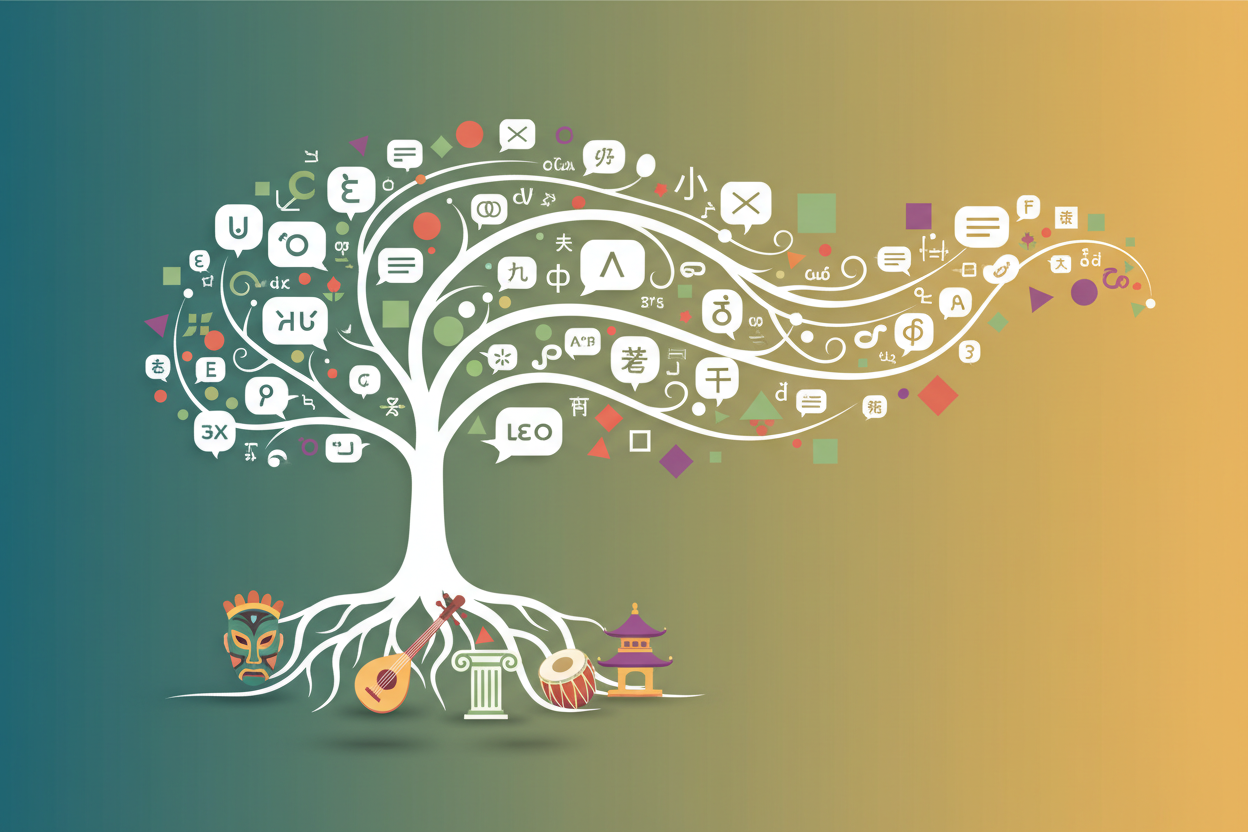
Have you ever noticed how switching between languages can make you feel like a different person? That’s not just your imagination – it’s the profound power of language at work. Language isn’t merely a communication tool; it’s the invisible thread that weaves together the fabric of our cultural identity, shaping how we think, feel, and perceive the world around us.
From the moment we’re born, language begins molding our understanding of reality. It influences everything from our social relationships to our deepest thoughts, creating a unique lens through which we view life. Understanding this connection between language and cultural identity has become increasingly important in our globalized world, where multiple languages and cultures intersect daily.
What Is Cultural Identity and Why Does Language Matter?
Cultural identity encompasses the shared characteristics, values, beliefs, and practices that define a group of people. It’s like a cultural fingerprint that makes each community unique. Language serves as both the vehicle and the vessel for this identity – it carries cultural knowledge from one generation to the next while simultaneously shaping how that culture evolves.
Think about it this way: when you speak your native language, you’re not just using words. You’re accessing a entire worldview that has been refined over centuries. The way your language structures sentences, the concepts it emphasizes, and even the sounds it contains all contribute to your cultural perspective.
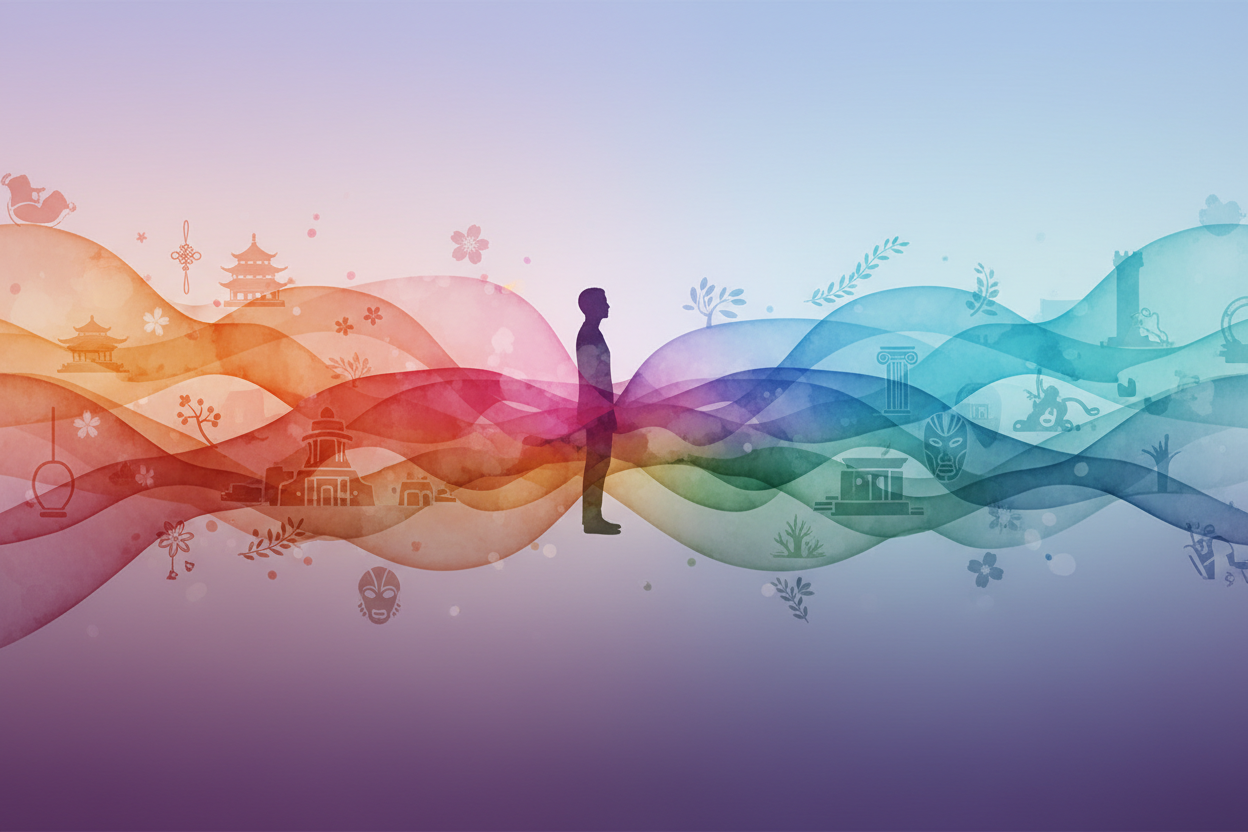
Research in sociolinguistics has consistently shown that language and culture are so intertwined that losing one often means losing the other. This is why language preservation efforts are really cultural preservation efforts in disguise.
How Language Shapes Our Thought Patterns and Worldview
The relationship between language and thought is one of the most fascinating aspects of human psychology. Different languages literally train our brains to think in different ways. For instance, some languages have multiple words for concepts that English treats as singular, forcing speakers to make distinctions that English speakers might never consider.
Consider the Russian language, which has distinct words for light blue and dark blue, treating them as completely separate colors rather than shades of the same color. Russian speakers can actually distinguish between these blues faster than English speakers because their language has trained their brains to see them as fundamentally different.
Similarly, many Indigenous languages have incredibly specific terms for natural phenomena that reflect their deep connection to the environment. The Inuit languages famously have numerous words for different types of snow and ice, each describing specific conditions that are crucial for survival in Arctic environments.
This linguistic diversity doesn’t just affect how we categorize the world – it influences our emotional responses, our problem-solving approaches, and even our sense of time and space. When we speak different languages, we’re essentially switching between different cognitive frameworks.
Language as a Cultural Preservation Tool
Languages serve as living libraries, storing generations of accumulated wisdom, stories, and cultural practices. When elders speak in their native tongue, they’re not just communicating – they’re maintaining a direct link to ancestral knowledge that might otherwise be lost forever.
Traditional stories, proverbs, and cultural teachings often lose their full meaning when translated into other languages. The nuances, wordplay, and cultural references that give these expressions their power simply don’t transfer across linguistic boundaries. This is why many indigenous communities view language revitalization as essential to cultural survival.
Take the Hawaiian language, for example. After decades of decline, community-led efforts to revive Hawaiian have helped preserve not just words, but entire ways of understanding the relationship between humans and nature. Concepts like “aloha” and “ohana” carry cultural meanings that extend far beyond their English translations.
Language preservation efforts often involve more than just teaching vocabulary and grammar. They require transmitting the cultural contexts that give words their full meaning, ensuring that future generations can access their cultural heritage in its original form.
The Impact of Multilingualism on Personal Identity
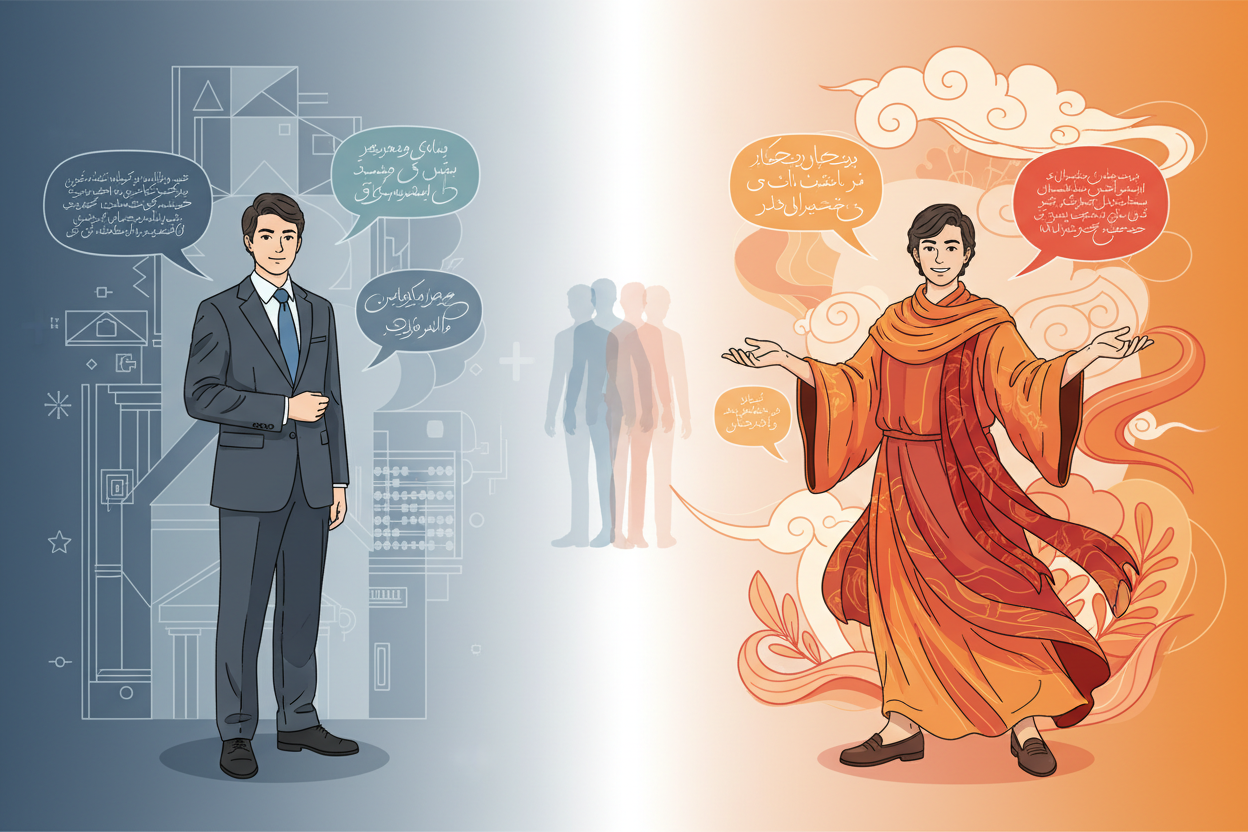
For millions of people worldwide, navigating multiple languages is a daily reality that profoundly shapes their sense of self. Multilingual individuals often report feeling like they have multiple personalities – one for each language they speak. This isn’t just a figure of speech; research suggests that we actually do behave differently when speaking different languages.
When I switch from English to Spanish, for instance, I notice subtle changes in my gestures, my emotional expression, and even my confidence levels. Each language seems to unlock different aspects of my personality, reflecting the cultural contexts in which I learned and use these languages.
This linguistic code-switching can be both enriching and challenging. On one hand, multilingual individuals often develop enhanced cognitive flexibility, cultural sensitivity, and communication skills. They can navigate different cultural contexts with ease and serve as bridges between communities.
On the other hand, the constant shifting between linguistic and cultural frameworks can sometimes create feelings of not fully belonging to any single culture. Many multilingual individuals describe feeling “caught between worlds,” especially when their different languages represent conflicting cultural values or expectations.
Language Evolution and Cultural Change
Languages are living entities that constantly evolve, and as they change, they reflect and drive cultural transformation. New words emerge to describe new concepts, technologies, and social phenomena, while old words may fade away as the realities they described become obsolete.
The digital age has accelerated this process dramatically. Terms like “selfie,” “hashtag,” and “viral” have entered multiple languages, reflecting our shared global digital culture. Meanwhile, social media platforms have created new forms of linguistic expression, from emoji use to character-limited communication styles that influence how we think and express ourselves.
Younger generations often drive linguistic innovation, creating new slang and communication patterns that reflect their unique cultural experiences. These changes can sometimes create generational divides within the same cultural community, as older and younger speakers develop different linguistic habits and cultural references.
Immigration and globalization have also created new hybrid languages and cultural identities. Spanglish, for example, represents more than just code-switching between Spanish and English – it reflects the unique cultural experience of bilingual communities navigating multiple cultural identities simultaneously.
Digital Age Challenges to Linguistic Diversity
While technology has created new opportunities for language learning and cultural exchange, it has also posed significant challenges to linguistic diversity. The dominance of major languages like English, Mandarin, and Spanish on the internet means that smaller languages struggle to maintain relevance in digital spaces.
Many indigenous and minority languages lack digital resources, making it difficult for speakers to use their native languages online. This digital divide can accelerate language loss, particularly among younger generations who spend increasing amounts of time in digital environments.
However, technology also offers unprecedented opportunities for language preservation and revitalization. Digital archives can preserve linguistic resources, language learning apps can reach global audiences, and social media platforms can connect speakers of endangered languages across vast distances.
The key is ensuring that technological development includes rather than excludes linguistic diversity. This requires conscious effort from tech companies, governments, and communities to support multilingual digital environments.
Building Bridges Through Language Understanding
In our interconnected world, understanding the relationship between language and cultural identity is crucial for building meaningful connections across cultural boundaries. When we appreciate how deeply language shapes identity, we can approach cross-cultural communication with greater empathy and effectiveness.
This understanding is particularly important in educational settings, where students from diverse linguistic backgrounds bring different ways of thinking and learning. Teachers who recognize these linguistic differences can create more inclusive learning environments that value and build upon students’ cultural and linguistic assets.
In business contexts, cultural and linguistic awareness can mean the difference between successful international partnerships and costly misunderstandings. Companies that invest in understanding their partners’ linguistic and cultural frameworks often find more effective ways to collaborate and communicate.
Even in our personal relationships, recognizing how language shapes identity can deepen our connections with others. When we understand that someone’s accent, grammar patterns, or communication style reflects their cultural background rather than their intelligence or education level, we can communicate more effectively and compassionately.
Conclusion: Embracing Our Linguistic Heritage
Language is far more than a communication tool – it’s the foundation upon which our cultural identities are built. From shaping our thought patterns to preserving ancestral wisdom, language influences every aspect of who we are and how we understand the world.
As our world becomes increasingly connected, the challenge isn’t to choose between linguistic diversity and global communication. Instead, we must find ways to celebrate and preserve the rich tapestry of human languages while building bridges across cultural boundaries.
Whether you speak one language or many, your linguistic heritage is a valuable part of your identity. By understanding and appreciating the role of language in shaping cultural identity – both your own and others’ – you contribute to a more inclusive and understanding world.
The future of human culture depends on our ability to maintain this linguistic diversity while fostering mutual understanding. Every language that survives, every cultural tradition that continues, and every bridge built across linguistic boundaries strengthens the rich tapestry of human experience.
Frequently Asked Questions
How does speaking multiple languages affect cultural identity?
Speaking multiple languages often creates a multifaceted cultural identity. Multilingual individuals may feel different aspects of their personality emerge with each language, as each language connects them to different cultural contexts, values, and ways of thinking. This can be enriching but may also create feelings of being “between cultures.”
Can learning a new language change your personality?
Research suggests that people often exhibit different personality traits when speaking different languages. This isn’t a fundamental personality change, but rather the activation of different cultural scripts and behavioral patterns associated with each language. You might be more formal in one language and more expressive in another, reflecting the cultural contexts where you learned and use these languages.
Why is language preservation important for cultural identity?
Language preservation is crucial because languages contain unique ways of understanding and categorizing the world. They store cultural knowledge, traditional practices, and worldviews that can’t be fully translated into other languages. When a language disappears, the cultural knowledge and identity it carries often disappears with it.
How does language influence the way we think?
Different languages structure thought in different ways through their vocabulary, grammar, and cultural concepts. For example, languages with multiple words for specific concepts train speakers to make distinctions that speakers of other languages might not notice. This linguistic relativity affects perception, memory, and problem-solving approaches.
What role does technology play in language and cultural identity?
Technology has a dual impact on language and cultural identity. While it can accelerate language loss by favoring dominant languages online, it also offers tools for language preservation, learning, and cultural exchange. Digital platforms can connect speakers of minority languages and provide resources for language revitalization efforts.
How can communities preserve their linguistic heritage?
Communities can preserve linguistic heritage through various methods: documenting languages in digital archives, creating immersion programs for children, developing educational materials in native languages, encouraging intergenerational language transmission, and using technology to create language learning resources. Community involvement and institutional support are key to successful preservation efforts.



Leave a Reply