
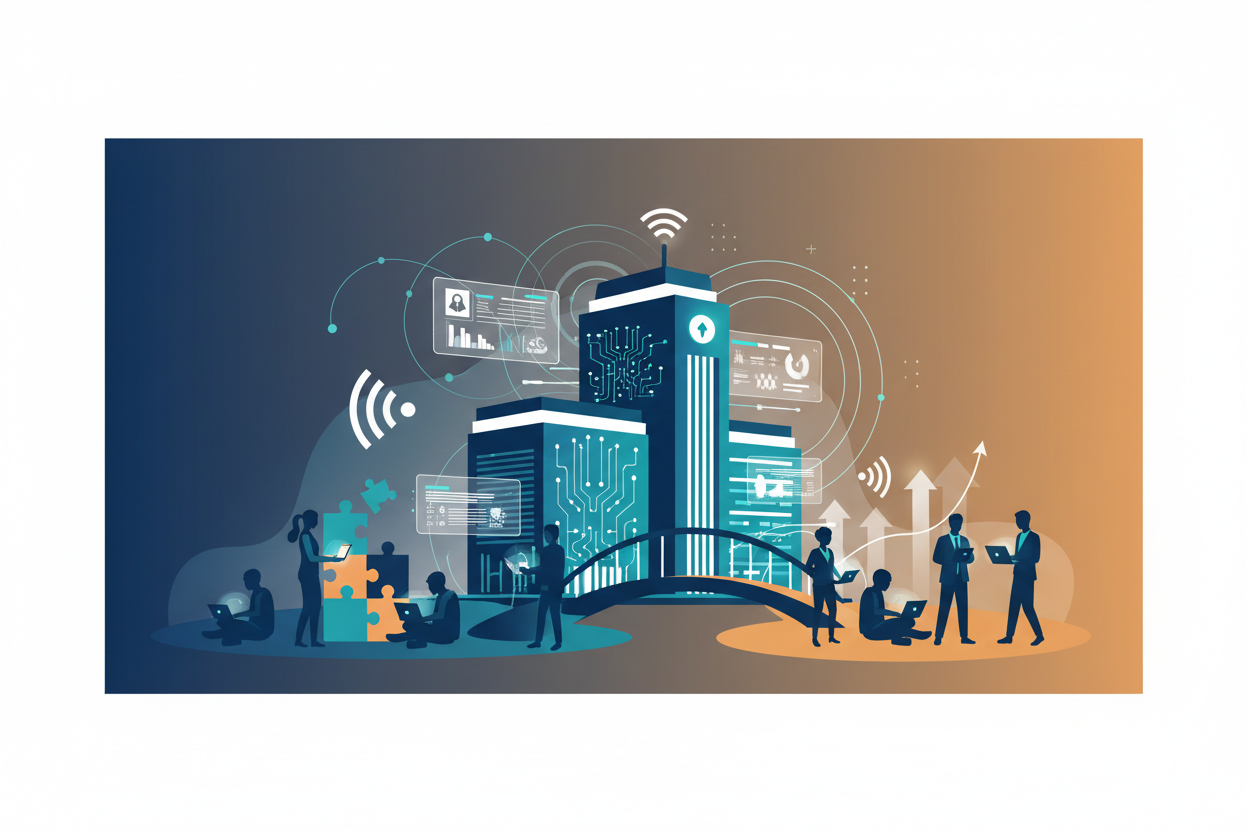
Public Administration Challenges in a Post-Pandemic World: Navigating the New Normal
The COVID-19 pandemic didn’t just change how we live, work, and interact—it fundamentally transformed the landscape of public administration. As governments worldwide scrambled to respond to an unprecedented global crisis, the limitations and strengths of existing administrative systems became glaringly apparent. Now, as we move into the post-pandemic era, public administrators face a complex web of challenges that demand innovative solutions and adaptive thinking.
The pandemic served as both a stress test and a catalyst for change in public administration. While some systems proved resilient and adaptable, others revealed critical weaknesses that need immediate attention. From digital transformation to crisis management, from public health coordination to economic recovery, the challenges facing public administrators today are more diverse and interconnected than ever before.

Digital Transformation and Technology Integration Challenges
Perhaps no challenge has been more pronounced than the urgent need for digital transformation in government operations. The pandemic forced public agencies to rapidly shift to remote work and digital service delivery, often with limited preparation or resources. This hasty transition exposed significant gaps in technological infrastructure and digital literacy across government departments.
Many public administrators found themselves grappling with outdated systems that couldn’t handle increased digital demands. Citizens expecting seamless online services—similar to what they experience with private companies—were often met with clunky government websites, slow processing times, and limited digital options. The digital divide became particularly apparent as vulnerable populations struggled to access essential services online.
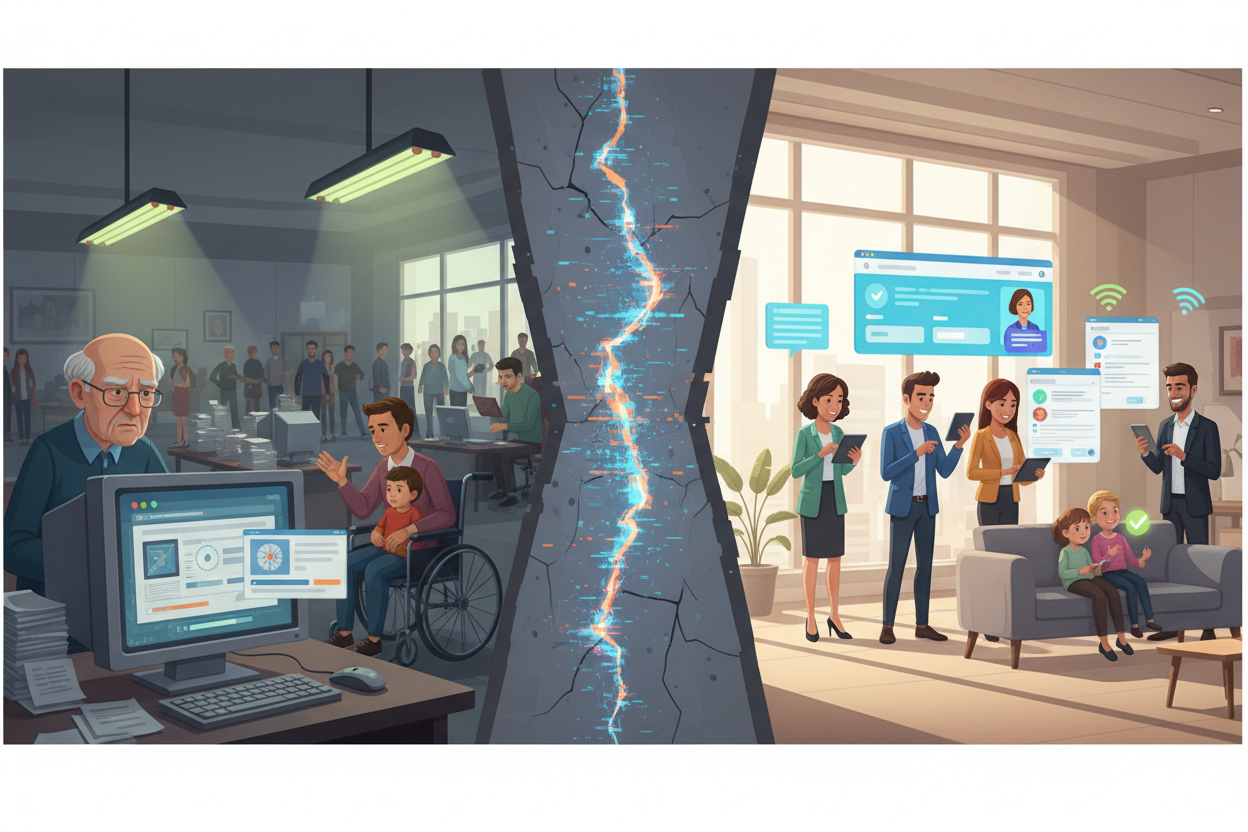
Moving forward, public administrators must prioritize comprehensive digital transformation strategies that go beyond quick fixes. This includes investing in modern IT infrastructure, training staff in digital tools, and designing user-friendly platforms that serve all citizens effectively. The challenge lies in balancing speed of implementation with security concerns and budget constraints.
Remote Work and Workforce Management Issues
The sudden shift to remote work caught many government agencies off guard, revealing significant challenges in workforce management and productivity maintenance. Unlike private sector companies that had already begun experimenting with flexible work arrangements, many government departments were traditionally office-bound with paper-heavy processes.
Public administrators now face the complex task of creating hybrid work models that maintain government efficiency while accommodating employee preferences for flexibility. This involves rethinking performance management systems, ensuring cybersecurity in distributed work environments, and maintaining team cohesion across virtual spaces.
The challenge extends beyond logistics to cultural transformation. Government work culture, often characterized by hierarchical structures and in-person supervision, must evolve to embrace trust-based management and outcome-focused performance metrics. Additionally, administrators must ensure that remote work doesn’t compromise public service quality or accessibility.
Crisis Management and Emergency Preparedness
The pandemic highlighted critical gaps in crisis management and emergency preparedness across all levels of government. Many public administrators found themselves coordinating responses to a crisis for which there were no established playbooks, leading to inconsistent policies, communication breakdowns, and resource allocation challenges.
One of the most significant lessons learned was the importance of inter-agency coordination and clear communication channels. The pandemic required unprecedented collaboration between health departments, emergency management agencies, economic development offices, and education departments. However, many discovered that their existing coordination mechanisms were inadequate for such a complex, multi-faceted crisis.
Moving forward, public administrators must develop more robust emergency preparedness frameworks that account for various crisis scenarios. This includes creating flexible response protocols, establishing clear communication hierarchies, and building redundancy into critical systems. The challenge is developing plans that are comprehensive enough to be effective yet flexible enough to adapt to unforeseen circumstances.
Public Health System Coordination
The pandemic exposed significant weaknesses in public health system coordination, particularly at the intersection of federal, state, and local government responsibilities. Public administrators struggled with unclear jurisdictional boundaries, inconsistent data sharing protocols, and varying levels of public health capacity across different regions.
Contact tracing efforts, for example, revealed how fragmented public health systems had become. Many local health departments lacked the technological infrastructure and human resources necessary to effectively track and contain virus spread. The challenge was compounded by inconsistent data standards and limited interoperability between different health information systems.
Public administrators must now work to strengthen public health infrastructure while improving coordination mechanisms between different levels of government. This includes standardizing data collection and sharing protocols, investing in public health workforce development, and creating more resilient supply chain management systems for medical supplies and equipment.
Economic Recovery and Resource Allocation
The economic disruption caused by the pandemic created unprecedented challenges for public administrators managing economic recovery efforts. Governments at all levels faced the dual challenge of increased demand for services while dealing with reduced revenue streams from business closures and unemployment.
Public administrators found themselves managing complex economic relief programs while trying to maintain essential services with reduced budgets. The challenge was further complicated by the need to ensure equitable distribution of resources while preventing fraud and misuse of emergency funds.
The post-pandemic economic recovery requires public administrators to think creatively about resource allocation and economic development strategies. This includes supporting small businesses, addressing unemployment, and investing in infrastructure projects that can stimulate economic growth while building resilience for future crises.
Citizen Engagement and Communication Strategies
The pandemic fundamentally changed how governments communicate with citizens and manage public engagement. Public administrators had to rapidly develop new communication strategies to share critical health information, policy updates, and service changes with diverse populations.
One of the biggest challenges was combating misinformation while maintaining public trust. Public administrators found themselves competing with social media rumors and conspiracy theories, requiring them to develop more sophisticated communication strategies that could reach citizens through multiple channels and in culturally appropriate ways.
The shift to virtual public meetings and digital engagement platforms also created new barriers for some community members while opening opportunities for others. Public administrators must now develop inclusive engagement strategies that leverage digital tools while ensuring that all citizens can meaningfully participate in democratic processes.
Building Resilient Administrative Systems
The pandemic taught public administrators the critical importance of building resilient systems that can adapt to unexpected challenges. This goes beyond emergency preparedness to encompass fundamental changes in how government operations are designed and managed.
Resilient administrative systems require redundancy in critical functions, cross-training of staff, and flexible policies that can be quickly adapted to changing circumstances. Public administrators must also build stronger partnerships with private sector organizations, non-profits, and community groups to create more comprehensive response capabilities.
The challenge lies in balancing efficiency with resilience. While streamlined operations may be more cost-effective in normal times, the pandemic showed the value of maintaining some redundancy and flexibility in government systems. Public administrators must find ways to build resilience without creating unnecessary bureaucracy or waste.
Looking Ahead: Strategies for Success
As we move further into the post-pandemic era, public administrators must embrace continuous learning and adaptation. The challenges identified during the pandemic are not temporary issues to be solved and forgotten—they represent fundamental shifts in how government operates and serves citizens.
Success in addressing these challenges requires a commitment to innovation, collaboration, and citizen-centered service delivery. Public administrators must be willing to experiment with new approaches, learn from failures, and adapt quickly to changing circumstances. This includes investing in staff development, embracing new technologies, and building stronger partnerships across sectors.
Most importantly, public administrators must maintain focus on their core mission of serving the public interest while adapting to new realities. The pandemic may have created new challenges, but it also created opportunities to build more effective, responsive, and resilient government systems.
Conclusion
The post-pandemic world presents public administrators with a complex array of challenges that require innovative thinking and adaptive solutions. From digital transformation to crisis management, from workforce development to citizen engagement, the scope of these challenges is both daunting and exciting.
While the pandemic exposed significant weaknesses in government systems, it also demonstrated the dedication and adaptability of public servants working to serve their communities under extraordinary circumstances. The lessons learned during this crisis provide a valuable foundation for building stronger, more resilient administrative systems.
Success in addressing these challenges will require sustained commitment from public administrators, policymakers, and citizens alike. By embracing innovation while maintaining focus on core public service values, government agencies can emerge from this crisis stronger and better equipped to serve their communities in an increasingly complex world.
The path forward isn’t easy, but it’s filled with opportunities to create more effective, efficient, and equitable government systems. Public administrators who embrace these challenges with creativity and determination will play a crucial role in shaping the future of democratic governance.
Frequently Asked Questions
What are the biggest challenges facing public administrators in the post-pandemic world?
The biggest challenges include digital transformation and technology integration, managing remote and hybrid workforces, improving crisis management and emergency preparedness, strengthening public health system coordination, managing economic recovery efforts, developing effective citizen engagement strategies, and building more resilient administrative systems.
How has the pandemic changed citizen expectations of government services?
Citizens now expect government services to be more accessible digitally, with faster processing times and user-friendly interfaces similar to private sector services. They also expect more transparent communication, better crisis response coordination, and more flexible service delivery options that accommodate different needs and circumstances.
What role does technology play in addressing post-pandemic public administration challenges?
Technology is central to addressing many post-pandemic challenges. It enables remote work capabilities, improves service delivery through digital platforms, enhances data sharing and coordination between agencies, supports better communication with citizens, and provides tools for more effective crisis management and emergency response.
How can public administrators improve inter-agency coordination?
Improving inter-agency coordination requires establishing clear communication protocols, developing shared data standards and systems, creating regular coordination meetings and joint planning processes, defining roles and responsibilities clearly, and investing in technology platforms that enable better information sharing and collaboration.
What strategies can help build more resilient government systems?
Building resilient systems involves creating redundancy in critical functions, cross-training staff across different roles, developing flexible policies that can adapt to changing circumstances, building stronger partnerships with external organizations, investing in robust IT infrastructure, and maintaining emergency reserves and contingency plans.
How should public administrators balance efficiency with resilience?
Balancing efficiency with resilience requires careful analysis of which functions need redundancy versus those that can operate with streamlined processes. It involves investing in flexible systems that can scale up or down as needed, maintaining core capabilities while outsourcing non-essential functions, and regularly reviewing and updating operational procedures based on lessons learned from past experiences.


Leave a Reply