
Understanding Asexuality: Breaking Down Myths and Facts
In a world where sexuality is often discussed in binary terms, asexuality remains one of the most misunderstood orientations. Despite affecting an estimated 1% of the population, asexuality continues to be shrouded in misconceptions and myths that can leave both asexual individuals and their loved ones feeling confused or isolated. Today, we’re diving deep into what asexuality really means, debunking common myths, and exploring the facts that everyone should know about this valid sexual orientation.
Whether you’re questioning your own sexuality, supporting a loved one, or simply seeking to become a better ally, understanding asexuality is crucial in our increasingly diverse world. Let’s break down the barriers of misunderstanding and create a more inclusive conversation about human sexuality.
What Is Asexuality? Defining the Basics
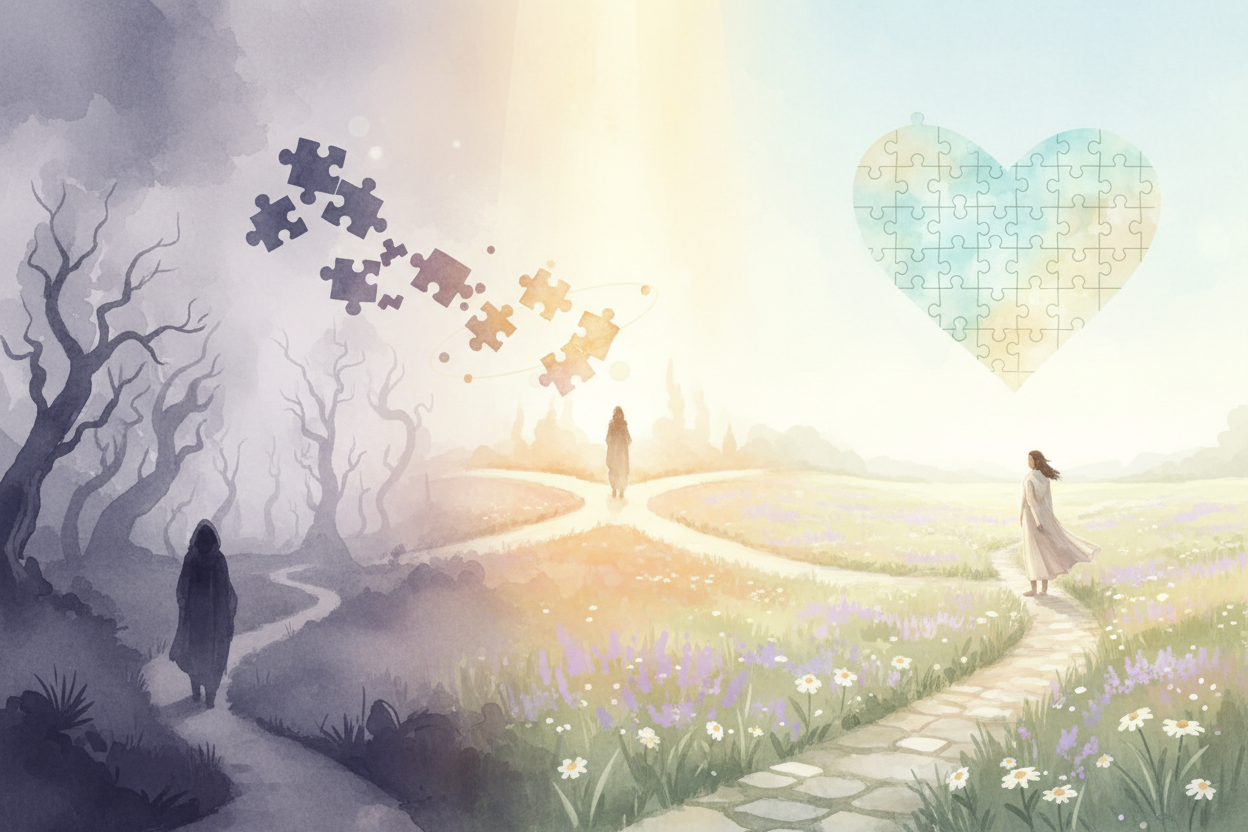
Asexuality, often abbreviated as “ace,” refers to a sexual orientation characterized by a lack of sexual attraction to others, regardless of gender. It’s important to note that asexuality exists on a spectrum, and individuals may experience it differently. Some asexual people may feel no sexual attraction whatsoever, while others might experience it rarely or only under specific circumstances.
The asexual spectrum, or “ace spectrum,” includes various identities such as demisexual (experiencing sexual attraction only after forming a strong emotional bond) and graysexual (experiencing sexual attraction rarely or with low intensity). This diversity within asexuality itself demonstrates that human sexuality is far more complex than many people realize.
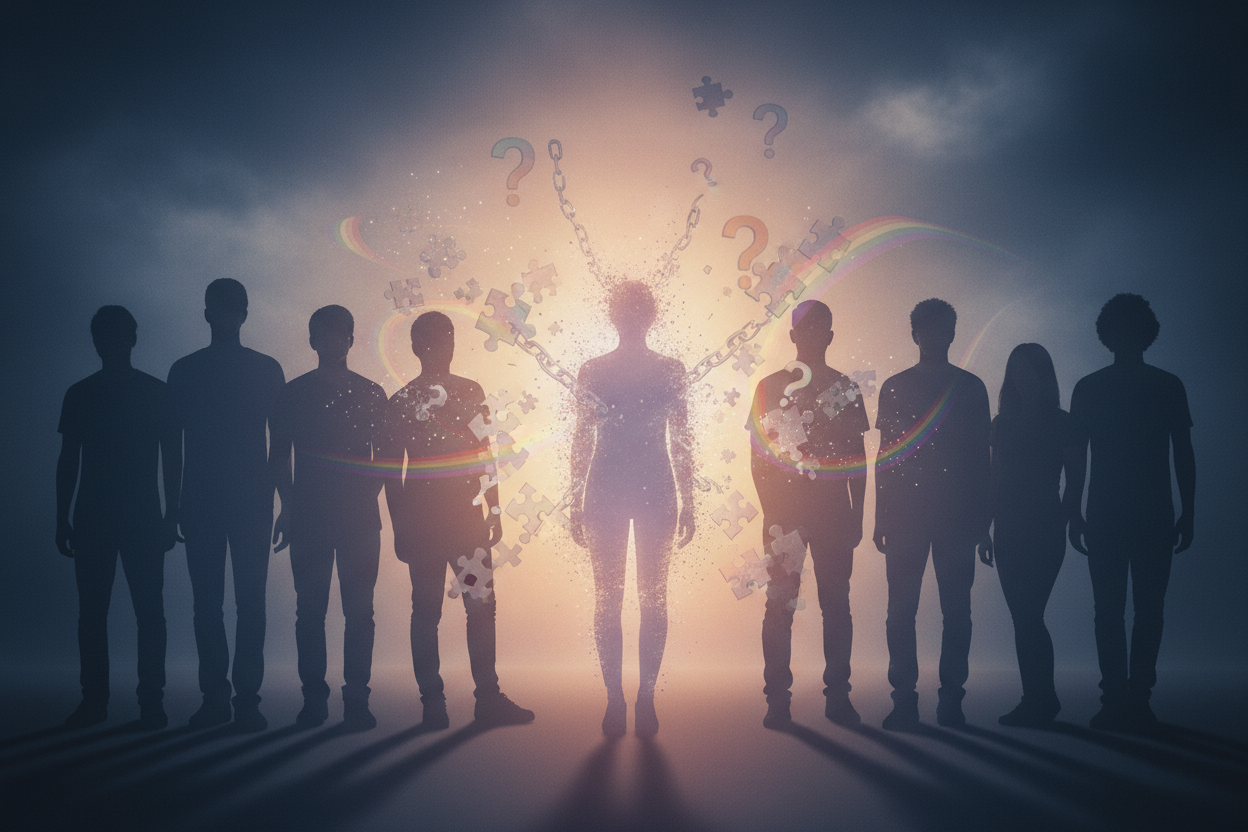
Dr. Anthony Bogaert, a leading researcher in asexuality studies, has conducted extensive research showing that asexuality is a distinct sexual orientation, not a disorder or phase. His work has been instrumental in helping both the scientific community and the general public understand that asexuality is a natural variation of human sexuality.
Common Myths About Asexuality Debunked
Myth 1: Asexuality Is Just a Phase
One of the most harmful misconceptions about asexuality is that it’s temporary or something people will “grow out of.” This myth dismisses the lived experiences of asexual individuals and suggests that their orientation isn’t valid or permanent. Research and personal testimonies from asexual people consistently show that asexuality is a stable orientation that can last throughout a person’s life.
Many asexual individuals report knowing they were different from a young age, long before they had the vocabulary to describe their experiences. Just as other sexual orientations aren’t phases, asexuality deserves the same recognition and respect.
Myth 2: Asexual People Don’t Want Relationships
This misconception confuses sexual attraction with romantic attraction. Many asexual people desire and maintain loving, committed relationships. They may identify as heteroromantic, homoromantic, biromantic, or panromantic, indicating their capacity for romantic attraction to specific genders.
Asexual individuals can experience deep emotional connections, fall in love, get married, and build families. Their relationships might look different from those of sexual people, but they’re no less meaningful or fulfilling.
Myth 3: Asexuality Is Caused by Trauma or Medical Issues
While trauma or medical conditions can sometimes affect sexual desire, asexuality is not inherently linked to either. Many asexual people have no history of trauma and are in perfect physical health. This myth pathologizes asexuality and suggests that it needs to be “fixed,” which is both harmful and incorrect.
It’s crucial to distinguish between asexuality as an orientation and temporary changes in sexual desire due to external factors. Asexual individuals typically report consistent patterns of little to no sexual attraction throughout their lives.
Myth 4: Asexual People Are Just Celibate or Have Low Libido
Celibacy is a choice to abstain from sexual activity, while asexuality is an orientation involving lack of sexual attraction. These are fundamentally different concepts. Some asexual people may choose to be celibate, while others may engage in sexual activity for various reasons, including pleasing a partner or wanting children.
Similarly, libido (sex drive) and sexual attraction are separate concepts. Some asexual people have high libidos but don’t direct that sexual energy toward other people. They might satisfy their libido through masturbation without experiencing sexual attraction to others.
The Science Behind Asexuality
Scientific research on asexuality has grown significantly over the past two decades, providing valuable insights into this orientation. Studies using brain imaging have shown that asexual individuals process sexual stimuli differently than sexual people, suggesting neurobiological differences that support asexuality as a distinct orientation.
Research has also explored potential correlations between asexuality and other traits. Some studies suggest that asexual people may be more likely to be left-handed or have certain birth order patterns, though these correlations are still being investigated and don’t apply to all asexual individuals.
Importantly, the scientific community has moved away from viewing asexuality as a disorder. The DSM-5, the standard manual for mental health professionals, specifically notes that lack of sexual attraction should not be diagnosed as a sexual dysfunction if it doesn’t cause distress to the individual.
Types of Asexuality and the Ace Spectrum
Understanding the diversity within asexuality helps create a more complete picture of this orientation. The ace spectrum includes several identities that describe different experiences of sexual attraction:
Demisexuality involves experiencing sexual attraction only after forming a strong emotional bond with someone. Demisexual individuals might not feel sexually attracted to anyone until they develop deep feelings for a specific person.
Graysexuality, or gray-asexuality, describes experiencing sexual attraction rarely, weakly, or only under specific circumstances. Gray-asexual people fall somewhere between asexual and sexual, experiencing attraction more than typical asexual people but less than typical sexual people.
Some individuals identify as cupiosexual, meaning they don’t experience sexual attraction but still desire sexual relationships. Others might be lithosexual, experiencing sexual attraction that diminishes when reciprocated.
These variations highlight that sexuality exists on a continuum, and rigid categories don’t always capture the full range of human experience.
Challenges Faced by the Asexual Community
Despite growing awareness, asexual people continue to face unique challenges in society. Invisibility remains a significant issue, as asexuality is often overlooked in discussions about LGBTQ+ rights and experiences. This invisibility can lead to feelings of isolation and difficulty finding community and support.
Many asexual individuals struggle with validation, both from others and internally. In a culture that often equates sexual desire with being human, asexual people may question whether their experiences are valid or normal. This self-doubt can be particularly challenging during adolescence and young adulthood.
Healthcare can also present challenges for asexual people. Medical professionals may not understand asexuality or might pathologize it, leading to inappropriate treatment recommendations or dismissal of the patient’s self-identification.
In relationships, asexual individuals may face pressure to engage in sexual activity or may struggle to find compatible partners who understand and respect their orientation. Communication becomes crucial in navigating these relationship dynamics.
Supporting Asexual Friends and Family Members
If someone in your life has shared that they’re asexual, your support can make a tremendous difference in their well-being. The first step is believing them and validating their experience. Avoid suggesting that it’s a phase or that they haven’t met the right person yet.
Educate yourself about asexuality through reputable sources rather than asking your loved one to constantly explain their orientation. This shows respect for their time and energy while demonstrating your commitment to understanding.
Be patient with the process. Your loved one might still be figuring out their identity or where they fall on the ace spectrum. Support them in their journey of self-discovery without pressuring them to have all the answers immediately.
Consider the language you use when discussing relationships and sexuality. Avoid assumptions that everyone experiences sexual attraction or that sexual relationships are superior to non-sexual ones.
Building Awareness and Acceptance
Creating a more inclusive society for asexual people requires ongoing education and advocacy. Schools, workplaces, and healthcare settings can benefit from training that includes information about asexuality and the ace spectrum.
Media representation plays a crucial role in building awareness. When asexual characters are portrayed accurately and respectfully in books, movies, and television shows, it helps normalize asexuality and provides representation for ace individuals who may have never seen themselves reflected in media.
Supporting organizations that advocate for asexual rights and visibility can also make a meaningful impact. Groups like the Asexual Visibility and Education Network (AVEN) work tirelessly to educate the public and support asexual individuals worldwide.
Simple actions like using inclusive language, not making assumptions about others’ sexuality, and speaking up when you hear misconceptions about asexuality can contribute to a more accepting environment for everyone.
Conclusion
Understanding asexuality requires us to expand our perspectives on human sexuality and recognize the beautiful diversity that exists within our communities. By debunking myths and embracing facts, we can create a world where asexual individuals feel seen, understood, and valued for who they are.
Asexuality is not a disorder, a phase, or a choice to be celibate. It’s a valid sexual orientation that affects millions of people worldwide. As we continue to learn and grow in our understanding of human sexuality, it’s essential that we include asexual voices and experiences in these conversations.
Whether you’re asexual yourself, supporting someone who is, or simply seeking to be a better ally, remember that every step toward understanding and acceptance makes a difference. By fostering open, respectful dialogue about asexuality, we contribute to a more inclusive society where everyone can live authentically and without shame.
The journey toward full acceptance and understanding of asexuality is ongoing, but with continued education, advocacy, and support, we can build a world where every person’s sexuality is respected and celebrated.
Frequently Asked Questions
Q: Can asexual people fall in love?
A: Yes, many asexual people experience romantic attraction and can fall deeply in love. Asexuality refers specifically to sexual attraction, not romantic feelings. Asexual individuals can have fulfilling romantic relationships and may identify with various romantic orientations.
Q: Do asexual people ever have sex?
A: Some asexual people choose to have sex for various reasons, including pleasing a partner, wanting children, or curiosity. Having sex doesn’t make someone less asexual, just as not having sex doesn’t make someone more asexual. The key factor is the lack of sexual attraction, not sexual behavior.
Q: Is asexuality the same as being aromantic?
A: No, asexuality and aromanticism are different orientations. Asexuality refers to lack of sexual attraction, while aromanticism refers to lack of romantic attraction. Some people are both asexual and aromantic, while others may be asexual but still experience romantic attraction.
Q: How common is asexuality?
A: Research suggests that approximately 1% of the population identifies as asexual, though this number may be higher as awareness and acceptance increase. Some studies have found higher percentages, and the actual number may vary depending on how asexuality is defined and measured.
Q: Can someone become asexual later in life?
A: While some people may not realize they’re asexual until later in life, asexuality itself typically isn’t something that develops suddenly. Many asexual people report always feeling different but not having the language to describe their experiences until they learned about asexuality. However, sexual attraction can change over time for various reasons, and some people may find that asexual labels fit their experiences at different life stages.