
The Psychology of Criminal Behavior: What Drives People to Crime?
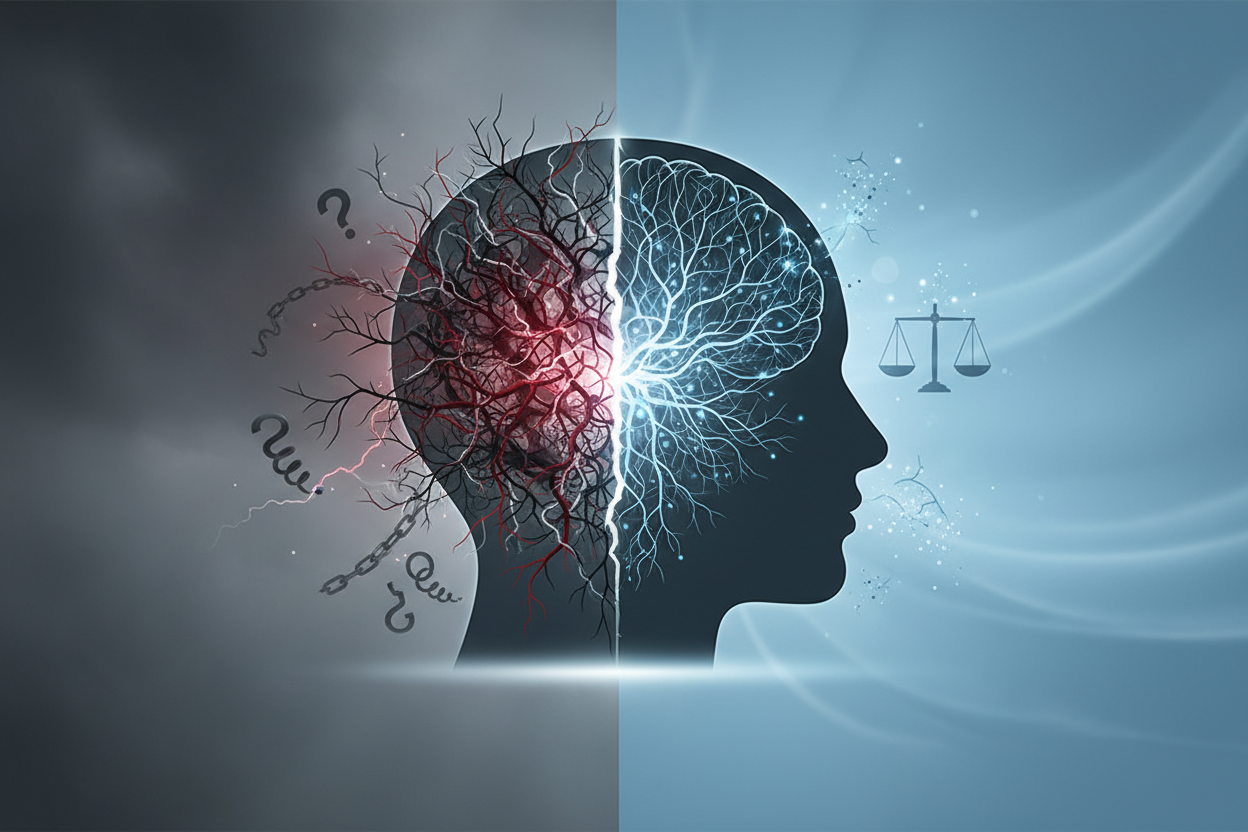
Have you ever wondered what goes through someone’s mind before they commit a crime? It’s a question that has puzzled psychologists, criminologists, and society as a whole for centuries. The truth is, there’s no simple answer to why people turn to criminal behavior. It’s a complex web of psychological, social, and environmental factors that can push an individual down a dark path.
Understanding criminal psychology isn’t just academic curiosity—it’s crucial for developing effective prevention strategies, rehabilitation programs, and creating safer communities. When we dig deeper into the human psyche and examine what drives criminal behavior, we begin to see patterns that can help us address crime at its roots rather than just dealing with its consequences.
The Biological Foundation of Criminal Behavior
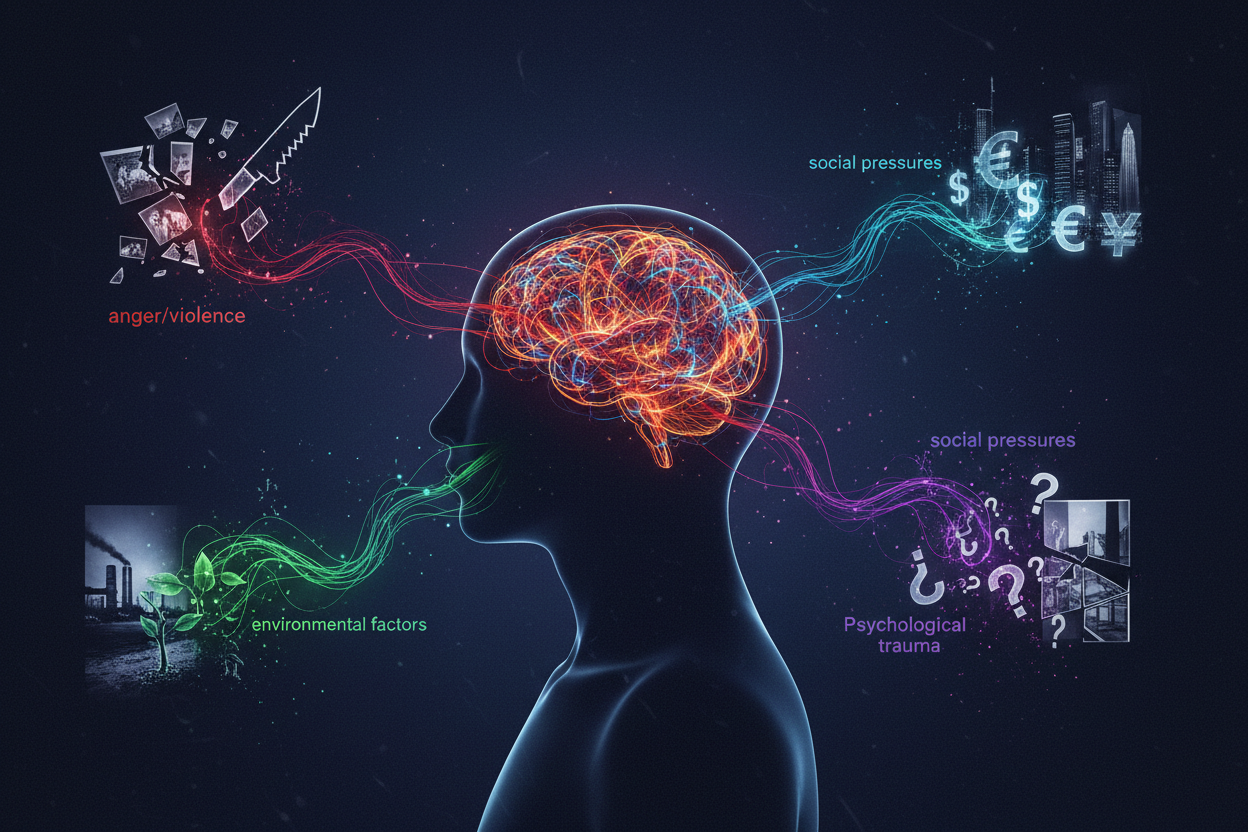
Recent advances in neuroscience have revealed fascinating insights about how our brains influence criminal behavior. Research shows that certain brain abnormalities, particularly in areas responsible for impulse control and decision-making, can predispose individuals to antisocial behavior.
The prefrontal cortex, often called the brain’s “CEO,” plays a crucial role in regulating our impulses and moral reasoning. When this area is damaged or underdeveloped, individuals may struggle with controlling aggressive tendencies or understanding the consequences of their actions. Studies have found that many violent criminals show reduced activity in this brain region.
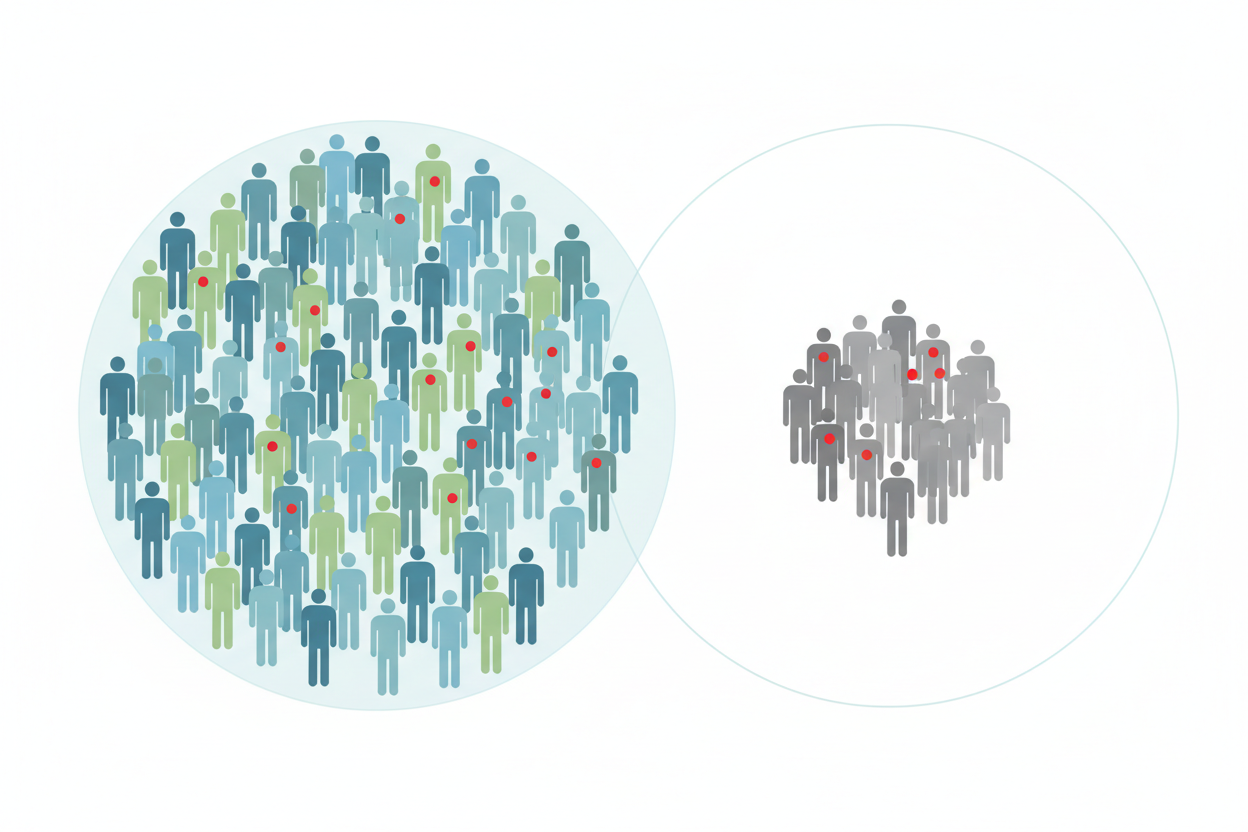
Genetics also play a role, though it’s important to note that having certain genetic markers doesn’t doom someone to a life of crime. Instead, these biological factors create vulnerabilities that, when combined with environmental stressors, can increase the likelihood of criminal behavior. Think of it as loading the dice rather than determining the outcome entirely.
Psychological Factors That Influence Criminal Minds
Mental health disorders significantly impact criminal behavior patterns. Antisocial personality disorder, characterized by a persistent disregard for others’ rights and social norms, is found in a disproportionate number of criminals. However, it’s crucial to understand that most people with mental health conditions are not criminals—in fact, they’re more likely to be victims of crime than perpetrators.
Childhood trauma creates lasting psychological scars that can manifest as criminal behavior later in life. Abuse, neglect, and witnessing violence can disrupt normal emotional development, leading to problems with attachment, empathy, and emotional regulation. These individuals may turn to crime as a way to exert control over their environment or as a learned response to conflict.
Substance abuse disorders also play a significant role in criminal behavior. Drugs and alcohol can impair judgment, lower inhibitions, and create desperate situations where individuals commit crimes to feed their addiction. The relationship between substance abuse and crime creates a vicious cycle that’s difficult to break without comprehensive treatment.
Environmental and Social Influences on Criminal Development
Where and how we grow up profoundly shapes our worldview and behavior patterns. Poverty doesn’t directly cause crime, but it creates conditions that can foster criminal behavior. Limited opportunities, inadequate education, and constant stress can make illegal activities seem like viable alternatives to conventional paths to success.
Family dynamics play a crucial role in shaping criminal behavior. Children who grow up in homes with inconsistent discipline, lack of supervision, or criminal role models are more likely to develop antisocial behaviors. Conversely, strong family bonds and positive role models can protect against criminal influences even in challenging environments.
Peer influence becomes particularly powerful during adolescence when young people are forming their identities. Gang membership often provides a sense of belonging and protection that may be missing from other areas of their lives, but it also normalizes violence and criminal activity as acceptable problem-solving methods.
The Role of Cognitive Distortions in Criminal Thinking
Criminal behavior often involves distorted thinking patterns that allow individuals to justify their actions. These cognitive distortions act as mental filters that twist reality to support criminal choices while minimizing guilt and responsibility.
Common thinking errors include minimization (“It wasn’t that bad”), externalization (“They made me do it”), and entitlement (“I deserve this”). Criminals might also engage in victim blaming, convincing themselves that their targets somehow deserved what happened to them. These thought patterns don’t develop overnight—they’re often reinforced through repeated experiences and social interactions.
Understanding these cognitive distortions is essential for rehabilitation efforts. Effective treatment programs work to identify and challenge these thinking patterns, helping individuals develop more realistic and prosocial ways of interpreting their experiences and making decisions.
Different Types of Criminal Motivations
Not all crimes stem from the same motivations, and understanding these differences is crucial for both prevention and treatment. Economic crimes often arise from perceived necessity or opportunity. Someone facing financial desperation might see theft or fraud as their only option, while others might be motivated by greed or the thrill of easy money.
Crimes of passion typically involve strong emotions overwhelming rational thought. These incidents often occur during heated arguments or moments of intense jealousy, fear, or anger. The perpetrators might have no prior criminal history and may be genuinely horrified by their actions afterward.
Power and control motivations drive many violent crimes, including domestic violence and sexual assault. These crimes aren’t really about the immediate act but about exerting dominance over another person. Understanding this motivation is crucial for developing effective intervention strategies.
Some individuals are motivated by thrill-seeking or the excitement of breaking rules. These crimes might seem senseless to others because the risk often outweighs any potential benefit, but for the perpetrator, the adrenaline rush itself is the reward.
The Impact of Trauma and Adverse Childhood Experiences
The connection between childhood trauma and adult criminal behavior is one of the most well-documented findings in criminal psychology. Adverse Childhood Experiences (ACEs) including physical abuse, sexual abuse, emotional neglect, and household dysfunction significantly increase the likelihood of future criminal involvement.
Trauma affects brain development, particularly in areas responsible for stress regulation and decision-making. Children who experience chronic stress may develop hypervigilant survival responses that serve them well in dangerous environments but become problematic in normal social situations.
Many criminals are themselves victims who never received appropriate help or intervention. This doesn’t excuse their behavior, but it helps explain how cycles of violence perpetuate across generations. Breaking these cycles requires comprehensive approaches that address both the criminal behavior and the underlying trauma.
Prevention and Intervention Strategies
Understanding criminal psychology opens doors to more effective prevention strategies. Early intervention programs that identify at-risk youth and provide support, mentoring, and positive opportunities have shown remarkable success in preventing criminal careers before they start.
Community-based programs that address root causes like poverty, education gaps, and lack of opportunity are essential for long-term crime reduction. These initiatives work to strengthen the social fabric and provide legitimate pathways to success and recognition.
Treatment programs that address both criminal behavior and underlying issues like mental health disorders, substance abuse, and trauma show the most promise for reducing recidivism. Cognitive-behavioral therapy, in particular, has proven effective in helping criminals develop healthier thinking patterns and coping strategies.
Conclusion
The psychology of criminal behavior is far more complex than simple good versus evil narratives. It involves an intricate interplay of biological vulnerabilities, psychological factors, environmental influences, and social conditions. While this complexity can seem overwhelming, it also provides hope.
By understanding what drives people to crime, we can develop more effective prevention strategies, create more humane and successful rehabilitation programs, and build communities that support positive choices. The goal isn’t to excuse criminal behavior but to understand it well enough to prevent it and help those who have gone down criminal paths find their way back to productive, law-abiding lives.
Every person who commits a crime was once a child with hopes and dreams. Understanding criminal psychology helps us see both the humanity in those who have made terrible choices and the potential for redemption and change that exists in everyone.
Frequently Asked Questions
Q: Are people born criminals, or is criminal behavior learned?
A: Criminal behavior is not predetermined by genetics. While some biological factors may create vulnerabilities, criminal behavior is primarily learned through environmental experiences, social influences, and psychological development. Most experts agree that it’s the interaction between biological predispositions and environmental factors that shapes criminal behavior.
Q: Do all criminals have mental health issues?
A: No, not all criminals have diagnosable mental health conditions. While mental health issues are more common among criminal populations than in the general public, many criminals have no mental health disorders. It’s also important to note that the vast majority of people with mental health conditions are not criminals.
Q: Can criminal behavior be successfully treated?
A: Yes, many forms of criminal behavior can be successfully treated, especially when comprehensive approaches address underlying causes like trauma, substance abuse, and thinking patterns. However, success depends on factors like the individual’s motivation to change, the type of crime, and access to appropriate treatment resources.
Q: What role does poverty play in criminal behavior?
A: Poverty doesn’t directly cause crime, but it creates conditions that can increase criminal behavior risk. These include limited opportunities, chronic stress, inadequate education, and exposure to violence. However, most people living in poverty are law-abiding citizens, showing that poverty alone doesn’t determine criminal behavior.
Q: How does childhood trauma lead to adult criminal behavior?
A: Childhood trauma can disrupt normal brain development, particularly in areas responsible for emotional regulation and decision-making. It can also lead to problems with attachment, trust, and coping skills. However, not everyone who experiences trauma becomes a criminal—protective factors like supportive relationships and intervention can help prevent this outcome.
Q: Is rehabilitation more effective than punishment for reducing crime?
A: Research consistently shows that rehabilitation programs that address underlying causes of criminal behavior are more effective at reducing recidivism than punishment alone. The most successful approaches combine accountability for actions with treatment for underlying issues and support for positive life changes.