
The Ethics of Space Travel: Who Owns the Final Frontier?
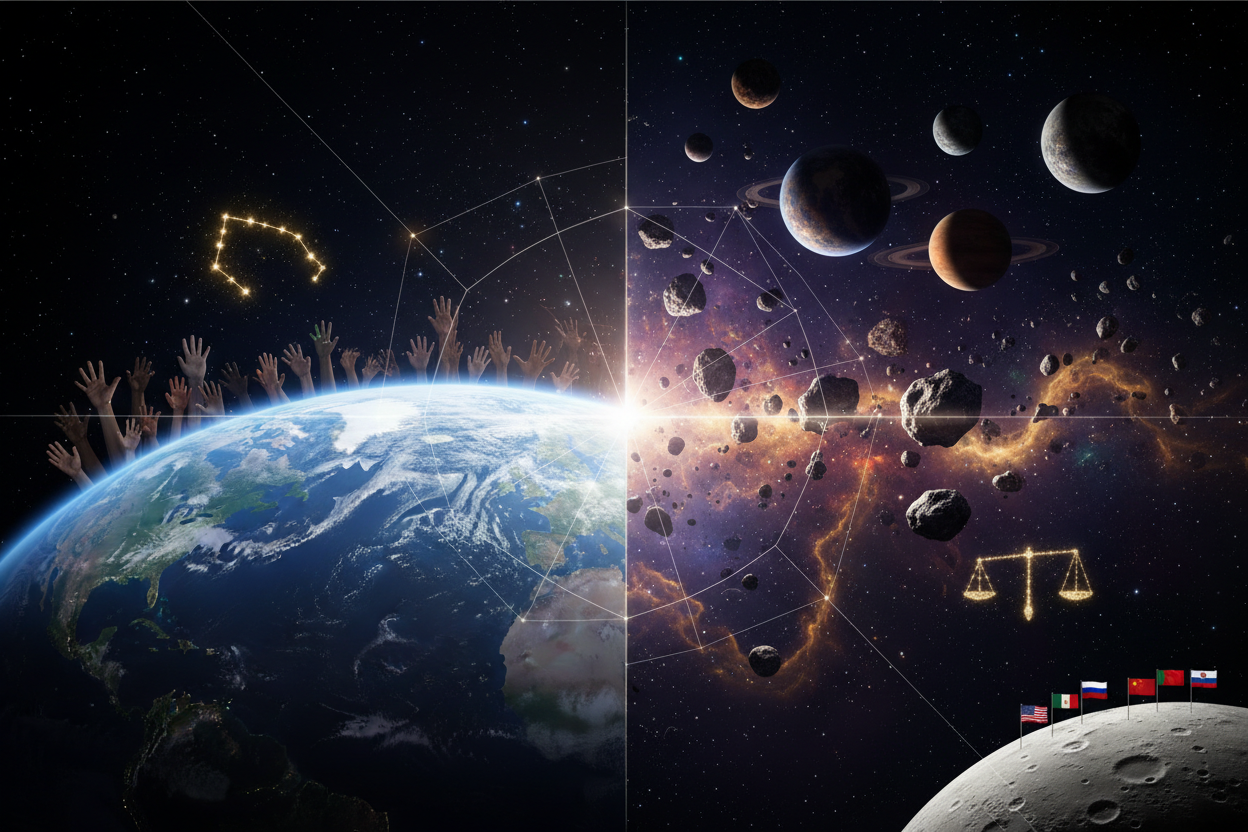
As I watched SpaceX’s latest rocket pierce through Earth’s atmosphere last week, a thought struck me that’s been nagging at humanity for decades: who exactly gets to claim ownership of the vast expanse we call space? It’s a question that becomes more pressing with each passing year as private companies and nations race to establish their presence beyond our blue planet.
The ethics of space travel and ownership represent one of the most complex philosophical and legal challenges of our time. With commercial space tourism becoming reality and plans for lunar colonies gaining momentum, we’re standing at a crossroads where decisions made today will shape humanity’s cosmic future for generations to come.
The Current Legal Framework: A Patchwork of International Agreements
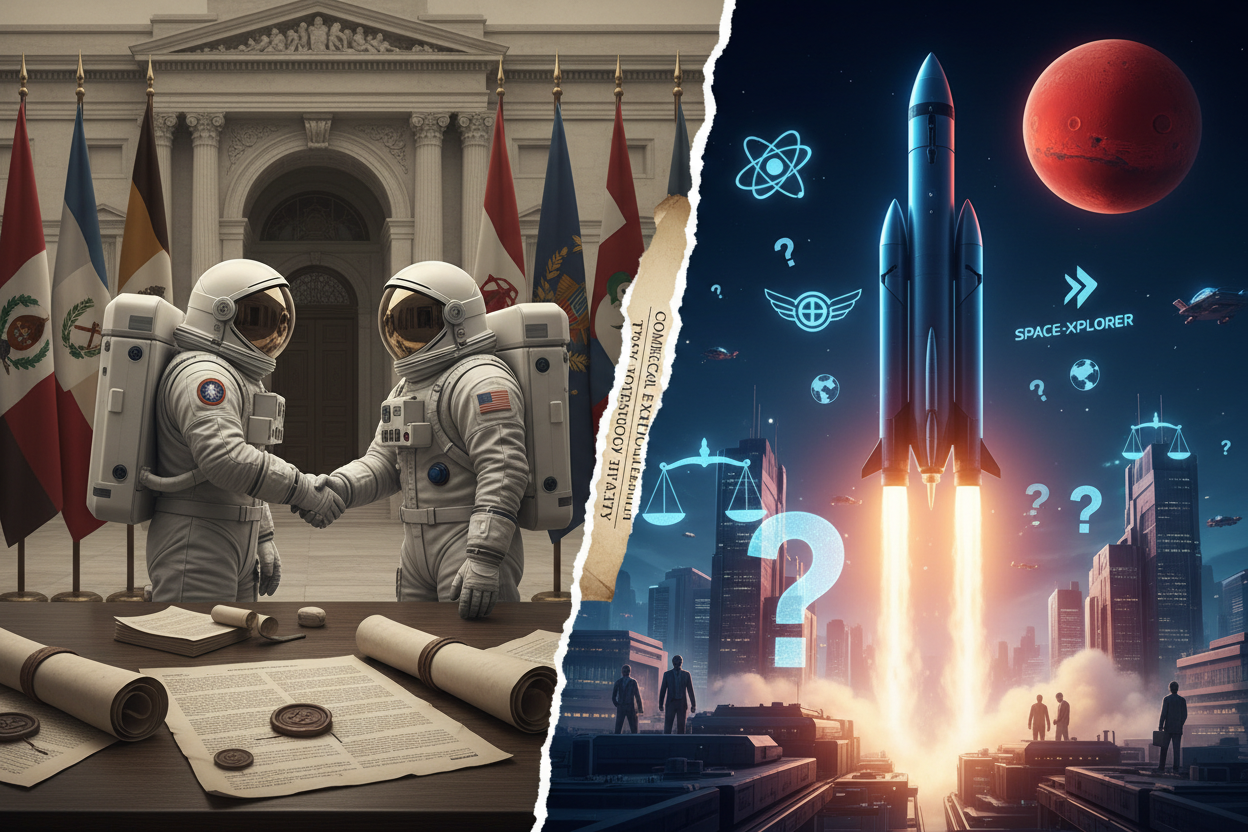
The foundation of space law rests primarily on the 1967 Outer Space Treaty, signed during the height of the Cold War. This landmark agreement established that space belongs to all mankind and prohibits any nation from claiming sovereignty over celestial bodies. It sounds noble in theory, but the reality is far more complicated.
The treaty was crafted in an era when only superpowers could dream of reaching space. Today’s landscape, dominated by private companies like Blue Origin, Virgin Galactic, and SpaceX, presents scenarios the original drafters never anticipated. When Elon Musk jokes about establishing a Mars colony under his own rules, he’s highlighting a genuine legal gray area that keeps international lawyers awake at night.

The Moon Agreement of 1979 attempted to address some of these gaps by declaring celestial bodies the “common heritage of mankind,” but it lacks teeth because major spacefaring nations, including the United States, Russia, and China, never signed it. This creates a frustrating situation where the most active players in space aren’t bound by the most comprehensive space law.
Private Companies and the New Space Race
The emergence of private space companies has fundamentally shifted the ethical landscape of space exploration. Unlike government agencies with public accountability, private corporations answer primarily to shareholders and profit margins. This raises uncomfortable questions about who benefits from humanity’s greatest adventure.
Consider the recent surge in space tourism. While watching billionaires take joyrides to the edge of space might seem harmless, it represents a troubling trend toward the commercialization of what was once considered humanity’s shared heritage. When a ten-minute trip to space costs more than most people earn in a lifetime, we’re essentially creating a cosmic class divide.
The situation becomes even more complex when we examine resource extraction rights. Companies are already planning to mine asteroids for precious metals and establish lunar bases for Helium-3 harvesting. The potential profits are astronomical, but the ethical implications are equally massive. Should a private company be allowed to claim exclusive rights to an asteroid worth trillions of dollars simply because they got there first?
National Interests vs. Global Cooperation
The tension between national sovereignty and international cooperation in space creates another layer of ethical complexity. Countries naturally want to protect their investments and strategic advantages, but space exploration’s greatest achievements have historically come through collaboration.
The International Space Station stands as a testament to what’s possible when nations work together, even former adversaries like the United States and Russia. However, recent geopolitical tensions have strained these partnerships, with Russia threatening to withdraw from ISS cooperation and China developing its own space station after being excluded from ISS participation.
This fragmentation concerns me deeply because it suggests we’re heading toward a future where space becomes another arena for earthly conflicts rather than a realm for human unity. When nations start viewing space through the lens of military strategy and resource competition, we risk losing the collaborative spirit that made our greatest space achievements possible.
Environmental Concerns Beyond Earth
The environmental ethics of space travel extend far beyond Earth’s atmosphere. Space debris already poses a significant threat to current and future missions, with over 130 million pieces of debris larger than 1mm currently orbiting our planet. This cosmic pollution represents a tragedy of the commons scenario where individual actions create collective problems.
The concept of planetary protection becomes crucial as we plan missions to Mars and other potentially habitable worlds. We have an ethical obligation to avoid contaminating these environments with Earth-based microorganisms, but we also need to consider the reverse scenario. What if we discover life on Mars? Do we have the right to establish colonies that might threaten indigenous life forms?
These questions aren’t merely academic. NASA’s Perseverance rover is actively searching for signs of past or present life on Mars, and private companies are already planning crewed missions to the Red Planet. The decisions we make about planetary protection protocols today will determine whether we become responsible cosmic citizens or interplanetary colonizers.
The Question of Cosmic Justice
Perhaps the most fundamental ethical question surrounding space travel is whether our expansion into space will replicate or remedy the inequalities we’ve created on Earth. Space exploration requires enormous resources and technological capabilities that are concentrated in wealthy nations and powerful corporations.
This concentration of space capabilities raises concerns about cosmic colonialism. If only a handful of nations and companies can access space resources, will they use this advantage to further entrench their dominance over those left behind on Earth? The history of terrestrial colonialism doesn’t inspire confidence in humanity’s ability to handle this responsibility ethically.
However, space also presents unprecedented opportunities for global cooperation and shared prosperity. The resources available in space are so vast that scarcity becomes almost meaningless. A single metallic asteroid could contain more platinum than has ever been mined on Earth. If managed properly, space resources could eliminate poverty and environmental destruction on our home planet.
Toward Ethical Space Governance
Creating an ethical framework for space travel and ownership requires updating our legal and philosophical approaches to match technological realities. We need new international agreements that address private space activities, resource extraction rights, and environmental protection while preserving space as humanity’s shared heritage.
One promising approach involves creating an international space development authority that could manage resource extraction licenses, enforce environmental standards, and ensure equitable distribution of space-derived benefits. This organization could function similarly to how Antarctica is managed under international treaty, providing a model for peaceful cooperation in harsh environments.
We also need to establish clear ethical guidelines for space settlement. Should Mars colonies be governed by Earth-based laws or develop their own systems? How do we ensure that space settlements don’t become havens for those seeking to escape earthly responsibilities? These questions require careful consideration before we establish permanent human presence beyond Earth.
The Path Forward
The ethics of space travel ultimately reflect our values as a species. Do we see space as another frontier to be conquered and exploited, or as an opportunity to transcend the limitations and conflicts that have defined human history? The answer will determine not just who owns the final frontier, but what kind of civilization we become among the stars.
As someone who’s spent countless nights gazing at the stars and wondering about our place in the universe, I believe we have a responsibility to approach space exploration with wisdom and humility. The decisions we make today about space ownership and governance will echo through the cosmos for centuries to come.
The final frontier belongs to all of us, but only if we have the courage to claim it together rather than divide it among ourselves. The choice is ours, and the time to make it is now.
Frequently Asked Questions
Who currently owns space according to international law?
According to the 1967 Outer Space Treaty, no nation can claim sovereignty over space or celestial bodies. Space is considered the “province of all mankind,” though this principle faces challenges from modern commercial space activities.
Can private companies claim ownership of asteroids or planets?
The legal situation is unclear. While the Outer Space Treaty prohibits national appropriation, it doesn’t explicitly address private ownership. Some countries, like the United States and Luxembourg, have passed laws allowing their companies to keep resources extracted from space, but these laws conflict with international treaty interpretations.
What happens if someone discovers life on Mars?
Current planetary protection protocols require sterilization of spacecraft to avoid contamination, but discovering life would raise new ethical and legal questions about settlement rights and environmental protection that aren’t fully addressed in existing agreements.
How is space debris regulated?
Space debris is governed by general principles of international space law, but there’s no comprehensive binding agreement. Countries are generally responsible for objects they launch, but enforcement is difficult and cleanup responsibilities remain unclear.
Could space colonies declare independence from Earth?
This scenario isn’t addressed in current space law. Space settlements would likely be subject to the jurisdiction of the country that established them, but the practical challenges of governing across interplanetary distances could lead to de facto independence.
What role should developing countries play in space exploration?
Many experts argue that space exploration should benefit all humanity, not just spacefaring nations. This could involve technology sharing, international cooperation programs, or ensuring that space-derived benefits are distributed globally rather than concentrated among wealthy countries.