

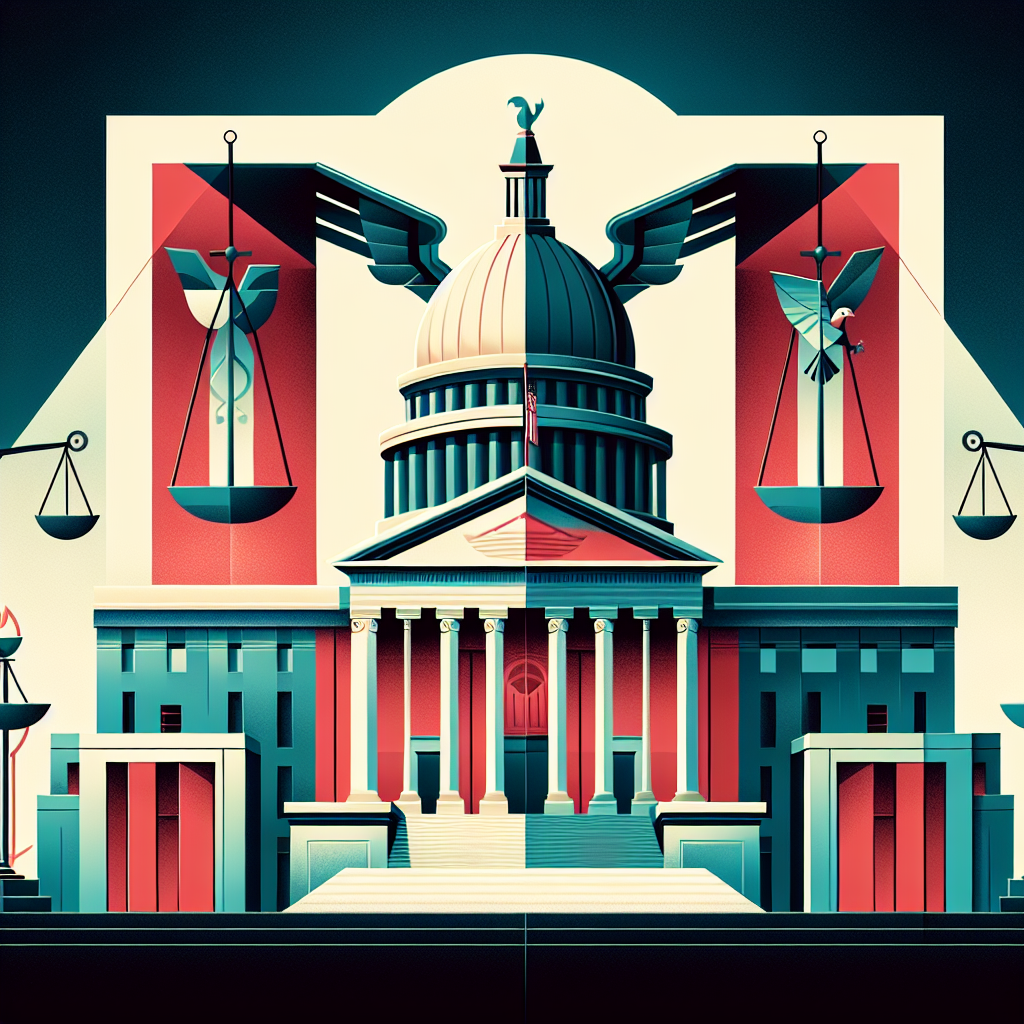
American Government Structure: An In-Depth Analysis
The American government is a complex system that has intrigued scholars, citizens, and international observers alike. With its checks and balances, separation of powers, and unique electoral processes, understanding the intricacies of the United States government is essential for anyone looking to grasp how one of the world’s leading democracies functions. This blog post will provide an in-depth analysis of the American government structure, highlighting key components and their roles in the nation’s political landscape.
The Foundation: The U.S. Constitution
The backbone of the American government is the U.S. Constitution, a document that has withstood the test of time since it was ratified in 1788. The Constitution outlines the framework of the government and is the supreme law of the land. It is designed to ensure a balance of power among the various branches of government while protecting individual liberties.
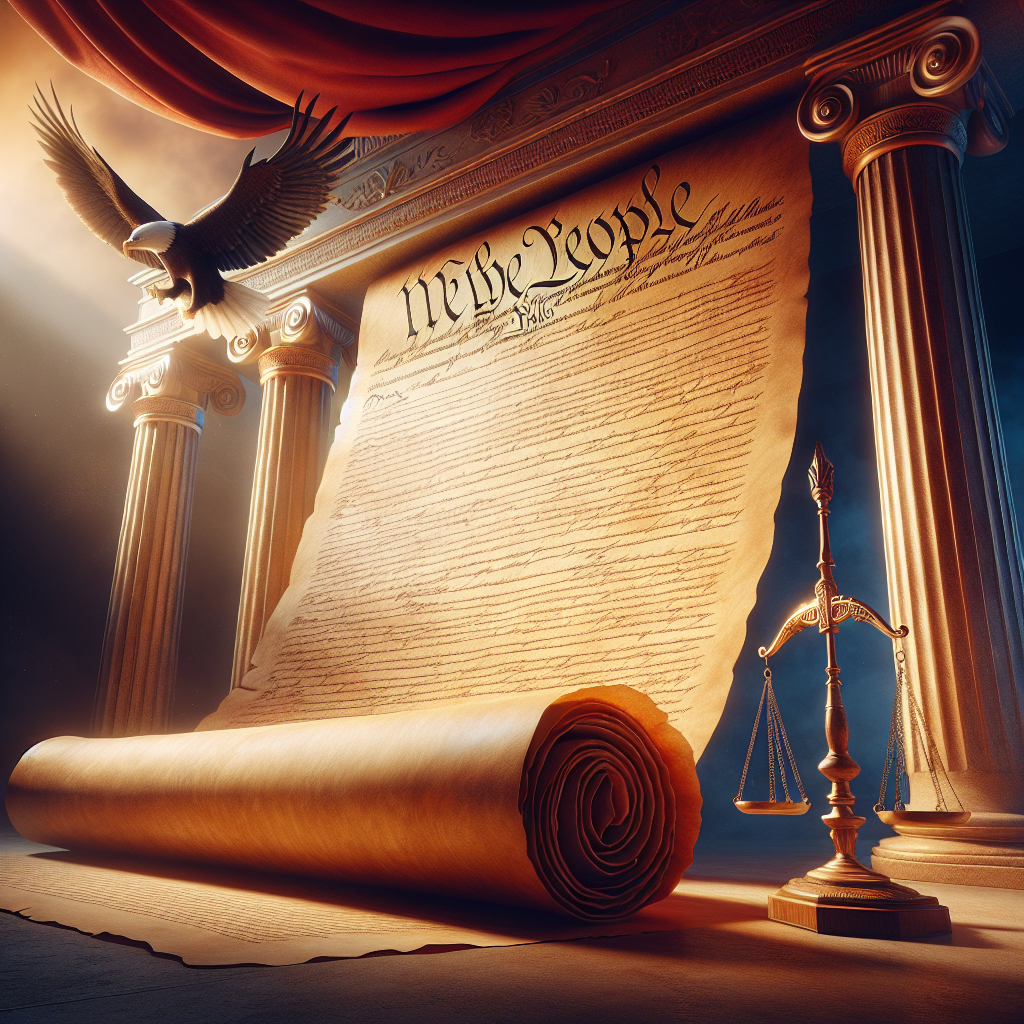
At its core, the Constitution is built on the principles of federalism, separation of powers, and checks and balances. Federalism divides authority between national and state governments, allowing for a union that respects local governance. Meanwhile, the separation of powers allocates responsibilities among three branches: the legislative, executive, and judicial, each with distinct roles and powers.
The Legislative Branch: Crafting the Laws
The legislative branch, known as Congress, is responsible for making laws and is divided into two chambers: the House of Representatives and the Senate. This bicameral system ensures both representation by population and equal state representation.
House of Representatives
The House of Representatives is composed of 435 members, with each state’s representation based on its population. Representatives serve two-year terms, allowing them to closely align with their constituents’ needs and opinions. The House holds the power of the purse, meaning it primarily controls government spending and taxation.
The Senate
The Senate consists of 100 members, with each state electing two senators regardless of its population. Senators serve six-year terms, providing stability and a longer perspective on legislative issues. The Senate has unique responsibilities, such as ratifying treaties and confirming presidential appointments.
The Executive Branch: Enforcing the Laws
Led by the President, the executive branch is responsible for enforcing and implementing the laws passed by Congress. The President serves as both the head of state and government, wielding significant influence in domestic and international affairs.
The Presidency
The President is elected every four years and can serve a maximum of two terms. Key responsibilities include signing bills into law, vetoing legislation, commanding the armed forces, and conducting diplomacy with other nations. The President is supported by the Vice President and the Cabinet, a group of advisors heading various executive departments.
The Federal Bureaucracy
Beyond the President and Cabinet, the executive branch encompasses a vast federal bureaucracy. This includes numerous agencies and departments that administer government programs and enforce regulations. From the Environmental Protection Agency (EPA) to the Department of Education, these entities play crucial roles in daily governance.
The Judicial Branch: Interpreting the Laws
The judicial branch is tasked with interpreting the laws and ensuring they align with the Constitution. At its pinnacle is the Supreme Court, the highest court in the land, which has the ultimate authority in constitutional interpretation.
The Supreme Court
Comprised of nine justices appointed by the President and confirmed by the Senate, the Supreme Court hears cases of national significance. Its decisions can have far-reaching impacts on American society, shaping the nation’s legal and cultural landscape.
Lower Federal Courts
Beneath the Supreme Court are lower federal courts, including Courts of Appeals and District Courts. These courts handle cases within their respective jurisdictions, addressing issues ranging from civil rights to federal regulations. Decisions made at these levels can be appealed to the Supreme Court.
Checks and Balances: Maintaining Equilibrium
A hallmark of the American government is its system of checks and balances, designed to prevent any one branch from gaining too much power. Each branch has mechanisms to counterbalance the others, ensuring a dynamic equilibrium.
For instance, while Congress can pass laws, the President can veto them. However, Congress can override a presidential veto with a two-thirds majority in both chambers. Similarly, the Supreme Court can declare laws or executive actions unconstitutional, providing a judicial check on legislative and executive powers.
Conclusion: The Resilience of the American Government
The American government structure, with its intricate system of checks and balances, has proven remarkably resilient over the centuries. By distributing power across various branches and levels of government, it has maintained a stable and adaptable political system. Understanding this framework is essential for appreciating the complexities and strengths of American democracy.
FAQs
Q: What is the primary function of the legislative branch?
A: The legislative branch is responsible for creating and passing laws. It is composed of two chambers: the House of Representatives and the Senate.
Q: How does the executive branch enforce laws?
A: The executive branch, led by the President, enforces laws through various federal agencies and departments. The President signs bills into law and oversees their implementation.
Q: What role does the Supreme Court play in the government?
A: The Supreme Court interprets laws and determines their constitutionality. It serves as the highest judicial authority and can influence significant legal and social changes.
Q: What is the purpose of checks and balances?
A: Checks and balances prevent any one branch of government from gaining too much power, ensuring a balanced distribution of authority and protecting democratic principles.


Leave a Reply