

The Evolving Role of the Vice President in American Politics: From Ceremonial Figure to Power Player
For much of American history, the vice presidency was famously described as “not worth a bucket of warm spit” by former Vice President John Nance Garner. However, this perception has dramatically shifted over the past several decades. Today’s vice presidents wield considerably more influence and responsibility than their predecessors ever imagined. Understanding the role of the vice president in American politics requires examining both the constitutional framework and the practical evolution of this unique office.
The vice presidency has transformed from a largely ceremonial position into a crucial component of executive leadership. Modern vice presidents serve as senior advisors, diplomatic representatives, and key political allies to the president. This evolution reflects broader changes in American governance, the complexity of modern challenges, and the strategic value of having a trusted second-in-command.
Constitutional Foundation and Original Intent
The Founding Fathers created the vice presidency somewhat reluctantly, viewing it primarily as a solution to the problem of presidential succession. The Constitution grants the vice president only two specific duties: serving as President of the Senate and assuming the presidency if the office becomes vacant. This minimalist approach reflected the founders’ uncertainty about what role this position should play in the new government.
Originally, the vice president was simply the runner-up in the presidential election, which often resulted in political rivals serving together. This system proved problematic, as evidenced by the tense relationship between President John Adams and Vice President Thomas Jefferson. The 12th Amendment, ratified in 1804, changed this by requiring separate votes for president and vice president, allowing for more compatible partnerships.
The constitutional role of presiding over the Senate has remained largely ceremonial, with vice presidents typically only casting tie-breaking votes when necessary. However, this power has proven significant in closely divided chambers, where a single vote can determine the fate of major legislation.
Historical Evolution of Vice Presidential Power
Throughout the 19th and early 20th centuries, most vice presidents found themselves relegated to the political sidelines. Many were chosen to balance tickets geographically or ideologically rather than for their governing abilities. Some vice presidents, like Chester A. Arthur and Calvin Coolidge, only gained prominence after ascending to the presidency following their predecessors’ deaths.
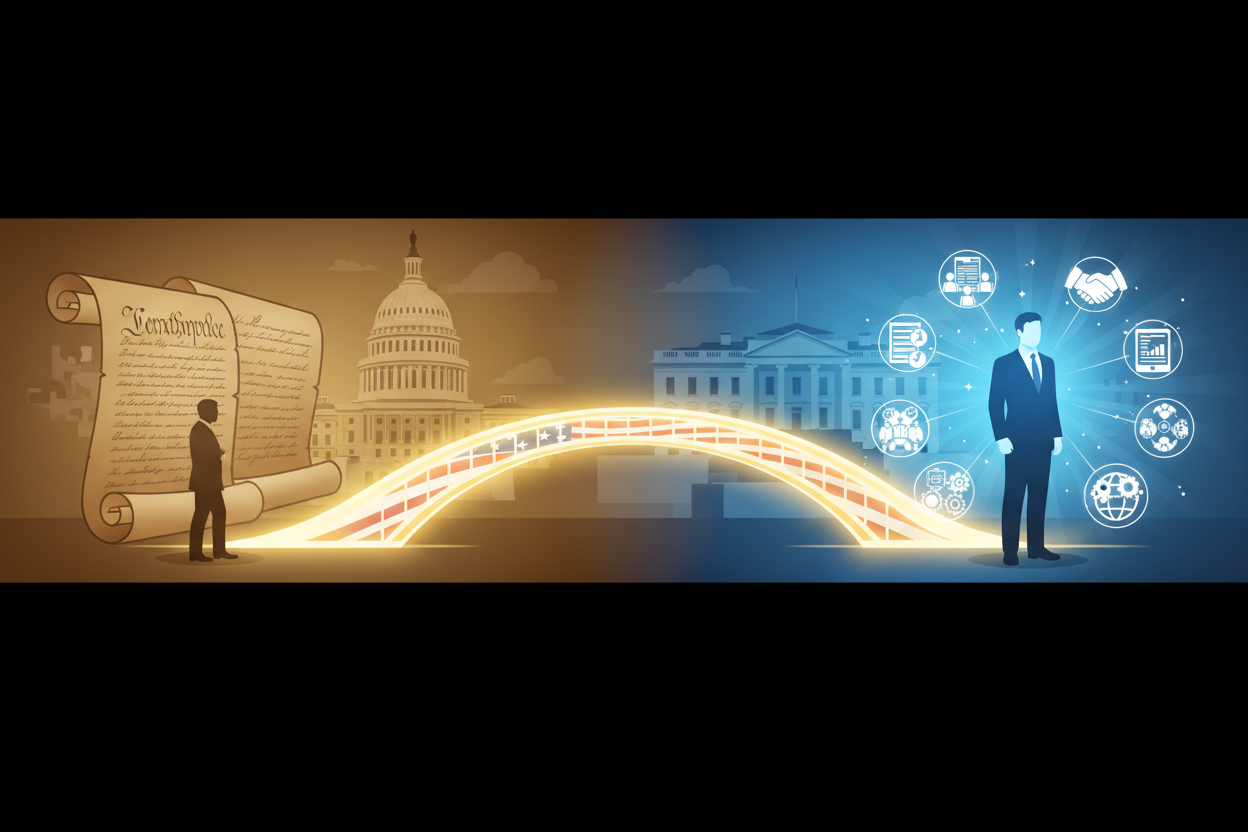
The transformation began gradually in the mid-20th century. Henry Wallace under Franklin D. Roosevelt and Richard Nixon under Dwight D. Eisenhower started to take on more substantive roles, though still limited compared to modern standards. Nixon, in particular, served as an important diplomatic representative during the Cold War era.
The real turning point came with Walter Mondale’s service under Jimmy Carter in the late 1970s. Mondale established the template for the modern vice presidency by securing regular access to the president, participating in key meetings, and serving as a trusted advisor on major policy decisions. This model emphasized the vice president as a senior member of the administration rather than merely a constitutional placeholder.
Modern Vice Presidents as Senior Advisors and Policy Leaders
Today’s vice presidents function as integral members of the executive team, often specializing in particular policy areas or representing the administration in crucial negotiations. This evolution reflects the increasing complexity of governing and the value of having experienced political figures share the burden of leadership.
Al Gore exemplified this new model by leading initiatives on technology and environmental issues during the Clinton administration. His expertise in these areas made him a valuable policy leader rather than just a political partner. Similarly, Dick Cheney wielded unprecedented influence in the Bush administration, particularly in national security and foreign policy matters, though his level of power sparked debates about appropriate vice presidential authority.
Joe Biden’s tenure under Barack Obama further refined the advisory role, with Biden serving as a crucial liaison to Congress and taking the lead on significant policy initiatives like the American Recovery and Reinvestment Act. His decades of Senate experience proved invaluable in navigating complex legislative challenges.
The current Vice President Kamala Harris continues this tradition while breaking new ground as the first woman, first Black American, and first person of South Asian descent to hold the office. Her role demonstrates how the vice presidency can serve as a platform for addressing contemporary challenges while representing diverse perspectives in American leadership.
The Vice President as Chief Diplomat
Modern vice presidents have increasingly taken on significant diplomatic responsibilities, representing American interests abroad and maintaining relationships with foreign leaders. This role leverages their high-profile status while freeing the president to focus on other priorities.
Vice presidents often lead delegations to important international events, conduct state visits, and serve as the administration’s representative in sensitive diplomatic situations. Their involvement in foreign policy allows for continuity in international relationships and demonstrates the depth of American leadership on the global stage.
The diplomatic role also serves domestic political purposes, as vice presidents can build foreign policy credentials that prove valuable if they pursue the presidency themselves. This experience provides them with the international relationships and expertise that modern presidents need to succeed in an interconnected world.
Electoral Significance and Political Strategy
The selection of a running mate has become one of the most scrutinized decisions in presidential campaigns, reflecting the vice presidency’s increased importance. Presidential candidates must balance numerous factors when choosing their vice presidential nominees, including geographic representation, demographic appeal, governing experience, and ideological compatibility.
Vice presidential candidates can significantly impact electoral outcomes, particularly in closely contested races. They often help presidential nominees appeal to specific voter groups or states that might otherwise be challenging to win. The vice presidential debate has also become a major campaign event, providing voters with insights into both candidates’ capabilities and the presidential nominees’ judgment.
The modern vice presidency serves as an important stepping stone to the presidency itself. Many recent presidential candidates, including Joe Biden, have leveraged their vice presidential experience as a key qualification for the top office. This pathway has made the vice presidential selection process even more consequential, as parties consider not just immediate electoral needs but also long-term leadership development.
Challenges and Limitations of the Office
Despite its evolution, the vice presidency still faces inherent limitations that can frustrate ambitious politicians. Vice presidents must balance their own political interests with loyalty to the president, sometimes suppressing their own views or ambitions for the sake of administration unity. This dynamic can create tension, particularly when the vice president harbors presidential ambitions.
The office also lacks independent constitutional authority beyond the Senate role, meaning vice presidential power depends entirely on the president’s willingness to delegate responsibility. This relationship can vary dramatically between administrations, leaving some vice presidents with significant influence while others find themselves marginalized despite their formal title.
Public expectations for vice presidents have grown along with their actual responsibilities, creating pressure to demonstrate leadership while avoiding overshadowing the president. This delicate balance requires considerable political skill and can be particularly challenging during crises or controversial decisions.
The Future of the Vice Presidency
The vice presidency will likely continue evolving as American governance faces new challenges and opportunities. Future vice presidents may take on even greater policy responsibilities, particularly in areas requiring sustained attention that presidents cannot personally manage given their broad obligations.
Technology and communication advances may also reshape the role, allowing vice presidents to maintain more direct relationships with the public and stakeholders. Social media and digital platforms provide new avenues for vice presidents to communicate their priorities and build support for administration initiatives.
The increasing diversity of American society suggests that future vice presidents will continue breaking barriers and representing previously underrepresented groups in high-level government positions. This representation can help build broader public trust and engagement in democratic institutions.
The role of the vice president in American politics has undergone a remarkable transformation from its humble constitutional origins to its current status as a position of real influence and responsibility. Modern vice presidents serve as senior advisors, diplomatic representatives, policy leaders, and crucial political partners to the president. This evolution reflects both the growing complexity of governance and the strategic value of having experienced leaders share executive responsibilities.
While the office still faces inherent limitations and challenges, the vice presidency has established itself as an integral part of American leadership. Future vice presidents will likely continue expanding the role’s influence while navigating the delicate balance between supporting the president and maintaining their own political identity. Understanding this evolution helps illuminate broader trends in American governance and the ongoing development of democratic institutions.
Frequently Asked Questions
What are the constitutional duties of the Vice President?
The Constitution assigns only two specific duties to the Vice President: serving as President of the Senate and assuming the presidency if the office becomes vacant through death, resignation, or removal. The Vice President can cast tie-breaking votes in the Senate when needed.
How has the role of Vice President changed over time?
The vice presidency has evolved from a largely ceremonial position to a role with significant advisory and policy responsibilities. Modern vice presidents serve as senior advisors to the president, lead diplomatic missions, oversee specific policy initiatives, and act as key political partners in governing.
Do Vice Presidents have real power in government?
Vice presidential power depends largely on the relationship with the president and the responsibilities they’re given. While they lack independent constitutional authority beyond their Senate role, modern vice presidents often wield considerable influence through their advisory relationship with the president and their leadership of specific initiatives.
How important is the Vice President in presidential elections?
Vice presidential selections can significantly impact elections by helping tickets appeal to specific demographics, regions, or voter groups. The choice also reflects on the presidential candidate’s judgment and can influence voter perceptions about the ticket’s overall qualifications and governing philosophy.
Can the Vice President disagree publicly with the President?
While there’s no constitutional prohibition, vice presidents typically avoid public disagreements with the president to maintain administration unity. Public disputes between the president and vice president can undermine the administration’s effectiveness and damage both officials’ political standing.