
Civil Rights Movements in the Age of Social Media: How Digital Platforms Are Reshaping Modern Activism
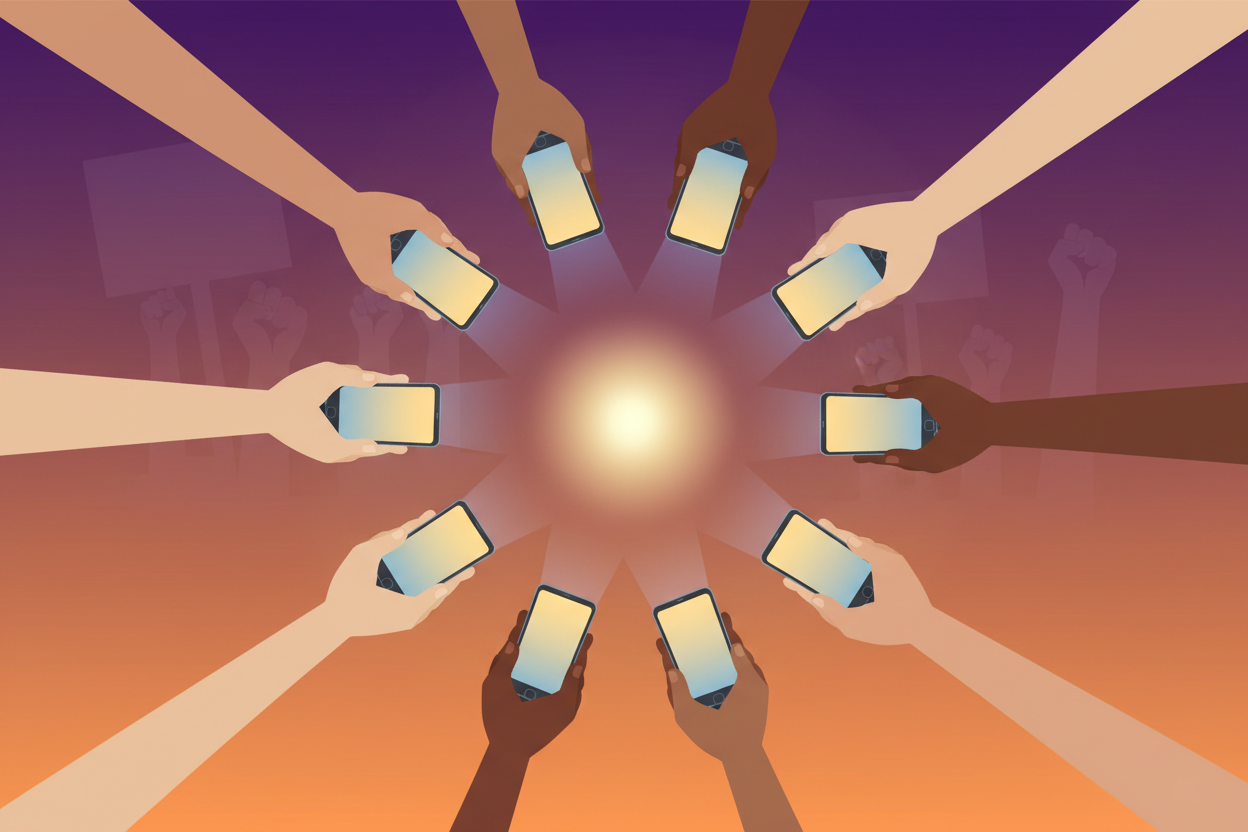
The landscape of civil rights activism has undergone a dramatic transformation since the advent of social media platforms. Where once organizers relied on phone trees, printed flyers, and word-of-mouth to mobilize supporters, today’s activists can reach millions with a single tweet or Instagram post. This digital revolution has fundamentally changed how civil rights movements organize, communicate, and create lasting social change.
From the Arab Spring to Black Lives Matter, from #MeToo to climate activism, social media has become the backbone of modern civil rights movements. These platforms have democratized activism, allowing grassroots organizers to bypass traditional media gatekeepers and speak directly to their audiences. Yet this transformation brings both unprecedented opportunities and unique challenges that activists must navigate in their fight for justice and equality.
The Digital Revolution of Civil Rights Activism
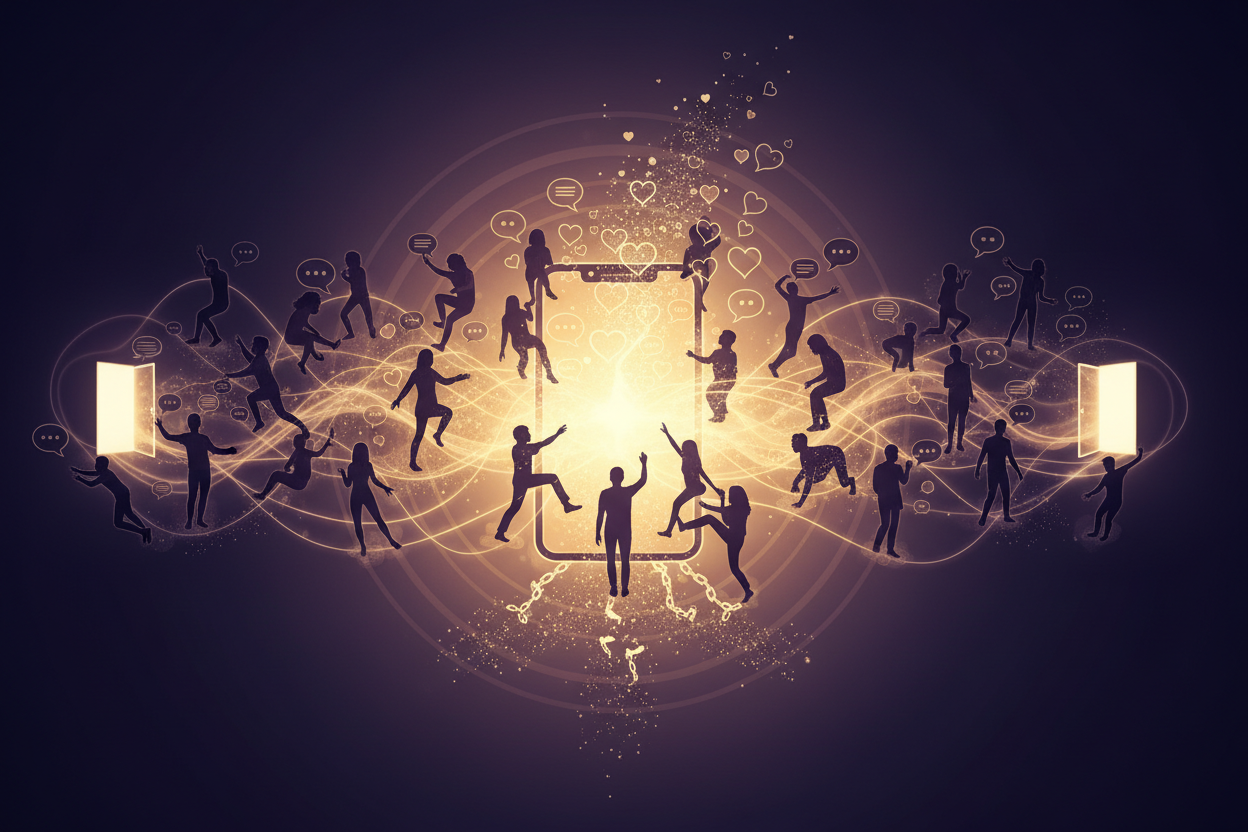
Social media platforms have fundamentally altered the DNA of civil rights movements. Unlike the centralized leadership structures of past movements, digital activism often emerges organically from individual voices that resonate with broader audiences. A single hashtag can evolve into a global movement within hours, connecting people across geographical and cultural boundaries in ways that were previously impossible.
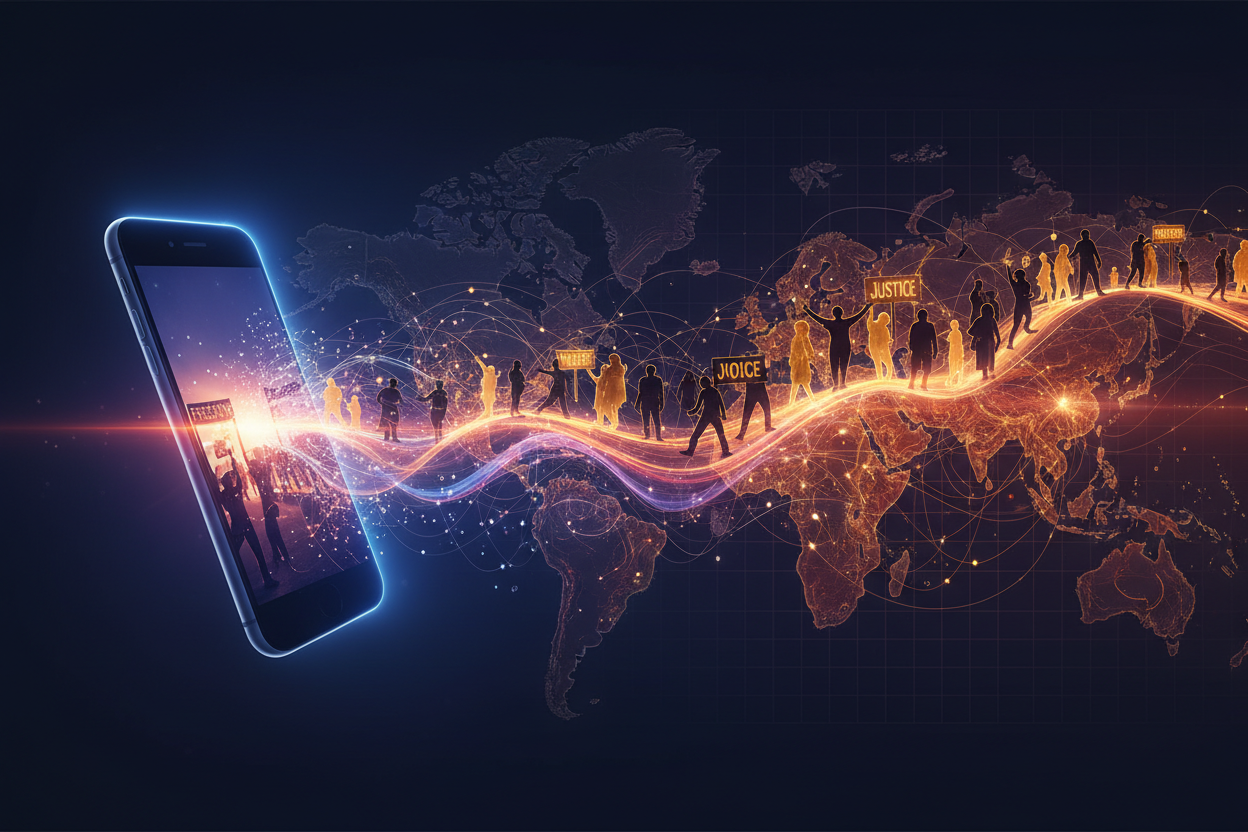
The speed at which information travels through social networks has accelerated the pace of social change. When George Floyd was killed in Minneapolis in May 2020, video footage spread across social media platforms within minutes, sparking protests not just across the United States but around the world. This immediate documentation and dissemination of injustice has made it increasingly difficult for authorities to control narratives or suppress evidence of wrongdoing.
Digital platforms have also lowered the barriers to entry for activism. You no longer need significant financial resources, political connections, or media relationships to start a movement. A compelling story, authentic voice, and strategic use of hashtags can amplify a message to reach millions of potential supporters. This democratization has given voice to previously marginalized communities and allowed diverse perspectives to enter mainstream discourse.
How Social Media Platforms Transform Movement Organization
The organizational structure of modern civil rights movements reflects the decentralized nature of social media itself. Traditional movements often relied on hierarchical leadership and formal organizational structures, but digital movements tend to be more fluid and network-based. This shift has both advantages and challenges for activists seeking to create sustainable change.
Facebook groups and pages have become virtual meeting spaces where activists can coordinate events, share resources, and build community. These platforms allow for real-time communication during protests and demonstrations, enabling organizers to adapt quickly to changing circumstances. Twitter’s rapid-fire nature makes it ideal for breaking news and urgent calls to action, while Instagram’s visual focus helps humanize issues and create emotional connections with audiences.
The viral nature of social media content has also changed how movements spread their messages. A powerful image, compelling video, or well-crafted post can reach far beyond an organization’s immediate followers through shares, retweets, and algorithm-driven recommendations. This organic amplification can help movements gain momentum quickly, but it also means that messaging can sometimes become distorted or taken out of context as it spreads.
Success Stories: Digital Movements That Changed the World
Several civil rights movements have leveraged social media to achieve remarkable success in raising awareness and driving policy changes. The Black Lives Matter movement, which began as a hashtag in 2013, demonstrates the power of digital organizing to sustain long-term activism while adapting to new challenges and opportunities.
The #MeToo movement provides another compelling example of how social media can break down barriers of silence and shame. What started as a simple phrase encouraged millions of survivors to share their stories, creating a global conversation about sexual harassment and assault. The movement’s digital nature allowed people to participate on their own terms, sharing as much or as little as they felt comfortable with while still contributing to a larger narrative of change.
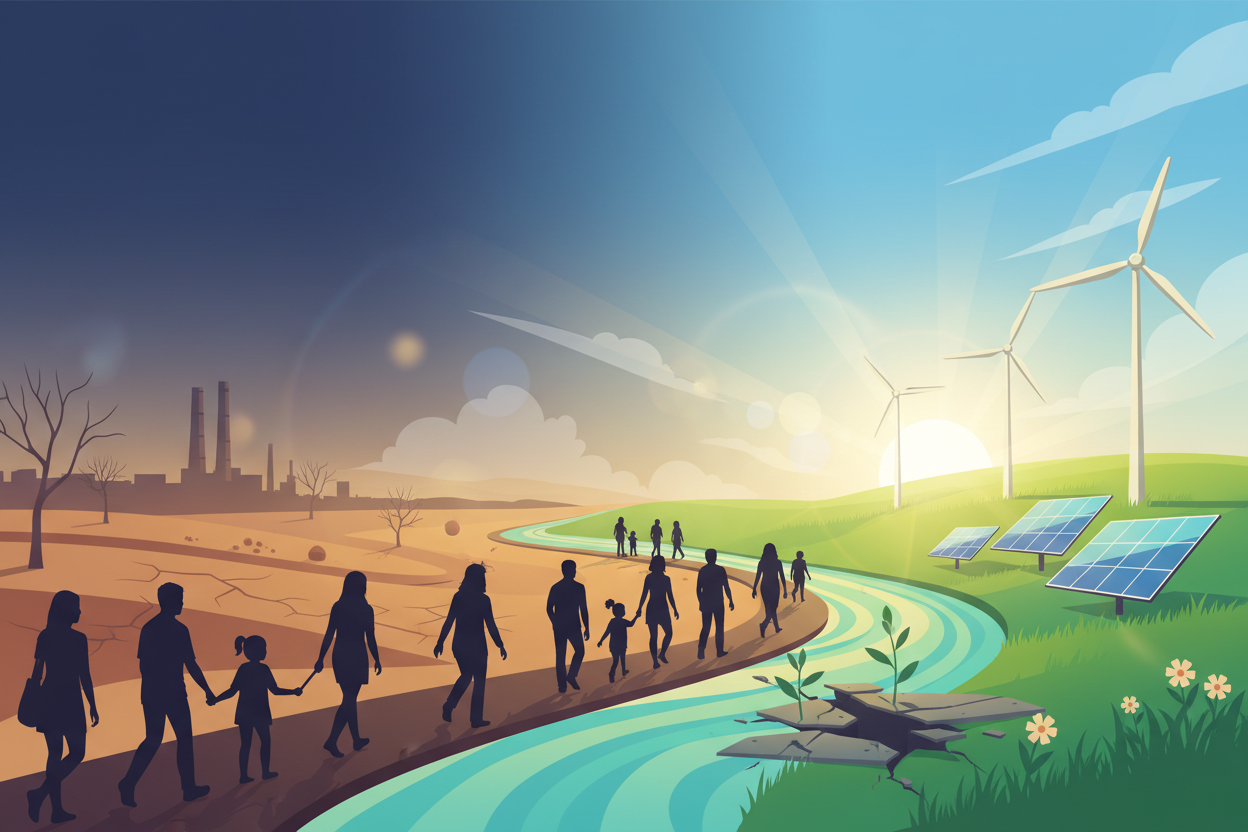
Climate activism has also been transformed by social media, with young activists like Greta Thunberg using platforms to organize global climate strikes and hold world leaders accountable. The visual nature of climate change impacts makes them particularly well-suited to social media sharing, helping to make abstract environmental concepts more tangible and urgent for general audiences.
The marriage equality movement successfully used social media to change hearts and minds through personal storytelling. Platforms like Facebook allowed LGBTQ+ individuals and their allies to share personal experiences and challenge stereotypes, contributing to a dramatic shift in public opinion that ultimately led to legal recognition of same-sex marriage in many countries.
Challenges and Limitations of Digital Activism
While social media has opened new possibilities for civil rights activism, it has also introduced significant challenges that movements must address. One of the most pressing concerns is the phenomenon of “slacktivism” or “clicktivism” – the tendency for people to engage with causes online without taking meaningful real-world action. Liking a post or sharing a hashtag requires minimal effort and may give people a false sense of having contributed to a cause without actually creating substantive change.
The algorithms that govern social media platforms can also limit the reach and impact of activist messages. These systems are designed to maximize engagement and advertising revenue, not necessarily to promote social justice content. Changes to algorithms can dramatically affect a movement’s ability to reach its audience, and activists often find themselves at the mercy of corporate decisions made without their input.
Digital movements also face unique security and safety challenges. Activists can be targeted through doxxing, harassment campaigns, and surveillance by both state and non-state actors. The permanent nature of digital records means that participation in online activism can have long-term consequences for individuals, particularly those from vulnerable communities who may face retaliation.
The speed and scale of social media can sometimes work against movements, leading to rapid burnout, information overload, and difficulty maintaining sustained engagement. The constant stream of urgent issues competing for attention can make it challenging for any single cause to maintain momentum over time.
The Role of Hashtag Activism in Modern Civil Rights
Hashtags have become the rallying cries of digital civil rights movements, serving multiple functions beyond simple content organization. They create shared identity and community among supporters, provide a way to track conversation volume and sentiment, and offer a simple way for people to show solidarity with a cause. The strategic use of hashtags can help movements break through the noise of social media to capture public attention.
Effective hashtag campaigns often combine emotional resonance with clear calls to action. #BlackLivesMatter, #SayHerName, #ClimateStrike, and #LoveWins all demonstrate how simple phrases can encapsulate complex social issues while inspiring action. These hashtags serve as digital protest signs, allowing people to participate in movements even when they cannot attend physical demonstrations.
However, hashtag activism also faces criticism for potentially oversimplifying complex issues and reducing nuanced social problems to trending topics. Critics argue that the brevity required for effective hashtags can strip away important context and lead to superficial understanding of deep-rooted systemic problems.
Building Sustainable Digital Civil Rights Movements
Creating lasting change through digital activism requires more than viral moments and trending hashtags. Successful movements have learned to combine online organizing with offline action, using social media as a tool to support rather than replace traditional forms of activism. This hybrid approach leverages the reach and speed of digital platforms while maintaining the deep relationships and sustained commitment that drive long-term social change.
Effective digital movements also invest in digital literacy and security training for their members. Understanding how social media algorithms work, how to protect personal information, and how to verify information helps activists navigate the digital landscape more effectively while minimizing risks to themselves and their communities.
Building diverse coalitions across different platforms and communities helps movements avoid the echo chambers that can limit their impact. Successful digital activism requires intentional outreach to people who may not already agree with a movement’s goals, using storytelling and relationship-building to expand support beyond existing believers.
The Future of Civil Rights in the Digital Age
As social media platforms continue to evolve and new technologies emerge, civil rights movements must adapt their strategies to remain effective. Artificial intelligence, virtual reality, and emerging platforms will create new opportunities for activism while also introducing new challenges that movements must address.
The increasing sophistication of disinformation campaigns and the rise of deepfake technology pose particular threats to digital civil rights movements. Activists must develop new skills and tools to combat false information while maintaining the authenticity and trust that make their movements powerful.
Regulation of social media platforms is likely to increase in coming years, which could significantly impact how civil rights movements operate online. Activists must engage with policy discussions around platform governance to ensure that new regulations protect rather than restrict their ability to organize and advocate for change.
The global nature of social media also means that civil rights movements increasingly operate across national boundaries, creating opportunities for international solidarity while also requiring navigation of different legal and cultural contexts. This globalization of activism has the potential to accelerate progress on universal human rights issues while also creating new complexities for movement organizers.
Civil rights movements in the age of social media represent both the continuation of long-standing struggles for justice and a fundamental transformation in how social change happens. While digital platforms have democratized activism and accelerated the pace of change, they have also introduced new challenges that require thoughtful navigation. The most successful movements of our time have learned to harness the power of social media while maintaining the deep relationships, strategic thinking, and sustained commitment that have always been essential to achieving lasting social change. As we look to the future, the continued evolution of technology will undoubtedly bring new opportunities and challenges for civil rights activists, requiring ongoing adaptation and innovation in the pursuit of justice and equality.
Frequently Asked Questions
How has social media changed the way civil rights movements organize?
Social media has shifted civil rights organizing from hierarchical, centralized structures to more decentralized, network-based approaches. Movements can now organize events, coordinate actions, and build community through digital platforms, allowing for faster communication and broader reach than traditional organizing methods.
What are the main advantages of using social media for civil rights activism?
Key advantages include democratized access to activism, rapid information sharing, global reach, lower barriers to entry, real-time coordination during events, and the ability to bypass traditional media gatekeepers to share unfiltered messages directly with audiences.
What challenges do digital civil rights movements face?
Major challenges include slacktivism, algorithm limitations, security threats, harassment and doxxing, information overload, difficulty maintaining sustained engagement, and the risk of oversimplifying complex issues through hashtag activism.
Can hashtag activism create real social change?
Hashtag activism can raise awareness and mobilize people, but lasting change typically requires combining online activism with offline action, policy advocacy, and sustained organizing efforts. Hashtags are powerful tools for building movements, but they work best as part of comprehensive social change strategies.
How do social media algorithms affect civil rights movements?
Algorithms determine which content gets seen by users, potentially limiting the reach of activist messages. Platform algorithm changes can dramatically impact a movement’s ability to reach its audience, and these systems prioritize engagement over social impact, sometimes working against civil rights content.
What security concerns should digital activists be aware of?
Digital activists face risks including doxxing, harassment campaigns, surveillance by authorities, data breaches, and long-term consequences from permanent digital records. Movements should invest in digital security training and tools to protect their members.
How can civil rights movements build sustainable digital strategies?
Sustainable digital strategies combine online and offline organizing, invest in digital literacy training, build diverse coalitions across platforms, focus on relationship-building beyond viral moments, and maintain authentic storytelling while adapting to technological changes.
Leave a Reply