

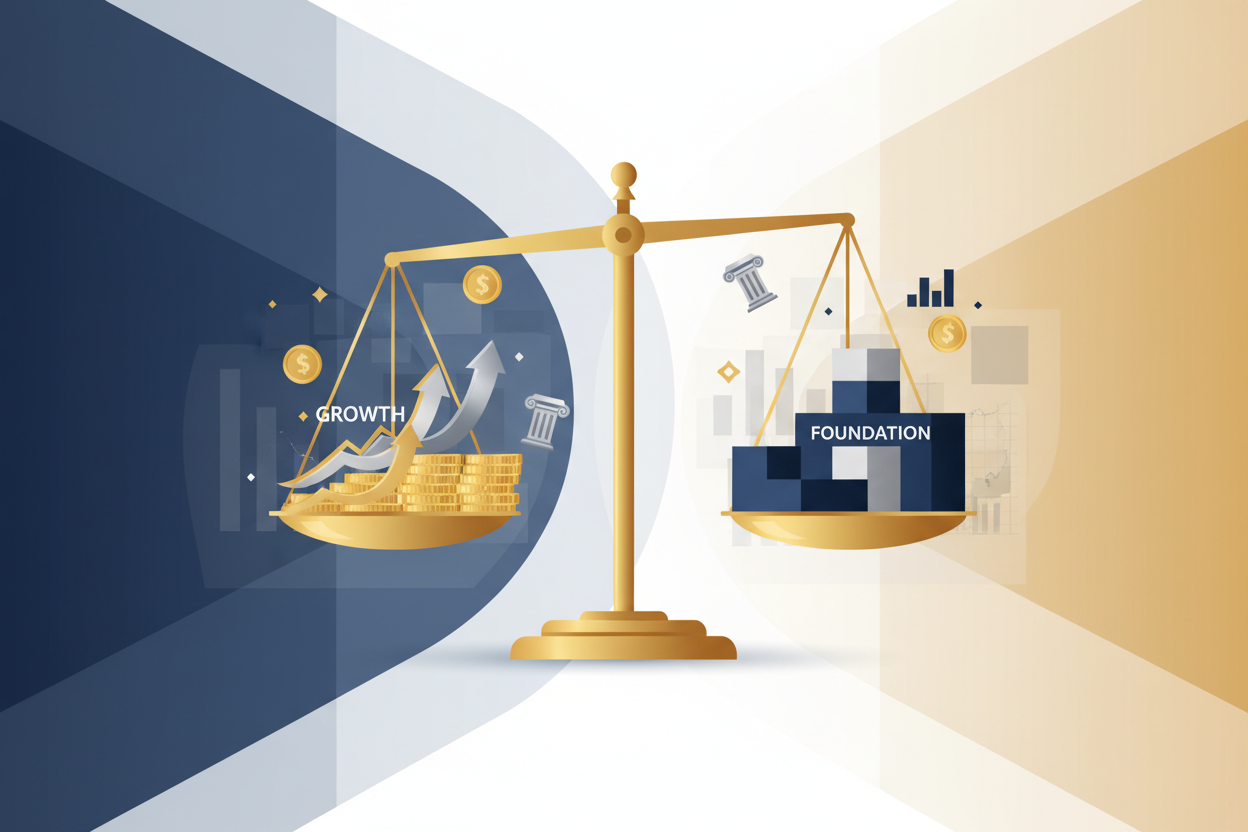
Conservative Economic Policies: Balancing Growth and Stability in Modern Markets
In today’s rapidly evolving economic landscape, policymakers face the challenging task of fostering sustainable growth while maintaining financial stability. Conservative economic policies have long been viewed as a cornerstone approach to achieving this delicate balance. These policies, rooted in free-market principles and fiscal responsibility, aim to create an environment where businesses can thrive while protecting the economy from excessive volatility and unsustainable debt burdens.
Understanding how conservative economic policies work and their impact on both growth and stability is crucial for anyone interested in economic policy, business development, or long-term financial planning. Let’s explore the key components of these policies and examine how they attempt to strike the right balance between encouraging economic expansion and maintaining financial prudence.
The Foundation of Conservative Economic Philosophy
Conservative economic policies are built on several fundamental principles that have shaped economic thinking for decades. At its core, this approach emphasizes limited government intervention in markets, believing that private enterprise and competition naturally lead to optimal resource allocation and innovation.
The philosophy rests on the idea that markets are generally efficient at determining prices, wages, and investment decisions when left to operate freely. This doesn’t mean complete absence of regulation, but rather a preference for minimal, targeted interventions that address specific market failures without stifling overall economic dynamism.
Another key principle is the importance of property rights and rule of law. Conservative economists argue that strong legal frameworks protecting private property and enforcing contracts create the certainty businesses need to make long-term investments. This legal stability becomes a foundation upon which sustainable economic growth can be built.
Fiscal Responsibility and Government Spending
One of the most visible aspects of conservative economic policy is its approach to government finances. Fiscal conservatives typically advocate for balanced budgets or, at minimum, sustainable debt levels that don’t burden future generations or crowd out private investment.
This approach to government spending isn’t about eliminating all public expenditure, but rather ensuring that government programs provide genuine value and don’t create long-term fiscal imbalances. Conservative policymakers often argue that excessive government spending can lead to inflation, higher taxes, and reduced private sector investment – all factors that can undermine long-term economic stability.
The emphasis on fiscal discipline extends to government borrowing practices. While conservatives don’t necessarily oppose all deficit spending, they typically prefer that such borrowing be limited to productive investments or genuine emergencies rather than ongoing operational expenses. This approach aims to maintain the government’s fiscal credibility and prevent debt crises that could destabilize the broader economy.
Tax Policy and Economic Incentives
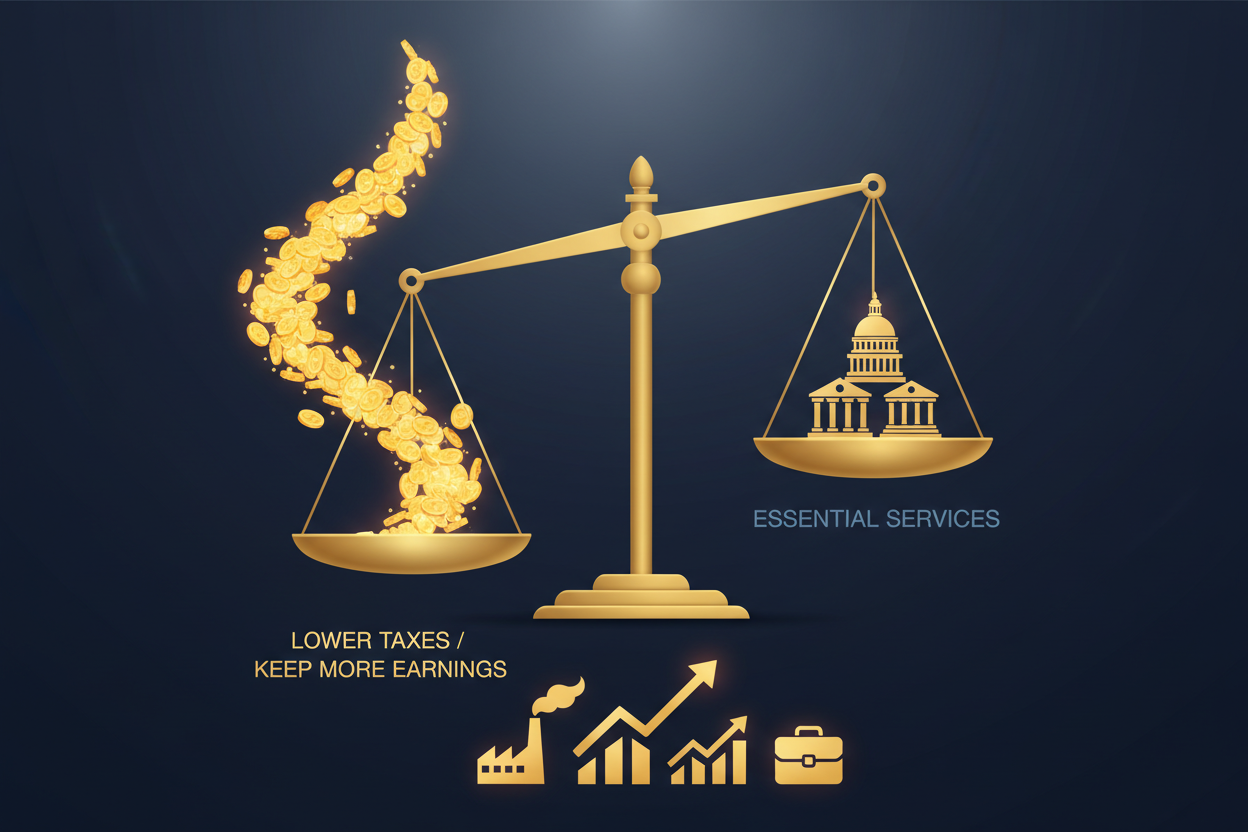
Conservative tax policy generally focuses on creating incentives for productive economic activity while generating sufficient revenue for essential government functions. This often translates into support for lower marginal tax rates, particularly on income and capital gains, based on the theory that individuals and businesses will work, save, and invest more when they can keep a larger share of their earnings.
The approach to corporate taxation under conservative policies typically emphasizes competitiveness in the global marketplace. Policymakers argue that reasonable corporate tax rates help attract business investment and prevent companies from relocating to lower-tax jurisdictions, which could result in job losses and reduced tax revenue over time.
Tax simplification is another common theme in conservative economic policy. Complex tax codes with numerous exemptions and special provisions can create economic distortions and compliance costs that reduce overall efficiency. Simplifying the tax system can reduce these administrative burdens while making the tax system more transparent and fair.
Monetary Policy and Financial Stability
While monetary policy is typically managed by independent central banks, conservative economic philosophy generally supports stable, predictable monetary policies that maintain price stability and avoid excessive inflation or deflation. This approach recognizes that monetary stability provides the foundation for long-term economic planning and investment decisions.
Conservative economists often express concern about the long-term effects of extremely accommodative monetary policies, such as prolonged periods of near-zero interest rates or large-scale asset purchases. While these policies might provide short-term economic stimulus, they can also create asset bubbles, encourage excessive risk-taking, and lead to misallocation of capital.
The focus on financial stability extends to banking and financial regulation. Conservative approaches typically favor regulations that ensure the safety and soundness of the financial system without unnecessarily restricting credit availability or innovation. This might include strong capital requirements for banks and clear rules for financial institutions, but with less emphasis on direct government involvement in credit allocation decisions.
Labor Markets and Employment Policies
Conservative economic policies approach labor markets with an emphasis on flexibility and voluntary agreements between employers and workers. This philosophy suggests that flexible labor markets adapt more quickly to economic changes, leading to lower unemployment rates and more efficient job matching.
Rather than extensive government job creation programs, conservative policies typically focus on removing barriers to employment and business formation. This might include reducing regulatory burdens on small businesses, reforming occupational licensing requirements that limit job opportunities, and ensuring that tax and benefit systems don’t create disincentives to work.
Education and skills training often receive attention in conservative economic policy, but with an emphasis on market-driven solutions. This could include support for vocational training programs that respond to actual employer needs, educational choice initiatives that promote competition among schools, and partnerships between educational institutions and private sector employers.
Trade and International Economic Relations
Conservative economic policies generally support free trade and open markets, viewing international commerce as a source of economic growth and efficiency. The theory behind this approach is that trade allows countries to specialize in their areas of comparative advantage, leading to higher overall productivity and living standards.
However, modern conservative economic thinking also recognizes the need for fair trade practices and protection of intellectual property rights. This means supporting trade agreements that include strong enforcement mechanisms and reciprocal market access, rather than simply eliminating all trade barriers unilaterally.
The approach to foreign investment under conservative policies typically welcomes capital inflows that contribute to productive capacity while maintaining appropriate oversight of investments that might affect national security or critical infrastructure. This balance seeks to capture the benefits of global capital flows while protecting essential national interests.
Challenges and Criticisms of Conservative Economic Policies
Like any economic approach, conservative policies face various challenges and criticisms that are important to acknowledge. One common concern is that emphasis on fiscal restraint might lead to underinvestment in public goods like infrastructure, education, and research that support long-term economic growth.
Critics also argue that conservative policies might not adequately address income inequality or provide sufficient social safety nets for those affected by economic disruptions. The focus on market solutions doesn’t always account for situations where markets fail to provide essential services or where individuals face barriers to participation that aren’t easily addressed through private sector initiatives alone.
Another challenge is that conservative economic policies might be less effective in responding to severe economic downturns that require rapid government intervention. The emphasis on fiscal discipline and limited government involvement can sometimes conflict with the need for countercyclical policies during recessions or financial crises.
Finding the Right Balance for Sustainable Growth
The ultimate goal of conservative economic policies is to create conditions for sustainable, long-term economic growth while maintaining financial stability. This requires careful calibration of various policy tools and recognition that economic conditions change over time.
Successful implementation of conservative economic policies often involves pragmatic adjustments based on economic data and changing circumstances. While maintaining core principles of fiscal responsibility and market orientation, effective policymakers recognize when targeted interventions or temporary departures from strict conservative orthodoxy might be necessary to address specific challenges.
The balance between growth and stability also requires attention to institutional quality and governance. Strong institutions that enforce the rule of law, protect property rights, and maintain transparent decision-making processes are essential for both conservative economic policies and broader economic development.
Conclusion: The Path Forward for Conservative Economic Policy
Conservative economic policies offer a framework for balancing economic growth and financial stability through market-oriented solutions, fiscal discipline, and limited government intervention. While these approaches have demonstrated success in various contexts, their effectiveness depends on thoughtful implementation and adaptation to changing economic conditions.
The key to successful conservative economic policy lies in maintaining core principles while remaining flexible enough to address new challenges and opportunities. This might involve updating regulatory frameworks for new technologies, adjusting fiscal policies based on demographic changes, or modifying trade approaches in response to evolving global economic relationships.
As we look toward the future, conservative economic policies will likely continue to evolve, incorporating lessons learned from past experiences while maintaining their fundamental commitment to market efficiency, fiscal responsibility, and sustainable growth. The ongoing challenge will be ensuring that these policies remain relevant and effective in an increasingly complex and interconnected global economy.
Understanding conservative economic policies and their implications helps inform important debates about the role of government, the functioning of markets, and the best approaches to promoting both economic prosperity and financial stability. Whether you agree with all aspects of conservative economic philosophy or not, these policies remain an important part of the broader conversation about how to create sustainable economic growth in the modern world.
Frequently Asked Questions
What are the main principles of conservative economic policies?
Conservative economic policies are based on free market principles, limited government intervention, fiscal responsibility, strong property rights, and the belief that markets efficiently allocate resources when allowed to operate with minimal interference.
How do conservative economic policies promote economic growth?
These policies promote growth through lower taxes that incentivize work and investment, reduced regulation that allows businesses to operate more efficiently, fiscal discipline that maintains economic stability, and free trade that enables specialization and competition.
What is the difference between conservative and liberal economic policies?
Conservative policies emphasize market solutions, limited government spending, and individual responsibility, while liberal policies typically support more government intervention, higher public spending on social programs, and stronger regulation of markets to address inequality and market failures.
Do conservative economic policies always lead to reduced government spending?
Not necessarily. Conservative policies focus on efficient and effective government spending rather than simply reducing all expenditures. They may support spending on defense, infrastructure, and other areas that provide public benefits while opposing programs they view as inefficient or counterproductive.
How do conservative economic policies address economic recessions?
Conservative approaches to recessions typically emphasize tax cuts to stimulate private sector activity, regulatory relief to reduce business costs, and maintaining fiscal discipline to preserve long-term economic stability, though they may support temporary measures during severe downturns.
Can conservative economic policies coexist with environmental protection?
Yes, many conservative economists support market-based environmental solutions such as carbon pricing, pollution trading systems, and incentives for clean technology development, arguing that market mechanisms can address environmental challenges more efficiently than command-and-control regulations.


Leave a Reply