

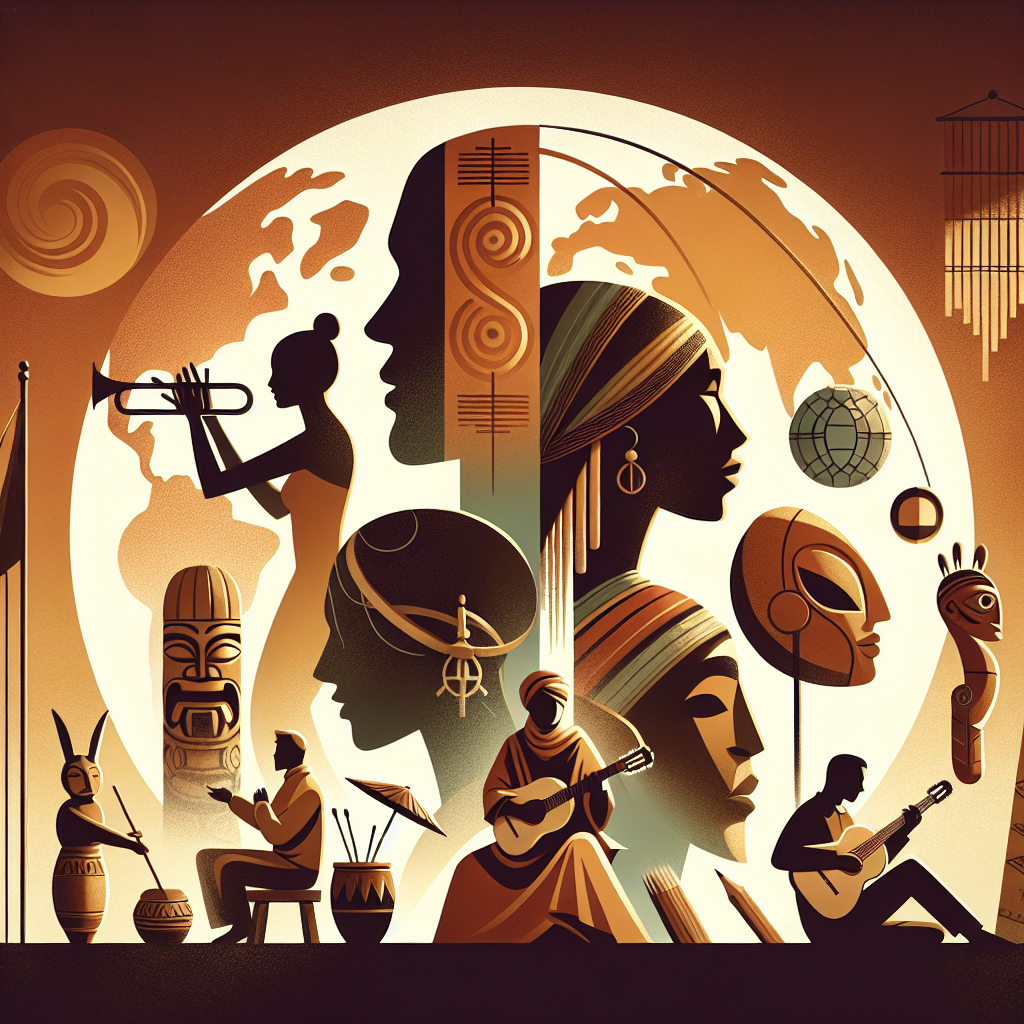
Cultural Anthropology: Understanding Human Societies
Cultural anthropology is a fascinating field that delves into the diverse tapestry of human societies. It unravels the complexities of cultures, beliefs, practices, and social structures, offering a window into the rich variety of human life across the globe. In this blog post, we’ll explore the key aspects of cultural anthropology, its significance, and how it helps us understand the world we live in.
The Essence of Cultural Anthropology
Cultural anthropology is a branch of anthropology focused on the study of cultural variations among humans. By examining cultural practices, language, rituals, and symbols, cultural anthropologists aim to understand the underlying principles that govern societies. This discipline provides insights into how cultures shape human experiences and influence behavior.

Key Concepts in Cultural Anthropology
Several core concepts form the foundation of cultural anthropology. Let’s take a closer look at some of them:
Culture and Society
Culture is a complex whole encompassing beliefs, customs, laws, art, and any other capabilities acquired by humans as members of society. It is dynamic and constantly evolving. Understanding culture helps anthropologists discern how societies function and adapt to changing environments.

Ethnography
Ethnography is a primary research method in cultural anthropology. It involves immersive fieldwork where anthropologists live within a community to observe and document cultural practices. This hands-on approach provides an in-depth understanding of a society from an insider’s perspective.
Cultural Relativism
Cultural relativism is the principle that an individual’s beliefs and activities should be understood in the context of their own culture. This concept encourages anthropologists to approach cultures without ethnocentric bias, fostering a more accurate and respectful understanding of different societies.
The Importance of Cultural Anthropology
Cultural anthropology plays a crucial role in our interconnected world. Here’s why it’s important:
Promoting Cross-Cultural Understanding
In an era of globalization, cultural anthropology helps bridge gaps between different cultures, promoting tolerance and appreciation for diversity. By understanding cultural nuances, we can foster more harmonious interactions on a global scale.
Preserving Cultural Heritage
Cultural anthropologists document and preserve the traditions and practices of communities, particularly those at risk of disappearing. This preservation is vital for maintaining cultural diversity and ensuring future generations can learn from past societies.
Informing Policy and Development
The insights gained from cultural anthropology are invaluable for policymakers and development organizations. By understanding the cultural context of a community, interventions can be more effectively designed to meet the needs and values of the people they aim to serve.
The Challenges Faced by Cultural Anthropologists
Despite its significance, cultural anthropology faces several challenges:
Ethical Considerations
Conducting research in diverse cultural settings requires sensitivity and ethical considerations. Anthropologists must ensure they respect the rights and dignity of the communities they study, navigating issues such as informed consent and cultural sensitivity.
Adapting to Change
As societies evolve, cultural anthropologists must adapt their methods and perspectives. The rapid pace of change, driven by technology and globalization, demands innovative approaches to studying cultures in contemporary contexts.
Conclusion
Cultural anthropology is an invaluable discipline that enriches our understanding of human societies. By exploring the intricacies of culture, ethnography, and social dynamics, anthropologists provide crucial insights into the diversity and complexity of human life. As we navigate an increasingly interconnected world, the knowledge gained from cultural anthropology will be essential in fostering mutual respect and understanding among diverse communities.
FAQs
What is the main focus of cultural anthropology?
Cultural anthropology primarily focuses on understanding the cultural variations among human societies, examining cultural practices, beliefs, and social structures to gain insights into how societies function and evolve.
How does cultural anthropology differ from other branches of anthropology?
While all branches of anthropology study human societies, cultural anthropology specifically concentrates on cultural aspects such as traditions, language, and social norms. In contrast, physical anthropology focuses on human biological and evolutionary aspects, and archaeology studies past human societies through material remains.
Why is cultural relativism important in cultural anthropology?
Cultural relativism is crucial because it encourages anthropologists to view cultures without bias, understanding beliefs and practices within their cultural context. This approach promotes a more respectful and accurate understanding of diverse societies.
How can cultural anthropology contribute to global development?
Cultural anthropology informs development projects by providing insights into the cultural context of communities, ensuring that interventions are respectful, relevant, and effective in meeting the needs and values of the people they aim to serve.



Leave a Reply
You must be logged in to post a comment.