

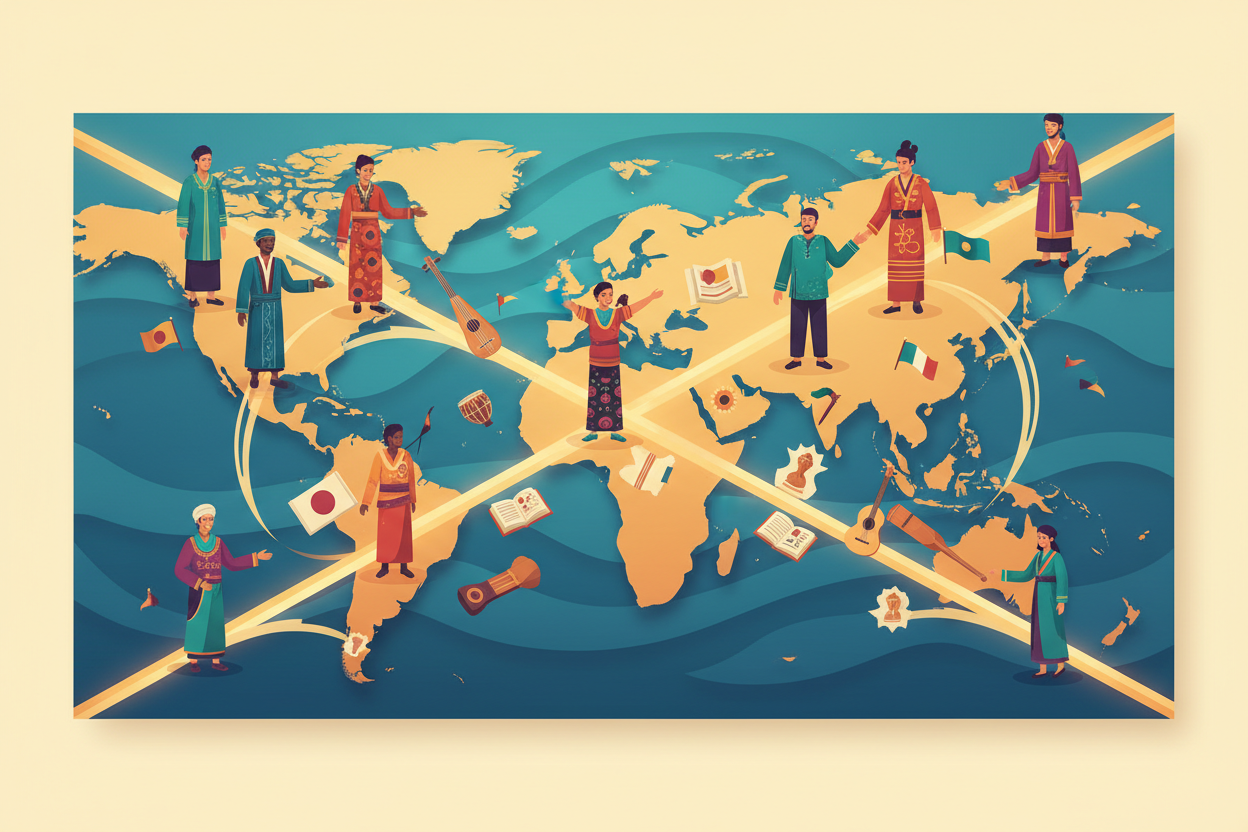
Cultural Exchange Programs: Bridging the Gap Between Nations
In our increasingly interconnected world, the need for genuine understanding between nations has never been more critical. While technology connects us virtually, nothing quite compares to the transformative power of cultural exchange programs. These initiatives create lasting bonds that transcend borders, fostering mutual respect and cooperation between countries that might otherwise remain strangers.
Cultural exchange programs represent one of humanity’s most effective tools for building bridges across divides. They offer participants the opportunity to step outside their comfort zones, challenge preconceptions, and develop a nuanced understanding of different ways of life. From student exchanges to professional development programs, these initiatives continue to shape global citizens who carry their experiences forward, creating ripple effects that benefit entire communities.
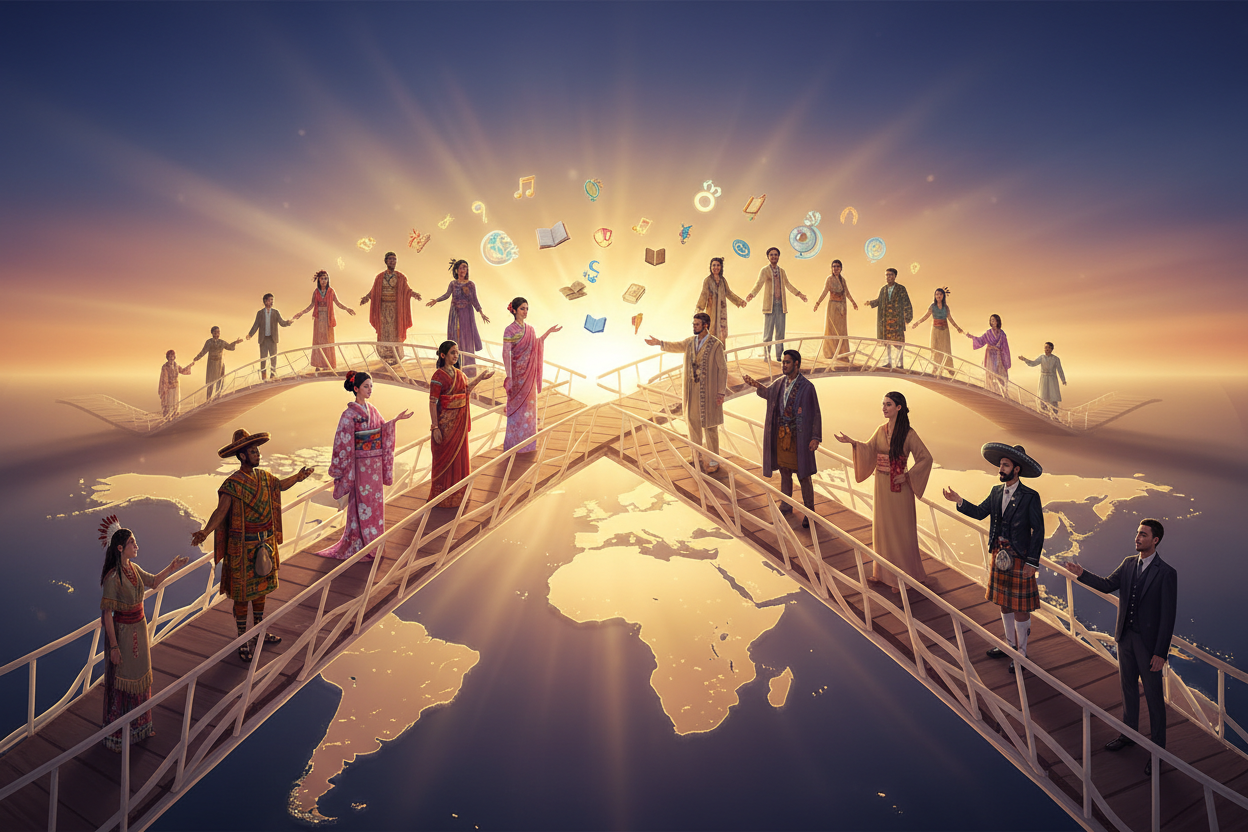
Understanding Cultural Exchange Programs
Cultural exchange programs are structured initiatives designed to facilitate meaningful interactions between people from different countries and cultures. These programs typically involve participants living, studying, or working in a foreign country for an extended period, allowing them to immerse themselves fully in a new cultural environment.
The concept isn’t new – cultural exchanges have existed in various forms for centuries. However, modern programs have evolved to become more systematic and purposeful, often supported by governments, educational institutions, and international organizations. Today’s exchanges range from high school student programs lasting a semester to professional fellowships spanning multiple years.

What sets these programs apart from simple tourism is their emphasis on deep cultural immersion. Participants don’t just visit a country; they live within its communities, attend local schools or workplaces, and form genuine relationships with local residents. This depth of engagement creates understanding that goes far beyond surface-level cultural awareness.
The Transformative Impact on Participants
The personal transformation experienced by cultural exchange participants is often profound and lasting. Many describe their exchange experience as life-changing, fundamentally altering their worldview and future aspirations. This transformation occurs through daily interactions that challenge assumptions and broaden perspectives.
Language acquisition represents one of the most tangible benefits. While classroom learning provides a foundation, nothing accelerates language skills like navigating daily life in a foreign tongue. Participants develop not just vocabulary and grammar, but also cultural nuances that textbooks cannot teach. They learn to read between the lines, understand humor, and communicate with authenticity.
Beyond language, participants develop crucial soft skills that serve them throughout their lives. Adaptability becomes second nature when you’re constantly adjusting to new customs and expectations. Problem-solving skills sharpen when familiar support systems are absent. Independence grows as participants learn to navigate challenges in unfamiliar environments.
Perhaps most importantly, cultural exchange participants develop empathy and global awareness. Living as a minority in a foreign culture provides invaluable perspective on diversity and inclusion. Participants return home with a deeper appreciation for different viewpoints and a natural inclination toward cross-cultural collaboration.
Building International Understanding and Cooperation
The impact of cultural exchange programs extends far beyond individual participants, contributing to broader international understanding and cooperation. These programs create networks of globally-minded individuals who maintain connections across borders long after their formal exchange period ends.
Research consistently demonstrates that cultural exchange participants become more internationally engaged throughout their lives. They’re more likely to pursue careers with international components, support foreign aid initiatives, and advocate for diplomatic solutions to global challenges. This creates a foundation of informed citizens who understand the complexities of international relations from personal experience.
Educational institutions benefit tremendously from hosting exchange students and sending their own students abroad. These programs enhance campus diversity, bringing fresh perspectives to classrooms and dormitories. Local students gain exposure to different cultures without leaving home, while international students contribute unique insights to academic discussions.
The business world increasingly recognizes the value of cultural exchange experience. Companies operating in global markets actively recruit employees with international experience, understanding that cultural competency is essential for success in diverse markets. Exchange alumni often become bridges between their home countries and host countries in professional contexts.
Economic Benefits of Cultural Exchange
While the cultural and educational benefits of exchange programs are well-documented, their economic impact is equally significant. These programs generate substantial revenue for host communities through housing, food, transportation, and recreational spending by participants.
The education sector particularly benefits from international student exchanges. Foreign students contribute billions of dollars annually to host country economies through tuition fees and living expenses. This revenue supports not only educational institutions but also local businesses, from restaurants to bookstores to entertainment venues.
Long-term economic benefits often exceed immediate spending. Exchange alumni frequently become lifelong ambassadors for their host countries, encouraging tourism, investment, and trade relationships. Many return as business partners, investors, or skilled immigrants, contributing to economic growth in their former host communities.
Cultural exchange programs also foster innovation through the cross-pollination of ideas. When students and professionals from different backgrounds collaborate, they bring diverse perspectives to problem-solving. This intellectual diversity drives creativity and innovation, leading to breakthroughs that benefit entire industries.
Challenges and Solutions in Cultural Exchange
Despite their numerous benefits, cultural exchange programs face significant challenges that require ongoing attention and creative solutions. Financial barriers remain one of the most persistent obstacles, preventing many deserving candidates from participating in exchange opportunities.
The cost of international travel, accommodation, and living expenses can be prohibitive for students from lower-income families. While scholarships and financial aid exist, they often don’t cover all expenses, creating inequality in access to exchange opportunities. Organizations are increasingly developing innovative funding models, including corporate sponsorships and government partnerships, to address these disparities.
Visa restrictions and immigration policies present another significant challenge. Political tensions between countries can limit exchange opportunities, while complex visa processes deter potential participants. Advocacy for streamlined visa procedures for educational exchanges remains an ongoing priority for program administrators.
Cultural adjustment difficulties can also pose challenges for participants. Homesickness, language barriers, and cultural misunderstandings are common experiences that require robust support systems. Successful programs invest heavily in pre-departure preparation and ongoing support services to help participants navigate these challenges.
Safety concerns, particularly in regions experiencing political instability or health crises, require careful risk assessment and management. Programs must balance the desire to provide meaningful experiences with the responsibility to ensure participant safety. This often involves developing comprehensive emergency protocols and maintaining close relationships with local authorities.
The Future of Cultural Exchange Programs
The landscape of cultural exchange programs continues to evolve, adapting to technological advances and changing global circumstances. Virtual exchange programs have emerged as a complement to traditional in-person experiences, allowing participants to engage with international partners through digital platforms.
While virtual programs cannot fully replicate the immersive experience of living in a foreign culture, they offer valuable opportunities for cross-cultural dialogue and collaboration. These programs are particularly beneficial for participants who cannot travel due to financial, family, or health constraints. They also serve as excellent preparation for future in-person exchanges.
Hybrid models combining virtual and in-person components are gaining popularity. Participants might begin with virtual cultural orientation and language learning before embarking on shorter but more intensive in-person experiences. This approach maximizes the benefits of both formats while addressing practical constraints.
Sustainability considerations are increasingly influencing program design. Organizations are exploring ways to reduce the environmental impact of international travel while maintaining program effectiveness. This includes developing regional exchange networks and extending program durations to maximize the impact of each trip.
The integration of technology into traditional exchange programs is enhancing the participant experience. Mobile apps provide real-time cultural guidance, language translation, and emergency support. Social media platforms help participants maintain connections and share experiences, extending the program’s impact beyond the formal participation period.
Conclusion
Cultural exchange programs represent one of our most powerful tools for building a more connected and understanding world. Through these initiatives, we create opportunities for individuals to experience different cultures firsthand, developing empathy, skills, and perspectives that benefit not only themselves but their entire communities.
The challenges facing cultural exchange programs are real and significant, but they are not insurmountable. Through continued innovation, advocacy, and investment, we can ensure that these transformative opportunities remain accessible to diverse participants from all backgrounds. The future of international relations depends partly on our ability to foster understanding between peoples, and cultural exchange programs provide a proven pathway to achieve this goal.
As we navigate an increasingly complex global landscape, the need for cultural bridge-builders has never been greater. Every participant in a cultural exchange program becomes an ambassador for understanding, carrying forward the lessons learned and relationships formed during their experience. In this way, cultural exchange programs don’t just bridge gaps between nations – they help build the foundation for a more peaceful and collaborative world.
Frequently Asked Questions
What are the most popular types of cultural exchange programs?
The most popular types include student exchange programs (high school and university level), au pair programs, work and travel programs, volunteer abroad initiatives, and professional fellowship programs. Each type offers different durations and focus areas to suit various interests and career goals.
How long do cultural exchange programs typically last?
Program durations vary widely depending on the type and purpose. High school exchanges typically last one semester or academic year, university programs range from one semester to a full academic year, while professional programs can last anywhere from a few months to several years. Short-term programs of 2-8 weeks are also available for those with limited time availability.
What are the eligibility requirements for cultural exchange programs?
Eligibility requirements vary by program but commonly include age restrictions, academic performance standards, language proficiency requirements, and sometimes specific field of study requirements. Most programs also require participants to demonstrate cultural adaptability, maturity, and genuine interest in cross-cultural learning.
How much do cultural exchange programs cost?
Costs vary significantly based on destination, program duration, and included services. Programs can range from a few thousand dollars for short-term experiences to $20,000 or more for year-long programs. Many programs offer scholarships, financial aid, or fundraising support to help offset costs.
Are cultural exchange programs safe?
Reputable cultural exchange programs prioritize participant safety through comprehensive screening processes, thorough orientation programs, ongoing support services, and emergency protocols. While no international experience is without risk, established programs have extensive safety measures and support systems in place to protect participants.
Do I need to speak the local language to participate in an exchange program?
Language requirements vary by program and destination. Some programs require basic proficiency before departure, while others welcome beginners and provide language support. Many participants find that immersion in the local environment accelerates language learning significantly, regardless of their starting level.