

Healthy Communication: The Foundation of Strong Relationships
Picture this: You’re having a conversation with your partner, friend, or family member, and instead of feeling heard and understood, you walk away frustrated, misunderstood, or even hurt. Sound familiar? We’ve all been there. The truth is, most relationship problems stem from poor communication rather than incompatible personalities or irreconcilable differences.
Healthy communication isn’t just about talking more or expressing your feelings loudly. It’s about creating a safe space where both people feel valued, respected, and genuinely heard. Whether you’re navigating a romantic relationship, friendship, or family dynamic, mastering the art of effective communication can transform your connections from merely surviving to truly thriving.
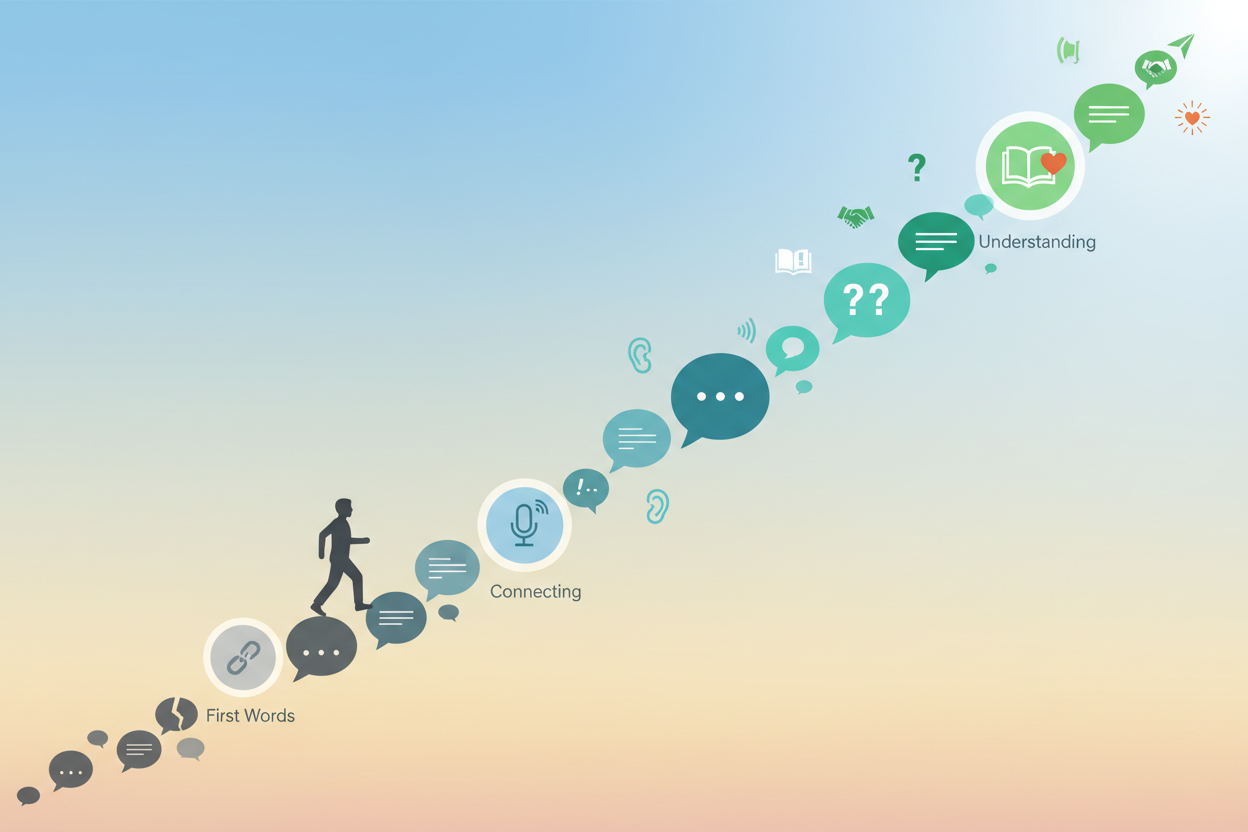
In this comprehensive guide, we’ll explore what healthy communication really means, why it matters so much, and most importantly, how you can develop these essential skills to build stronger, more fulfilling relationships in every area of your life.
Understanding What Healthy Communication Really Means
Healthy communication goes far beyond simply exchanging words. It’s a dynamic process that involves active listening, emotional awareness, empathy, and mutual respect. When we communicate healthily, we’re not just trying to get our point across – we’re genuinely interested in understanding the other person’s perspective and finding common ground.
Think of healthy communication as a bridge that connects two people’s inner worlds. This bridge allows thoughts, feelings, needs, and desires to flow freely in both directions without judgment or criticism. It creates an environment where vulnerability is safe and authenticity is celebrated.
One key aspect that many people overlook is that healthy communication isn’t about avoiding conflict altogether. Instead, it’s about navigating disagreements and differences in a way that strengthens rather than damages the relationship. It’s about fighting fair and finding solutions together rather than trying to win at all costs.
The Core Elements of Effective Communication
Building strong communication skills requires understanding and practicing several fundamental elements. These components work together to create meaningful, productive conversations that deepen relationships rather than strain them.
Active listening forms the cornerstone of healthy communication. This means giving your full attention to the speaker, putting away distractions, and truly absorbing what they’re saying rather than just waiting for your turn to talk. When you practice active listening, you’re showing the other person that their thoughts and feelings matter to you.
Emotional intelligence plays an equally important role. This involves recognizing and managing your own emotions while also being attuned to the emotional state of others. When you can identify when you’re feeling triggered or when your conversation partner seems upset, you can adjust your approach accordingly.
Clear and honest expression is another crucial element. This means being direct about your needs, feelings, and boundaries without being aggressive or manipulative. It’s about saying what you mean and meaning what you say, while also considering how your words might affect the other person.
Building Trust Through Open and Honest Dialogue
Trust and communication are inseparably linked – you can’t have one without the other. Every conversation is an opportunity to either build trust or erode it, depending on how you handle the exchange.
When you consistently show up as your authentic self in conversations, you create psychological safety for the other person. This means admitting when you don’t know something, acknowledging your mistakes, and being vulnerable about your fears or insecurities when appropriate.
Honesty doesn’t mean being brutally blunt or sharing every thought that crosses your mind. Instead, it’s about being truthful in a way that’s considerate and constructive. For example, instead of saying “You always interrupt me,” you might say “I noticed I wasn’t able to finish my thought just now. Could I share the rest of what I was thinking?”
Building trust also requires consistency over time. When your words align with your actions and you follow through on commitments made during conversations, you demonstrate reliability that strengthens the relationship foundation.
Active Listening: The Art of Truly Hearing Others
Active listening is perhaps the most undervalued skill in communication, yet it’s often the most powerful. When someone feels truly heard, it creates an immediate sense of connection and validation that can transform the entire dynamic of a relationship.
To practice active listening, start by eliminating distractions. Put down your phone, turn away from the computer, and give the speaker your full attention. Make eye contact and use body language that shows you’re engaged – lean in slightly, nod when appropriate, and maintain an open posture.
Resist the urge to formulate your response while the other person is speaking. Instead, focus entirely on understanding their message, both the words they’re saying and the emotions behind them. Ask clarifying questions like “What I’m hearing is… is that right?” or “Help me understand what that felt like for you.”
Reflection is a powerful active listening technique where you mirror back what you’ve heard. This doesn’t mean parroting their exact words, but rather summarizing the essence of their message to ensure you’ve understood correctly. This simple practice can prevent countless misunderstandings and shows the speaker that you’re genuinely trying to comprehend their perspective.
Managing Conflict Constructively
Conflict is inevitable in any meaningful relationship, but how you handle disagreements can either strengthen your bond or create lasting damage. Healthy communication during conflict focuses on the issue at hand rather than attacking the person’s character.
One effective approach is using “I” statements instead of “you” statements. Rather than saying “You never listen to me,” try “I feel unheard when I’m interrupted.” This subtle shift moves the conversation away from blame and toward expressing your own experience and needs.
Timing matters enormously when addressing conflicts. Bringing up sensitive topics when either person is stressed, tired, or distracted rarely leads to productive outcomes. Instead, choose a time when you can both be fully present and relatively calm.
Remember that the goal of healthy conflict resolution isn’t to win or to prove you’re right. It’s to understand each other better and find a solution that works for both parties. Sometimes this means compromising, and sometimes it means agreeing to disagree while maintaining respect for each other’s positions.
Setting Healthy Boundaries in Communication
Boundaries aren’t walls that keep people out – they’re guidelines that help relationships function more smoothly. In communication, boundaries might include things like not discussing certain topics during specific times, agreeing to take breaks when conversations become too heated, or establishing that certain forms of communication (like yelling or name-calling) are unacceptable.
Setting boundaries requires clear, direct communication about your needs and limits. For example, you might say, “I need to take a 20-minute break when our discussions get this intense so I can collect my thoughts and respond more thoughtfully.”
It’s important to communicate boundaries with kindness rather than defensiveness. Explain why the boundary is important to you and how it will benefit the relationship. Most people are willing to respect reasonable boundaries when they understand the reasoning behind them.
Remember that boundaries work both ways. Just as you have the right to set limits on how you want to be communicated with, others have the same right. Respecting other people’s communication boundaries shows maturity and consideration that strengthens mutual trust.
Practical Strategies for Daily Implementation
Improving communication skills requires consistent practice and intentional effort. Start small by implementing one or two techniques at a time rather than trying to overhaul your entire communication style overnight.
Create regular check-ins with important people in your life. This could be a weekly conversation with your partner about how things are going, or monthly coffee dates with close friends where you focus on deeper connection rather than just catching up on surface-level news.
Practice mindful communication by taking a moment before responding in conversations. This brief pause allows you to consider your words and choose responses that align with your values and relationship goals rather than simply reacting emotionally.
Pay attention to your nonverbal communication as well. Your tone of voice, facial expressions, and body language often communicate more than your words. Make sure these elements align with your intended message to avoid sending mixed signals.
The Long-Term Benefits of Healthy Communication
Investing in healthy communication skills pays dividends that extend far beyond individual conversations. Relationships built on strong communication foundations tend to be more resilient during challenging times, more satisfying during good times, and more likely to last over the long term.
When communication flows well, conflicts are resolved more quickly and completely, leaving less residual resentment or unfinished business. This creates more space for joy, intimacy, and shared growth within the relationship.
Good communication skills also tend to be contagious. As you model healthy communication patterns, others often begin to mirror these behaviors, creating positive ripple effects throughout your social network.
Perhaps most importantly, healthy communication allows relationships to evolve and deepen over time rather than stagnating or deteriorating. When people feel safe to express their authentic selves and know they’ll be heard with respect, relationships can continue growing and adapting to life’s changes.
Building healthy communication skills is one of the most valuable investments you can make in your relationships and your overall quality of life. While it takes practice and patience to develop these abilities, the rewards – deeper connections, reduced conflict, increased trust, and more fulfilling relationships – are immeasurable.
Start where you are, use what you have, and do what you can. Every conversation is an opportunity to practice these skills and strengthen your relationships. Remember, perfect communication doesn’t exist, but intentional, caring communication can transform your connections in ways you never imagined possible.
Frequently Asked Questions
How long does it take to develop healthy communication skills?
Developing healthy communication skills is an ongoing process that varies for each person. You may notice improvements in your conversations within a few weeks of conscious practice, but mastering these skills typically takes months or even years. The key is consistent effort and patience with yourself as you learn.
What should I do if the other person isn’t willing to communicate healthily?
You can only control your own communication style, not others’. Focus on modeling healthy communication behaviors and setting clear boundaries about how you want to be treated. Sometimes this inspires others to improve their communication, but it’s important not to expect or demand change from others.
Is it normal to feel awkward when first practicing these techniques?
Absolutely! Any new skill feels awkward at first. Active listening, using “I” statements, and other healthy communication techniques may feel unnatural initially. With practice, these behaviors will become more automatic and feel more natural.
How do I handle someone who gets defensive when I try to communicate openly?
Defensiveness often stems from feeling attacked or misunderstood. Try using softer language, acknowledging their perspective, and focusing on your own feelings rather than their behavior. If defensiveness persists, it may be helpful to address the communication pattern itself in a calm moment.
Can healthy communication save a troubled relationship?
While healthy communication can significantly improve many relationship problems, it’s not a magic solution for every issue. However, it often reveals the true nature of problems and provides the best possible foundation for working through difficulties together.

Leave a Reply
You must be logged in to post a comment.