

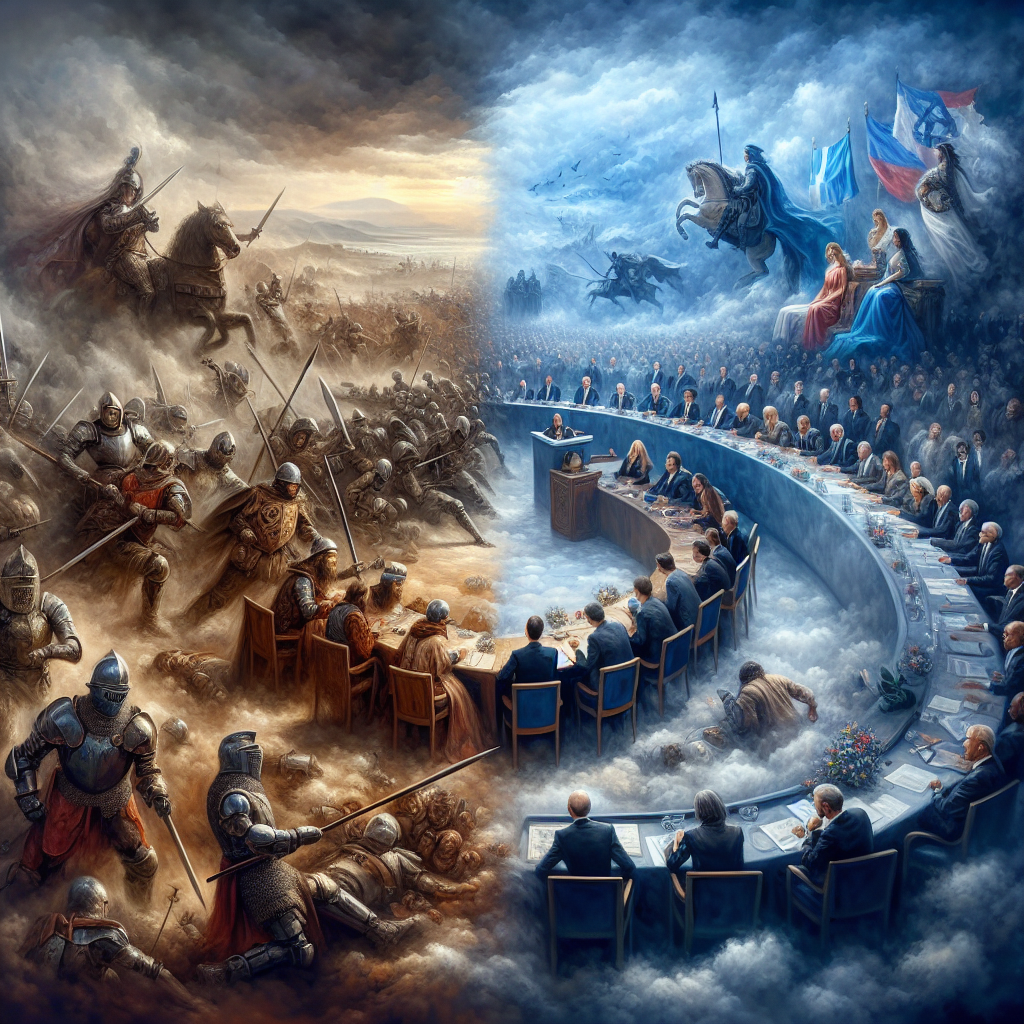
Historic Battles and Their Impact on Global Politics
Throughout history, battles have not only determined the fate of nations but have also significantly influenced global politics. These historic conflicts have reshaped borders, altered power dynamics, and set the stage for future diplomatic relations. In this blog post, we’ll explore some key battles and their lasting impacts on global politics.
The Battle of Hastings: Redefining English Sovereignty
The Battle of Hastings in 1066 was a pivotal moment in English history. When William the Conqueror defeated King Harold II, it marked the beginning of Norman rule in England. This battle didn’t just change who sat on the English throne; it introduced Norman culture, language, and governance structures, which influenced the development of England as a nation.
The political impact of the Battle of Hastings extended beyond England. It changed the balance of power in Europe, as the Normans brought with them new technologies and combat techniques that spread across the continent. The fusion of Anglo-Saxon and Norman cultures laid the groundwork for modern British society and its global influence.
The Battle of Stalingrad: A Turning Point in World War II
Fast forward to the 20th century, and we encounter the Battle of Stalingrad, one of the most brutal confrontations of World War II. Fought between the Axis powers led by Nazi Germany and the Soviet Union, this battle was a significant turning point in the war. The Soviet victory not only marked the beginning of the Nazi retreat from the Eastern Front but also bolstered Soviet prestige and influence.
The outcome of Stalingrad had profound implications for post-war global politics. It shifted the balance of power towards the Allies and positioned the Soviet Union as a superpower. The division between East and West that emerged after the war can partly be traced back to the outcomes of crucial battles like Stalingrad, setting the stage for the Cold War.
The Battle of Waterloo: The End of Napoleonic Ambitions
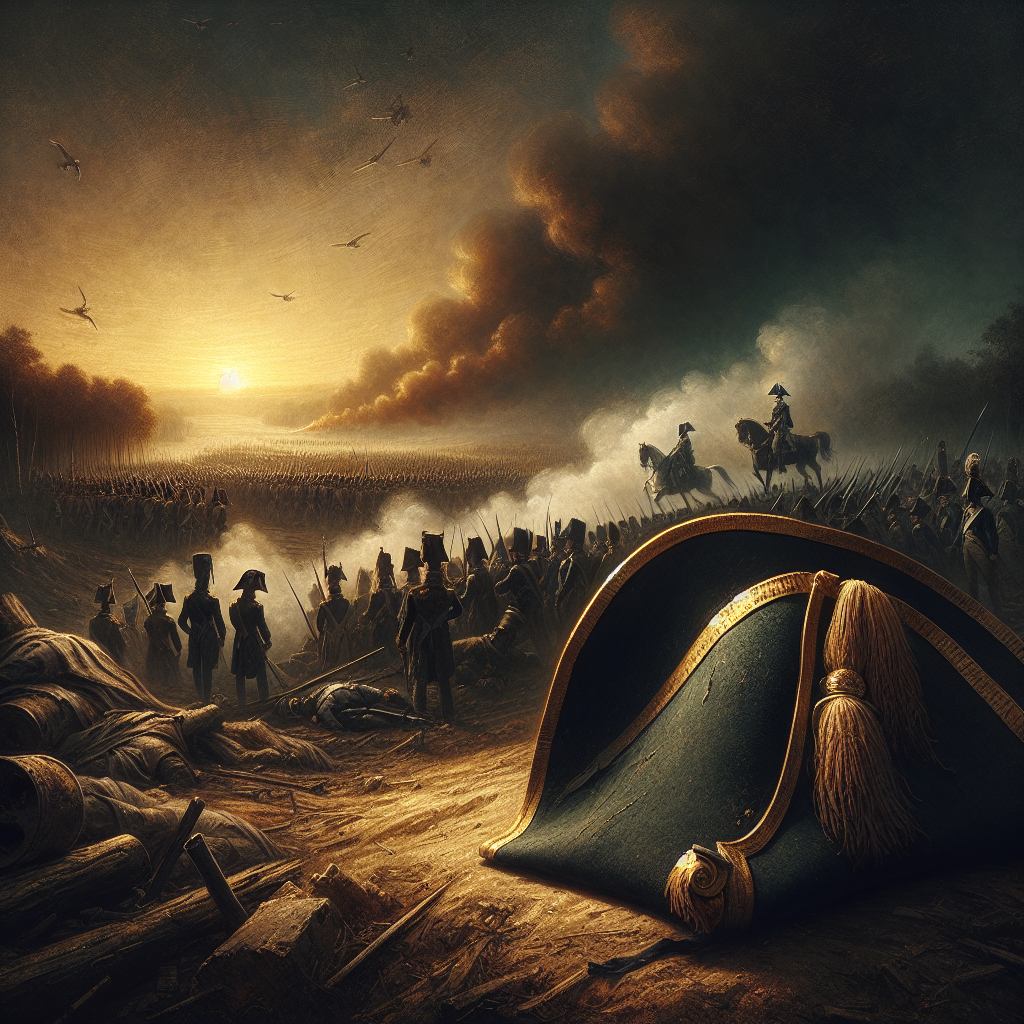
The Battle of Waterloo in 1815 was a decisive conflict that ended Napoleon Bonaparte’s ambitions of European domination. This battle saw the defeat of the French forces by the Seventh Coalition, which included Britain, Prussia, and other European allies. Waterloo was more than just a military defeat for Napoleon; it marked the end of the Napoleonic Wars and ushered in a new era of European diplomacy.
The Congress of Vienna, convened after Napoleon’s defeat, aimed to restore balance and prevent future wars. It established a framework for international cooperation and conflict resolution that influenced global politics for decades. The diplomatic principles set during this congress can be seen as precursors to modern-day international organizations and treaties.
The Battle of Midway: Shifting Tides in the Pacific
The Battle of Midway in 1942 was a crucial naval engagement during World War II, marking a significant turning point in the Pacific Theater. The United States’ decisive victory over Japan not only crippled the Japanese fleet but also shifted the momentum of the war towards the Allies.
This battle had far-reaching consequences for global politics. It demonstrated the strategic importance of aircraft carriers and naval aviation, reshaping military strategies worldwide. The success at Midway boosted American morale and established the U.S. as a dominant naval power, influencing post-war geopolitical dynamics in the Pacific and beyond.
The Battle of Gettysburg: A Defining Moment in American History
The Battle of Gettysburg, fought during the American Civil War in 1863, was a critical clash that turned the tide in favor of the Union. This battle is often considered a turning point in the war, as it halted the Confederate invasion of the North and strengthened the resolve of the Union forces.
Politically, the Union victory at Gettysburg had profound implications for the United States. It bolstered support for President Abraham Lincoln and his policies, paving the way for the eventual abolition of slavery. The battle also reinforced the idea of a united nation, influencing American identity and its role on the global stage in the years to come.
Conclusion
Historic battles have shaped the world we live in today, influencing political landscapes, cultural exchanges, and power dynamics. From the fields of Hastings to the waters of Midway, these conflicts have left indelible marks on global politics. Understanding these battles and their impacts helps us comprehend the complexities of international relations and the ongoing quest for peace and stability.
FAQs
Q: What was the significance of the Battle of Hastings?
A: The Battle of Hastings in 1066 marked the beginning of Norman rule in England, significantly influencing English culture, language, and governance.
Q: How did the Battle of Stalingrad impact World War II?
A: The Battle of Stalingrad was a turning point in World War II, leading to the retreat of Nazi forces from the Eastern Front and boosting Soviet influence.
Q: Why is the Battle of Waterloo important?
A: The Battle of Waterloo ended Napoleon Bonaparte’s rule and led to the Congress of Vienna, which established a framework for European diplomacy and conflict resolution.
Q: What was the outcome of the Battle of Midway?
A: The Battle of Midway resulted in a decisive victory for the United States, shifting the momentum in the Pacific Theater and establishing the U.S. as a leading naval power.
Q: How did the Battle of Gettysburg influence American history?
A: The Battle of Gettysburg was a turning point in the American Civil War, strengthening the Union’s resolve and influencing the eventual abolition of slavery.

Leave a Reply
You must be logged in to post a comment.