

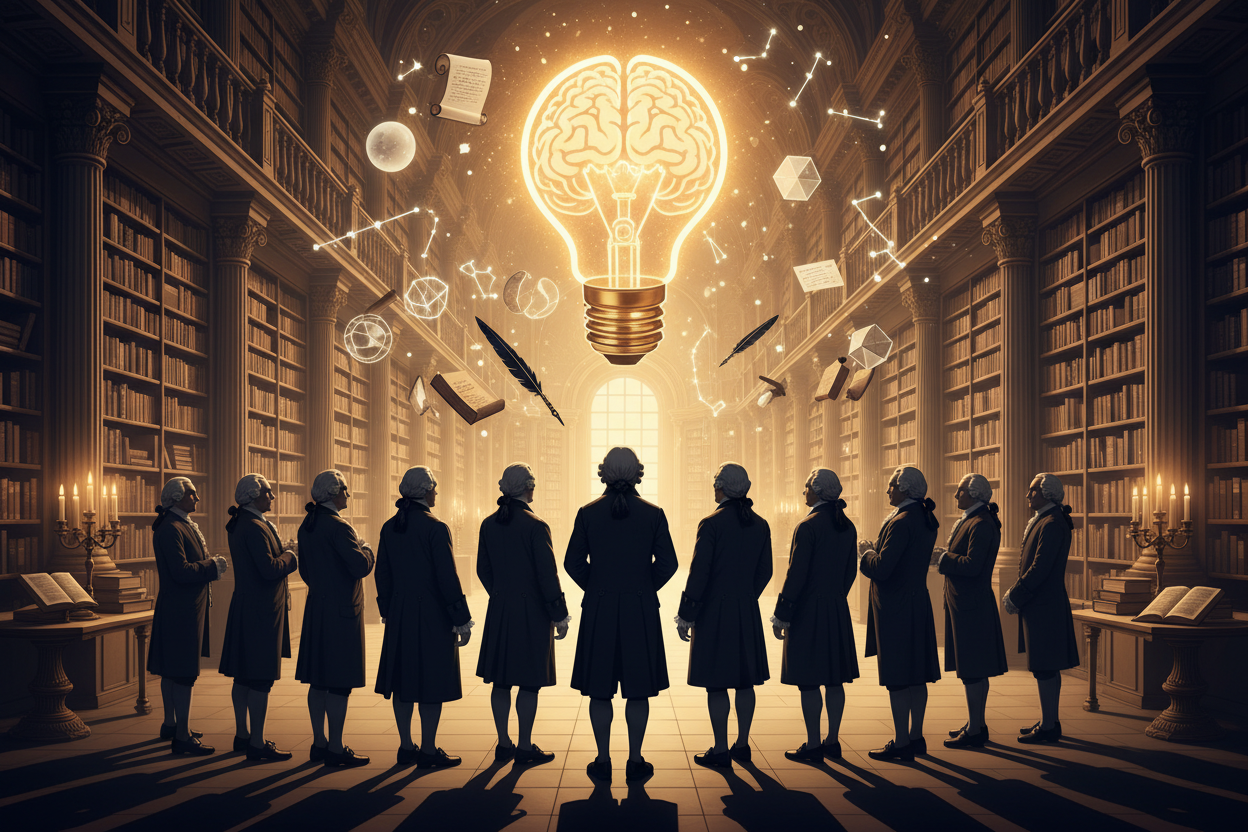
Historical Figures of the Enlightenment and Their Philosophies: Minds That Shaped Modern Thought
The Age of Enlightenment, spanning roughly from the late 17th to the 18th century, stands as one of history’s most transformative intellectual movements. This remarkable period birthed revolutionary ideas about reason, individual rights, and human progress that continue to influence our world today. From the bustling coffeehouses of London to the elegant salons of Paris, brilliant minds gathered to challenge traditional authority and champion the power of human intellect.
The Enlightenment philosophers didn’t just theorize in isolation—they actively shaped political revolutions, scientific discoveries, and social reforms that echo through modern democracy, education, and human rights. Understanding these influential thinkers and their groundbreaking philosophies helps us appreciate the foundations of contemporary society and the ongoing relevance of their ideas in our digital age.

John Locke: The Father of Modern Liberalism
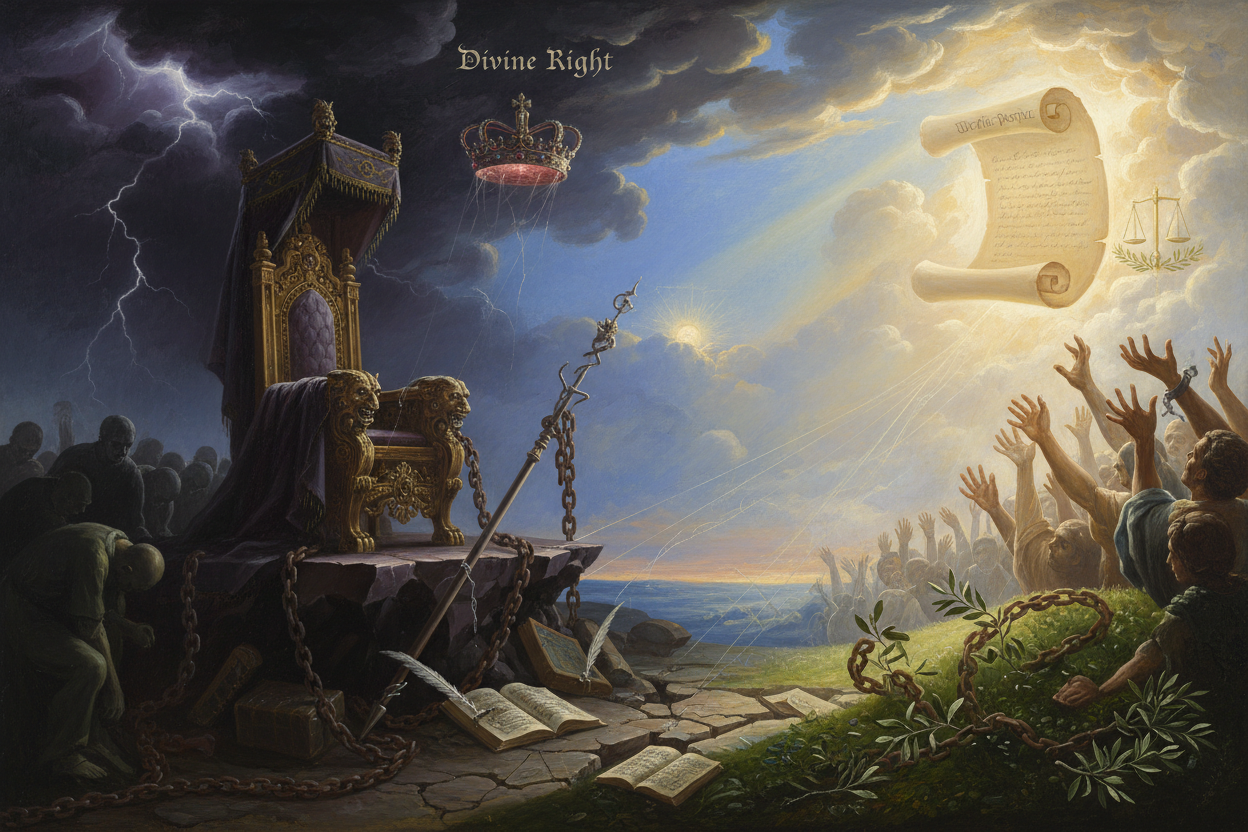
John Locke, often called the father of liberalism, fundamentally transformed how we think about government, individual rights, and human nature. Born in 1632, this English philosopher challenged the prevailing belief in absolute monarchy and divine right of kings. His revolutionary concept of the “social contract” proposed that governments derive their legitimacy from the consent of the governed—a radical notion that would later inspire the American Declaration of Independence.
Locke’s theory of natural rights established that all humans possess inherent rights to life, liberty, and property. He argued that these rights existed before government and that protecting them was government’s primary purpose. When rulers failed in this duty, Locke boldly declared, people had the right to revolution. This philosophy directly influenced the American colonists’ justification for independence from British rule.
Perhaps equally influential was Locke’s educational philosophy. He rejected the idea that children were born inherently sinful or that harsh discipline was necessary for learning. Instead, he advocated for nurturing environments that encouraged curiosity and critical thinking—principles that continue to shape modern educational approaches.
Voltaire: Champion of Religious Tolerance and Free Speech
François-Marie Arouet, better known by his pen name Voltaire, embodied the Enlightenment spirit of challenging authority through wit, satire, and relentless criticism. This French writer and philosopher spent his life battling religious intolerance, political oppression, and social injustice with his razor-sharp pen.
Voltaire’s famous declaration, “I may disagree with what you say, but I will defend to the death your right to say it,” captures his passionate advocacy for freedom of speech and expression. Having experienced imprisonment and exile for his controversial writings, he understood firsthand the importance of protecting dissenting voices.
His campaign for religious tolerance emerged from witnessing the persecution of French Protestants and other religious minorities. Voltaire argued that religious diversity strengthened rather than weakened society, promoting his philosophy of deism—belief in a rational God who created natural laws but didn’t intervene in human affairs. This perspective challenged both atheism and organized religion, offering a middle ground that appealed to many Enlightenment thinkers.
Jean-Jacques Rousseau: The Social Contract and Natural Goodness
Jean-Jacques Rousseau presented a fascinating counterpoint to many Enlightenment thinkers by questioning whether civilization truly represented human progress. This Geneva-born philosopher argued that humans were naturally good but corrupted by society’s artificial constraints and inequalities.
Rousseau’s masterwork, “The Social Contract,” opened with the memorable line: “Man is born free, and everywhere he is in chains.” He proposed that legitimate government required citizens to surrender some individual freedoms in exchange for collective protection and the general will. Unlike Locke’s emphasis on protecting individual property rights, Rousseau prioritized collective welfare and democratic participation.
His educational philosophy, outlined in “Emile,” revolutionized thinking about child development. Rousseau advocated for natural education that followed children’s developmental stages rather than forcing adult concepts upon young minds. This child-centered approach influenced educational reformers for centuries and continues to impact modern pedagogy.
Immanuel Kant: Reason, Morality, and Human Dignity
Immanuel Kant, the methodical German philosopher who reportedly never traveled more than ten miles from his hometown of Königsberg, produced some of the Enlightenment’s most profound and enduring insights. His systematic approach to philosophy addressed fundamental questions about knowledge, morality, and human nature.
Kant’s “Critique of Pure Reason” established limits on human knowledge while defending reason’s capacity to understand the natural world. He argued that while we cannot know things as they truly are (noumena), we can reliably understand how they appear to us through our mental categories and sensory experience.
Perhaps more influential was Kant’s moral philosophy, particularly his categorical imperative: “Act only according to that maxim whereby you can at the same time will that it should become a universal law.” This principle provided a rational foundation for ethics independent of religious authority or cultural tradition. Kant’s emphasis on human dignity and autonomy profoundly influenced modern concepts of human rights and democratic governance.
Adam Smith: The Wealth of Nations and Moral Sentiments
Adam Smith, often mischaracterized as purely a free-market economist, actually developed a comprehensive philosophy encompassing both economic theory and moral sentiment. This Scottish philosopher understood that successful societies required both efficient markets and strong moral foundations.
Smith’s “The Wealth of Nations” introduced the concept of the “invisible hand”—the idea that individual self-interest, when operating within proper institutional frameworks, could promote broader social welfare. However, Smith never advocated for unregulated capitalism. He recognized that markets required moral constraints and government intervention to prevent exploitation and ensure fair competition.
Equally important was Smith’s “Theory of Moral Sentiments,” which explored how humans develop empathy and moral judgment through social interaction. He argued that our capacity for sympathy—imagining ourselves in others’ situations—forms the foundation of ethical behavior. This insight remains relevant for contemporary discussions about social cohesion and moral education.
Mary Wollstonecraft: Pioneer of Women’s Rights
Mary Wollstonecraft courageously extended Enlightenment principles of reason and equality to challenge one of the era’s most entrenched inequalities: the subordination of women. Her groundbreaking work “A Vindication of the Rights of Woman” applied Enlightenment logic to demonstrate that women’s apparent intellectual inferiority resulted from educational deprivation, not natural limitation.
Wollstonecraft argued that denying women education and political participation violated natural rights principles that male philosophers claimed to champion. She demonstrated the contradiction in celebrating reason while excluding half of humanity from developing their rational capacities. Her vision of gender equality was remarkably advanced, advocating for women’s economic independence, political participation, and educational opportunities.
Despite facing ridicule and social ostracism for her radical views, Wollstonecraft’s philosophy laid crucial groundwork for later feminist movements. Her personal life—including unconventional relationships and single motherhood—reflected her commitment to living according to her principles rather than social conventions.
The Lasting Impact of Enlightenment Philosophy
The philosophical innovations of these Enlightenment thinkers created intellectual foundations that continue supporting modern democratic societies. Their emphasis on reason, individual rights, and human progress inspired political revolutions, scientific advancement, and social reform movements that transformed the world.
Contemporary debates about free speech, religious tolerance, educational reform, economic policy, and human rights all draw upon concepts developed during the Enlightenment. When we discuss the proper role of government, the importance of critical thinking, or the value of diversity, we’re engaging with questions these philosophers first systematically explored.
However, the Enlightenment legacy also includes troubling contradictions. Many philosophers who championed universal human rights simultaneously supported slavery, colonialism, or gender inequality. These inconsistencies remind us that even brilliant thinkers remain products of their historical context and that applying Enlightenment principles requires ongoing critical examination.
Frequently Asked Questions
What was the main goal of Enlightenment philosophers?
Enlightenment philosophers primarily sought to apply reason and scientific thinking to human society, challenging traditional authorities like absolute monarchy and religious dogma. They aimed to improve human conditions through rational analysis, individual rights, and social progress.
How did Enlightenment ideas influence the American Revolution?
Enlightenment concepts of natural rights, consent of the governed, and the right to revolution directly influenced American colonial leaders. John Locke’s theories particularly shaped the Declaration of Independence, while concepts of separation of powers influenced the Constitution’s structure.
Why is the Enlightenment sometimes called the Age of Reason?
The period earned this name because philosophers emphasized reason and rational thinking as the primary means of understanding the world and solving human problems, rather than relying solely on tradition, religious authority, or superstition.
What role did women play in the Enlightenment?
While often excluded from formal philosophical circles, women like Mary Wollstonecraft made crucial contributions to Enlightenment thought. Women also hosted influential salons where ideas were discussed and refined, playing important roles in intellectual networks.
How do Enlightenment ideas remain relevant today?
Modern democratic institutions, human rights frameworks, scientific methods, and educational approaches all build upon Enlightenment foundations. Contemporary debates about freedom of speech, religious tolerance, and government legitimacy continue engaging with questions these philosophers first systematically explored.
What were the main criticisms of Enlightenment thinking?
Critics argued that Enlightenment emphasis on reason sometimes ignored emotion, tradition, and cultural diversity. Some philosophers also failed to apply their principles consistently, supporting slavery or gender inequality while advocating universal rights. Later thinkers also questioned whether reason alone could solve all human problems.


Leave a Reply
You must be logged in to post a comment.