
How Constitutional Rights Are Tested in Times of Crisis: When Democracy Faces Its Greatest Challenges
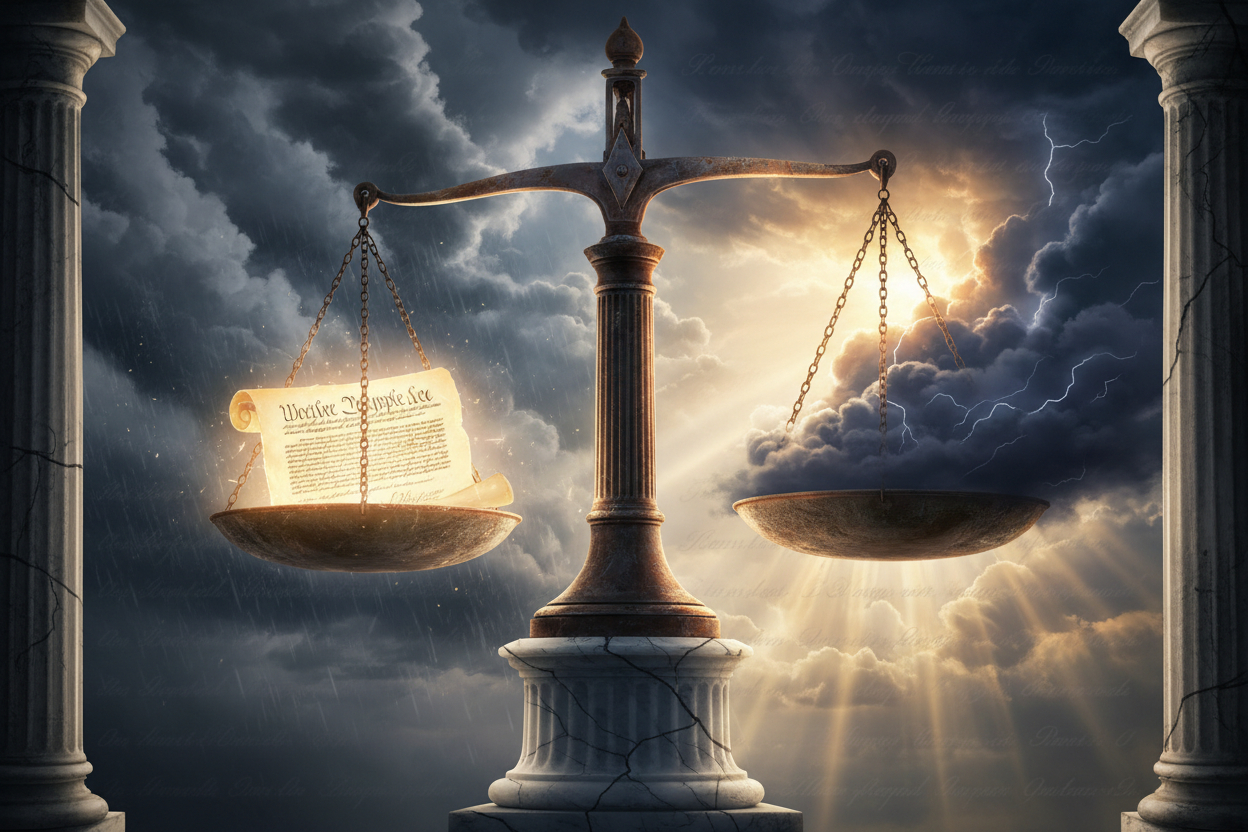
Throughout history, moments of crisis have served as the ultimate stress test for democratic institutions and constitutional rights. Whether facing pandemics, terrorist attacks, economic collapse, or natural disasters, societies often find themselves walking a tightrope between protecting public safety and preserving fundamental freedoms. These challenging periods reveal both the strength and fragility of our constitutional framework, forcing us to confront difficult questions about the balance between security and liberty.
The tension between individual rights and collective security becomes particularly acute during emergencies. What happens when the very foundations of our democracy are challenged by unprecedented circumstances? How do we navigate the complex landscape of constitutional law when time is of the essence and lives hang in the balance?
The Historical Context of Constitutional Rights During Emergencies
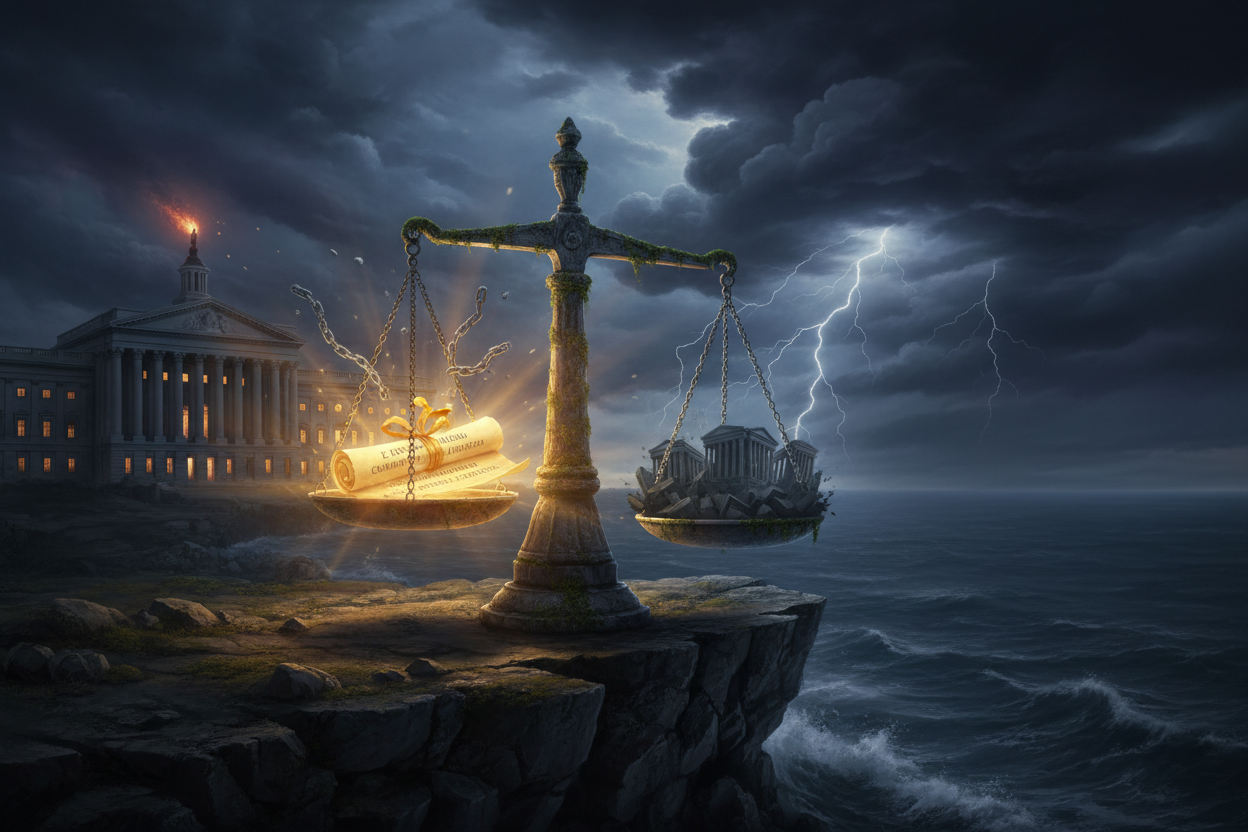
America’s relationship with constitutional rights during crises has been complex and sometimes troubling. The Constitution itself provides limited guidance on emergency powers, leaving much to interpretation and precedent. The Founding Fathers, having experienced the tyranny of unchecked power, were deliberately cautious about granting emergency authorities to government officials.
Consider the Civil War era, when President Lincoln suspended habeas corpus without Congressional approval. While many historians argue this action was necessary to preserve the Union, it set a precedent for executive overreach during times of national emergency. Lincoln himself wrestled with these decisions, famously asking whether it was better to lose the Constitution by following it strictly or to preserve it by occasionally violating its provisions.
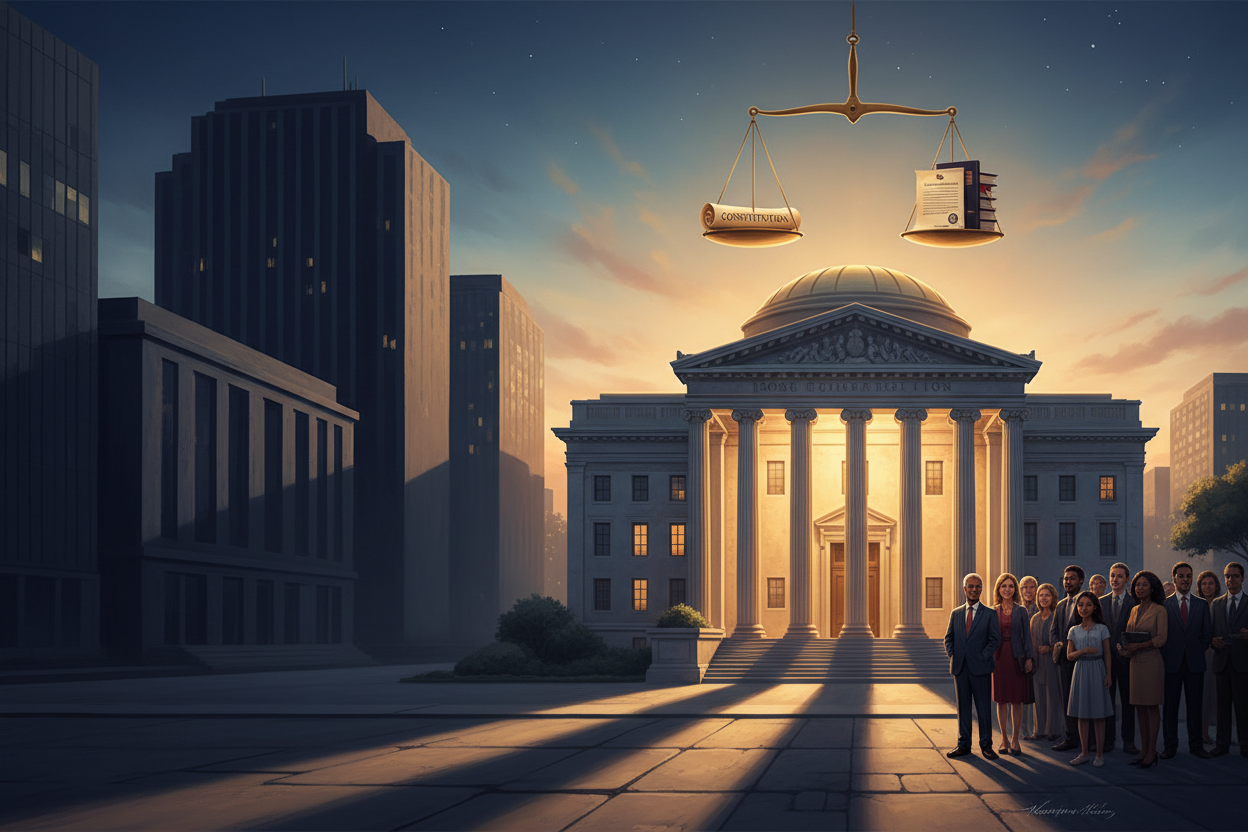
The World War I period brought the Espionage Act of 1917, which severely restricted free speech rights. Citizens were prosecuted for criticizing the war effort, and the Supreme Court upheld many of these restrictions in cases like Schenck v. United States, establishing the “clear and present danger” test that would influence free speech jurisprudence for decades.
Modern Examples of Constitutional Rights Under Pressure
The September 11, 2001 terrorist attacks fundamentally changed how Americans view the balance between security and liberty. The USA PATRIOT Act expanded government surveillance powers, allowing authorities to monitor communications and access personal records with reduced judicial oversight. While supporters argued these measures were essential for preventing future attacks, critics warned about the erosion of Fourth Amendment protections against unreasonable searches and seizures.
The establishment of military tribunals for suspected terrorists raised questions about due process rights guaranteed by the Fifth and Sixth Amendments. The indefinite detention of individuals at Guantanamo Bay challenged traditional notions of habeas corpus and the right to a speedy trial. These policies sparked intense debate about whether the Constitution’s protections extend to non-citizens and whether emergency circumstances justify departing from established legal procedures.
More recently, the COVID-19 pandemic presented a different type of constitutional challenge. State governments imposed lockdowns, business closures, and gathering restrictions that affected First Amendment rights to assembly and religion, as well as economic liberties. Courts struggled to balance public health imperatives against constitutional protections, leading to a patchwork of rulings across different jurisdictions.
The Role of the Judicial System in Protecting Rights
Federal courts serve as the primary guardians of constitutional rights during emergencies, but their effectiveness varies significantly. Judges often face immense pressure to defer to executive and legislative judgments during crises, particularly when national security is at stake. The Supreme Court’s track record shows both moments of courage and instances of regrettable deference to government overreach.
The Japanese American internment during World War II represents one of the judiciary’s greatest failures. In Korematsu v. United States, the Supreme Court upheld the forced relocation and detention of over 100,000 Japanese Americans, demonstrating how fear and prejudice can corrupt constitutional interpretation. This decision, later recognized as fundamentally wrong, serves as a cautionary tale about the dangers of judicial deference during times of crisis.
However, courts have also shown remarkable independence in protecting constitutional rights. During the Pentagon Papers case in 1971, the Supreme Court rejected the Nixon administration’s attempt to prevent publication of classified documents, reinforcing the principle that prior restraint on speech faces an extremely heavy burden of justification. More recently, federal courts have checked various executive actions related to immigration and surveillance, showing that judicial review remains a vital safeguard even in challenging times.
The Balance Between Security and Individual Liberty
Finding the right balance between collective security and individual rights requires careful consideration of several factors. First, any restrictions on constitutional rights must be narrowly tailored to address specific threats. Broad, sweeping measures that affect large populations without clear justification are more likely to be struck down by courts and face public opposition.
Second, emergency measures should include sunset provisions or regular review mechanisms to prevent temporary restrictions from becoming permanent features of government. History shows that emergency powers, once granted, are rarely voluntarily relinquished by those in authority. The gradual normalization of surveillance programs initially justified by the 9/11 attacks illustrates this tendency.
Third, transparency and public debate remain essential even during crises. While some operational details may need to remain classified, the general framework of emergency policies should be subject to democratic oversight. Secret programs that operate without public knowledge or judicial review pose particular dangers to constitutional governance.
Lessons Learned from Past Constitutional Crises
Examining historical precedents reveals several important lessons about protecting constitutional rights during emergencies. Perhaps most importantly, decisions made in the heat of crisis often look different with the benefit of hindsight. The internment of Japanese Americans, the suppression of anti-war speech during World War I, and various surveillance programs have all been subject to criticism and reform in later years.
This pattern suggests the importance of building in safeguards and review mechanisms from the beginning, rather than relying on post-crisis corrections. Constitutional rights are most vulnerable when fear dominates rational deliberation, making it crucial to have institutional protections that can withstand temporary panics.
Another key lesson involves the importance of maintaining democratic institutions and processes even under pressure. While efficiency may sometimes require streamlined decision-making, completely bypassing legislative oversight or judicial review creates dangerous precedents that can undermine constitutional government long after the immediate crisis has passed.
The Future of Constitutional Rights in Crisis Situations
Looking ahead, several trends will likely shape how constitutional rights are tested in future crises. Technology presents both new threats to privacy and new tools for government surveillance. Artificial intelligence, facial recognition systems, and digital tracking capabilities give authorities unprecedented ability to monitor citizens, raising novel Fourth Amendment questions that existing legal frameworks may struggle to address.
Climate change and environmental disasters may create new types of emergencies that test constitutional limits. Mass population movements, resource scarcity, and infrastructure failures could lead to calls for expanded government powers that affect property rights, freedom of movement, and other constitutional protections.
Cybersecurity threats represent another emerging area where constitutional rights may face new pressures. Protecting critical infrastructure from cyber attacks might require monitoring internet communications in ways that challenge traditional privacy expectations, forcing courts to adapt constitutional principles to digital realities.
Frequently Asked Questions
Can the government suspend constitutional rights during a national emergency?
The government cannot simply suspend constitutional rights, but it can impose reasonable restrictions that are narrowly tailored to address specific emergency situations. Any such restrictions must still meet constitutional standards and are subject to judicial review.
What is the difference between martial law and emergency powers?
Martial law involves military control over civilian government and the suspension of normal legal processes. Emergency powers are more limited authorities that allow government to take specific actions during crises while maintaining constitutional governance and civilian control.
How do courts decide if emergency restrictions on rights are constitutional?
Courts typically apply a balancing test, weighing the government’s compelling interest in public safety against the severity of restrictions on constitutional rights. The restrictions must be narrowly tailored, temporary, and the least restrictive means of achieving the government’s legitimate objectives.
Are non-citizens entitled to constitutional protections during emergencies?
While the extent of constitutional protections for non-citizens remains a complex legal question, most courts have held that basic due process rights apply to all persons within U.S. jurisdiction, regardless of citizenship status.
Can states have different emergency powers than the federal government?
Yes, states have their own emergency powers under their constitutions and laws, but these cannot violate federal constitutional rights or conflict with valid federal emergency measures. The relationship between state and federal emergency powers can be complex and sometimes leads to legal disputes.
The testing of constitutional rights during crises remains one of the most challenging aspects of democratic governance. While emergencies may require temporary adjustments to normal legal procedures, the fundamental principle that government power must remain constrained by constitutional limits should never be abandoned. History teaches us that the rights we surrender in moments of fear are often difficult to reclaim, making vigilance and careful deliberation essential even in our darkest hours. As we face future challenges, our ability to maintain this delicate balance between security and liberty will ultimately determine whether our constitutional democracy can endure and thrive through whatever trials lie ahead.

Leave a Reply
You must be logged in to post a comment.