


Libertarianism’s Approach to Healthcare: Freedom of Choice
Healthcare remains one of the most contentious political topics of our time, with passionate debates raging about government involvement, insurance coverage, and access to medical services. While mainstream discussions often center around universal healthcare versus private insurance models, there’s another perspective that deserves careful consideration: the libertarian approach to healthcare. This philosophy emphasizes individual freedom, market-based solutions, and minimal government intervention as the path to better health outcomes and more affordable care.
At its core, libertarian healthcare philosophy rests on the belief that individuals should have complete autonomy over their medical decisions, free from government mandates or excessive regulation. This approach challenges conventional wisdom about healthcare policy and offers unique solutions to problems that have plagued healthcare systems worldwide. Let’s explore how libertarian principles could reshape healthcare delivery and what this might mean for patients, providers, and society as a whole.

Core Principles of Libertarian Healthcare Philosophy
The libertarian approach to healthcare is built on several fundamental principles that distinguish it from both progressive and conservative healthcare models. The primary tenet is individual sovereignty – the idea that each person has the absolute right to make decisions about their own body and medical care without external coercion.
This philosophy extends beyond simple patient choice to encompass the entire healthcare ecosystem. Libertarians argue that both patients and healthcare providers should operate in a free market environment where voluntary exchanges determine prices, services, and quality standards. They believe that competition, rather than regulation, drives innovation and efficiency in healthcare delivery.
Another cornerstone of libertarian healthcare thinking is the rejection of healthcare as a positive right. While acknowledging that healthcare is important, libertarians distinguish between negative rights (freedom from interference) and positive rights (entitlement to goods or services). They argue that while everyone should be free to pursue healthcare, no one has the right to demand that others provide it for them at taxpayer expense.
Market-Based Solutions and Competition
Libertarians advocate for unleashing market forces in healthcare through deregulation and increased competition. They argue that many of healthcare’s current problems stem from government interference that distorts natural market mechanisms. By removing barriers to entry, eliminating price controls, and reducing regulatory burden, they believe healthcare costs would naturally decrease while quality improves.
One key aspect of this approach involves expanding direct primary care models, where patients pay doctors directly for services without insurance intermediaries. This model has shown promise in reducing costs and improving doctor-patient relationships. When patients pay directly, they become more cost-conscious consumers, and doctors can focus on patient care rather than insurance paperwork and regulatory compliance.
The libertarian model also supports allowing healthcare providers to compete across state lines, potentially reducing costs through increased competition. They advocate for transparent pricing, arguing that when patients can easily compare costs and quality metrics, market forces will drive down prices while improving service quality.
Medical savings accounts represent another market-based solution that aligns with libertarian principles. These accounts allow individuals to save money tax-free for medical expenses, giving them greater control over their healthcare spending while encouraging cost-conscious decision-making.
Individual Responsibility and Personal Choice
Personal responsibility forms a crucial component of libertarian healthcare philosophy. This approach emphasizes that individuals should bear the primary responsibility for their health outcomes and healthcare decisions. Libertarians argue that when people face the full consequences of their choices – both positive and negative – they make better decisions about their health and healthcare consumption.
This principle extends to lifestyle choices that affect health outcomes. Rather than using government programs to subsidize healthcare for those with preventable conditions, libertarians advocate for allowing natural consequences to incentivize healthy behavior. They argue that when individuals bear the full cost of their healthcare choices, they’re more likely to adopt healthy lifestyles and make informed medical decisions.
The emphasis on personal choice also means supporting individuals’ rights to refuse medical treatment, choose alternative medicine, or make decisions that others might consider unwise. Libertarians strongly oppose government mandates requiring specific treatments or preventive measures, viewing such requirements as violations of individual autonomy.
Reducing Government Intervention and Regulation
Libertarian healthcare policy focuses heavily on reducing government involvement in healthcare markets. They argue that excessive regulation has created artificial scarcity, inflated costs, and reduced innovation in healthcare delivery. By eliminating or significantly reducing regulatory barriers, they believe market forces would naturally improve healthcare access and affordability.
This includes challenging occupational licensing requirements that they view as protectionist measures rather than genuine safety regulations. Libertarians argue that many healthcare services could be safely provided by practitioners with less extensive (and expensive) training, making basic healthcare more accessible and affordable.
They also advocate for eliminating certificate-of-need laws that restrict healthcare facility construction and equipment purchases. These regulations, originally designed to prevent healthcare overcapacity, are viewed by libertarians as barriers that reduce competition and maintain artificially high prices.
Drug regulation represents another area where libertarians seek reduced government intervention. While not necessarily advocating for eliminating all drug safety measures, they argue for faster approval processes and greater patient access to experimental treatments, especially for terminal conditions.
Private Charity and Mutual Aid Solutions
Critics often ask how libertarian healthcare systems would address the needs of those who cannot afford medical care. Libertarians point to private charity and mutual aid societies as more effective and morally sound alternatives to government welfare programs. They argue that voluntary charitable giving is more efficient than government redistribution and creates stronger community bonds.
Historically, mutual aid societies and fraternal organizations provided healthcare benefits to members through voluntary association and shared risk pooling. Libertarians suggest that modern versions of these organizations could emerge in a free market healthcare system, providing affordable coverage options for those who cannot access traditional insurance.
Religious and community organizations have long provided healthcare services, and libertarians argue that these institutions would expand their efforts in the absence of government programs. They contend that private charity is more responsive to individual needs and more efficient in resource allocation than bureaucratic government programs.
Addressing Common Concerns and Criticisms
The libertarian approach to healthcare faces several common criticisms that deserve thoughtful consideration. One primary concern is whether market-based healthcare would leave vulnerable populations without access to necessary medical care. Libertarians respond that current government-heavy systems often fail these populations anyway, while creating inefficiencies that make healthcare more expensive for everyone.
Another frequent criticism concerns emergency care and the problem of uncompensated care. Libertarians acknowledge this challenge but argue that true market pricing would make basic healthcare much more affordable, reducing the number of people unable to pay for emergency services. They also point to successful examples of charitable healthcare organizations that provide emergency care without government funding.
Critics also worry about information asymmetries in healthcare markets, where patients may lack the knowledge to make informed decisions about complex medical treatments. Libertarians argue that market competition would create incentives for better patient education and transparent quality reporting, while third-party rating services would emerge to help consumers make informed choices.
The concern about healthcare as a public good – where individual health decisions affect community health – presents another challenge. Libertarians generally maintain that voluntary cooperation and market incentives can address public health concerns more effectively than government mandates, though this remains a point of ongoing debate within libertarian circles.
Real-World Examples and Case Studies
While no country has implemented a purely libertarian healthcare system, several real-world examples demonstrate aspects of market-based healthcare in action. Direct primary care practices in the United States have shown success in reducing costs while improving patient satisfaction and health outcomes. These practices typically charge monthly membership fees and provide comprehensive primary care services without insurance billing.
Medical tourism represents another market-based phenomenon that illustrates libertarian principles. Patients traveling to countries with less regulated healthcare markets often receive high-quality care at significantly lower costs than in their home countries. This demonstrates how reduced regulation and increased competition can drive down prices while maintaining quality.
Some specialty healthcare markets, such as cosmetic surgery and LASIK eye surgery, operate with minimal insurance involvement and demonstrate how market competition can drive innovation and cost reduction. These markets have seen dramatic price decreases and quality improvements over time, largely due to direct consumer payment and competitive pressures.
Telemedicine represents an emerging area where market forces are driving innovation despite regulatory challenges. As regulations slowly adapt to technological capabilities, we’re seeing increased access to healthcare services and reduced costs in many areas of medical care.
Conclusion
The libertarian approach to healthcare offers a fundamentally different perspective on one of society’s most pressing challenges. By emphasizing individual freedom, market-based solutions, and personal responsibility, this philosophy presents alternatives to the conventional debate between government-run and heavily regulated private healthcare systems.
While libertarian healthcare solutions face legitimate criticisms and practical challenges, they also offer potential benefits including reduced costs, increased innovation, and greater individual autonomy in medical decision-making. The emphasis on voluntary cooperation and market mechanisms provides a framework for addressing healthcare needs while preserving individual liberty and economic efficiency.
As healthcare costs continue to rise and access remains challenging for many people, exploring alternative approaches becomes increasingly important. The libertarian perspective, with its focus on freedom of choice and market solutions, deserves serious consideration in ongoing healthcare policy discussions. Whether implemented in whole or in part, these principles could contribute to more effective, affordable, and patient-centered healthcare systems.
Ultimately, the libertarian approach to healthcare reflects broader philosophical questions about the role of government, individual responsibility, and the nature of rights in a free society. As we continue to grapple with healthcare challenges, understanding these different perspectives helps inform more thoughtful and comprehensive policy discussions about the future of healthcare delivery.
Frequently Asked Questions
What would happen to people with pre-existing conditions in a libertarian healthcare system?
Libertarians argue that without government regulations that artificially inflate healthcare costs, basic medical care would become much more affordable, making it accessible even for those with pre-existing conditions. They also point to mutual aid societies and charitable organizations as voluntary alternatives to government-mandated coverage. Some libertarian thinkers propose that true insurance markets would develop products specifically for managing chronic conditions when freed from regulatory constraints.
How would emergency medical care work without government involvement?
In a libertarian system, emergency care would likely operate through a combination of private emergency services, charitable hospitals, and mutual aid organizations. Libertarians argue that market competition would drive down the cost of emergency care, making it more accessible. They also suggest that emergency care providers would develop innovative payment solutions, such as payment plans or charity care programs, to address uncompensated care issues.
Would a libertarian healthcare system lead to lower quality medical care?
Libertarians contend that market competition would actually improve quality by allowing consumers to choose providers based on outcomes and value. They argue that current regulatory systems often protect poor performers and limit innovation. In a free market, healthcare providers would compete on quality metrics, patient satisfaction, and outcomes, leading to continuous improvement. Third-party rating agencies and quality certification organizations would emerge to help consumers make informed choices.
How would medical research and development be funded without government support?
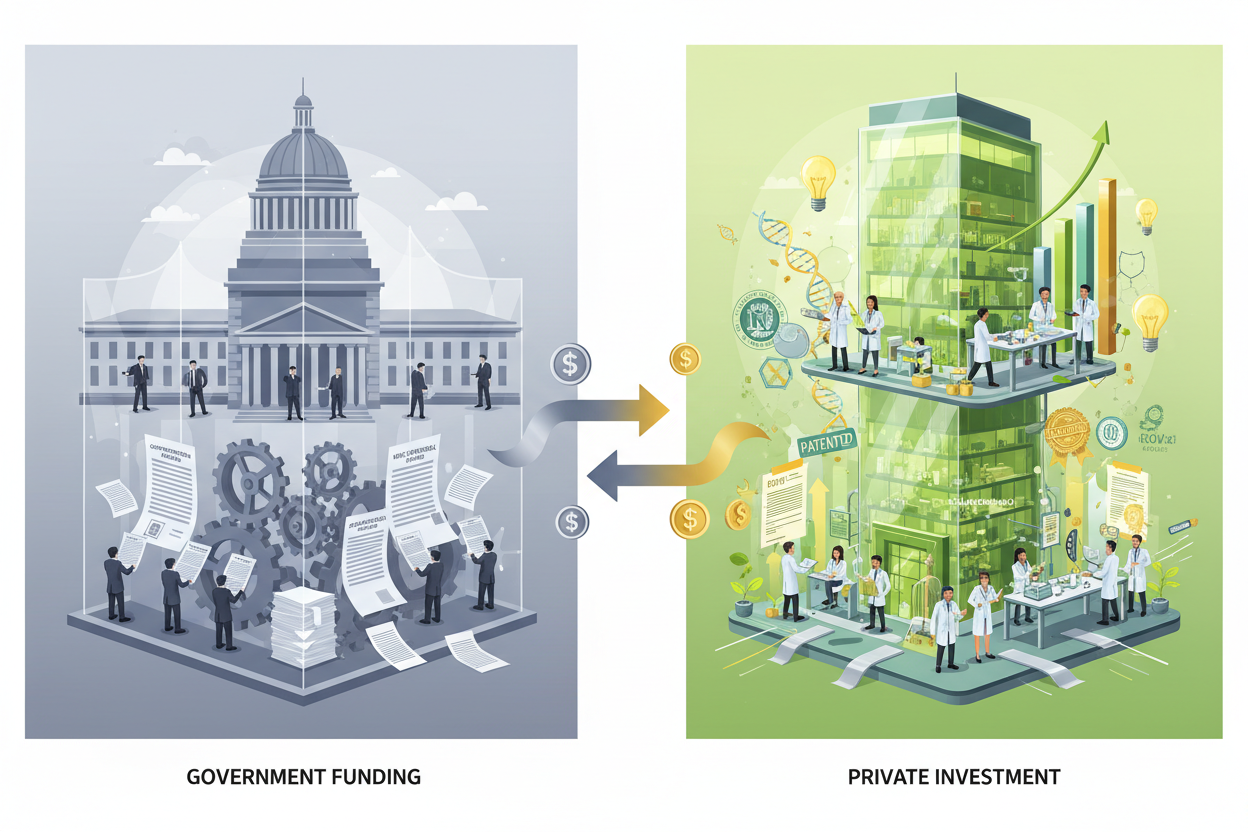
Libertarians believe that private funding for medical research would increase in the absence of government programs, as pharmaceutical companies and private research institutions would have greater incentives to innovate. They point to successful private research initiatives and argue that patent protections and market rewards for innovation would drive research and development more efficiently than government funding. Charitable foundations and private donors would also likely increase their support for medical research.
What about public health measures like vaccination programs and disease prevention?
This remains one of the more debated aspects within libertarian healthcare philosophy. Many libertarians support voluntary vaccination and disease prevention programs funded by private organizations or voluntary community initiatives. They argue that market incentives and voluntary cooperation can address public health concerns effectively. Some libertarian thinkers acknowledge that certain public health measures might require collective action, leading to ongoing discussions about the minimal government role that might be necessary for addressing genuine public health emergencies.



Leave a Reply