
Progressive Democrats and Their Vision for the Future: Transforming America Through Bold Policy Reform
In today’s rapidly evolving political landscape, Progressive Democrats have emerged as a powerful force advocating for transformative change across America. Their vision extends far beyond traditional Democratic policies, encompassing sweeping reforms that aim to address systemic inequalities, climate change, and economic disparities. As we look toward the future, understanding the Progressive Democratic movement and its ambitious agenda becomes increasingly important for voters, policymakers, and citizens who want to grasp where American politics might be heading.
The Progressive Democratic wing represents more than just another political faction—it embodies a fundamental reimagining of what government can and should do for its people. From Alexandria Ocasio-Cortez’s Green New Deal to Bernie Sanders’ Medicare for All, these leaders aren’t just proposing incremental changes; they’re presenting a complete overhaul of how America approaches healthcare, climate policy, economic inequality, and social justice.
The Core Principles Driving Progressive Democrats Forward
Progressive Democrats build their platform on several foundational principles that distinguish them from both traditional Democrats and Republicans. At the heart of their movement lies a belief that government should play an active role in ensuring economic equality and social justice for all Americans, not just the wealthy elite.
Economic justice forms the backbone of Progressive Democratic ideology. They argue that decades of trickle-down economics have failed working families while enriching corporations and the ultra-wealthy. This perspective drives their support for policies like a $15 minimum wage, wealth taxes on billionaires, and stronger labor unions. They view these measures not as radical departures but as necessary corrections to an economic system that has become increasingly skewed toward the top.
Environmental sustainability represents another cornerstone of Progressive Democratic thinking. Unlike moderate approaches that rely heavily on market-based solutions, Progressive Democrats advocate for direct government intervention to combat climate change. They see the climate crisis as an existential threat requiring immediate, large-scale action that only coordinated federal efforts can achieve.
Social justice and civil rights also occupy central positions in their vision. Progressive Democrats push for comprehensive criminal justice reform, immigration reform with pathways to citizenship, and robust protections for marginalized communities. They frame these issues not as separate concerns but as interconnected aspects of creating a more equitable society.
Healthcare Revolution: Medicare for All and Beyond
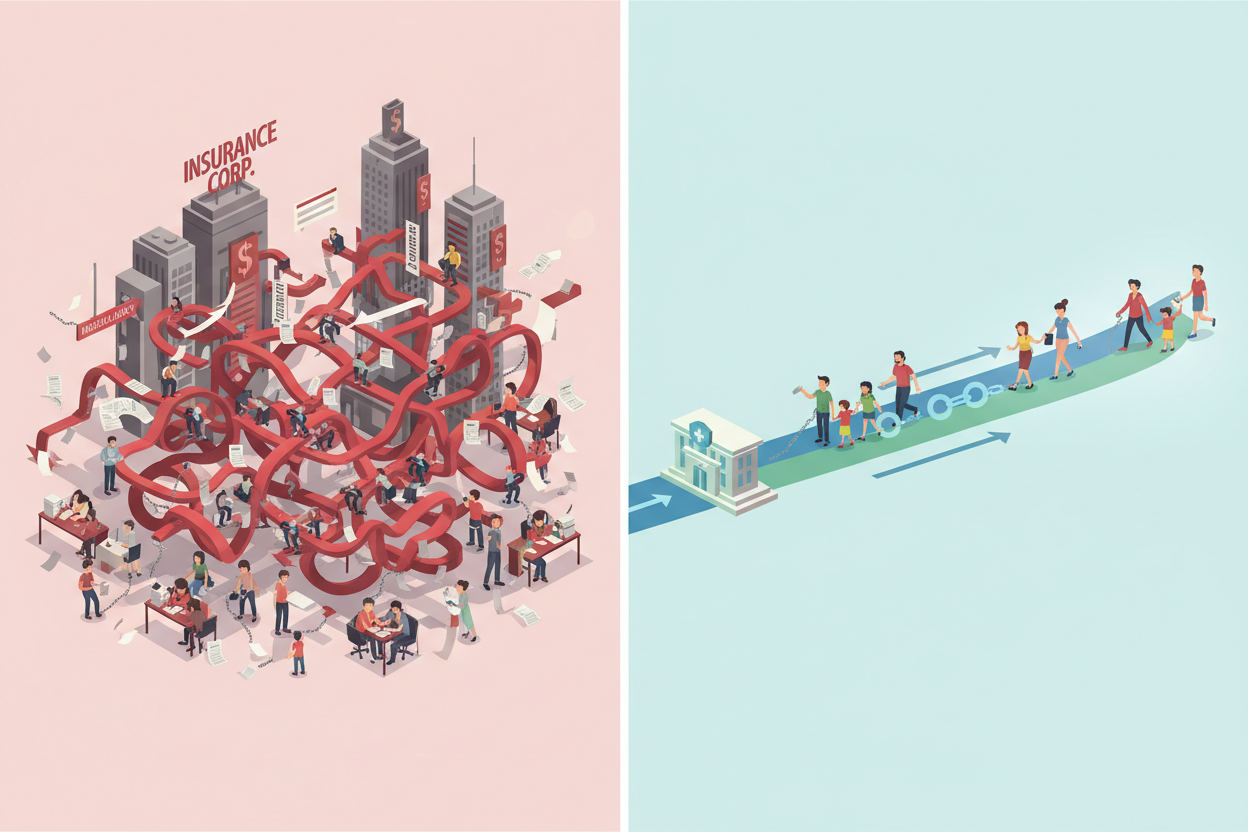
Perhaps no issue better illustrates the Progressive Democratic vision than their approach to healthcare reform. While the Affordable Care Act represented significant progress, Progressive Democrats argue it didn’t go far enough. Their solution? A single-payer Medicare for All system that would eliminate private insurance companies and provide comprehensive healthcare coverage to every American.
This isn’t just about expanding access—it’s about fundamentally restructuring how America thinks about healthcare. Progressive Democrats view healthcare as a human right, not a commodity to be bought and sold. They point to successful single-payer systems in countries like Canada and the United Kingdom as proof that such systems can work effectively while controlling costs.
The financial argument for Medicare for All centers on eliminating the massive administrative costs and profit margins built into the current system. Progressive Democrats argue that by removing insurance company middlemen, the government could provide better coverage at lower overall costs. They also emphasize how this system would free workers from “job lock”—staying in unsatisfying positions solely for health benefits.
Critics worry about the transition costs and potential disruption to existing coverage, but Progressive Democrats counter that the long-term savings and improved outcomes justify short-term challenges. They see this as an investment in American competitiveness and worker freedom.
The Green New Deal: Climate Action Meets Economic Opportunity
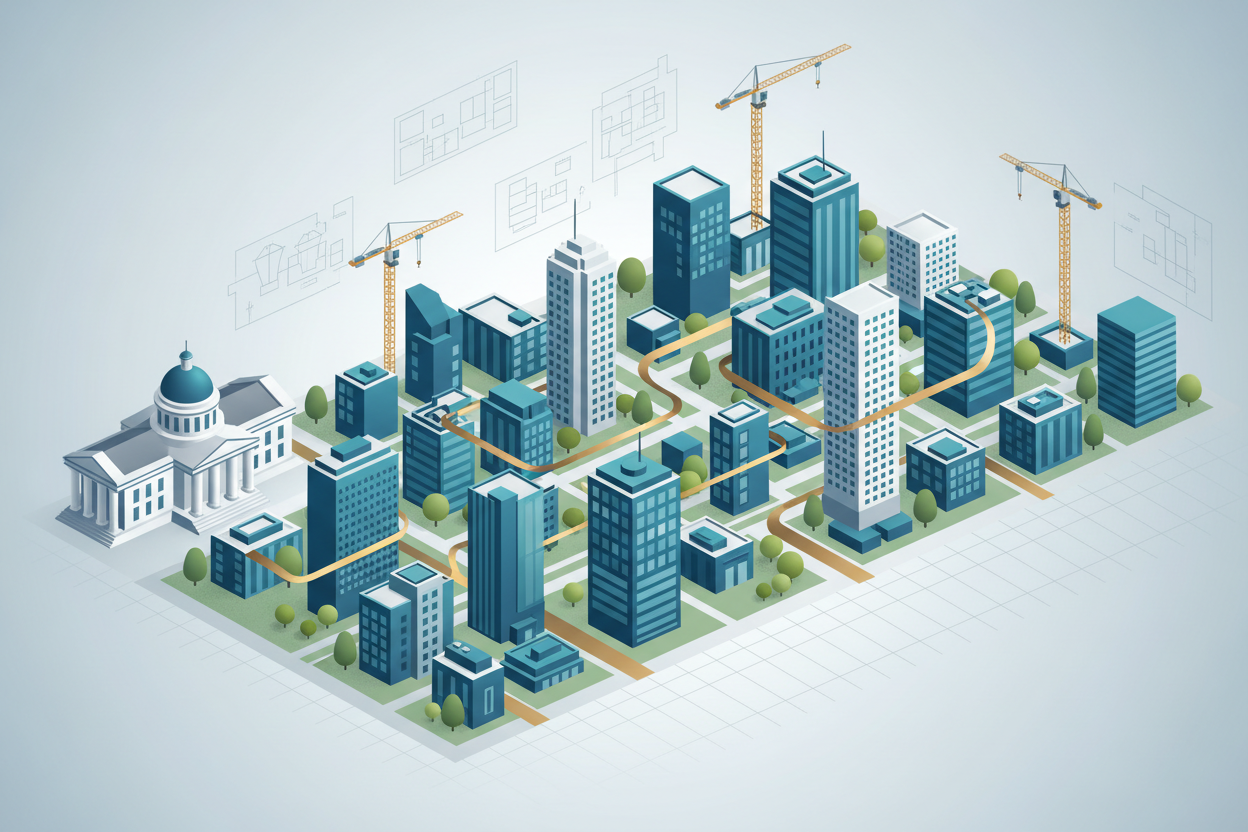
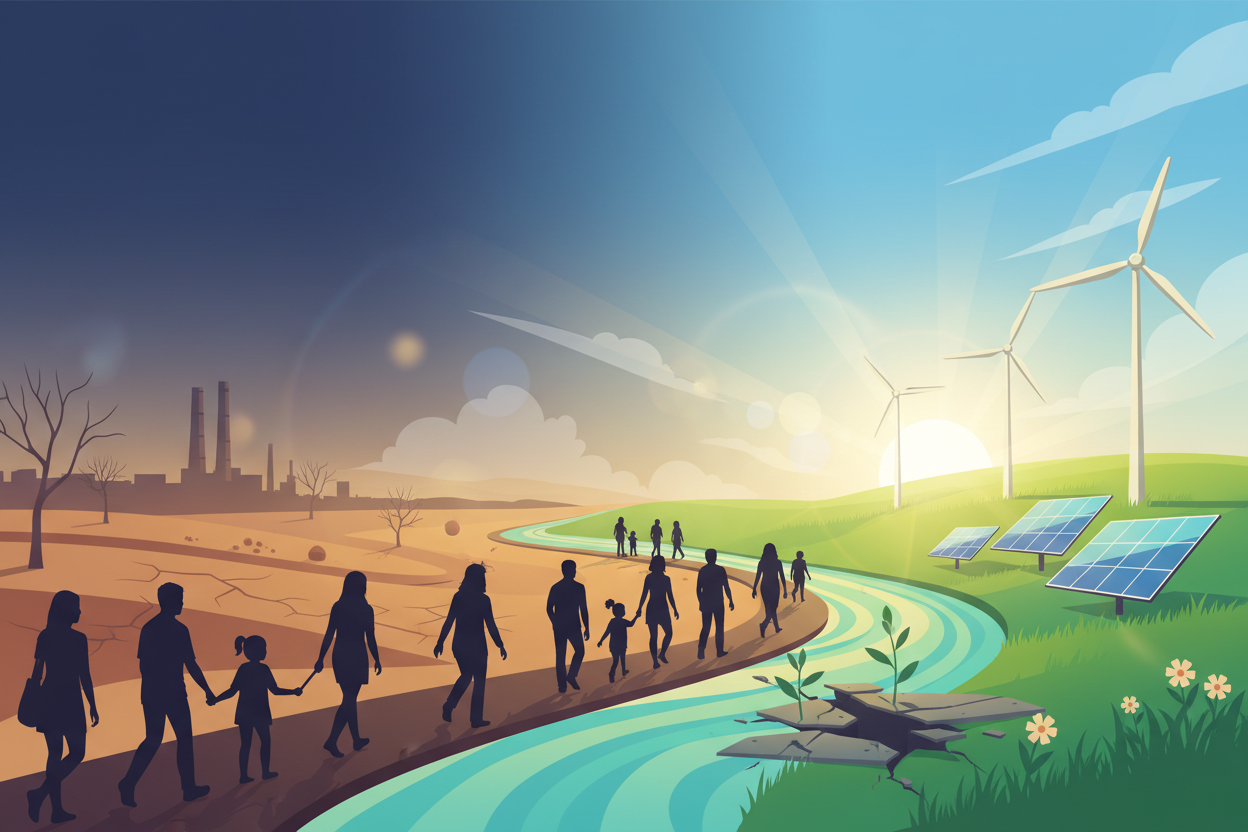
The Green New Deal represents perhaps the most ambitious and comprehensive policy proposal to emerge from the Progressive Democratic movement. Far more than an environmental policy, it envisions a complete economic transformation that addresses climate change while creating millions of good-paying jobs and reducing inequality.
At its core, the Green New Deal calls for achieving net-zero greenhouse gas emissions within a decade through massive investments in renewable energy, energy efficiency, and clean transportation. But Progressive Democrats frame this challenge as an opportunity to rebuild American infrastructure, revitalize manufacturing, and create a more equitable economy.
The proposal includes provisions for ensuring that frontline and vulnerable communities—those most affected by pollution and climate change—receive priority in cleanup efforts and green job creation. This environmental justice component reflects Progressive Democrats’ belief that climate action must address historical inequities rather than perpetuate them.
Economic transformation through the Green New Deal would involve federal job guarantees in green industries, massive infrastructure investments, and support for workers transitioning from fossil fuel industries. Progressive Democrats argue this approach can create more jobs than it eliminates while positioning America as a global leader in clean technology.
Economic Equality: Tackling Wealth Concentration and Corporate Power
Progressive Democrats view extreme wealth inequality as one of the greatest threats to American democracy and economic stability. Their proposed solutions go well beyond traditional tax policy to address the structural factors that concentrate wealth and power among a small elite.
Wealth taxes on billionaires and ultra-millionaires represent a cornerstone of their economic agenda. Unlike income taxes, which primarily affect high earners, wealth taxes would directly target accumulated assets. Progressive Democrats argue this approach is necessary because the wealthy often pay lower effective tax rates than middle-class workers due to capital gains preferences and tax avoidance strategies.
Corporate accountability measures form another crucial element of their economic vision. Progressive Democrats support breaking up monopolistic tech companies, strengthening antitrust enforcement, and requiring corporations to consider stakeholder interests beyond shareholder profits. They argue that concentrated corporate power undermines both economic competition and democratic governance.
Labor rights restoration also features prominently in their agenda. Progressive Democrats want to make it easier for workers to form unions, strengthen collective bargaining rights, and ensure that economic growth benefits workers, not just executives and shareholders. They see strong labor movements as essential for maintaining a healthy middle class.
Social Justice and Criminal Justice Reform
The Progressive Democratic vision for social justice encompasses comprehensive reforms to address systemic racism, mass incarceration, and police accountability. They argue that true equality requires dismantling systems that perpetuate discrimination and replacing them with approaches focused on rehabilitation and community investment.
Criminal justice reform proposals include ending cash bail, eliminating mandatory minimum sentencing, legalizing marijuana, and investing in community-based alternatives to incarceration. Progressive Democrats frame these changes not as being “soft on crime” but as evidence-based approaches that improve public safety while reducing racial disparities.
Police accountability measures feature prominently in their agenda, including ending qualified immunity for officers, establishing civilian oversight boards, and redirecting portions of police budgets toward education, mental health services, and community programs. They argue that true public safety requires addressing root causes of crime rather than relying solely on punishment.
Immigration reform represents another key component of their social justice agenda. Progressive Democrats support comprehensive immigration reform with pathways to citizenship, ending family separations, and treating immigration as a humanitarian issue rather than primarily a security concern.
Challenges and Criticisms Facing the Progressive Movement
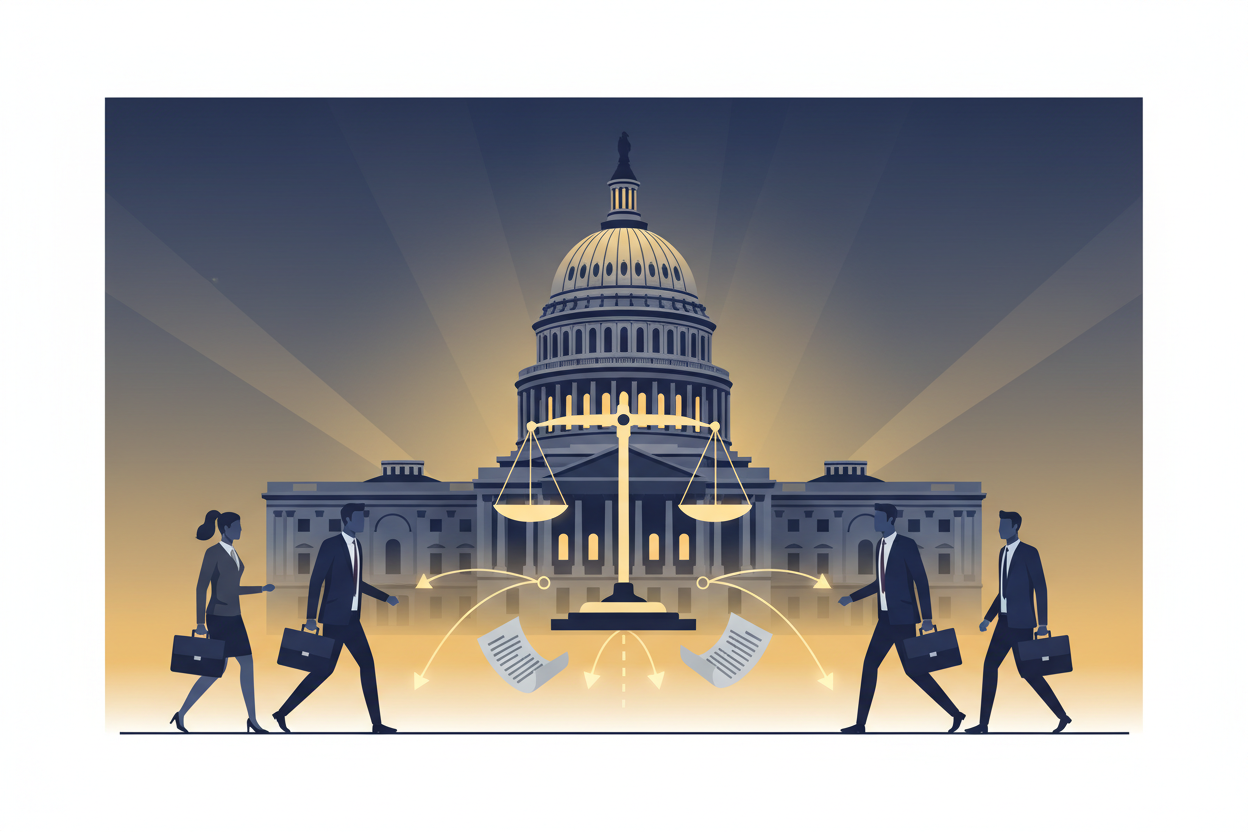
Despite growing influence, Progressive Democrats face significant challenges in implementing their vision. Political opposition from Republicans and moderate Democrats creates substantial obstacles to passing major legislation. Critics argue that Progressive Democratic proposals are too expensive, economically disruptive, or politically unrealistic.
The cost question looms large over many Progressive Democratic proposals. While supporters argue that programs like Medicare for All would ultimately save money, the upfront government expenditures would be enormous. Critics worry about deficit impacts and the economic effects of higher taxes on wealthy individuals and corporations.
Electoral challenges also constrain Progressive Democratic influence. While the movement has gained strength in safely Democratic districts, winning in competitive swing districts often requires more moderate positions. This creates tension between ideological purity and electoral pragmatism within the broader Democratic Party.
Implementation complexity presents another significant hurdle. Transforming major systems like healthcare or energy infrastructure involves countless technical challenges and potential unintended consequences. Critics argue that Progressive Democrats sometimes underestimate these practical difficulties in their enthusiasm for bold change.
The Future of Progressive Politics in America
Looking ahead, the influence of Progressive Democrats seems likely to continue growing, particularly as younger voters who support their agenda become a larger share of the electorate. Climate change urgency, persistent inequality, and ongoing healthcare challenges create ongoing demand for the types of systemic solutions Progressive Democrats propose.
However, their ultimate success will depend on their ability to build broader coalitions and demonstrate that their policies can work in practice. This may require strategic compromises and phased implementation approaches that balance ideological goals with political realities.
The Progressive Democratic vision represents a fundamental challenge to the status quo, offering ambitious solutions to America’s most pressing problems. Whether their approach proves successful will shape American politics for generations to come, influencing how we think about government’s role in ensuring economic security, environmental sustainability, and social justice for all citizens.
Frequently Asked Questions
What makes Progressive Democrats different from regular Democrats?
Progressive Democrats advocate for more comprehensive and systemic changes than traditional Democrats. While regular Democrats often support incremental reforms, Progressive Democrats push for transformative policies like Medicare for All, the Green New Deal, and wealth taxes. They’re generally more willing to challenge corporate power and support larger government programs.
How would Progressive Democrats pay for their proposed programs?
Progressive Democrats propose funding their agenda through higher taxes on wealthy individuals and corporations, including wealth taxes, higher capital gains taxes, and closing tax loopholes. They also argue that programs like Medicare for All would ultimately save money by eliminating insurance company profits and administrative costs.
Are Progressive Democratic policies realistic or too radical?
This depends on perspective and timeframe. Many Progressive Democratic proposals, like Medicare for All and the Green New Deal, would require significant changes to existing systems. However, supporters point to successful examples of similar policies in other countries and argue that the scale of current challenges requires bold solutions.
Do Progressive Democrats support capitalism?
Most Progressive Democrats support a mixed economy with both private enterprise and strong government regulation. They don’t typically advocate for eliminating capitalism entirely, but they do want significant reforms to address inequality and ensure that markets serve public interests rather than just private profits.
How much influence do Progressive Democrats have in the Democratic Party?
Progressive Democrats have growing influence, particularly in safely Democratic districts and among younger voters. However, they remain a minority within the broader Democratic Party and often face resistance from moderate Democrats in swing districts who worry about electability in competitive races.