

Public Administration Reforms: Case Studies from Around the World
In today’s rapidly evolving global landscape, governments worldwide are recognizing the urgent need to modernize their public administration systems. From digital transformation initiatives to citizen-centric service delivery models, public administration reforms have become a cornerstone of effective governance. These reforms aren’t just bureaucratic exercises – they’re fundamental changes that directly impact millions of lives, determining how efficiently citizens can access services, how transparently governments operate, and how effectively public resources are utilized.
The journey toward administrative excellence varies dramatically across different nations, cultures, and political systems. What works in one country may not necessarily translate to another, making the study of diverse reform approaches both fascinating and crucial for policymakers worldwide. Through examining real-world case studies, we can uncover valuable insights about successful strategies, common pitfalls, and innovative solutions that are reshaping public administration across the globe.
Understanding the Drivers of Public Administration Reform
Before diving into specific case studies, it’s essential to understand what motivates governments to undertake these comprehensive reforms. The drivers are often multifaceted, ranging from economic pressures and technological advancement to citizen demands and international best practices.
Economic factors play a significant role in reform initiatives. Countries facing fiscal constraints often turn to administrative reforms as a means to improve efficiency and reduce costs. The 2008 global financial crisis, for instance, accelerated reform efforts in many European nations as governments sought to do more with less.
Technological advancement has emerged as another powerful catalyst. The digital revolution has fundamentally changed citizen expectations, with people now expecting the same level of convenience and efficiency from government services that they experience in the private sector. This has pushed governments to embrace e-governance initiatives and digital transformation strategies.
Citizen demands for transparency, accountability, and better service delivery have also intensified pressure for reform. In an age of social media and instant communication, governments can no longer operate in isolation from public scrutiny. Citizens expect responsive, transparent, and efficient public services, driving the need for comprehensive administrative overhauls.
Singapore: The Digital Government Excellence Model
Singapore stands as a shining example of successful digital transformation in public administration. The city-state’s journey toward becoming a “Smart Nation” began in earnest in the early 2000s, with the government recognizing that digital innovation would be crucial for maintaining its competitive edge.
The Singaporean approach to public administration reform has been characterized by strong political leadership, substantial investment in technology infrastructure, and a culture of continuous innovation. The government established the Government Technology Agency (GovTech) in 2016 to spearhead digital transformation efforts across all government agencies.
One of Singapore’s most notable achievements is the SingPass digital identity system, which serves as a unified platform for citizens to access over 1,400 government services online. This system has dramatically reduced bureaucratic red tape and improved service delivery efficiency. Citizens can now complete complex transactions, from applying for permits to filing taxes, entirely online without visiting multiple government offices.
The COVID-19 pandemic further highlighted Singapore’s administrative agility. The government rapidly deployed digital solutions like TraceTogether for contact tracing and SafeEntry for venue check-ins, demonstrating how robust digital infrastructure can enable quick responses to unprecedented challenges.
Estonia: Building a Digital Society from the Ground Up
Estonia’s transformation from a post-Soviet state to a digital pioneer represents one of the most remarkable public administration reform stories of the modern era. Following independence in 1991, Estonia made a bold decision to leapfrog traditional administrative systems and build a entirely digital government infrastructure.
The cornerstone of Estonia’s digital transformation is its e-Residency program and comprehensive digital identity system. Every Estonian citizen receives a digital ID card that provides secure access to all government services online. This system enables citizens to vote electronically, file taxes in minutes, start businesses online, and access healthcare records digitally.
What makes Estonia’s approach particularly interesting is its commitment to transparency and citizen empowerment. The government operates on a “digital by default” principle, meaning that all government services must be available online unless there’s a specific legal requirement for physical presence. Citizens also have the right to see who has accessed their personal data and when, creating unprecedented transparency in government operations.
The results speak for themselves: 99% of government services are available online 24/7, and Estonia saves an estimated 2% of GDP annually through digital efficiency gains. The country’s success has attracted international attention, with governments worldwide studying the “Estonian model” for insights into digital transformation.
Rwanda: Post-Conflict Administrative Reconstruction
Rwanda’s public administration reforms offer compelling insights into how countries can rebuild and modernize their governance systems following devastating conflicts. After the 1994 genocide, Rwanda faced the enormous challenge of reconstructing not just its physical infrastructure but also its entire administrative apparatus.
The Rwandan government adopted a comprehensive approach to administrative reform, focusing on three key pillars: decentralization, performance management, and citizen participation. The country implemented a radical decentralization program that transferred significant powers and resources to local governments, bringing services closer to citizens and improving accountability.
Performance management became central to Rwanda’s reform strategy through initiatives like annual performance contracts (Imihigo) between different levels of government. These contracts set specific targets for service delivery, economic development, and governance indicators, creating a culture of accountability and results-oriented management.
Citizen participation was institutionalized through mechanisms like monthly community meetings (Umuganda) where citizens discuss local issues and hold leaders accountable. This grassroots engagement has strengthened the social contract between government and citizens while improving service delivery responsiveness.
The results of Rwanda’s reforms have been impressive. The country consistently ranks among the top performers in Africa for governance indicators, and its administrative efficiency has contributed to sustained economic growth and poverty reduction.
United Kingdom: The Government Digital Service Revolution
The United Kingdom’s Government Digital Service (GDS) represents a fascinating case study in how established democracies can modernize their administrative systems. Launched in 2011, GDS emerged from a recognition that the UK government’s digital services were fragmented, expensive, and user-unfriendly.
The GDS approach emphasized user-centered design, agile development methodologies, and the principle of “digital by default.” Instead of digitizing existing paper-based processes, GDS redesigned services from scratch based on user needs and modern technology capabilities.
One of GDS’s most significant achievements is the GOV.UK website, which consolidated thousands of government websites into a single, user-friendly platform. This consolidation not only improved user experience but also generated substantial cost savings for the government.
The GDS model has influenced public administration reforms worldwide, with its emphasis on user research, iterative development, and multidisciplinary teams becoming best practices in digital government. The organization’s open-source approach and transparent sharing of methodologies have enabled other countries to adapt and implement similar reforms.
South Korea: Mobile-First Government Services
South Korea’s approach to public administration reform has been heavily influenced by its advanced telecommunications infrastructure and tech-savvy population. The country has pioneered mobile-first government services, recognizing that smartphones have become the primary interface between citizens and government.
The Korean government’s digital transformation strategy centers around the concept of “Government 3.0,” which emphasizes openness, sharing, communication, and collaboration. This approach has led to innovative services like the KakaoTalk government chatbot, which allows citizens to access government information and services through a popular messaging platform.
South Korea’s administrative reforms have also focused heavily on data-driven decision making. The government has invested significantly in big data analytics capabilities, enabling more evidence-based policy making and predictive service delivery. This data-centric approach has improved everything from traffic management to public health responses.
New Zealand: Collaborative Governance and Citizen-Centric Design
New Zealand’s public administration reforms have been characterized by a strong emphasis on collaborative governance and citizen-centric service design. The country’s “Better Public Services” program, launched in 2012, focused on achieving specific, measurable improvements in citizen outcomes rather than just improving internal government processes.
The New Zealand approach recognizes that many of the challenges citizens face require coordinated responses from multiple government agencies. The government has therefore invested heavily in breaking down silos and creating integrated service delivery models. This has led to innovations like the “one-stop shop” approach for business services and integrated case management for vulnerable families.
Citizen engagement has been central to New Zealand’s reform efforts. The government regularly conducts extensive consultation processes and uses co-design methodologies to develop new services. This participatory approach has not only improved service quality but also strengthened public trust in government.
Lessons Learned and Best Practices
Analyzing these diverse case studies reveals several common themes and best practices for successful public administration reform. First, strong political leadership and sustained commitment are essential. Reforms that span multiple election cycles require consistent support from political leaders who can maintain momentum despite changing circumstances.
Second, citizen-centric design should be at the heart of any reform effort. The most successful reforms are those that genuinely improve citizen experiences rather than simply modernizing internal government processes. This requires deep understanding of citizen needs and preferences, often through extensive research and consultation.
Third, technology should be viewed as an enabler rather than an end in itself. While digital transformation is crucial, it must be accompanied by corresponding changes in organizational culture, processes, and skills. The most successful reforms combine technological innovation with human-centered design and change management.
Fourth, transparency and accountability mechanisms are crucial for maintaining public support and ensuring reform sustainability. Citizens need to see tangible improvements in service delivery and have mechanisms to hold government accountable for reform promises.
Finally, international learning and adaptation are valuable, but reforms must be tailored to local contexts. What works in Singapore may not work in Rwanda, and successful reform requires careful adaptation of international best practices to local political, cultural, and economic conditions.
Challenges and Future Directions
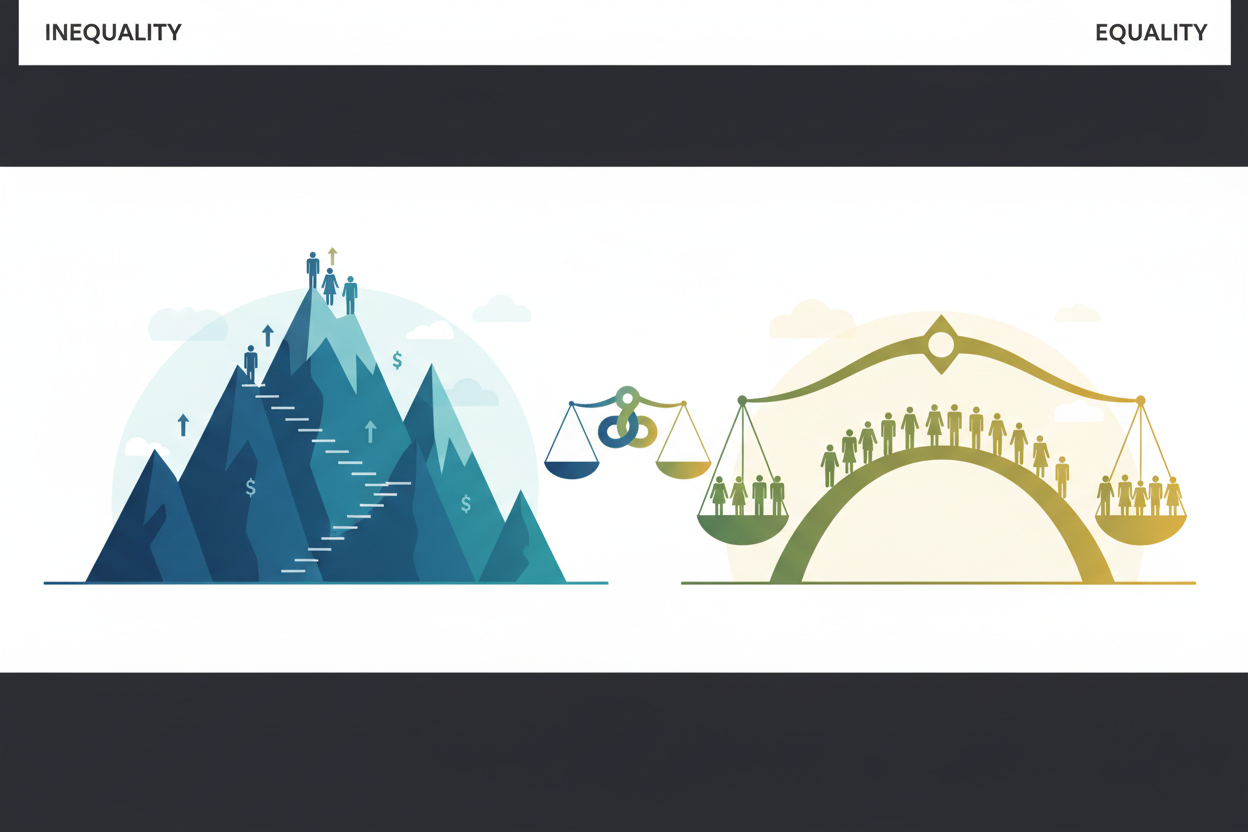
Despite the successes highlighted in these case studies, public administration reform faces significant ongoing challenges. Digital divide issues mean that technological solutions may exclude certain population groups, particularly elderly citizens and those in rural areas. Governments must ensure that digital transformation doesn’t create new forms of inequality or exclusion.
Cybersecurity and privacy concerns are becoming increasingly important as governments digitize more services and collect more citizen data. Balancing the benefits of data-driven government with privacy protection requires careful policy design and robust security measures.
The rapid pace of technological change also creates challenges for government adaptation. Emerging technologies like artificial intelligence, blockchain, and the Internet of Things offer new opportunities for improving public services, but they also require new regulatory frameworks and governance approaches.
Looking forward, successful public administration reforms will likely need to be more agile and adaptive than in the past. The COVID-19 pandemic demonstrated the importance of government agility and the ability to rapidly deploy new services and adapt existing ones to changing circumstances.
Conclusion
Public administration reforms represent one of the most important governance challenges of our time. As these case studies demonstrate, there is no single path to success, but there are common principles and practices that can guide reform efforts. The most successful reforms combine strong political leadership, citizen-centric design, technological innovation, and robust accountability mechanisms.
The journey toward administrative excellence is ongoing, and governments worldwide continue to learn from each other’s experiences. As citizen expectations continue to evolve and new technologies emerge, public administration systems must remain adaptive and responsive. The case studies examined here provide valuable blueprints for this ongoing transformation, but each country must chart its own course based on its unique circumstances and challenges.
For policymakers and public administration professionals, these examples offer both inspiration and practical guidance. They demonstrate that significant reform is possible, even in challenging circumstances, and that the benefits of successful reform extend far beyond improved government efficiency to encompass economic development, social cohesion, and democratic legitimacy.
Frequently Asked Questions
Q: What are the main drivers behind public administration reforms globally?
A: The primary drivers include economic pressures requiring greater efficiency, technological advancement enabling new service delivery models, citizen demands for better and more transparent services, and the need to adapt to changing global governance standards. The 2008 financial crisis and COVID-19 pandemic have also accelerated reform efforts worldwide.
Q: How long does it typically take to implement comprehensive public administration reforms?
A: Comprehensive reforms usually take 5-10 years to fully implement, though some benefits can be seen within 2-3 years. The timeline depends on factors like the scope of reforms, political stability, available resources, and existing administrative capacity. Countries like Estonia and Singapore took over a decade to build their current digital government capabilities.
Q: What are the biggest challenges countries face when implementing administrative reforms?
A: Common challenges include resistance to change from existing bureaucracies, lack of technical skills and capacity, insufficient funding, political instability affecting long-term planning, digital divide issues excluding certain populations, and cybersecurity concerns. Cultural factors and citizen trust levels also significantly impact reform success.
Q: Can developing countries successfully implement digital government reforms without extensive IT infrastructure?
A: Yes, developing countries can leapfrog traditional systems by leveraging mobile technology and cloud-based solutions. Rwanda and several African countries have successfully implemented mobile-based government services despite limited traditional IT infrastructure. The key is adapting solutions to local technological realities and focusing on mobile-first approaches.
Q: How can governments measure the success of their administrative reforms?
A: Success can be measured through various metrics including citizen satisfaction surveys, service delivery efficiency indicators, cost savings achieved, digital adoption rates, transparency and corruption indices, and specific outcome measures like reduced processing times. Many countries also use international governance rankings to benchmark their progress against global standards.
Q: What role does citizen participation play in successful public administration reforms?
A: Citizen participation is crucial for ensuring reforms meet actual needs and maintain public support. Successful reforms typically involve extensive consultation, co-design processes, feedback mechanisms, and ongoing engagement. Countries like New Zealand and Rwanda have demonstrated that meaningful citizen participation leads to more effective and sustainable reforms.

Leave a Reply
You must be logged in to post a comment.