

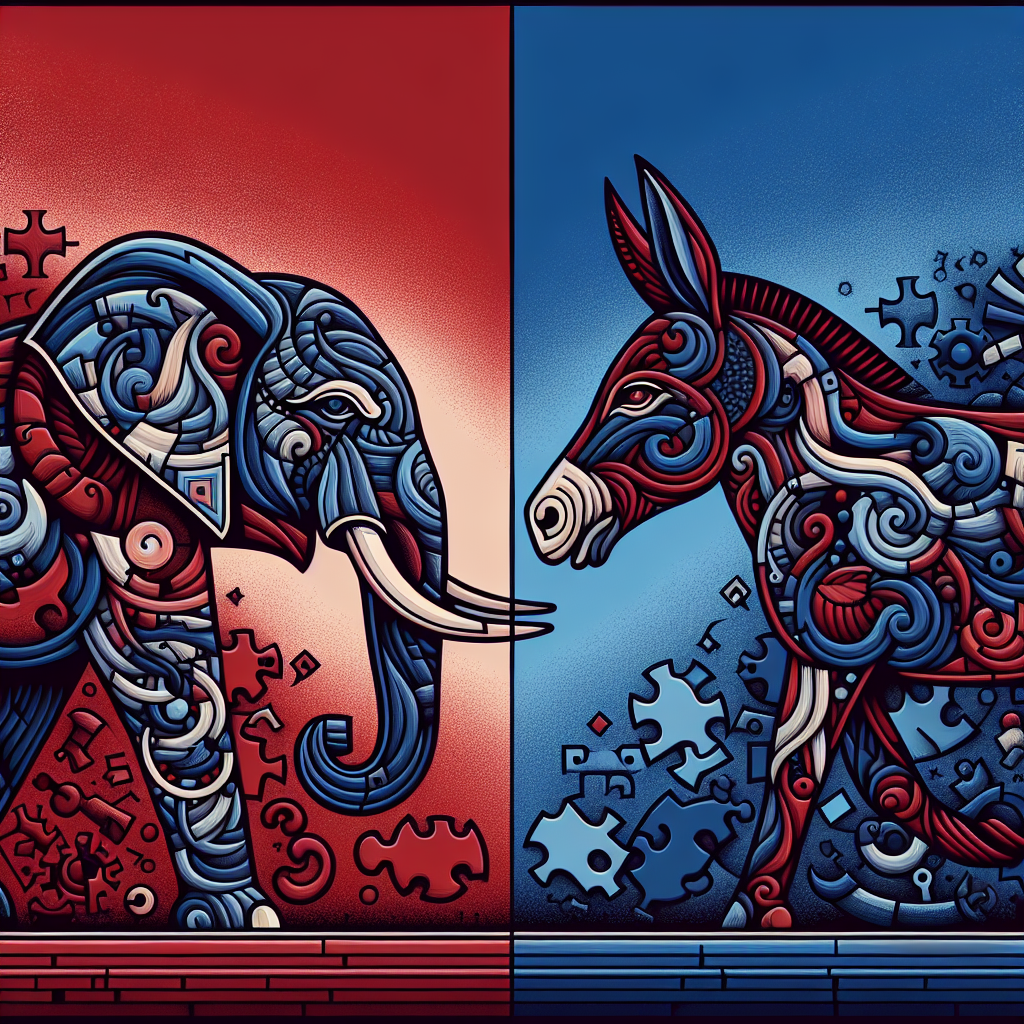
Republicans and Democrats: Analyzing Current Policies
The political landscape in the United States is often characterized by the distinct ideologies of its two major parties: Republicans and Democrats. As policy makers shape the future of the nation, understanding the current policies of each party is crucial for citizens who want to make informed decisions. This blog post delves into the key policy differences and similarities between the two parties, providing a comprehensive overview of their current stands on pressing issues.
Introduction to Republican and Democratic Ideologies
The Republican Party, often referred to as the GOP (Grand Old Party), generally emphasizes limited government intervention, individual liberties, and free-market capitalism. Meanwhile, the Democratic Party tends to advocate for more government involvement in economic affairs, social justice, and equality. These foundational beliefs influence their policy decisions across various sectors, from healthcare to taxation.
Economic Policies
Economics remains a significant battleground for Republicans and Democrats. Republicans typically support tax cuts, especially for corporations and high-income earners, believing that this stimulates economic growth and job creation. They advocate for deregulation, arguing that reducing government oversight encourages innovation and entrepreneurship.
On the other hand, Democrats favor progressive taxation, where the wealthy pay a higher percentage of their income. They argue that this approach helps reduce income inequality and provides the government with resources to fund social programs. Democrats also support stronger regulations to protect consumers, the environment, and workers’ rights.
Healthcare Policies
Healthcare is another critical area where Republicans and Democrats diverge. Republicans often push for a market-based healthcare system, emphasizing choice and competition to lower costs. They have historically opposed the Affordable Care Act (ACA), arguing for its repeal and replacement with alternatives that reduce federal government involvement.
Conversely, Democrats stand firmly behind the ACA and seek to expand it further. They support a more extensive government role in healthcare and advocate for policies that aim to achieve universal coverage, such as Medicare for All. Their focus is on ensuring that healthcare is accessible and affordable for all Americans.
Environmental Policies
Environmental policy is increasingly becoming a defining issue for both parties. Republicans generally prioritize economic growth over environmental regulation, often expressing skepticism about the extent of human impact on climate change. They favor developing domestic energy resources, including coal and oil, to ensure energy independence and job creation.
In contrast, Democrats prioritize addressing climate change and are committed to transitioning to renewable energy sources. They support international agreements like the Paris Accord and advocate for policies that reduce carbon emissions and promote sustainable practices.
Social Policies
Social issues often highlight the stark contrasts between Republicans and Democrats. Republicans tend to uphold traditional values and emphasize individual responsibility. They focus on issues like pro-life policies, Second Amendment rights, and religious freedoms.
Democrats, however, advocate for progressive social policies. They support reproductive rights, push for stricter gun control measures, and champion LGBTQ+ rights and racial equality. Their social policies often aim to protect marginalized communities and promote inclusivity.
Education Policies
In education, Republicans advocate for school choice, including voucher programs and charter schools, believing that competition will improve educational standards. They often support reducing the federal role in education and increasing local control.
Democrats, on the other hand, emphasize public education funding and reforms to reduce disparities. They support policies that aim to make higher education more affordable, including tuition-free community colleges and student debt relief.
Conclusion
The policy differences between Republicans and Democrats reflect their core ideologies and influence how they address the nation’s challenges. While both parties aim to improve the lives of Americans, their approaches often differ significantly. Understanding these distinctions is essential for voters, policymakers, and anyone interested in the future direction of the United States. As the political landscape evolves, staying informed about these policies will be crucial for navigating the complex dynamics of American governance.
FAQs
What are the main differences between Republican and Democratic economic policies?
Republicans favor tax cuts and deregulation to stimulate economic growth, while Democrats support progressive taxation and increased government spending on social programs.
How do Republicans and Democrats differ on healthcare?
Republicans advocate for a market-based system with less government involvement, whereas Democrats support expanding government-funded healthcare programs to ensure universal coverage.
What are the parties’ positions on climate change?
Republicans prioritize economic growth and energy independence, often expressing skepticism about climate change, while Democrats focus on reducing carbon emissions and transitioning to renewable energy.
How do their education policies differ?
Republicans support school choice and local control of education, while Democrats emphasize increasing funding for public education and making higher education more affordable.


Leave a Reply