

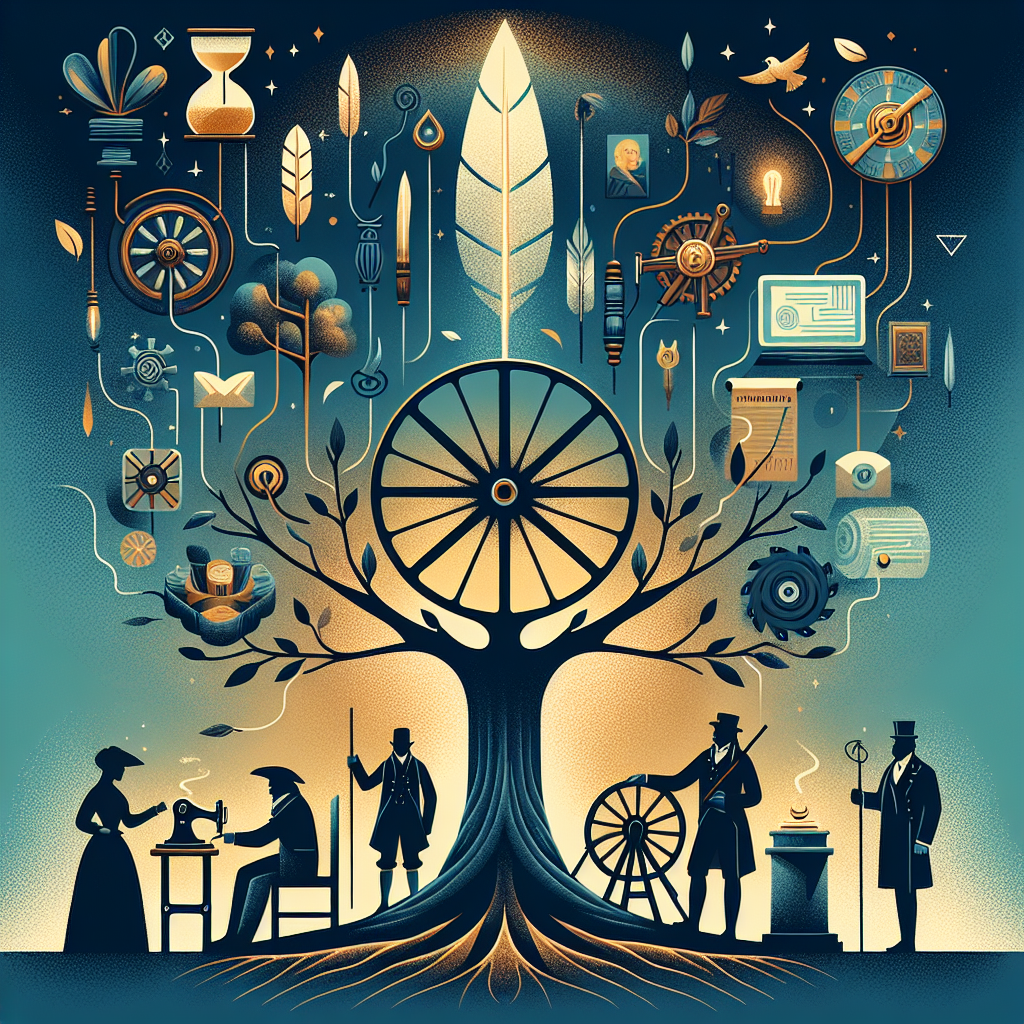
Revolutionary Moments in History: Lessons Learned
Throughout history, humanity has experienced numerous revolutionary moments that have shaped the course of our societies, economies, and cultures. These pivotal events often bring about profound changes, offering valuable lessons for future generations. In this blog post, we will explore some of the most significant revolutionary moments in history and the lessons they impart. By understanding these transformational times, we can better appreciate the progress we’ve made and recognize the importance of innovation and resilience.
The Industrial Revolution: A Catalyst for Change
The Industrial Revolution, which began in the late 18th century, marked a major turning point in history. It transformed economies that had been based on agriculture and handicrafts into ones dominated by industry and machine manufacturing. This period was characterized by the rise of factories, mass production, and technological innovation, leading to increased productivity and urbanization.

Lesson Learned: The Industrial Revolution taught us the power of innovation and adaptation. As new technologies emerged, societies had to adjust their ways of living and working. This era highlighted the importance of education and skill development to keep pace with technological advancements. Today, as we face rapid technological changes, the lessons of the Industrial Revolution remind us to embrace innovation while being mindful of its impact on society and the environment.
The French Revolution: A Quest for Equality
The French Revolution, which began in 1789, was a period of radical social and political upheaval in France. It led to the downfall of the monarchy, the rise of republicanism, and significant changes in the structure of French society. The revolution was driven by Enlightenment ideals of liberty, equality, and fraternity, challenging the established order and advocating for the rights of the common people.
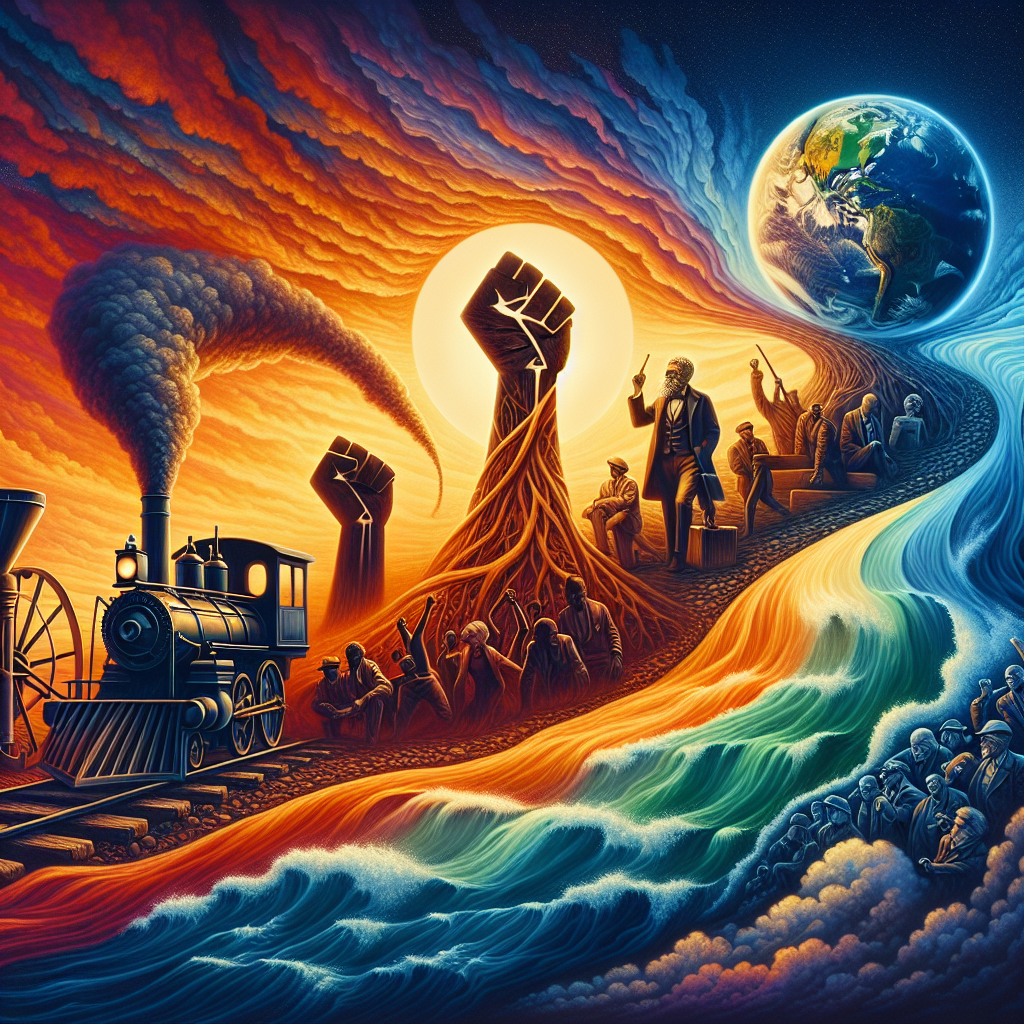
Lesson Learned: The French Revolution underscored the importance of equality and the power of collective action. It demonstrated that when people unite for a common cause, they can bring about significant change. However, it also highlighted the dangers of political extremism and the need for balanced governance. In today’s world, the lessons from the French Revolution remind us to strive for equality and justice while promoting dialogue and compromise.
The Civil Rights Movement: A Fight for Justice
The Civil Rights Movement in the United States during the 1950s and 1960s was a pivotal moment in the fight for racial equality. Spearheaded by figures like Martin Luther King Jr., Rosa Parks, and Malcolm X, the movement sought to end racial segregation and discrimination against African Americans. Through peaceful protests, legal challenges, and grassroots activism, the movement achieved significant progress, including the Civil Rights Act of 1964 and the Voting Rights Act of 1965.
Lesson Learned: The Civil Rights Movement taught us the importance of perseverance and the power of nonviolent resistance. It showed that lasting change requires courage, unity, and a commitment to justice. The movement also highlighted the role of leadership in inspiring and mobilizing people. As we continue to confront issues of racial inequality and discrimination, the lessons from the Civil Rights Movement remind us of the need for ongoing vigilance and activism.
The Digital Revolution: Transforming Communication
The Digital Revolution, which began in the late 20th century, has fundamentally changed how we communicate, work, and live. The advent of the internet, personal computers, and smartphones has connected the world in unprecedented ways, enabling instant communication and access to information. This revolution has transformed industries, created new opportunities, and reshaped the global economy.
Lesson Learned: The Digital Revolution highlights the importance of adaptability and lifelong learning. As technology continues to evolve at a rapid pace, individuals and organizations must be willing to embrace change and continuously update their skills. This era also emphasizes the need for digital literacy and the ethical use of technology. As we navigate the challenges of the digital age, the lessons from this revolution remind us to harness technology for the greater good while addressing issues of privacy and security.
The Green Revolution: Feeding the World
The Green Revolution, which took place between the 1940s and the late 1960s, involved the development and adoption of high-yielding crop varieties and modern agricultural techniques. This revolution significantly increased food production, particularly in developing countries, helping to alleviate hunger and improve food security.
Lesson Learned: The Green Revolution demonstrated the potential of scientific research and innovation in addressing global challenges. It highlighted the importance of investment in agricultural research and infrastructure to ensure food security and sustainability. However, it also raised concerns about environmental degradation and the need for sustainable agricultural practices. As we face the challenges of climate change and population growth, the lessons from the Green Revolution remind us to balance productivity with environmental stewardship.
Conclusion
Revolutionary moments in history have shaped our world in profound ways, offering valuable lessons for the future. From the Industrial Revolution’s emphasis on innovation to the Civil Rights Movement’s call for justice, each of these pivotal events teaches us about resilience, adaptability, and the power of collective action. As we continue to navigate the complexities of the modern world, these lessons serve as a reminder of our potential to create positive change and build a more equitable and sustainable future.
FAQs
Q: What is the most important lesson from these revolutionary moments?
A: One of the most important lessons is the power of innovation and adaptability. Each revolutionary moment demonstrates how societies have transformed through technological advancements, social movements, or ideological shifts. Embracing change and learning from past experiences are crucial for progress.
Q: How can we apply these lessons to current global challenges?
A: By understanding the successes and failures of past revolutions, we can approach current challenges with a balanced perspective. Whether it’s addressing climate change, promoting social justice, or navigating digital transformation, these lessons remind us to prioritize innovation, equality, and sustainability.
Q: Why is it important to study revolutionary moments in history?
A: Studying revolutionary moments helps us understand the forces that have shaped our world and the dynamics of change. It provides insights into human behavior, societal evolution, and the impact of leadership and collective action. This knowledge can guide us in making informed decisions for the future.
Leave a Reply
You must be logged in to post a comment.