
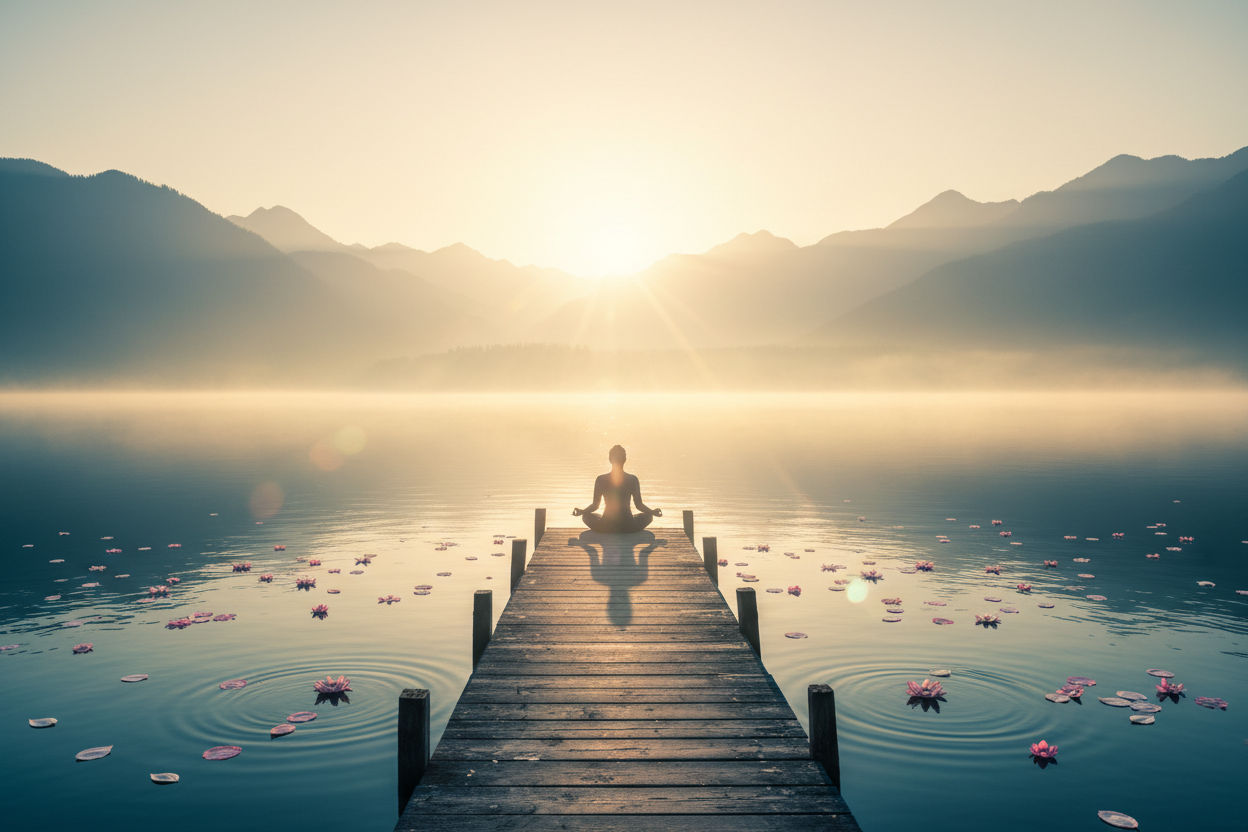
Spiritual Retreats: Finding Peace in a Busy World
In today’s fast-paced society, where notifications constantly ping and deadlines loom large, finding moments of genuine peace feels like searching for a needle in a haystack. Your mind races from one task to another, leaving little room for reflection or inner calm. If this sounds familiar, you’re not alone – millions of people worldwide are discovering that spiritual retreats offer a powerful antidote to modern life’s relentless demands.
A spiritual retreat isn’t just a vacation; it’s a intentional journey inward, a chance to step away from the noise and reconnect with what truly matters. Whether you’re feeling burned out, seeking clarity, or simply craving deeper meaning in your life, these transformative experiences can help you rediscover your center and return to daily life with renewed purpose and tranquility.
What Are Spiritual Retreats and Why Do They Matter?
Spiritual retreats are structured periods of withdrawal from everyday life, designed to foster inner reflection, personal growth, and connection with something greater than yourself. Unlike typical vacations focused on entertainment or relaxation, these experiences prioritize mental, emotional, and spiritual well-being through various practices and activities.
The beauty of spiritual retreats lies in their diversity. Some center around meditation and mindfulness, while others incorporate yoga, prayer, nature immersion, or creative expression. What unites them all is the shared goal of helping participants slow down, look inward, and cultivate a deeper sense of peace and purpose.
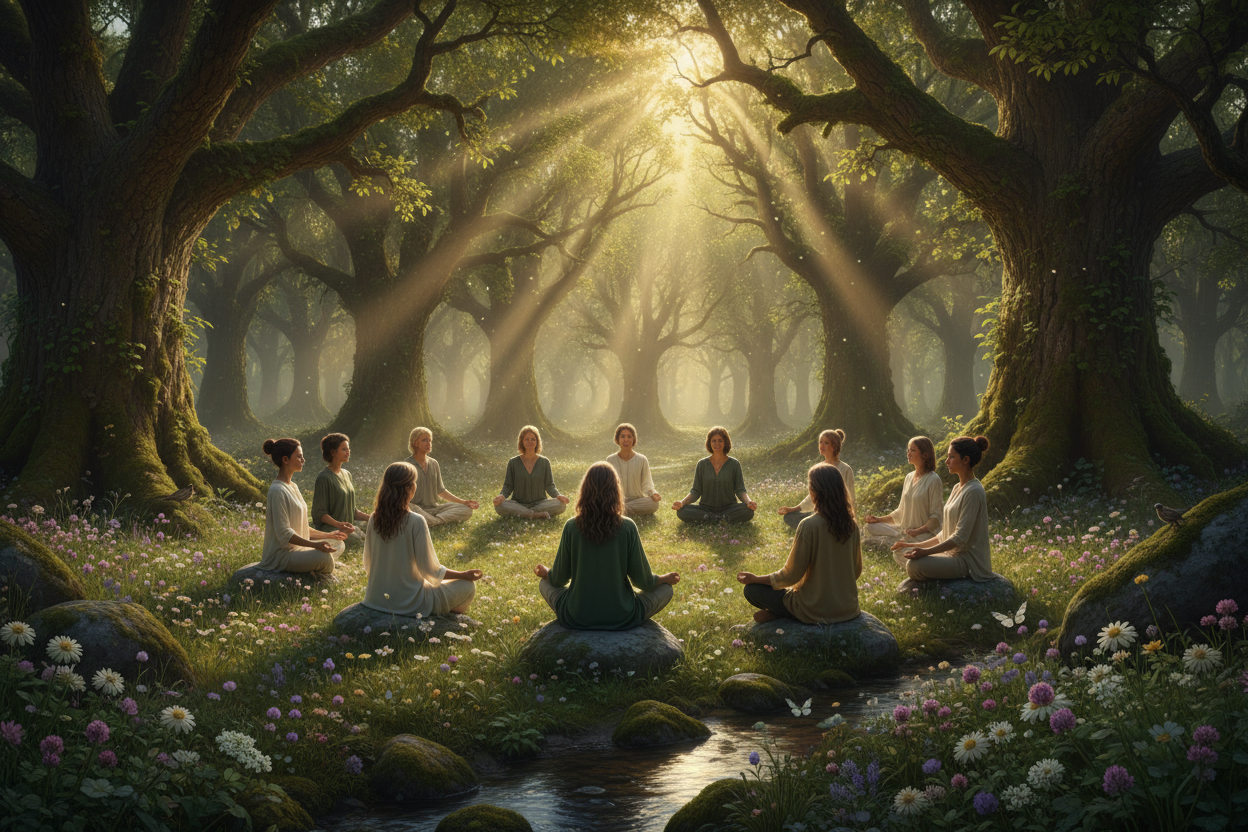
Research consistently shows that taking time for spiritual practices can reduce stress, improve mental clarity, and enhance overall life satisfaction. In our hyperconnected world, where the average person checks their phone over 150 times daily, creating space for spiritual renewal isn’t just beneficial – it’s essential for maintaining psychological and emotional health.
Types of Spiritual Retreats for Every Seeker
Meditation and Mindfulness Retreats
These retreats focus on developing awareness and presence through various meditation techniques. You might spend days in silent contemplation, learning to observe your thoughts without judgment, or practicing walking meditation in serene natural settings. Many participants report that even a weekend of intensive meditation practice can shift their relationship with stress and anxiety for months afterward.
Yoga and Wellness Retreats
Combining physical movement with spiritual practice, yoga retreats offer a holistic approach to well-being. Through asanas (postures), pranayama (breathing exercises), and meditation, you’ll explore the connection between body, mind, and spirit. These retreats often include healthy, nourishing meals and may incorporate additional healing modalities like massage or energy work.
Nature-Based Spiritual Retreats
Sometimes called “forest bathing” or wilderness retreats, these experiences use the natural world as a teacher and healer. You might participate in guided nature walks, outdoor meditation, or ceremonies that honor the earth’s wisdom. Research shows that spending time in nature can lower cortisol levels, boost immune function, and improve mood – making these retreats particularly powerful for stressed urban dwellers.
Religious and Faith-Based Retreats
For those with specific religious affiliations, faith-based retreats offer opportunities to deepen spiritual practice within familiar traditions. Whether it’s a Christian contemplative retreat, a Buddhist sangha gathering, or an Islamic spiritual journey, these experiences provide community support and guidance from experienced spiritual teachers.
Creative and Expressive Arts Retreats
These unique retreats use artistic expression as a pathway to spiritual insight. Through painting, writing, music, or dance, participants explore their inner landscape and connect with their creative spirit. Many people discover that artistic expression becomes a form of moving meditation, revealing insights that traditional sitting meditation might not uncover.
The Life-Changing Benefits of Spiritual Retreats
Stress Reduction and Mental Clarity
One of the most immediate benefits participants notice is a significant reduction in stress levels. Away from work emails, social media, and daily responsibilities, your nervous system finally has a chance to reset. This mental space allows for greater clarity about life priorities and decisions that may have felt overwhelming before the retreat.
Enhanced Self-Awareness and Personal Growth
Spiritual retreats create a unique environment for self-discovery. Without the usual distractions, you’re more likely to notice patterns in your thinking, recognize limiting beliefs, and gain insights into your authentic desires and values. Many participants describe breakthrough moments of understanding that reshape their approach to relationships, career, and personal goals.
Improved Physical Health
The mind-body connection means that spiritual practices often yield physical benefits too. Participants frequently report better sleep, improved digestion, lower blood pressure, and increased energy levels. The combination of stress reduction, healthy eating, and mindful movement creates optimal conditions for physical healing and rejuvenation.
Deeper Connections and Community
Sharing a spiritual journey with others creates bonds that often extend far beyond the retreat experience. The vulnerability and openness encouraged in these settings foster genuine connections with fellow participants and retreat leaders. Many people find lifelong friends or mentors through retreat experiences.
Renewed Sense of Purpose and Direction
Perhaps most importantly, spiritual retreats help participants reconnect with their deeper purpose and values. In the quiet space away from external pressures, your authentic voice becomes clearer, and you may discover new directions for your life or renewed passion for existing commitments.
How to Choose the Right Spiritual Retreat for You
Assess Your Current Needs and Goals
Before selecting a retreat, spend time reflecting on what you hope to gain from the experience. Are you seeking stress relief, spiritual growth, creative inspiration, or healing from a difficult life transition? Your specific needs will guide you toward the most suitable retreat style and duration.
Consider Your Experience Level
If you’re new to spiritual practices, look for beginner-friendly retreats that provide plenty of guidance and support. Experienced practitioners might prefer more intensive or advanced programs. Don’t feel pressured to jump into a week-long silent retreat if you’ve never meditated before – shorter, more structured experiences can be equally transformative.
Research Retreat Leaders and Facilitators
The quality of instruction and guidance can make or break a retreat experience. Look for leaders with proper training, positive reviews, and teaching styles that resonate with you. Don’t hesitate to reach out with questions about their approach or the retreat structure.
Evaluate Location and Logistics
Consider whether you prefer a local retreat that’s easily accessible or a destination experience that feels more removed from your daily life. Think about practical factors like accommodation style, meal options, and any physical requirements for activities.
Budget Considerations
Spiritual retreats range from affordable local offerings to luxury destination experiences. Remember that the most expensive option isn’t necessarily the best fit for you. Many retreat centers offer sliding scale pricing or work-exchange opportunities to make programs more accessible.
Preparing for Your Spiritual Retreat Experience
Mental and Emotional Preparation
Approach your retreat with an open mind and realistic expectations. While many people have profound experiences, transformation often happens gradually rather than in dramatic moments. Set intentions for your time away, but hold them lightly – sometimes the most valuable insights come from unexpected directions.
Physical Preparation
If your retreat involves physical activities like yoga or hiking, ensure you’re adequately prepared. This might mean starting a gentle exercise routine, practicing meditation at home, or simply ensuring you get enough rest before departure.
Practical Arrangements
Handle work and personal responsibilities before leaving so you can fully disconnect during your retreat. Inform colleagues and family about your limited availability, and consider designating an emergency contact if needed.
Packing Mindfully
Most retreat centers provide packing lists, but generally, you’ll want comfortable clothing suitable for meditation and movement, any personal spiritual items that support your practice, and minimal electronics. Many retreats encourage or require digital detox periods, so prepare to disconnect from devices.
Integrating Your Retreat Experience into Daily Life
The real test of a spiritual retreat’s value comes in how well you integrate the insights and practices into your everyday routine. Start small by incorporating just one or two new practices rather than trying to maintain everything you experienced during the retreat. This might be a daily five-minute meditation, a weekly nature walk, or a monthly digital detox day.
Consider keeping a journal to record insights and track your progress as you apply retreat learnings to daily challenges. Many retreat centers offer follow-up support or alumni programs that can help maintain momentum and connection with your retreat community.
Remember that integration is an ongoing process. The peace and clarity you found on retreat may fade as you re-engage with daily stressors, and that’s completely normal. The key is developing sustainable practices that help you access that inner calm even amid life’s inevitable chaos.
Conclusion: Your Journey to Inner Peace Begins Now
In a world that seems to spin faster each year, spiritual retreats offer precious opportunities to step off the hamster wheel and remember what it feels like to simply be. Whether you choose a weekend mindfulness retreat close to home or embark on a transformative journey to a distant monastery, you’re investing in your most valuable asset – your inner peace and well-being.
The path to finding peace in our busy world isn’t about escaping life’s responsibilities permanently; it’s about developing the tools and perspective to navigate them with greater wisdom, compassion, and calm. Spiritual retreats provide a concentrated dose of these tools while offering the space and support to integrate them meaningfully.
Your perfect retreat is out there waiting – one that matches your needs, schedule, and spiritual inclinations. The most important step is the first one: deciding that your inner peace matters enough to prioritize it. In making that choice, you’re already beginning the journey toward a more balanced, purposeful, and peaceful life.
Frequently Asked Questions
How long should my first spiritual retreat be?
For beginners, a weekend retreat (2-3 days) is often ideal. This provides enough time to settle in and experience the benefits without feeling overwhelmed. As you become more comfortable with retreat practices, you can explore longer options like week-long or even month-long experiences.
Do I need to have religious beliefs to attend a spiritual retreat?
Not at all. Many spiritual retreats are secular and focus on universal practices like meditation, mindfulness, and self-reflection. Even faith-based retreats often welcome people of different backgrounds who are genuinely interested in exploring spiritual practices respectfully.
What if I’m not comfortable with silence or meditation?
Many retreats offer various activity levels and styles. Look for retreats that include movement, creative expression, or group discussions if extended silence feels intimidating. You can also start with day-long retreats or programs that incorporate talking meditation and guided activities.
How much do spiritual retreats typically cost?
Costs vary widely depending on location, duration, and amenities. Local day retreats might cost $50-150, while weekend retreats typically range from $200-800. Destination retreats can cost anywhere from $500 to several thousand dollars. Many centers offer scholarships or sliding scale pricing for those with financial constraints.
Can I attend a retreat if I have physical limitations or health concerns?
Most retreat centers are accommodating of various physical needs and health conditions. Contact the organizers directly to discuss your specific requirements. Many retreats can be modified to include chair-based practices, alternative activities, or dietary accommodations.
What should I expect on my first day at a retreat?
First days typically include arrival and check-in, an orientation session explaining the schedule and guidelines, introductions to fellow participants and staff, and often a gentle opening activity or ceremony. Most retreat centers understand that newcomers may feel nervous and work to create a welcoming, supportive atmosphere from the start.