
Pittsburgh Culture
Pittsburgh Local Desk: October 3, 2026
Radio Yinzer’s source-linked roundup of recent Pittsburgh culture, history and regional environment updates.
Oct 3, 2026Station news, Pittsburgh voices, music, culture, and sports.
Radio Yinzer’s source-linked roundup of recent Pittsburgh culture, history and regional environment updates.
Oct 3, 2026
From Smithfield Street’s first Nickelodeon to East Liberty’s Regent, Pittsburgh’s vanished cinemas still shape how neighborhoods gather, watch and listen.
Sep 19, 2026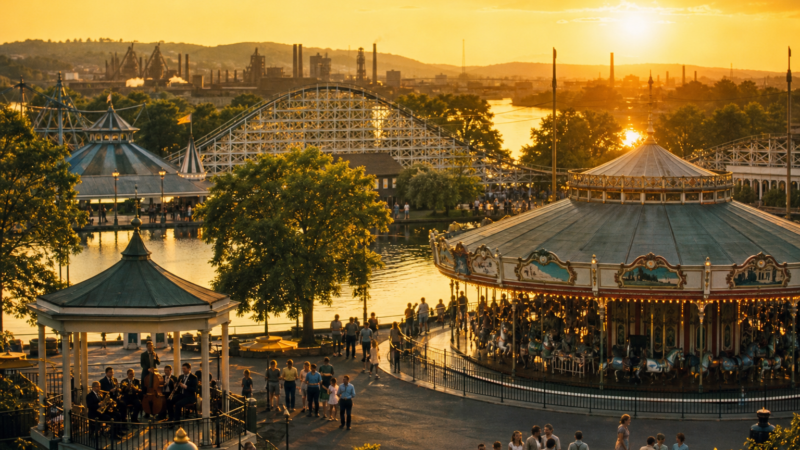
Kennywood’s soundtrack runs from trolley-park bandstands and big-band broadcasts to carousel organs, Garden Theater shows, and generations of Pittsburgh memories.
Sep 18, 2026
Point State Park has hosted jazz legends, folk protest songs, giant radio concerts and free festivals. Here’s how The Point…
Sep 17, 2026
The Pittsburgh International Jazz Festival returns September 17–20 with free Liberty Avenue concerts, major guests, and a strong hometown presence.
Sep 16, 2026
From Homewood Avenue to East Carson Street, Pittsburgh’s neighborhood business districts are rebuilding through storefronts, local leadership, and everyday foot…
Sep 15, 2026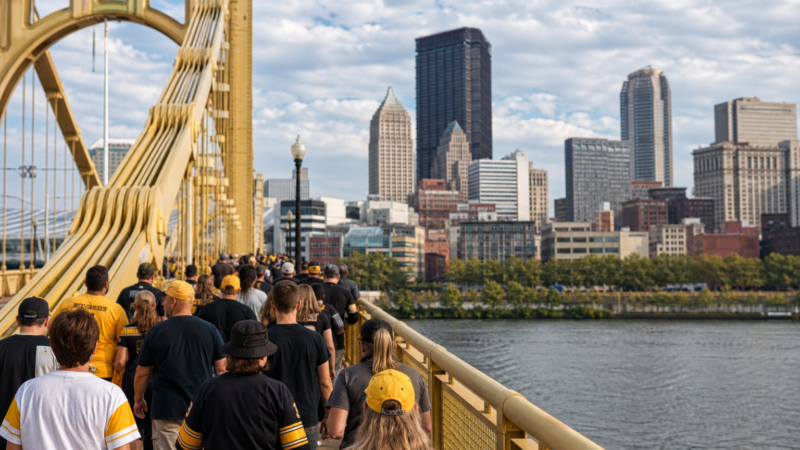
A Steelers home weekend is more than a football game: it moves money through the North Shore, Downtown, hotels, transit,…
Sep 14, 2026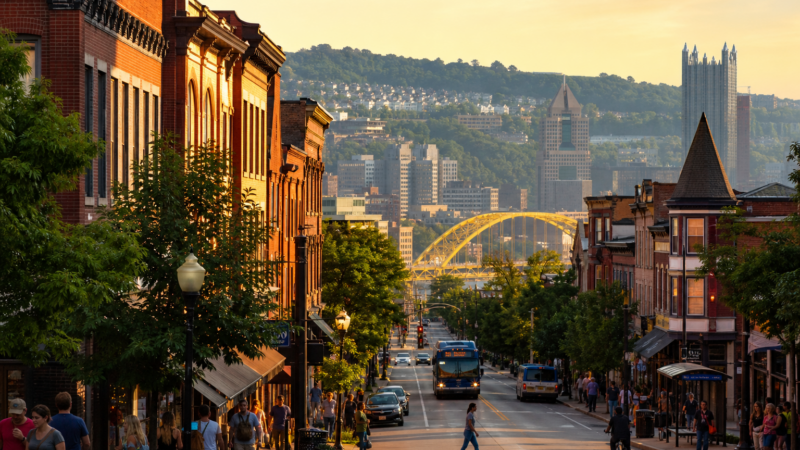
From East Carson to East Ohio, Pittsburgh’s strongest commercial corridors mix old neighborhood habits, independent businesses, food, culture, and a…
Sep 13, 2026
From Bloomfield taprooms to Hazelwood cafés, Pittsburgh’s independent drink spots are rebuilding the everyday gathering places that neighborhoods rely on.
Sep 12, 2026
Pittsburgh Mills in Frazer Township is not being demolished—yet. Macy’s is gone, roads are set for repairs, and the property’s…
Sep 11, 2026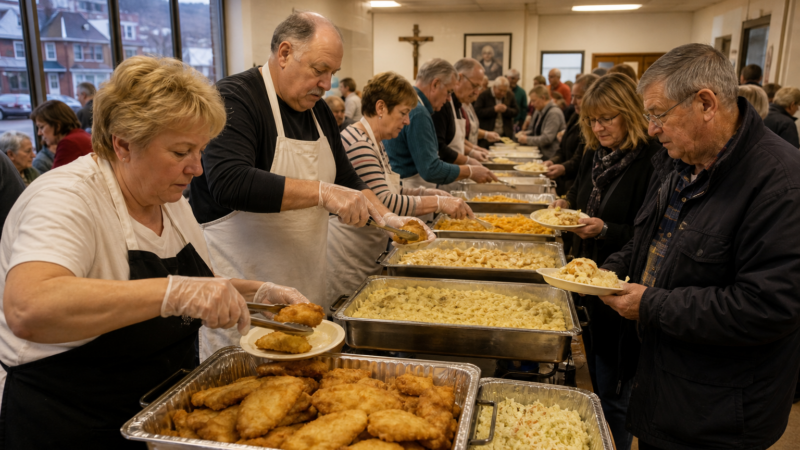
From Polish Hill to the North Side, Pittsburgh’s Lenten fish fries turn religious practice into a neighborhood ritual built on…
Sep 10, 2026
From Park House in Deutschtown to Kelly’s in East Liberty, Pittsburgh’s neighborhood bars remain places where music, memory, and daily…
Sep 9, 2026