

The Impact of Campaign Finance on Elections
In the world of politics, money often talks. The influence of campaign finance on elections is a subject of endless debate and constant scrutiny. With the stakes so high, understanding how financial contributions shape electoral outcomes is crucial for anyone interested in the democratic process. In this blog post, we will explore the intricacies of campaign finance, its impact on elections, and what it means for voters like you and me.
The Basics of Campaign Finance
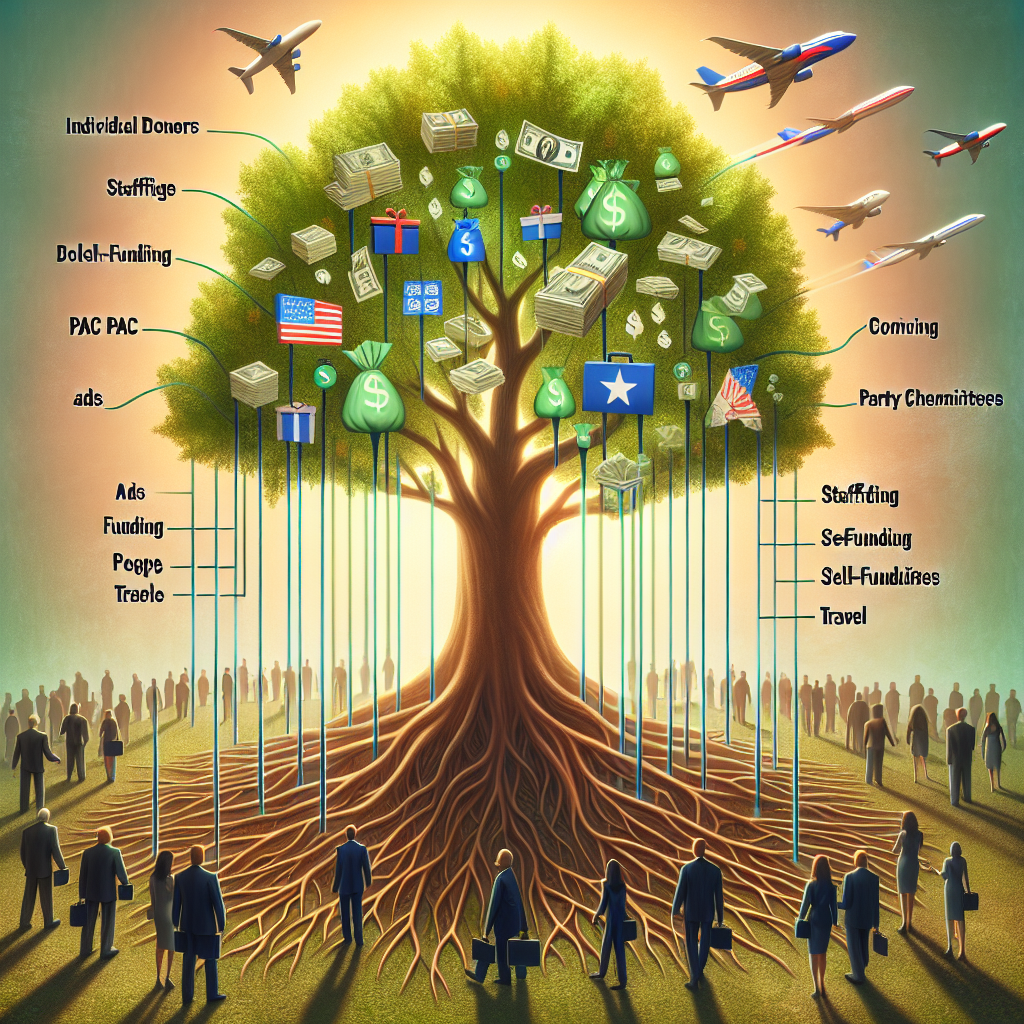
To understand the impact of campaign finance on elections, it’s essential to grasp the basics. Campaign finance refers to the funds that candidates use to promote their political campaigns. These funds can come from various sources, including individual donors, political action committees (PACs), party committees, and even the candidates themselves. The primary purpose of these funds is to cover expenses related to campaigning, such as advertising, staffing, and travel.

Why Campaign Finance Matters
Campaign finance matters because it can significantly influence the outcome of an election. Candidates with substantial financial backing often have a better chance of getting their message out to a broader audience. This increased visibility can lead to higher voter recognition and ultimately, more votes. However, the reliance on financial contributions raises questions about fairness and influence.
The Role of Big Donors
One of the most contentious aspects of campaign finance is the role of big donors. Wealthy individuals and organizations can contribute large sums of money to candidates and political parties, potentially swaying the political landscape in their favor. This can lead to concerns about the disproportionate influence of a small number of donors on the democratic process.
For instance, in the United States, the Supreme Court’s decision in Citizens United v. FEC in 2010 allowed for unlimited spending by corporations and unions on political campaigns. This ruling has led to the rise of super PACs, which can raise and spend unlimited amounts of money to support or oppose candidates. While proponents argue that this promotes free speech, critics worry it undermines the principles of equal representation.
The Impact on Policy and Governance
Campaign finance doesn’t just affect who gets elected; it also influences policy decisions and governance. Candidates who receive substantial donations from specific industries or interest groups may feel pressured to support legislation that benefits their benefactors. This can lead to policies that favor the interests of a few rather than the broader public.
Moreover, the need to raise significant funds to compete effectively in elections can deter capable but financially disadvantaged candidates from running for office. This financial barrier can limit the diversity of candidates and ideas, affecting the quality of governance.
The Role of Public Financing
To counteract the influence of big money in politics, some jurisdictions have implemented public financing systems. These systems provide candidates with government funds to run their campaigns, reducing their reliance on private donations. Public financing aims to level the playing field, allowing candidates to focus on their message rather than fundraising.
For example, in countries like Canada and the UK, there are strict limits on campaign spending and public subsidies for parties. These measures are designed to ensure fair competition and reduce the potential for corruption.
The Power of Grassroots Movements
In recent years, grassroots movements have demonstrated that small contributions from a large number of people can also have a significant impact on elections. Platforms like crowdfunding have empowered candidates to rely on a broad base of supporters rather than a few wealthy donors. This approach can enhance voter engagement and make candidates more accountable to their constituents.
Grassroots campaigns often emphasize transparency and community involvement, appealing to voters who are disillusioned with traditional political funding methods. By prioritizing smaller donations, these candidates can effectively challenge the status quo and bring fresh perspectives to the political arena.
Conclusion
The impact of campaign finance on elections is undeniable. Money can shape electoral outcomes, influence policy decisions, and determine who gets to run for office. While big donors continue to play a significant role, public financing and grassroots movements offer alternative approaches to campaign funding.
As voters, it is crucial to remain informed about how campaign finance affects the democratic process. By understanding the dynamics at play, we can advocate for reforms that promote fairness, transparency, and equal representation in our political systems. Ultimately, the goal should be to ensure that elections reflect the will of the people, not just the interests of the wealthiest contributors.
FAQs
What is campaign finance reform?
Campaign finance reform refers to efforts to change the rules and regulations governing political campaign funding. The goal is often to reduce the influence of money in politics, increase transparency, and promote fair competition.
How does campaign finance affect voter turnout?
Campaign finance can affect voter turnout by shaping how much information voters receive about candidates and issues. Well-funded campaigns can reach more voters through advertising and outreach efforts, potentially increasing turnout.
Are there limits on campaign contributions?
The limits on campaign contributions vary by country and jurisdiction. In the United States, for example, there are limits on individual contributions to candidates, but no limits on contributions to super PACs. Other countries may have stricter regulations and public financing options.
What is a super PAC?
A super PAC, or “independent-expenditure only committee,” is a type of political action committee that can raise and spend unlimited amounts of money to support or oppose political candidates. While they cannot directly coordinate with candidates or parties, they can engage in independent political activities.



Leave a Reply