

The Impact of Constitutional Amendments on American Society: How 27 Changes Shaped a Nation
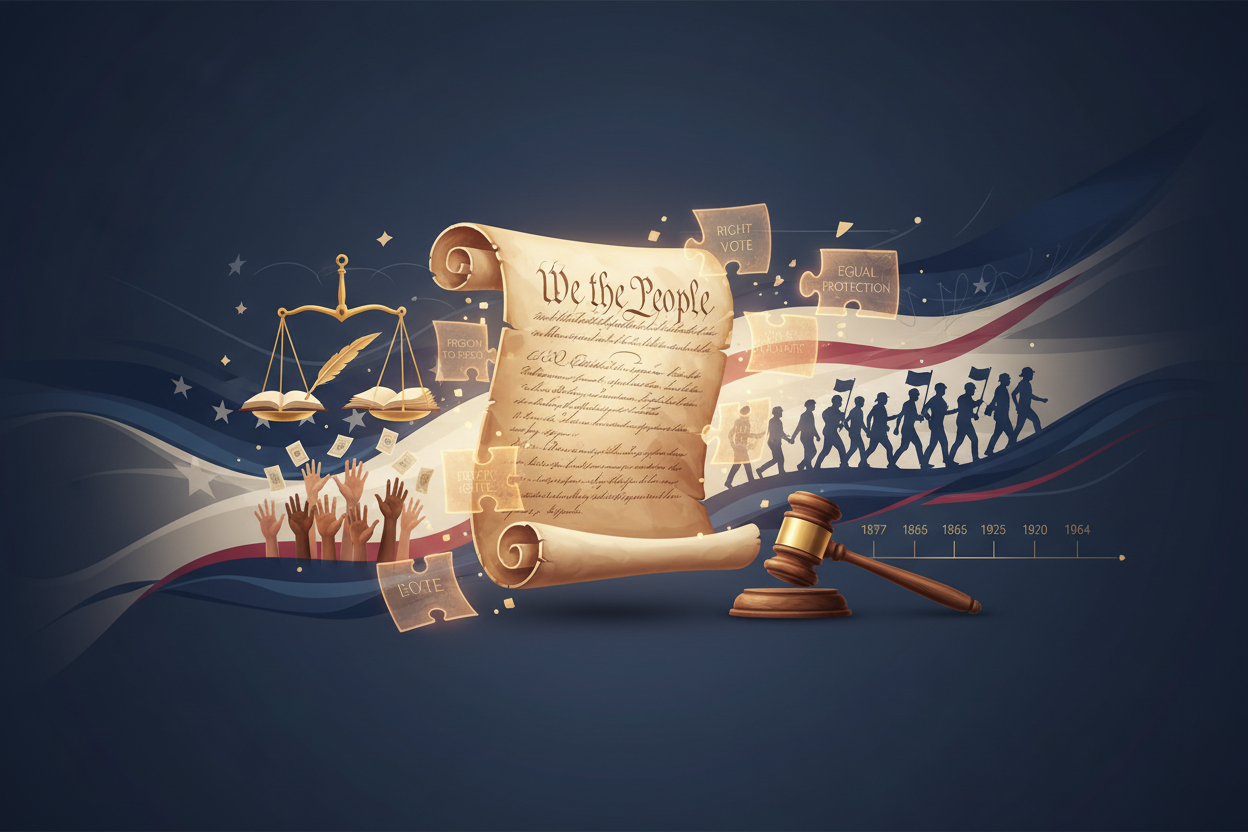
When the Founding Fathers penned the Constitution in 1787, they couldn’t have imagined how dramatically American society would evolve over the next two centuries. What they did anticipate, however, was the need for change. That’s why they included Article V, which outlines the process for constitutional amendments. These 27 amendments haven’t just been legal technicalities—they’ve been catalysts for profound social transformation, reshaping everything from voting rights to personal freedoms.
Understanding the impact of constitutional amendments on American society isn’t just an academic exercise. These changes continue to influence our daily lives, our rights as citizens, and the very fabric of our democracy. From the abolition of slavery to women’s suffrage, from prohibition to its repeal, each amendment tells a story of America grappling with its ideals and evolving toward a more perfect union.
The Foundation: How Constitutional Amendments Work
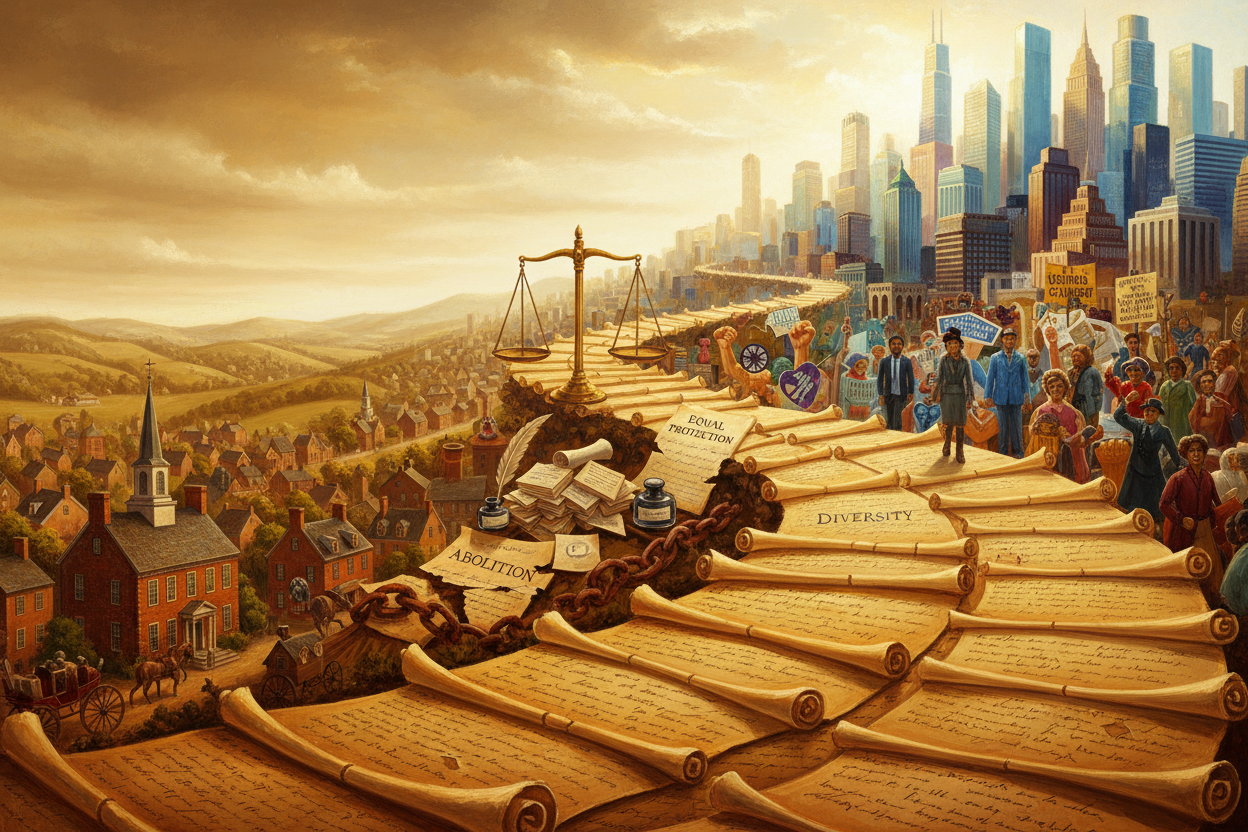
Before diving into specific impacts, it’s crucial to understand how constitutional amendments function. The amendment process was deliberately designed to be challenging, requiring broad consensus across the nation. This high bar ensures that only the most significant and widely supported changes become part of our fundamental law.
The process typically involves either a two-thirds majority in both houses of Congress or a constitutional convention called by two-thirds of state legislatures. Then, three-fourths of the states must ratify the proposed amendment. This rigorous process means that when an amendment passes, it represents a genuine shift in American values and priorities.
What makes constitutional amendments so powerful is their supremacy over regular laws. Once ratified, they become part of the supreme law of the land, binding on all levels of government and society. This permanence and authority give amendments their transformative power over American society.
The Bill of Rights: Establishing Individual Freedoms
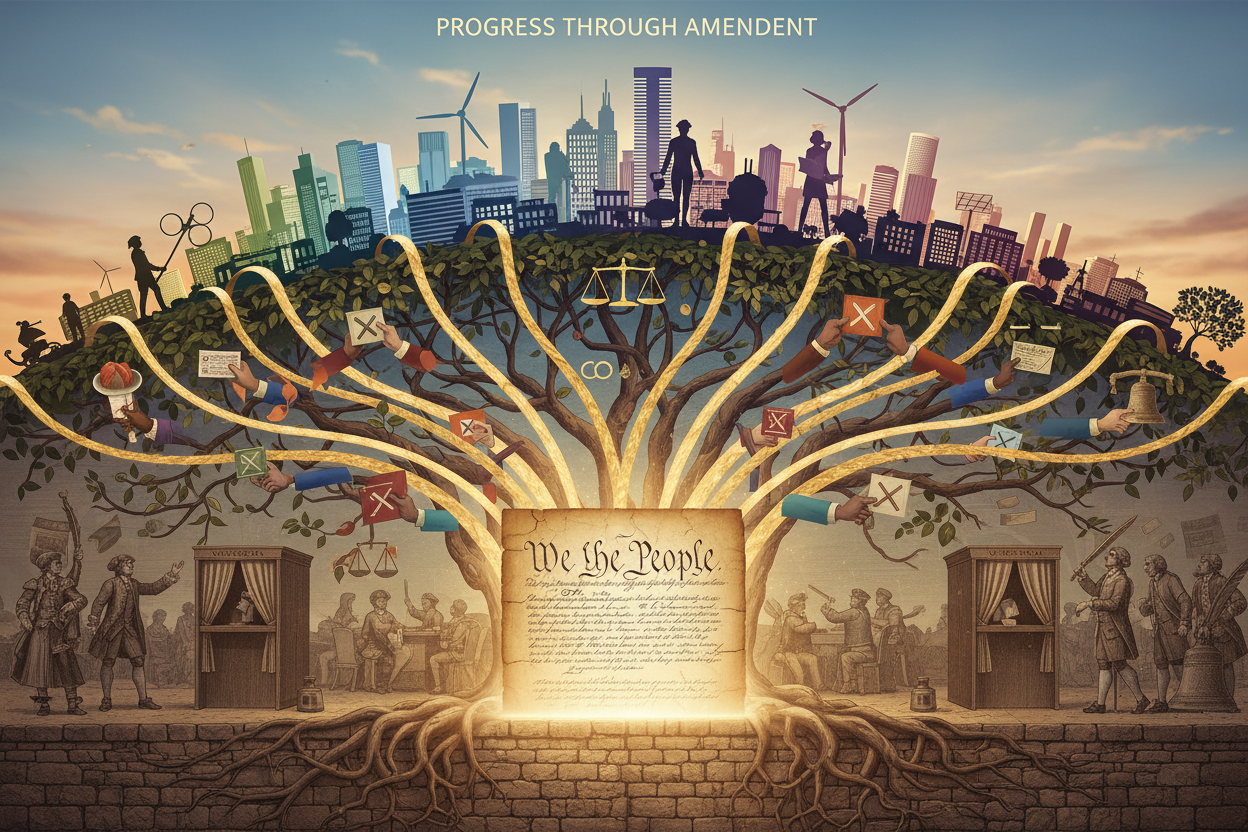
The first ten amendments, known collectively as the Bill of Rights, had an immediate and lasting impact on American society. These amendments didn’t just establish legal protections—they fundamentally shaped American culture and identity around concepts of individual liberty and limited government.
The First Amendment’s protection of speech, religion, press, and assembly created the foundation for American civic life. It enabled the vibrant marketplace of ideas that characterizes American democracy, from political debates to religious diversity to investigative journalism. Without these protections, movements for social change throughout American history would have been impossible.
The Second Amendment has remained one of the most debated aspects of American society, influencing everything from rural culture to urban policy debates. Regardless of one’s position on gun rights, there’s no denying that this amendment has shaped American attitudes toward self-defense, government authority, and individual responsibility.
The Fourth Amendment’s protection against unreasonable searches and seizures has become increasingly relevant in our digital age, influencing debates about privacy, surveillance, and the balance between security and liberty that continues to shape American society today.
Reconstruction Amendments: Redefining American Citizenship
Perhaps no amendments have had a more profound impact on American society than the 13th, 14th, and 15th Amendments, passed during Reconstruction following the Civil War. These amendments didn’t just change laws—they attempted to fundamentally redefine what it means to be an American.
The 13th Amendment’s abolition of slavery marked the end of America’s original sin, though its impact extended far beyond the legal elimination of bondage. It set the stage for ongoing struggles over labor rights, economic equality, and racial justice that continue to shape American society today.
The 14th Amendment’s guarantee of equal protection under the law became the foundation for virtually every major civil rights advancement in American history. From Brown v. Board of Education to marriage equality, this amendment has been the legal tool for expanding rights and protections to previously marginalized groups.
The 15th Amendment’s prohibition on racial discrimination in voting rights began the long journey toward universal suffrage, though it would take nearly a century and additional legislation to fully realize its promise. The ongoing debates about voting rights and election integrity trace their roots back to this pivotal amendment.
Progressive Era Amendments: Expanding Democracy and Social Reform
The early 20th century saw a cluster of amendments that reflected the Progressive Era’s commitment to democratic reform and social improvement. These amendments show how constitutional change can both reflect and accelerate broader social movements.
The 16th Amendment, establishing the federal income tax, fundamentally altered the relationship between citizens and their government. It enabled the federal government to fund ambitious social programs, from Social Security to Medicare, that have become central to American life. This amendment made possible the modern welfare state and America’s role as a global superpower.
The 17th Amendment’s provision for direct election of senators democratized American politics and reduced the influence of state political machines. This change reflected growing demands for more responsive and accountable government that continue to resonate in contemporary American politics.
The 19th Amendment’s extension of voting rights to women represented one of the most dramatic expansions of democracy in American history. This amendment didn’t just double the electorate—it fundamentally changed American politics, family structures, and social expectations. The ripple effects of women’s suffrage continue to influence everything from workplace equality to political representation.
The Prohibition Experiment: Amendment and Repeal
The 18th and 21st Amendments offer a unique case study in how constitutional amendments can reshape American society, sometimes in unexpected ways. The prohibition of alcohol and its subsequent repeal demonstrate both the power and limitations of constitutional change in addressing social issues.
Prohibition’s impact on American society extended far beyond the elimination of legal alcohol sales. It contributed to the rise of organized crime, changed social customs around drinking and entertainment, and highlighted tensions between urban and rural values. The era also saw significant changes in law enforcement practices and federal-state relationships.
The 21st Amendment’s repeal of Prohibition was equally transformative, representing the first time Americans admitted that a constitutional amendment had been a mistake. This precedent has influenced how Americans think about constitutional change and the possibility of reversing course when amendments don’t achieve their intended goals.
Modern Amendments: Adapting to Contemporary Challenges
More recent amendments have addressed specific structural issues in American government while reflecting changing social values and expectations. The 22nd Amendment’s presidential term limits, passed in response to Franklin D. Roosevelt’s four terms, reshaped American political culture around the peaceful transfer of power and democratic renewal.
The 24th Amendment’s elimination of poll taxes removed a significant barrier to voting, particularly affecting African Americans and poor whites in the South. This amendment demonstrated how constitutional change could address economic barriers to democratic participation.
The 26th Amendment’s extension of voting rights to 18-year-olds, passed during the Vietnam War, reflected changing attitudes about youth, military service, and civic participation. The slogan “old enough to fight, old enough to vote” captured the moral urgency behind this amendment and its impact on American political culture.
Long-term Societal Impacts and Cultural Transformation
The cumulative impact of constitutional amendments on American society extends far beyond their immediate legal effects. These amendments have shaped American culture, values, and identity in profound ways that continue to influence how Americans think about rights, responsibilities, and the role of government.
Constitutional amendments have established a pattern of expanding rights and protections over time, creating expectations that American society will continue to evolve toward greater inclusion and equality. This trajectory has influenced social movements, political campaigns, and public discourse throughout American history.
The amendment process itself has become a model for democratic change, demonstrating how societies can peacefully transform themselves through deliberation and consensus-building rather than revolution or violence. This example has influenced democratic movements worldwide and remains a source of American soft power.
Perhaps most importantly, constitutional amendments have helped establish the principle that American democracy is a work in progress, always capable of improvement and refinement. This mindset has fostered a culture of civic engagement and reform that distinguishes American society from more static political systems.
Contemporary Relevance and Future Implications
Understanding the impact of constitutional amendments on American society isn’t just a historical exercise—it’s essential for navigating contemporary challenges and debates. Current discussions about voting rights, campaign finance, and governmental structure all draw on the precedents established by previous amendments.
The amendment process continues to influence how Americans approach major social and political challenges. Whether the issue is climate change, technology regulation, or economic inequality, Americans often look to constitutional solutions as the most permanent and comprehensive way to address systemic problems.
As American society continues to evolve, the lessons learned from previous amendments provide valuable guidance for future constitutional changes. The successes and failures of past amendments offer insights into what makes constitutional change effective and lasting.
Conclusion
The impact of constitutional amendments on American society has been nothing short of transformational. From the Bill of Rights to the most recent amendments, these 27 changes have shaped virtually every aspect of American life, from individual freedoms to democratic participation to the role of government in society.
What emerges from this history is a picture of American society as fundamentally dynamic and self-correcting. Constitutional amendments have provided the mechanism for Americans to address their society’s shortcomings and live up to their highest ideals. While the amendment process is deliberately difficult, it has proven capable of producing profound and lasting change when Americans reach consensus on fundamental issues.
As we face new challenges in the 21st century, the legacy of constitutional amendments reminds us that American society has always been a work in progress. The amendment process remains available as a tool for addressing contemporary challenges, just as it has enabled Americans to build a more perfect union for over two centuries. Understanding this history helps us appreciate both how far American society has come and how much further it might yet evolve.
Frequently Asked Questions
Q: How many constitutional amendments have been proposed versus ratified?
A: Over 11,000 constitutional amendments have been proposed in Congress since 1789, but only 27 have been ratified. This demonstrates how deliberately difficult the Founding Fathers made the amendment process.
Q: Which constitutional amendment had the most immediate impact on American society?
A: The 13th Amendment abolishing slavery arguably had the most immediate and dramatic impact, fundamentally altering the lives of nearly 4 million enslaved people and reshaping the entire social and economic structure of the South.
Q: Can constitutional amendments be repealed?
A: Yes, constitutional amendments can be repealed by subsequent amendments. The 21st Amendment repealed the 18th Amendment (Prohibition), making it the only constitutional amendment to be fully repealed in American history.
Q: How long does the constitutional amendment process typically take?
A: The time varies greatly. The 26th Amendment (lowering the voting age to 18) was ratified in just over three months, while the 27th Amendment (congressional pay) took over 200 years from proposal to ratification.
Q: Are there any proposed constitutional amendments currently being considered?
A: Yes, there are always various proposed amendments in Congress, covering issues like campaign finance reform, term limits, and balanced budget requirements. However, very few gain the momentum needed for serious consideration.
Q: How do constitutional amendments differ from regular laws in their impact on society?
A: Constitutional amendments become part of the supreme law of the land and can only be changed by other amendments, making their impact more permanent and far-reaching than regular laws, which can be easily repealed or modified by future legislatures.

Leave a Reply
You must be logged in to post a comment.