

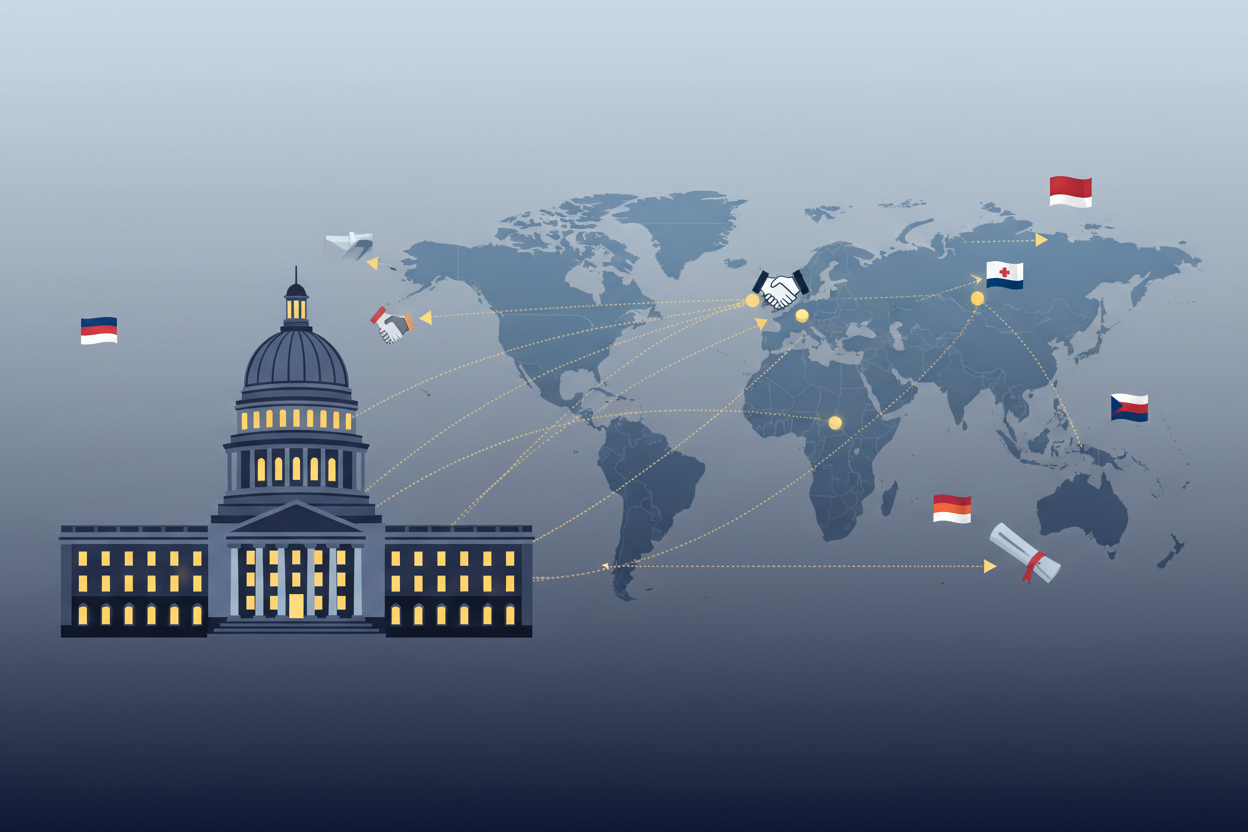
The Influence of Domestic Policy on International Relations: How Internal Decisions Shape Global Diplomacy
In today’s interconnected world, the line between domestic and international affairs has become increasingly blurred. What happens within a nation’s borders doesn’t stay there anymore. From trade policies that ripple across continents to immigration laws that affect global migration patterns, domestic policy decisions have profound implications for international relations. Understanding this intricate relationship is crucial for anyone interested in global politics, economics, or diplomacy.
The influence of domestic policy on international relations represents one of the most fascinating aspects of modern governance. When a country implements new environmental regulations, adjusts its fiscal policies, or changes its stance on human rights, these decisions inevitably affect how other nations perceive and interact with that country. This interconnectedness has only intensified with globalization, making domestic policy choices a critical component of international diplomacy.
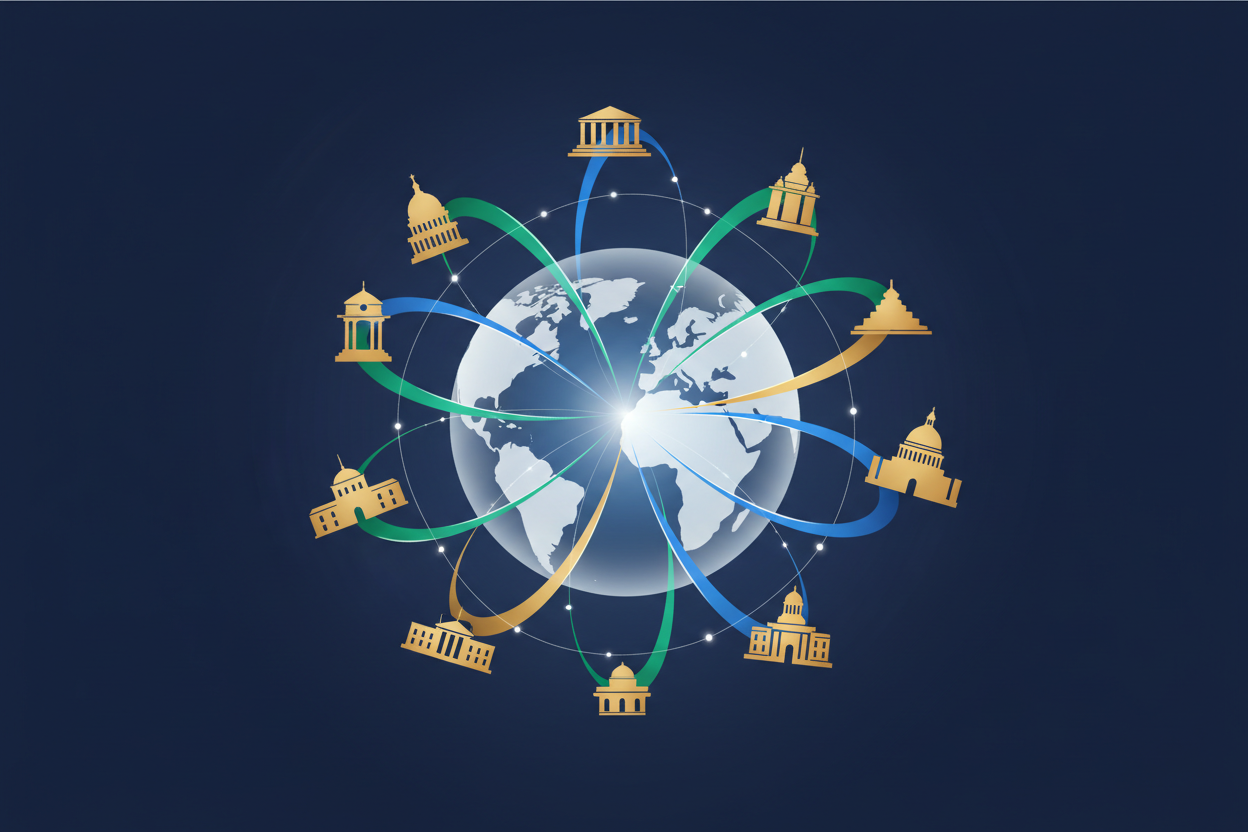
Understanding the Domestic-International Policy Nexus
The relationship between domestic policy and international relations operates on multiple levels. At its core, this connection stems from the fact that nations don’t exist in isolation. Every policy decision made within a country’s borders has the potential to create waves that extend far beyond those boundaries.
Consider how a nation’s economic policies directly impact its trading partners. When the United States adjusts its interest rates, for instance, it doesn’t just affect American consumers and businesses. These changes influence global capital flows, currency exchange rates, and investment patterns worldwide. Similarly, when China implements new trade regulations, manufacturers and suppliers across the globe must adapt their strategies accordingly.

This interconnectedness means that domestic policy makers must increasingly consider international implications when crafting legislation. What might seem like a purely internal matter often requires careful consideration of potential diplomatic consequences. The challenge lies in balancing national interests with international responsibilities and relationships.
Economic Policies as Diplomatic Tools
Economic domestic policies serve as some of the most powerful tools in international relations. Trade policies, taxation systems, and regulatory frameworks all play crucial roles in shaping a country’s relationships with its global partners. These policies can either facilitate cooperation or create tension, depending on how they’re implemented and perceived by other nations.
Take tariff policies as an example. When a country imposes tariffs on imported goods, it’s making a domestic economic decision aimed at protecting local industries or generating revenue. However, these tariffs directly affect exporting countries, potentially leading to trade disputes, retaliatory measures, or diplomatic negotiations. The recent trade tensions between major economies demonstrate how domestic economic policies can escalate into significant international conflicts.
Financial regulations present another compelling case study. When countries implement strict banking regulations or anti-money laundering measures, they’re addressing domestic concerns about financial stability and security. Yet these policies often require international cooperation to be effective, leading to the development of global financial standards and multilateral agreements.
Social Policies and International Reputation
A nation’s social policies significantly influence its international standing and diplomatic relationships. Policies related to human rights, education, healthcare, and social welfare create a country’s international image and affect its soft power capabilities. Countries with progressive social policies often find themselves in positions of moral leadership, while those with restrictive policies may face international criticism and isolation.
Immigration policies exemplify this dynamic perfectly. How a country treats immigrants and refugees reflects its values and priorities, sending strong signals to the international community. Generous asylum policies can enhance a nation’s reputation as a humanitarian leader, while restrictive immigration measures might strain relationships with countries whose citizens are affected.
Similarly, policies regarding gender equality, minority rights, and freedom of expression influence how other nations view a country’s commitment to universal human rights. These perceptions can affect everything from trade negotiations to membership in international organizations. Countries often find themselves defending their domestic social policies on international stages, highlighting the inseparable link between internal governance and external relations.
Environmental Policies in Global Context
Perhaps nowhere is the connection between domestic policy and international relations more evident than in environmental governance. Climate change, pollution, and resource management are inherently global challenges that require coordinated international responses. However, the effectiveness of these global efforts depends heavily on the domestic environmental policies of individual nations.
When countries implement ambitious renewable energy targets or strict emission standards, they’re not just addressing domestic environmental concerns. These policies contribute to global climate goals and influence international environmental negotiations. Conversely, countries that lag in environmental protection often face international pressure and may find themselves excluded from certain international agreements or partnerships.
The Paris Climate Agreement illustrates this dynamic beautifully. While the agreement represents an international commitment, its success depends entirely on the domestic environmental policies that each signatory country implements. Countries that demonstrate leadership in environmental protection often gain influence in international climate negotiations and may receive preferential treatment in green technology partnerships.
Security Policies and International Cooperation
Domestic security policies have profound implications for international relations, particularly in an era of global terrorism and cyber threats. How countries approach internal security affects their relationships with allies, their participation in international security arrangements, and their ability to cooperate on transnational threats.
Counter-terrorism policies provide a clear example of this connection. Domestic anti-terrorism measures often require international cooperation, including intelligence sharing, extradition agreements, and coordinated law enforcement efforts. Countries with robust domestic security frameworks may find themselves as preferred partners in international security alliances, while those with weak security measures might be viewed as potential risks.
Cybersecurity policies represent another area where domestic decisions have international implications. As cyber threats increasingly cross borders, countries must develop domestic cybersecurity frameworks that can integrate with international efforts. Nations that invest heavily in cybersecurity capabilities often become leaders in international cyber defense initiatives.
The Role of Public Opinion in Policy Formation
Public opinion plays a crucial role in shaping both domestic policies and international relations. Democratic governments must balance domestic public sentiment with international obligations and relationships. This balancing act becomes particularly challenging when domestic public opinion conflicts with international expectations or commitments.
Electoral cycles can significantly impact the relationship between domestic policy and international relations. Politicians may adjust their policy positions to appeal to domestic voters, even when these positions complicate international relationships. Brexit serves as a prime example of how domestic political pressures can lead to policies that fundamentally reshape a country’s international relationships.
Social media and modern communication technologies have intensified the impact of public opinion on policy formation. Domestic populations are now more aware of international issues and more likely to pressure their governments to take specific stances on global matters. This increased awareness can lead to more internationally conscious domestic policies, but it can also create pressure for policies that prioritize domestic concerns over international cooperation.
Challenges in Balancing Domestic and International Priorities
Policy makers face significant challenges when trying to balance domestic priorities with international obligations and relationships. These challenges have become more complex as globalization has increased the interconnectedness of domestic and international affairs. The tension between national sovereignty and international cooperation creates ongoing dilemmas for governments worldwide.
One major challenge involves timing and sequencing. Domestic policy changes often need to be coordinated with international partners to be effective, but domestic political pressures may demand immediate action. This mismatch between domestic political timelines and international coordination requirements can lead to suboptimal policies or strained relationships.
Another challenge involves the complexity of unintended consequences. Domestic policies designed to address specific internal issues may have unexpected international ramifications. Policy makers must develop sophisticated analytical capabilities to anticipate these consequences and mitigate potential negative effects on international relationships.
Future Trends in Domestic-International Policy Integration
The relationship between domestic policy and international relations continues to evolve as global challenges become more complex and interconnected. Several trends are shaping the future of this relationship, including increased multilateralism, the rise of non-state actors, and the growing importance of global governance mechanisms.
Technology is playing an increasingly important role in this evolution. Digital platforms enable more direct communication between domestic populations and international actors, while data analytics provide new tools for understanding the international implications of domestic policies. Artificial intelligence and machine learning may eventually help policy makers better predict and manage the international consequences of domestic decisions.
Climate change and other global challenges are likely to further integrate domestic and international policy making. As countries face shared threats that require coordinated responses, the distinction between domestic and international policy may continue to blur. This integration will require new forms of governance that can effectively balance national interests with global responsibilities.
Conclusion
The influence of domestic policy on international relations represents one of the defining characteristics of modern governance. As our world becomes increasingly interconnected, the decisions made within national borders have far-reaching consequences that extend across the globe. Understanding this relationship is essential for anyone seeking to comprehend contemporary politics, economics, and diplomacy.
From economic policies that shape global trade patterns to social policies that influence international reputation, domestic decisions play a crucial role in determining a country’s place in the international community. Environmental policies contribute to global climate efforts, while security policies affect international cooperation on transnational threats. The challenge for policy makers lies in effectively balancing domestic priorities with international responsibilities and relationships.
As we look toward the future, the integration of domestic and international policy making is likely to intensify. Global challenges require coordinated responses that transcend national boundaries, while domestic populations demand policies that address their immediate concerns. Successfully navigating this complex landscape will require sophisticated analytical capabilities, effective communication strategies, and a deep understanding of the interconnected nature of modern governance.
The relationship between domestic policy and international relations will continue to evolve, shaped by technological advances, changing global power dynamics, and emerging challenges. By recognizing and understanding this relationship, we can better appreciate the complexity of modern governance and the importance of thoughtful, coordinated policy making in an interconnected world.
Frequently Asked Questions
How do domestic economic policies affect international trade relationships?
Domestic economic policies such as tariffs, trade regulations, and monetary policies directly impact international trade relationships by affecting the cost and availability of goods and services across borders. These policies can either facilitate trade cooperation or create tensions with trading partners, potentially leading to trade disputes or retaliatory measures.
Can domestic social policies influence a country’s international standing?
Yes, domestic social policies significantly influence a country’s international reputation and soft power. Policies related to human rights, gender equality, immigration, and social welfare create international perceptions about a country’s values and commitment to universal principles, which can affect diplomatic relationships and international cooperation opportunities.
Why are environmental policies considered both domestic and international issues?
Environmental policies are inherently both domestic and international because environmental challenges like climate change, pollution, and resource depletion cross national boundaries. While countries implement environmental policies to address domestic concerns, these policies contribute to global environmental goals and influence international environmental negotiations and agreements.
How does public opinion influence the relationship between domestic policy and international relations?
Public opinion creates pressure on governments to balance domestic voter preferences with international obligations. Democratic governments must consider how their international commitments will be received by domestic populations, and sometimes domestic political pressures can lead to policies that complicate international relationships or require renegotiation of international agreements.
What challenges do policy makers face when balancing domestic and international priorities?
Policy makers face challenges including timing mismatches between domestic political pressures and international coordination requirements, unintended international consequences of domestic policies, and the need to maintain national sovereignty while participating in international cooperation. They must also manage competing interests between domestic constituencies and international partners.


Leave a Reply