

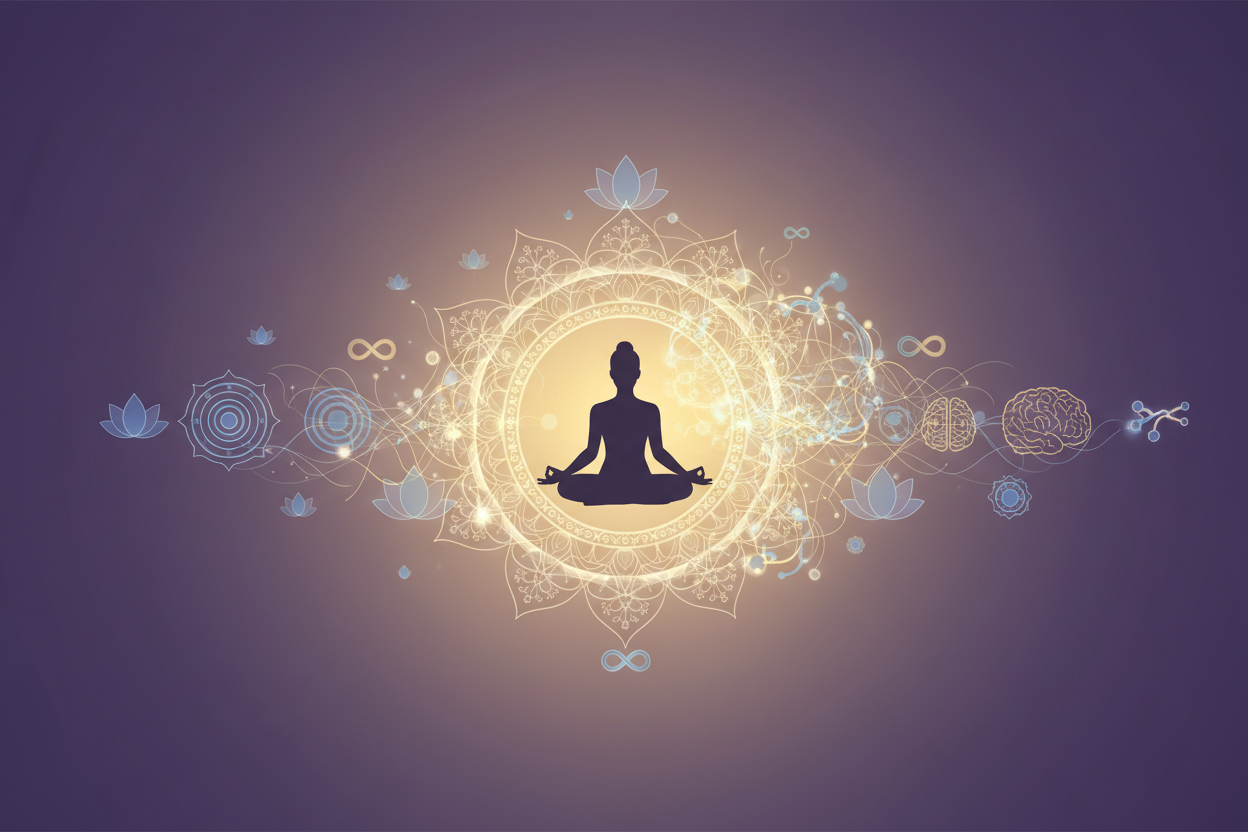
The Intersection of Spirituality and Mental Health: Finding Balance in Mind, Body, and Soul
In our fast-paced, often overwhelming world, millions of people are discovering that traditional approaches to mental health care, while valuable, might not tell the complete story of healing and wellness. There’s a growing recognition that our mental well-being is intricately connected to something deeper – our spiritual lives. This intersection of spirituality and mental health isn’t just a modern trend; it’s a return to understanding humans as whole beings, where our psychological, emotional, and spiritual dimensions work together in beautiful, complex ways.
Whether you consider yourself deeply religious, spiritually curious, or somewhere in between, exploring this connection can open doors to profound healing and personal growth. The relationship between spirituality and mental health isn’t about replacing professional therapy or medication – it’s about enriching our understanding of what it means to be truly well.
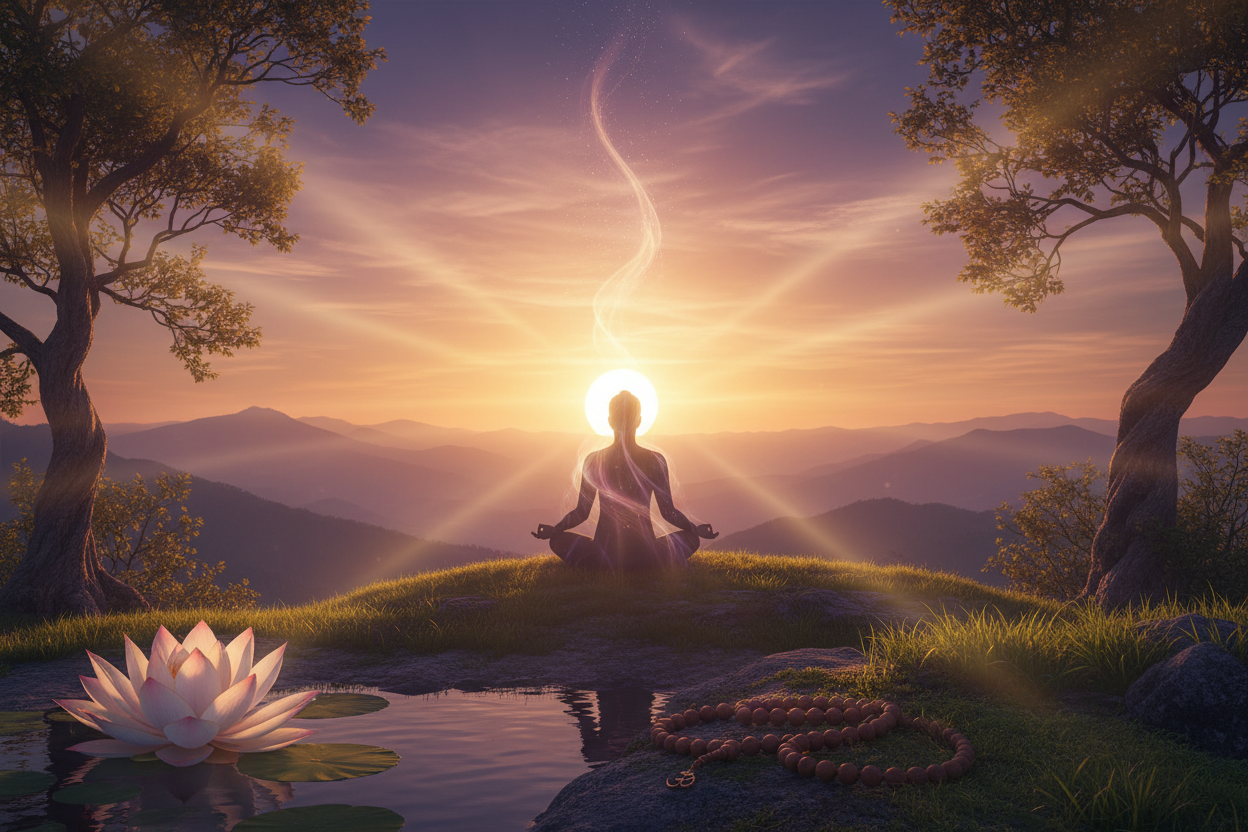
Understanding the Spiritual Dimension of Mental Health
When we talk about spirituality in the context of mental health, we’re not necessarily referring to organized religion, though that can certainly be part of it. Spirituality encompasses our sense of connection to something greater than ourselves, our search for meaning and purpose, and our relationship with the transcendent aspects of life. It’s that feeling you get when you watch a sunset and feel connected to the universe, or the peace that comes from meditation, prayer, or simply sitting in nature.
Mental health professionals are increasingly recognizing that humans have an inherent spiritual dimension that influences our psychological well-being. This recognition has led to the development of spiritually-integrated therapy approaches that honor both our psychological needs and our spiritual longings. Research consistently shows that people who have a strong spiritual foundation often experience better mental health outcomes, including lower rates of depression and anxiety, better coping mechanisms during difficult times, and a greater sense of overall life satisfaction.
The beauty of this intersection lies in how spirituality can provide what psychology sometimes struggles to address: ultimate meaning, hope beyond circumstances, and a sense of connection that transcends our individual struggles. When someone is battling depression, for instance, spiritual practices might offer a lifeline of hope and purpose that complements therapeutic interventions.

How Spiritual Practices Support Mental Wellness
The practical ways that spirituality supports mental health are both profound and surprisingly accessible. Meditation, perhaps one of the most well-researched spiritual practices, has been shown to literally change the structure of our brains. Regular meditation practice increases gray matter in areas associated with learning, memory, and emotional regulation while decreasing activity in the amygdala, our brain’s alarm system.
Prayer, regardless of your religious background, functions similarly to meditation in many ways. It provides a space for reflection, gratitude, and connection. Many people find that prayer helps them process difficult emotions and gain perspective on their challenges. The act of surrendering our worries to a higher power can provide tremendous relief from anxiety and stress.
Mindfulness, which has roots in Buddhist tradition but has been secularized for therapeutic use, teaches us to observe our thoughts and feelings without judgment. This practice can be incredibly healing for those struggling with negative thought patterns or overwhelming emotions. When we learn to witness our mental states rather than being consumed by them, we develop a kind of psychological freedom that’s transformative.
Community connection through spiritual practices also plays a crucial role in mental health. Humans are inherently social beings, and spiritual communities often provide deep, meaningful relationships that support us through life’s ups and downs. The sense of belonging and shared purpose found in these communities can be particularly healing for those dealing with isolation or depression.
The Science Behind Spiritual Mental Health Benefits
The scientific community has embraced studying spirituality’s impact on mental health with remarkable results. Neuroimaging studies reveal that spiritual practices activate areas of the brain associated with positive emotions, empathy, and stress reduction. The prefrontal cortex, responsible for executive function and emotional regulation, shows increased activity in people who regularly engage in spiritual practices.
From a biochemical perspective, spiritual practices often trigger the release of beneficial neurotransmitters. Meditation and prayer can increase serotonin and dopamine levels while reducing cortisol, our primary stress hormone. This natural biochemical shift can be as effective as medication for some individuals, particularly when combined with other therapeutic approaches.
Research on the “relaxation response” – a physiological state of deep rest triggered by practices like prayer and meditation – shows measurable changes in blood pressure, heart rate, and breathing patterns. These changes don’t just feel good in the moment; they create lasting improvements in our body’s ability to handle stress and maintain emotional equilibrium.
Perhaps most fascinating is the research on neuroplasticity and spiritual practices. Our brains remain changeable throughout our lives, and spiritual practices appear to promote positive neural changes. Studies of long-term meditators show increased cortical thickness in areas associated with attention and sensory processing, suggesting that spiritual practices literally reshape our brains for better mental health.
Integrating Spirituality into Mental Health Treatment
The integration of spirituality into mental health treatment requires sensitivity, respect, and professional competence. Many therapists now receive training in spiritually-integrated approaches, learning to honor their clients’ spiritual beliefs while providing evidence-based psychological care. This integration isn’t about therapists becoming spiritual directors or imposing religious beliefs; it’s about recognizing and working with the spiritual resources that clients bring to therapy.
Cognitive-behavioral therapy, for example, can be enhanced by incorporating spiritual concepts like forgiveness, gratitude, and surrender. A client struggling with perfectionism might explore how their spiritual beliefs about grace and acceptance can challenge their harsh self-criticism. Someone dealing with grief might find comfort in spiritual practices that connect them with their sense of the eternal or their continued bond with deceased loved ones.
Mindfulness-based interventions have become particularly popular because they bridge the gap between spiritual practice and psychological technique. These approaches teach practical skills for managing anxiety, depression, and trauma while honoring the contemplative traditions from which mindfulness emerged.
It’s important to note that effective integration requires therapists who are trained in both psychological techniques and spiritual sensitivity. Not every mental health professional is equipped to work in this integrated way, and it’s perfectly appropriate for clients to seek out therapists who can honor their spiritual dimensions.
Common Spiritual Practices for Mental Health
There are numerous spiritual practices that can support mental health, and the beauty is that you don’t need to adhere to any particular religious tradition to benefit from many of them. Meditation comes in countless forms – from focused attention practices to loving-kindness meditation to walking meditation. The key is finding approaches that resonate with you and practicing them consistently.
Gratitude practices, supported by extensive research, can significantly improve mood and overall life satisfaction. This might involve keeping a gratitude journal, beginning each day by acknowledging three things you’re thankful for, or developing a practice of appreciation throughout your daily activities.
Spending time in nature often evokes spiritual feelings and provides mental health benefits. Whether it’s hiking in the mountains, sitting by the ocean, or simply walking in a local park, nature connection can reduce stress, improve mood, and foster a sense of perspective and peace.
Service to others, a common element in many spiritual traditions, provides profound mental health benefits. Volunteering and helping others activates reward centers in our brains and creates a sense of purpose and connection that combats depression and anxiety.
Forgiveness practices, while challenging, can be incredibly liberating for mental health. This doesn’t mean excusing harmful behavior, but rather releasing the emotional burden of resentment for our own well-being. Many spiritual traditions offer frameworks for forgiveness that can be adapted for therapeutic purposes.
Overcoming Barriers and Misconceptions
Despite growing acceptance, there are still barriers to integrating spirituality and mental health. Some people worry that exploring spirituality means abandoning scientific approaches to mental health, but this is a false dichotomy. The most effective approaches often combine evidence-based psychological techniques with spiritual practices that support overall well-being.
Others may have negative associations with religion or spirituality due to past experiences. It’s important to understand that spirituality is deeply personal and doesn’t require adherence to any particular doctrine or belief system. You can explore spiritual practices in ways that feel authentic and safe for you.
Some mental health professionals may be hesitant to address spiritual concerns due to training that emphasized strict separation between psychology and spirituality. However, ethical guidelines for most mental health professions now encourage therapists to be sensitive to clients’ spiritual and religious beliefs as part of culturally competent care.
There’s also sometimes concern about spiritual bypassing – using spiritual practices to avoid dealing with psychological issues. Healthy integration involves addressing both spiritual and psychological dimensions of our experience, not using one to escape the other.
Finding Professional Support
If you’re interested in exploring the intersection of spirituality and mental health, there are several ways to find appropriate professional support. Many therapists now list spiritual integration as one of their specialties. You can search for terms like “spiritually-integrated therapy,” “faith-based counseling,” or “mindfulness-based therapy” depending on your preferences.
Professional organizations like the American Psychological Association have divisions focused on psychology and religion/spirituality, and these organizations can provide referrals to qualified professionals. Many graduate programs now train therapists in spiritually-integrated approaches, so newer professionals may be particularly well-equipped to work in this integrated way.
It’s also worth considering working with both a mental health professional and a spiritual director or chaplain. These professionals can complement each other’s work, with the therapist focusing on psychological healing and the spiritual director supporting your spiritual growth and development.
When seeking professional support, don’t be afraid to ask potential therapists about their comfort level and training in addressing spiritual concerns. A good therapist will be honest about their competence in this area and willing to refer you to someone better suited if needed.
Building Your Own Spiritual Mental Health Practice
Creating your own practice that honors both your spiritual and mental health needs doesn’t require dramatic life changes. Start small and be consistent. You might begin with five minutes of morning meditation, keeping a gratitude journal, or taking mindful walks in nature.
Pay attention to what practices feel nourishing versus obligatory. Spiritual practices should generally leave you feeling more peaceful, connected, and centered, not stressed or guilty. If a practice consistently feels burdensome, it may not be the right fit for you at this time.
Consider exploring different traditions and approaches. You might find wisdom in Buddhist mindfulness practices, Christian contemplation, Islamic dhikr, Jewish meditation, or secular approaches to spirituality. Many people create eclectic practices that draw from multiple traditions.
Remember that spiritual growth and mental health both involve ups and downs. Don’t expect constant peace or happiness – that’s not realistic or healthy. Instead, look for an overall trend toward greater resilience, self-awareness, and capacity for joy and connection.
The intersection of spirituality and mental health offers a rich landscape for healing and growth. By honoring both our psychological and spiritual dimensions, we can access resources for wellness that address the full spectrum of human experience. Whether you’re dealing with specific mental health challenges or simply seeking greater well-being, exploring this intersection can open doorways to profound transformation and lasting peace.
Remember, this journey is deeply personal. What works for others may not work for you, and that’s perfectly okay. Trust your own experience, seek appropriate professional support when needed, and be patient with yourself as you explore these powerful connections between mind, body, and spirit.
Frequently Asked Questions
Do I need to be religious to benefit from spirituality for mental health?
Not at all. While religious traditions offer valuable spiritual practices, spirituality is broader than religion. You can explore meditation, mindfulness, gratitude practices, and nature connection without adhering to any particular religious belief system. Many people find spiritual meaning through secular approaches to transcendence and connection.
Can spiritual practices replace therapy or medication for mental health issues?
Spiritual practices are best viewed as complementary to, not replacements for, professional mental health care. While they can be incredibly beneficial, serious mental health conditions typically require professional treatment. The most effective approach often combines evidence-based therapy and/or medication with supportive spiritual practices.
How do I find a therapist who understands spiritual concerns?
Look for therapists who specifically mention spiritual integration, faith-based counseling, or mindfulness-based approaches in their practice descriptions. You can also ask potential therapists directly about their comfort level and training in addressing spiritual concerns. Many professional organizations provide referral services for spiritually-integrated practitioners.
What if I have negative associations with religion or spirituality?
Many people have had harmful experiences with organized religion, and these concerns are valid. Spirituality can be explored in ways that feel safe and authentic to you. Consider starting with secular practices like mindfulness or nature connection, and work with a therapist who can help you process any religious trauma while exploring healthy spiritual practices.
How long does it take to see mental health benefits from spiritual practices?
Some benefits, like the relaxation response from meditation, can be felt immediately. However, lasting changes in mental health typically require consistent practice over weeks or months. Research suggests that regular meditation practice can show measurable brain changes in as little as eight weeks, but everyone’s timeline is different.
Are there any risks to combining spirituality and mental health treatment?
The main risk is spiritual bypassing – using spiritual practices to avoid dealing with psychological issues. Healthy integration addresses both spiritual and psychological dimensions. It’s also important to work with qualified professionals who understand both domains and can help you navigate this integration safely and effectively.


Leave a Reply
You must be logged in to post a comment.