

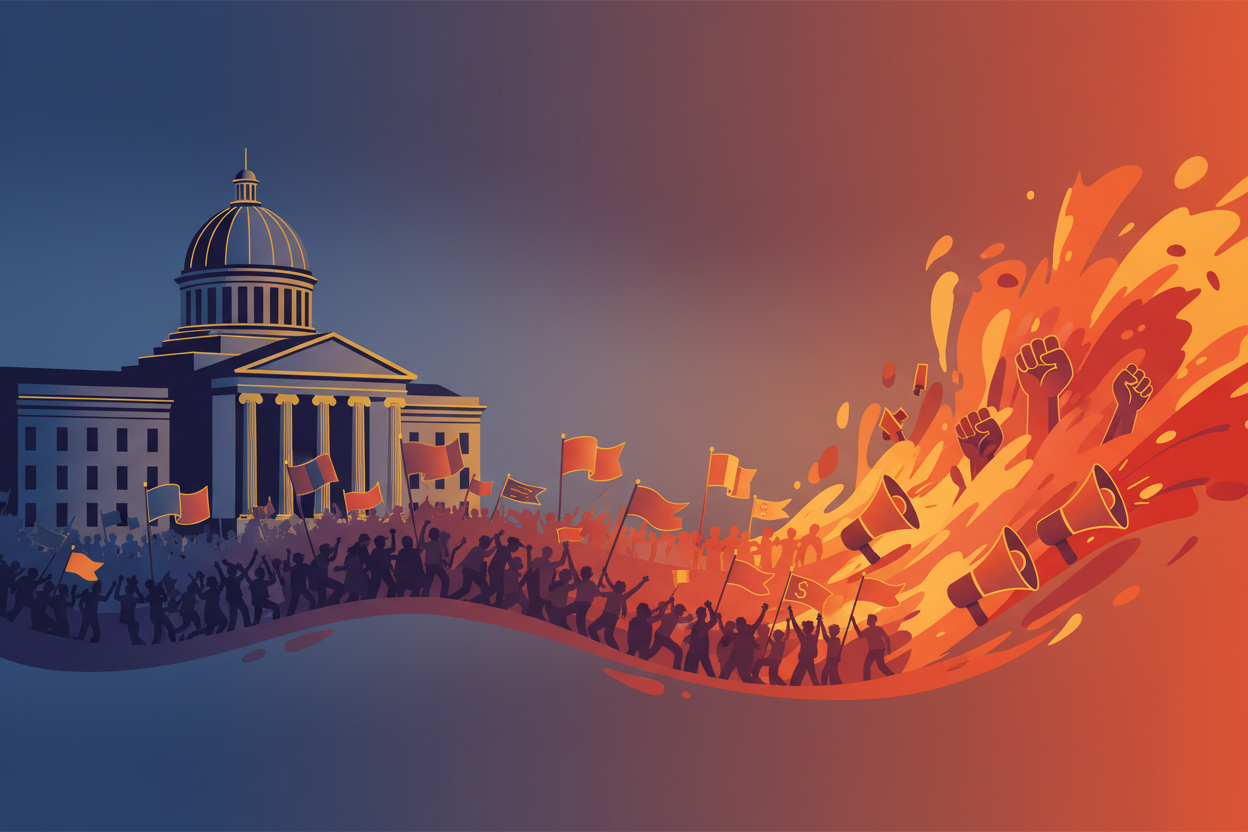
The Rise of Populism: A Challenge for Modern Democrats
Picture this: it’s election night, and the results are rolling in. Across the globe, from Brexit to Brazil, from Hungary to the United States, populist movements are reshaping the political landscape in ways that would have seemed impossible just a decade ago. For modern democratic institutions, this isn’t just another political trend—it’s a fundamental challenge that strikes at the heart of how we understand governance, representation, and the social contract between citizens and their elected officials.
The rise of populism represents one of the most significant political phenomena of our time, forcing democracies worldwide to grapple with questions about legitimacy, inclusion, and the very nature of democratic representation. As we navigate this complex terrain, understanding both the drivers and implications of populist movements becomes crucial for anyone invested in the future of democratic governance.

Understanding Modern Populism: More Than Just Anti-Elite Sentiment
When we talk about populism today, we’re not dealing with a monolithic movement or ideology. Instead, modern populism manifests as a political style that claims to represent “the real people” against what it perceives as a corrupt or out-of-touch elite. This isn’t entirely new—populist movements have emerged throughout history during periods of social and economic upheaval.
What makes contemporary populism particularly challenging for democratic systems is its ability to adapt to different contexts while maintaining core characteristics. Whether we’re looking at right-wing populism in Europe, left-wing populism in Latin America, or the various populist movements that have emerged in established democracies, certain patterns emerge.
Modern populist leaders often present themselves as the authentic voice of ordinary citizens, promising to restore power to “the people” who have been forgotten or betrayed by traditional political establishments. They tend to simplify complex issues into clear-cut narratives of us versus them, often portraying themselves as outsiders fighting against a corrupt system.
The Democratic Dilemma: When Popular Will Challenges Democratic Norms
Here’s where things get particularly thorny for democratic institutions. Democracy, at its core, is supposed to be about the will of the people. So when populist movements claim to represent that will more authentically than traditional democratic institutions, they create a fundamental tension.
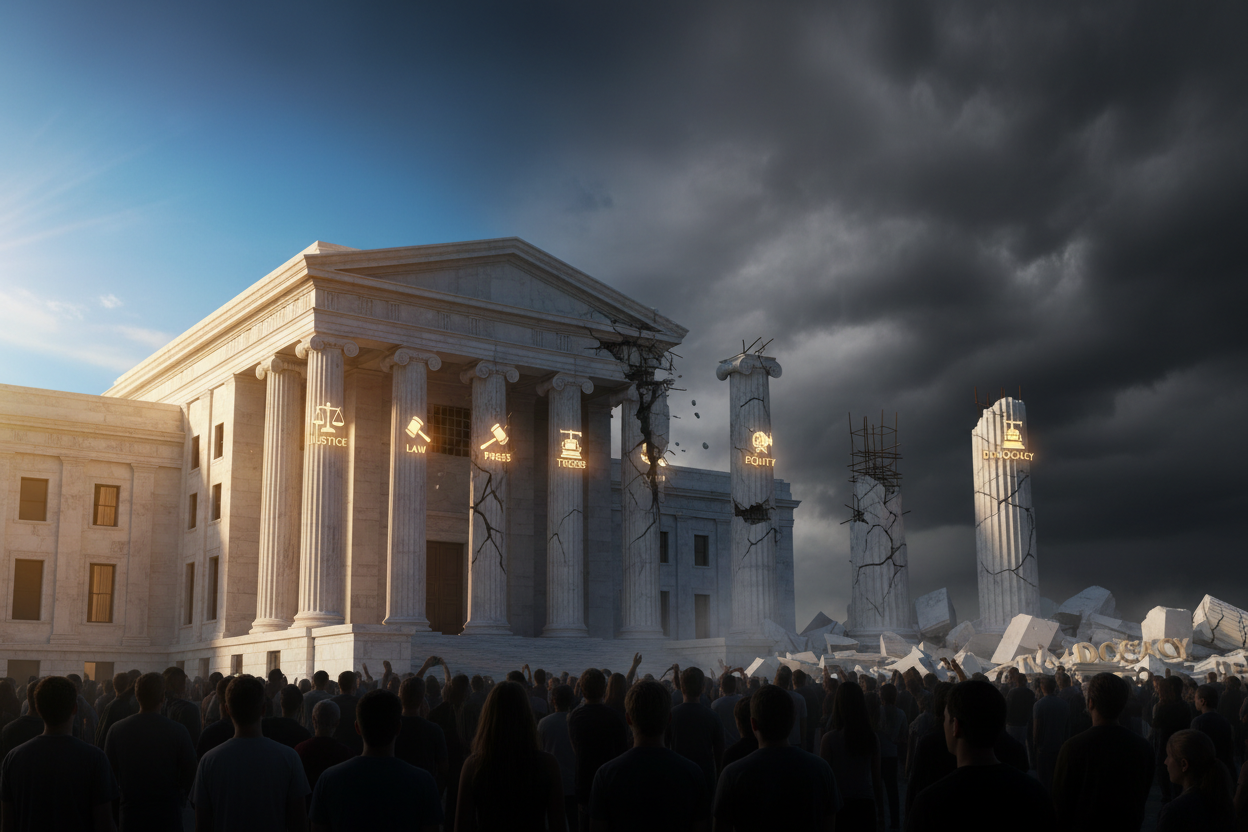
The challenge isn’t that populist movements are inherently undemocratic—many emerge through perfectly legitimate democratic processes. The problem arises when populist governance begins to erode the institutional safeguards that protect minority rights, press freedom, and the rule of law. We’ve seen this pattern play out in countries like Hungary and Poland, where democratically elected populist governments have systematically weakened judicial independence and media plurality.
This creates what political scientists call the “democratic paradox”—the possibility that democratic processes might be used to undermine democracy itself. When populist leaders claim exclusive representation of the people’s will, they can justify bypassing or weakening institutions that were designed to check executive power and protect pluralism.
Economic Anxiety and Cultural Displacement: The Fuel Behind Populist Movements
To understand why populism has gained such traction, we need to look at the underlying conditions that make it appealing to voters. Economic inequality and cultural change often create fertile ground for populist messages to take root.
The 2008 financial crisis exposed deep vulnerabilities in the global economic system, leaving many people feeling that the existing political establishment had failed to protect their interests. Years of wage stagnation, job insecurity, and growing wealth inequality created a sense that the system was rigged in favor of elites while ordinary people struggled.
But economic factors alone don’t explain the populist surge. Cultural and social changes have also played a crucial role. Rapid globalization, immigration, and technological change have transformed communities in ways that can feel destabilizing for people whose identities and values were shaped by different circumstances.
When people feel that their way of life is under threat or that their voices aren’t being heard in traditional political channels, populist movements offer an appealing alternative. They promise not just economic solutions, but cultural recognition and political empowerment for groups that feel marginalized by rapid social change.
Media, Technology, and the Populist Message Machine
The rise of social media and fragmented information ecosystems has fundamentally changed how populist messages spread and gain traction. Traditional gatekeepers in media and politics have less control over the narrative, allowing populist leaders to communicate directly with their supporters and bypass critical scrutiny.
This direct communication channel enables populist leaders to maintain a constant dialogue with their base, reinforcing their messages and creating a sense of intimate connection that traditional politicians often struggle to match. The personalized, emotional nature of social media platforms seems particularly well-suited to populist communication styles that emphasize authenticity and emotional connection over policy details.
The algorithmic nature of social media also tends to create echo chambers where like-minded people reinforce each other’s views, potentially amplifying populist messages and making it harder for people to encounter diverse perspectives. This can contribute to political polarization and make it more difficult to find common ground across political divides.
International Implications: When Populism Goes Global
The populist challenge isn’t confined within national borders. As populist movements have gained power in various countries, they’ve begun to influence international relations and global governance in significant ways.
Populist leaders often embrace nationalist rhetoric and policies that can strain international cooperation. We’ve seen this in the United States’ withdrawal from various international agreements during the Trump administration, the UK’s Brexit decision, and growing skepticism toward international institutions in countries across Europe and beyond.
This trend poses particular challenges for addressing global issues that require coordinated international responses, such as climate change, pandemic preparedness, and economic inequality. When countries turn inward and prioritize national sovereignty over international cooperation, it becomes much harder to tackle problems that transcend borders.
The rise of populism has also created opportunities for authoritarian regimes to exploit divisions within democratic countries and undermine international democratic norms. Countries like Russia and China have been accused of supporting populist movements in democratic countries as a way to weaken Western democratic institutions and international alliances.
Responding to the Populist Challenge: Paths Forward for Democratic Institutions
So how can democratic institutions respond to the populist challenge without betraying their own principles? This question has become central to political debates in democracies around the world, and there are no easy answers.
One approach involves addressing the underlying conditions that make populist appeals attractive. This might include policies to reduce economic inequality, improve social mobility, and ensure that the benefits of globalization and technological change are more widely shared. When people feel that the system is working for them, they’re less likely to support movements that promise to tear it down.
Another crucial element involves strengthening democratic institutions themselves. This means protecting press freedom, maintaining judicial independence, and ensuring that electoral systems are fair and transparent. It also means finding ways to make democratic institutions more responsive to citizen concerns while maintaining their role as checks on executive power.
Political parties and leaders in established democracies also need to find ways to reconnect with voters who feel left behind by rapid social and economic change. This doesn’t mean abandoning democratic principles, but it does mean taking seriously the concerns that drive people toward populist movements and finding democratic ways to address them.
The Future of Democracy in a Populist Age
As we look toward the future, it’s clear that the tension between populist movements and democratic institutions isn’t going away anytime soon. The conditions that have fueled populist appeals—economic inequality, rapid social change, and distrust of traditional institutions—remain significant challenges in many countries.
However, this doesn’t mean that democracy is doomed. Throughout history, democratic systems have shown remarkable resilience and adaptability in the face of various challenges. The key is learning how to evolve and reform democratic institutions in ways that make them more responsive to citizen needs while preserving the pluralism and institutional safeguards that make democracy valuable.
This will likely require ongoing experimentation with new forms of democratic participation, better ways to address economic inequality, and more effective approaches to political communication in the digital age. It will also require citizens who are committed to democratic values and willing to engage constructively in the hard work of democratic governance.
The rise of populism has undeniably created significant challenges for modern democracies, but it has also sparked important conversations about how to make democratic institutions more inclusive, responsive, and effective. The outcome of these conversations will shape the future of democratic governance for generations to come.
Ultimately, the populist challenge forces us to confront fundamental questions about what democracy means and how it should work in the 21st century. While the answers aren’t always clear, engaging seriously with these questions is essential for anyone who believes in the value of democratic governance and wants to see it thrive in an increasingly complex world.
Frequently Asked Questions
What exactly is populism, and how is it different from regular democratic politics?
Populism is a political style that claims to represent “the real people” against corrupt elites. Unlike regular democratic politics, which typically involves compromise and institutional processes, populism often presents simple solutions to complex problems and portrays political opponents as enemies of the people rather than legitimate competitors.
Are all populist movements a threat to democracy?
Not necessarily. Populist movements can emerge through legitimate democratic processes and may address real grievances. The threat to democracy arises when populist leaders use their power to weaken institutional checks and balances, suppress opposition, or undermine minority rights while claiming to represent the will of the people.
Why has populism become so popular in recent years?
Several factors have contributed to the rise of populism, including economic inequality following the 2008 financial crisis, rapid social and cultural changes due to globalization and immigration, declining trust in traditional institutions, and the rise of social media, which allows direct communication between leaders and supporters.
Can democratic institutions adapt to address populist concerns without compromising democratic principles?
Yes, democratic institutions can evolve to be more responsive to citizen concerns while maintaining their core principles. This might involve addressing economic inequality, improving political representation, strengthening transparency, and finding new ways to engage citizens in democratic processes.
How should voters evaluate populist candidates and movements?
Voters should look beyond populist rhetoric to examine specific policy proposals, consider how candidates plan to work within democratic institutions, evaluate their respect for minority rights and press freedom, and assess whether their solutions to complex problems are realistic and evidence-based.


Leave a Reply