

The Role of Congress in Shaping American Policy: How Legislative Power Transforms the Nation
When you flip on the news or scroll through social media, you’re likely to see heated debates about the latest policies coming out of Washington. But have you ever stopped to think about who’s actually behind these decisions that affect millions of Americans? While the President often gets the spotlight, it’s actually Congress that serves as the true engine of American policymaking. This legislative body, with its 535 members representing every corner of our nation, wields enormous power in shaping the laws and policies that govern our daily lives.
Understanding how Congress shapes American policy isn’t just academic exercise – it’s essential knowledge for any citizen who wants to grasp how our democracy really works. From healthcare reforms that affect your family’s medical bills to infrastructure investments that determine whether your morning commute runs smoothly, congressional decisions ripple through every aspect of American life.
The Constitutional Foundation of Congressional Power
The framers of the Constitution didn’t accidentally make Congress the first branch of government they described in detail. Article I establishes Congress as the legislative branch, granting it what many consider the most fundamental power in any democracy: the power to make laws. This isn’t just about passing bills – it’s about having the authority to tax, regulate interstate commerce, declare war, and control government spending.
What makes congressional power particularly significant is its breadth. Unlike the President, who executes laws, or the Supreme Court, which interprets them, Congress creates the very framework within which American society operates. When you think about landmark legislation like the Civil Rights Act, the Americans with Disabilities Act, or the Affordable Care Act, you’re looking at Congress exercising its constitutional authority to reshape American society.
The bicameral structure – with both the House of Representatives and the Senate – adds another layer of complexity to how Congress shapes policy. The House, with its two-year terms and districts based on population, tends to be more responsive to immediate public concerns. The Senate, with six-year terms and equal representation for all states, often provides a more deliberative approach to policymaking.
How Congressional Committees Drive Policy Development
If you’ve ever wondered where the real work of Congress happens, look no further than its committee system. These smaller groups of legislators serve as policy laboratories where ideas are tested, refined, and either advanced or discarded. The committee system allows Congress to develop expertise in specific areas and conduct the detailed work that comprehensive legislation requires.
Take healthcare policy, for example. The House Energy and Commerce Committee and the Senate Health, Education, Labor and Pensions Committee don’t just vote on healthcare bills – they conduct hearings with medical experts, review research data, and examine the potential impacts of proposed changes. This committee work often determines whether a policy idea has any chance of becoming law.
The committee system also provides multiple access points for different stakeholders to influence policy. Healthcare providers, patient advocacy groups, insurance companies, and pharmaceutical manufacturers all have opportunities to present their perspectives during committee hearings. This process, while sometimes slow and contentious, helps ensure that major policy changes receive thorough examination before implementation.
The Legislative Process: From Idea to Implementation
Understanding how Congress shapes American policy requires grasping the intricate process by which ideas become laws. It’s far more complex than the “I’m Just a Bill” cartoon from your childhood might suggest. The journey from policy proposal to enacted legislation involves multiple stages where ideas can be modified, improved, or killed entirely.
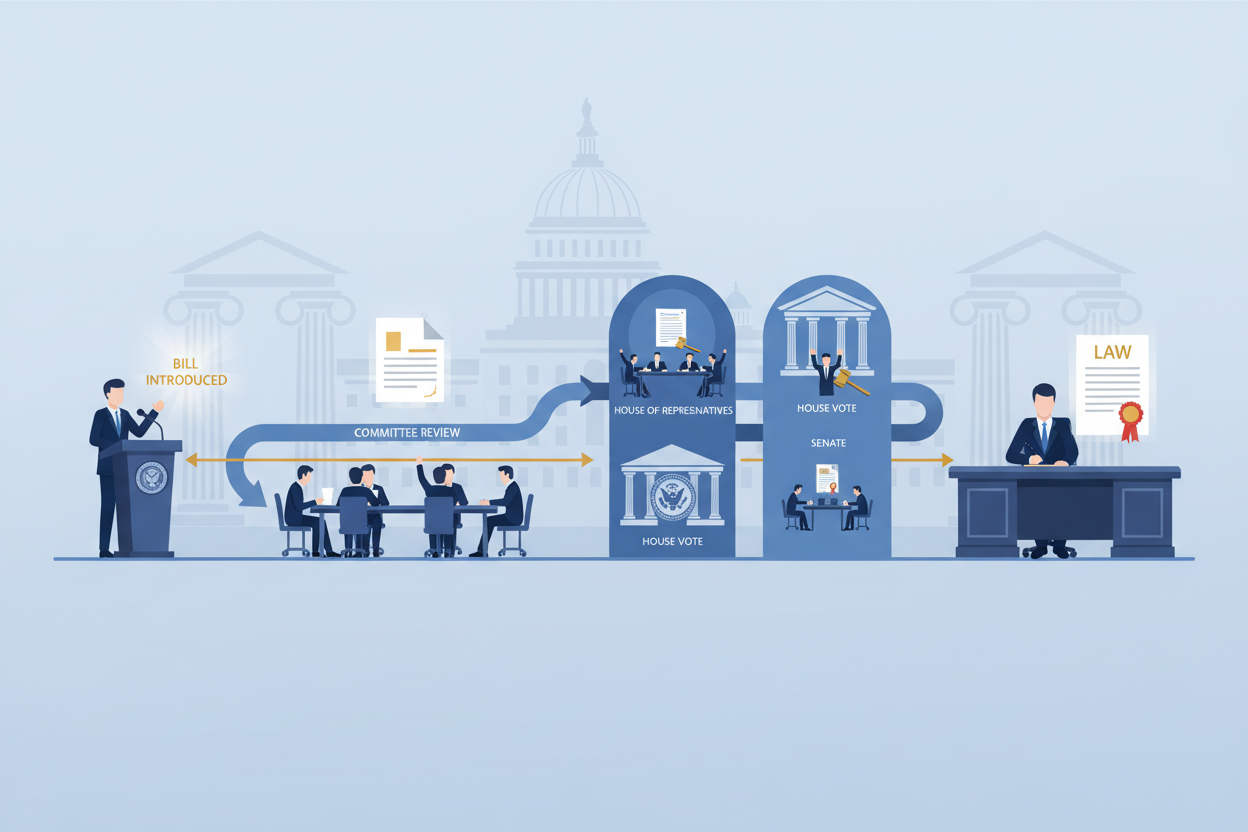
The process typically begins when a member of Congress introduces a bill, often in response to constituent concerns, emerging challenges, or campaign promises. But introduction is just the first step. The bill must navigate committee review, floor debates, voting procedures, and potential conference committees to reconcile differences between House and Senate versions.
What’s particularly fascinating about this process is how it forces compromise and coalition-building. Rarely does a major piece of legislation pass without significant modifications from its original form. The Affordable Care Act, for instance, went through numerous revisions as different congressional factions negotiated over coverage requirements, funding mechanisms, and implementation timelines.
Congressional Oversight: Ensuring Policy Effectiveness
Congress doesn’t just create policies and walk away – it maintains ongoing oversight responsibilities that significantly influence how those policies actually work in practice. This oversight function often gets less attention than the initial lawmaking process, but it’s equally important in shaping American governance.
Through hearings, investigations, and budget reviews, Congress continuously monitors how executive agencies implement the laws it passes. When the Department of Veterans Affairs faced scandals over patient wait times, it was congressional oversight that brought these issues to light and forced policy changes. When concerns arise about data privacy practices at major tech companies, congressional hearings often drive new regulatory approaches.
This oversight role gives Congress significant influence over policy implementation even after laws are passed. Agencies know they’ll face congressional scrutiny, which affects how they interpret and execute their responsibilities. The threat of budget cuts or hostile hearings can be powerful motivators for agencies to align their actions with congressional expectations.
The Impact of Political Dynamics on Policy Formation
Anyone who follows American politics knows that Congress doesn’t operate in a vacuum. Political party dynamics, electoral pressures, and partisan divisions all influence how Congress approaches policymaking. These factors can sometimes impede effective governance, but they also reflect the diverse viewpoints that exist within American society.
Partisan polarization has undoubtedly made certain types of policy changes more difficult to achieve. Major legislation increasingly passes along party lines rather than with broad bipartisan support. This trend affects not just what policies get enacted, but how they’re designed and implemented. Policies passed with narrow majorities often face ongoing challenges to their legitimacy and effectiveness.
However, it’s worth noting that even in our polarized era, Congress continues to pass significant bipartisan legislation on issues where common ground exists. Infrastructure improvements, certain aspects of criminal justice reform, and some healthcare initiatives have garnered support from both parties, demonstrating that effective policymaking remains possible when interests align.
Modern Challenges in Congressional Policymaking
Today’s Congress faces policymaking challenges that the founders could never have anticipated. The pace of technological change, the complexity of global economic relationships, and the speed of modern communications all affect how Congress approaches its role in shaping American policy.
Social media and 24-hour news cycles create pressure for immediate responses to emerging issues, sometimes conflicting with the deliberative process that effective policymaking requires. Members of Congress must balance the need for thoughtful analysis with public demands for quick action on pressing problems.
The increasing complexity of policy issues also presents challenges. Climate change, cybersecurity, artificial intelligence, and biotechnology all require specialized knowledge that can be difficult for generalist legislators to master. This complexity makes the committee system more important than ever, but also increases the influence of lobbyists and special interests who possess technical expertise.
The Future of Congressional Influence on American Policy
As we look ahead, several trends will likely influence how Congress continues to shape American policy. Demographic changes in congressional districts, evolving communication technologies, and shifting public expectations about government responsiveness will all affect how the legislative branch operates.
The growing diversity of Congress – in terms of race, gender, age, and professional background – is already influencing which issues receive attention and how they’re approached. Younger members bring different perspectives on technology and climate change, while members from diverse backgrounds highlight policy concerns that might have been overlooked in the past.
Technology will continue to change how Congress gathers information, communicates with constituents, and conducts its business. Virtual hearings, digital voting systems, and data analytics tools all have the potential to make congressional operations more efficient and responsive to public needs.
The role of Congress in shaping American policy remains as vital today as it was when the Constitution was first ratified. Despite the challenges of partisan division and increasing complexity, Congress continues to serve as the primary venue where competing visions for America’s future are debated and resolved. Understanding this process – with all its messiness and imperfections – is essential for anyone who wants to participate effectively in American democracy.
Whether you’re advocating for specific policy changes, trying to understand why certain laws exist, or simply wanting to be a more informed citizen, recognizing the central role Congress plays in shaping American policy provides crucial insight into how our government actually works. The next time you see a congressional debate on the news, remember that you’re watching democracy in action – the ongoing process by which 330 million Americans collectively decide how they want to be governed.
Frequently Asked Questions
How does Congress actually create new policies?
Congress creates new policies through the legislative process, which begins when a member introduces a bill. The bill must pass through committee review, floor debates, and voting in both the House and Senate. If both chambers pass the bill, it goes to the President for signature or veto. Throughout this process, the original proposal often undergoes significant modifications based on input from various stakeholders and political negotiations.
What’s the difference between how the House and Senate approach policymaking?
The House of Representatives, with shorter two-year terms and smaller districts, tends to be more responsive to immediate public concerns and can move more quickly on legislation. The Senate, with six-year terms and statewide constituencies, typically takes a more deliberative approach and often serves as a check on hasty policymaking. The Senate’s rules also allow for more extended debate and individual member influence over the legislative process.
How do congressional committees influence policy development?
Congressional committees serve as specialized policy workshops where legislation receives detailed examination. They conduct hearings with experts, review research, and markup bills before sending them to the full chamber. Committee membership often determines which issues receive attention and how they’re addressed, making committee assignments crucial for members who want to influence specific policy areas.
Can Congress change policies after they’re implemented?
Yes, Congress maintains ongoing oversight over implemented policies and can modify them through new legislation. Congress also influences policy implementation through budget decisions, confirmation of key officials, and oversight hearings that can pressure agencies to change their approaches. This ongoing role means congressional influence on policy extends well beyond the initial lawmaking process.
How do political parties affect congressional policymaking?
Political parties significantly influence which policies Congress considers and how they’re developed. Party leadership controls the legislative agenda, and partisan divisions can either facilitate or impede policy changes depending on whether there’s bipartisan agreement. While polarization has made some types of comprehensive reform more difficult, parties also help organize the complex legislative process and provide voters with clear policy alternatives.


Leave a Reply