

The Role of Constitutional Rights in Modern Legal Battles: How Fundamental Freedoms Shape Today’s Courtrooms
Constitutional rights serve as the bedrock of our legal system, yet their application in modern courtrooms continues to evolve in fascinating and sometimes controversial ways. From landmark Supreme Court cases to everyday legal disputes, these fundamental freedoms shape how justice is administered and how individual liberties are protected. As society grapples with new technologies, changing social norms, and emerging challenges, the interpretation and application of constitutional rights remain more relevant than ever.
In recent years, we’ve witnessed constitutional rights playing pivotal roles in cases involving digital privacy, religious freedom, free speech in the digital age, and equal protection under the law. Understanding how these rights function in contemporary legal battles isn’t just important for lawyers and judges – it affects every citizen who relies on these protections in their daily lives.
Understanding Constitutional Rights in the Legal Framework
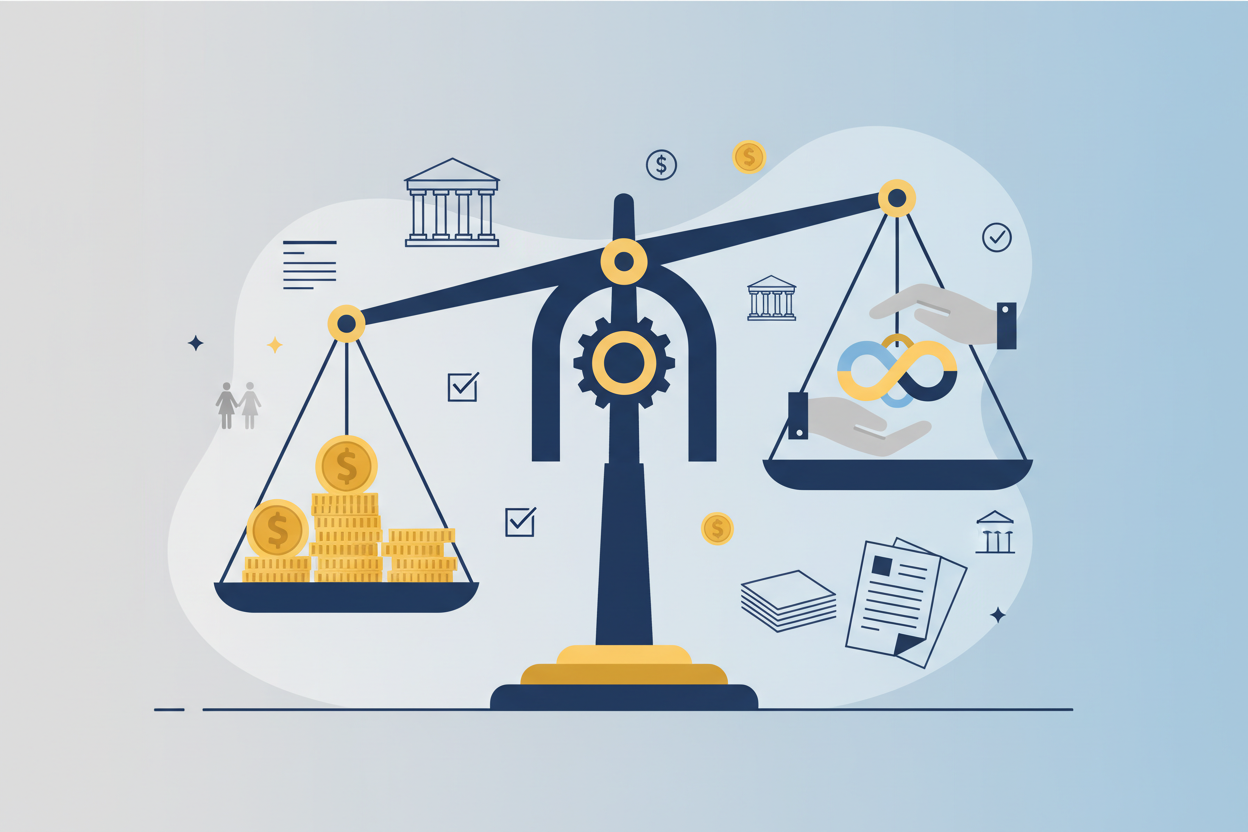
Constitutional rights represent the fundamental protections guaranteed to individuals by the Constitution and its amendments. These rights serve as a shield against government overreach and provide the foundation for a free and democratic society. In modern legal battles, constitutional rights often serve as the ultimate arbiter when other laws and regulations come into conflict with individual liberties.
The beauty of constitutional rights lies in their adaptability. While the text of the Constitution remains largely unchanged, courts continuously interpret these rights in the context of contemporary challenges. This dynamic interpretation allows centuries-old principles to address modern dilemmas, from internet surveillance to genetic privacy.
Legal professionals today must navigate an increasingly complex landscape where constitutional rights intersect with rapidly evolving technology, social movements, and global concerns. The challenge lies in maintaining the integrity of these fundamental protections while ensuring they remain relevant and applicable to situations the founding fathers could never have imagined.
Digital Privacy and Fourth Amendment Protections
Perhaps nowhere is the evolution of constitutional rights more evident than in digital privacy cases. The Fourth Amendment’s protection against unreasonable searches and seizures has taken on new dimensions in our interconnected world. Modern legal battles frequently center on questions like: Does law enforcement need a warrant to access cell phone location data? Can government agencies monitor social media activity without constitutional protections?
Recent landmark cases have established important precedents. The Supreme Court’s decision in Carpenter v. United States demonstrated how constitutional rights adapt to technological advancement, ruling that accessing historical cell phone location data requires a warrant. This decision acknowledged that digital footprints deserve the same constitutional protections as physical spaces.
These privacy battles extend beyond criminal law into civil litigation, employment disputes, and family law cases. Attorneys regularly invoke Fourth Amendment protections when challenging evidence obtained through digital surveillance, and these arguments often determine the outcome of cases involving everything from divorce proceedings to corporate espionage.
Free Speech in the Digital Age
The First Amendment’s guarantee of free speech faces unprecedented challenges in our digital era. Social media platforms, online forums, and digital communication have created new battlegrounds for free speech rights. Modern legal battles often grapple with questions about content moderation, online harassment, and the balance between free expression and public safety.
Courts must now determine whether social media companies can restrict speech, how online threats should be prosecuted, and where the line exists between protected political speech and harmful misinformation. These cases have far-reaching implications for how we communicate, share information, and participate in democratic discourse.
The complexity increases when considering that many digital platforms operate across international boundaries, creating jurisdictional challenges that require careful consideration of constitutional rights. Legal professionals find themselves arguing cases where traditional free speech doctrine meets artificial intelligence algorithms and global communication networks.
Religious Freedom and Contemporary Challenges
Religious freedom cases continue to generate significant constitutional debates in modern courtrooms. The First Amendment’s protection of religious exercise faces new tests as society becomes more diverse and secular institutions grapple with accommodating various faith traditions. Recent legal battles have involved religious exemptions from generally applicable laws, the role of religion in public spaces, and conflicts between religious beliefs and civil rights protections.
Healthcare mandates, employment discrimination, and public accommodation laws frequently intersect with religious freedom claims. Courts must balance the sincere religious beliefs of individuals and organizations against compelling government interests and the rights of others. These cases often require judges to make nuanced decisions about the scope and limits of religious liberty in a pluralistic society.
The challenge for legal practitioners lies in presenting compelling arguments that respect both religious freedom and other constitutional rights, particularly equal protection guarantees. Modern religious freedom cases rarely exist in isolation – they typically involve multiple constitutional principles that must be carefully balanced.
Equal Protection and Social Justice Movements
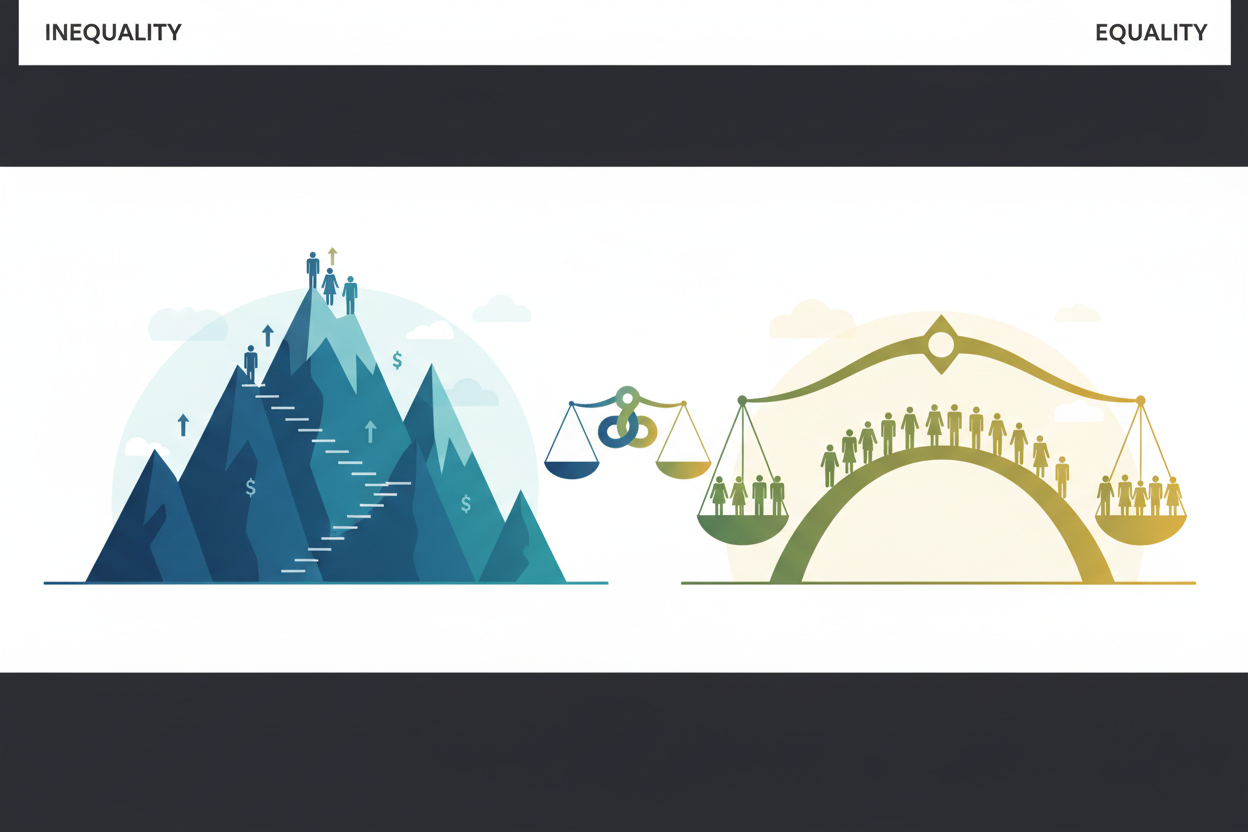
The Fourteenth Amendment’s Equal Protection Clause remains a powerful tool in contemporary legal battles, particularly as social justice movements challenge systemic inequalities. Modern courts regularly hear cases involving racial discrimination, gender equality, LGBTQ+ rights, and other civil rights issues where constitutional protections play a central role.
Recent years have seen significant developments in equal protection jurisprudence, with courts addressing marriage equality, transgender rights, voting access, and criminal justice reform. These cases demonstrate how constitutional rights continue to evolve as society’s understanding of equality and justice expands.
Legal advocates increasingly use equal protection arguments in combination with other constitutional rights to build comprehensive cases for social change. This multi-faceted approach reflects the interconnected nature of constitutional protections and their collective power to address complex social issues.
The Impact of Constitutional Rights on Legal Strategy
For practicing attorneys, constitutional rights considerations fundamentally shape legal strategy across all practice areas. Whether handling a simple contract dispute or a complex criminal case, lawyers must consider how constitutional protections might affect their arguments, evidence, and potential outcomes.
Constitutional challenges can transform routine legal matters into significant precedent-setting cases. A seemingly straightforward zoning dispute might raise First Amendment issues, while a standard employment case could implicate due process rights. This reality requires legal professionals to maintain broad constitutional knowledge regardless of their specialization.
The strategic use of constitutional arguments can also influence settlement negotiations, as parties recognize the potential for appellate review and the establishment of binding precedent. Understanding constitutional rights isn’t just about courtroom advocacy – it’s about providing comprehensive legal counsel that anticipates all potential avenues of challenge and protection.
Future Challenges and Evolving Interpretations
As we look toward the future, constitutional rights will continue to face new challenges from emerging technologies, changing social structures, and evolving global relationships. Artificial intelligence, biotechnology, climate change, and international terrorism present novel questions about how constitutional protections apply in unprecedented situations.
The legal profession must prepare for constitutional battles involving issues we’re only beginning to understand. Questions about AI decision-making in government, genetic privacy rights, and the constitutional implications of climate action will likely define the next generation of constitutional jurisprudence.
Legal education and professional development must evolve to help practitioners navigate these emerging challenges while maintaining fidelity to constitutional principles. The ability to apply foundational constitutional concepts to novel situations will become increasingly valuable as the pace of social and technological change accelerates.
Conclusion
Constitutional rights remain the cornerstone of American jurisprudence, providing essential protections that adapt to meet contemporary challenges while maintaining their fundamental integrity. Modern legal battles demonstrate both the enduring relevance of these rights and their remarkable flexibility in addressing issues far beyond the original framers’ imagination.
For legal professionals, understanding the dynamic role of constitutional rights in modern practice is essential for effective advocacy and comprehensive client service. These rights don’t exist in abstract isolation – they actively shape legal outcomes, influence strategic decisions, and provide powerful tools for protecting individual liberties and promoting justice.
As society continues to evolve, constitutional rights will undoubtedly face new tests and interpretations. The legal profession’s responsibility lies in ensuring these fundamental protections remain robust, relevant, and accessible to all citizens while adapting to meet the challenges of an ever-changing world.
Frequently Asked Questions
How do constitutional rights differ from statutory rights?
Constitutional rights are fundamental protections established by the Constitution that cannot be easily changed by legislation. Statutory rights are created by laws passed by legislatures and can be modified or repealed more readily. Constitutional rights generally take precedence when conflicts arise.
Can constitutional rights be limited or restricted?
Yes, constitutional rights are not absolute. Courts apply various tests to determine when government interests justify limitations on constitutional rights. These tests typically require compelling government interests and narrowly tailored restrictions that achieve those interests with minimal impact on protected rights.
How do modern technologies affect constitutional rights interpretation?
Technology creates new contexts for applying constitutional rights, often requiring courts to extend traditional protections to digital environments. For example, Fourth Amendment privacy protections now cover digital communications and data, while First Amendment free speech rights apply to online expression.
What happens when different constitutional rights conflict?
When constitutional rights conflict, courts engage in balancing tests to determine which right should prevail in specific circumstances. These decisions often depend on the particular facts of each case and require careful consideration of competing interests and the broader implications for constitutional law.
How can individuals protect their constitutional rights in legal proceedings?
Individuals can protect their constitutional rights by working with experienced attorneys who understand constitutional law, documenting potential violations, and raising constitutional issues early in legal proceedings. It’s also important to understand that constitutional rights must be actively asserted – they don’t automatically protect themselves.

Leave a Reply
You must be logged in to post a comment.