

The Role of Culture in Shaping National Identity
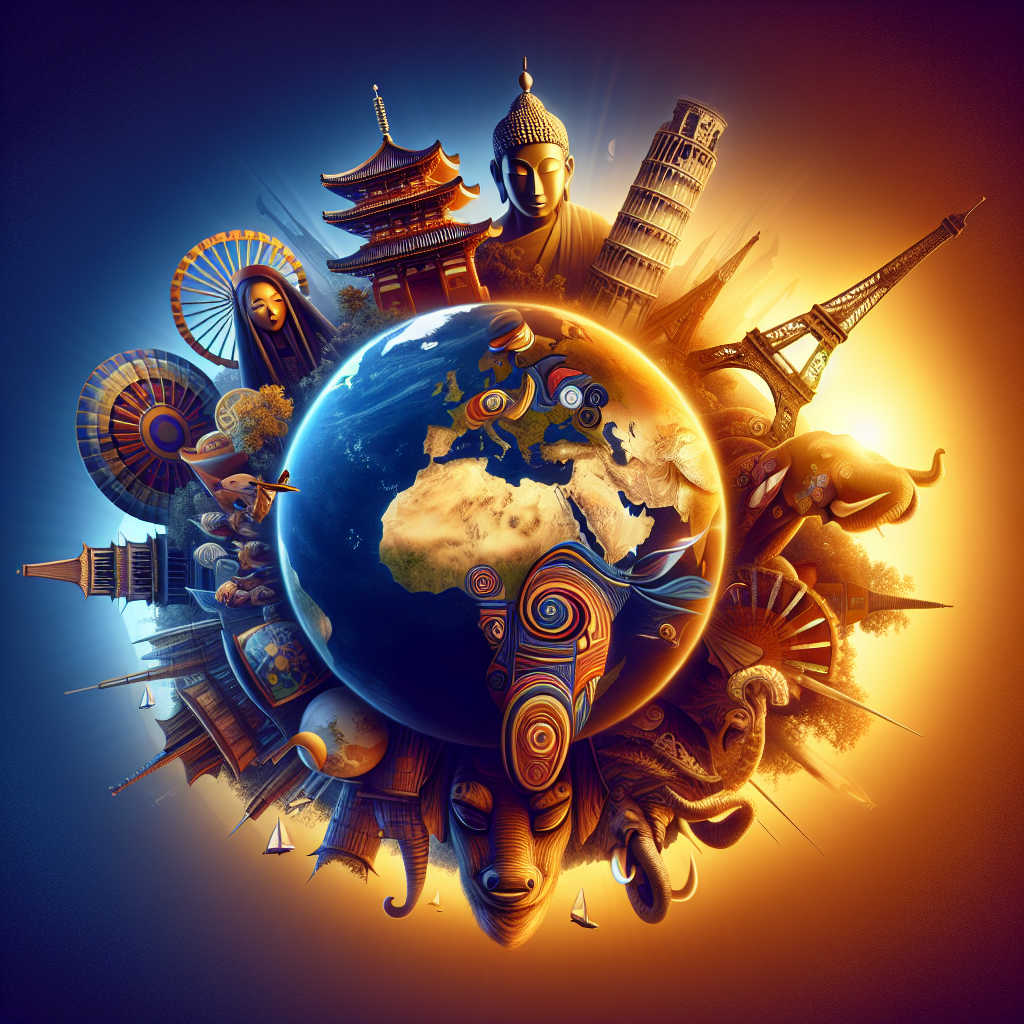
National identity is a complex tapestry woven from various threads, with culture being one of the most vibrant and influential. From the food we eat to the language we speak, culture serves as a cornerstone in defining who we are as a nation. But how exactly does culture shape national identity? This blog post delves into the fascinating interplay between culture and national identity, exploring how traditions, language, art, and shared history contribute to a collective sense of belonging.
The Foundations of National Identity
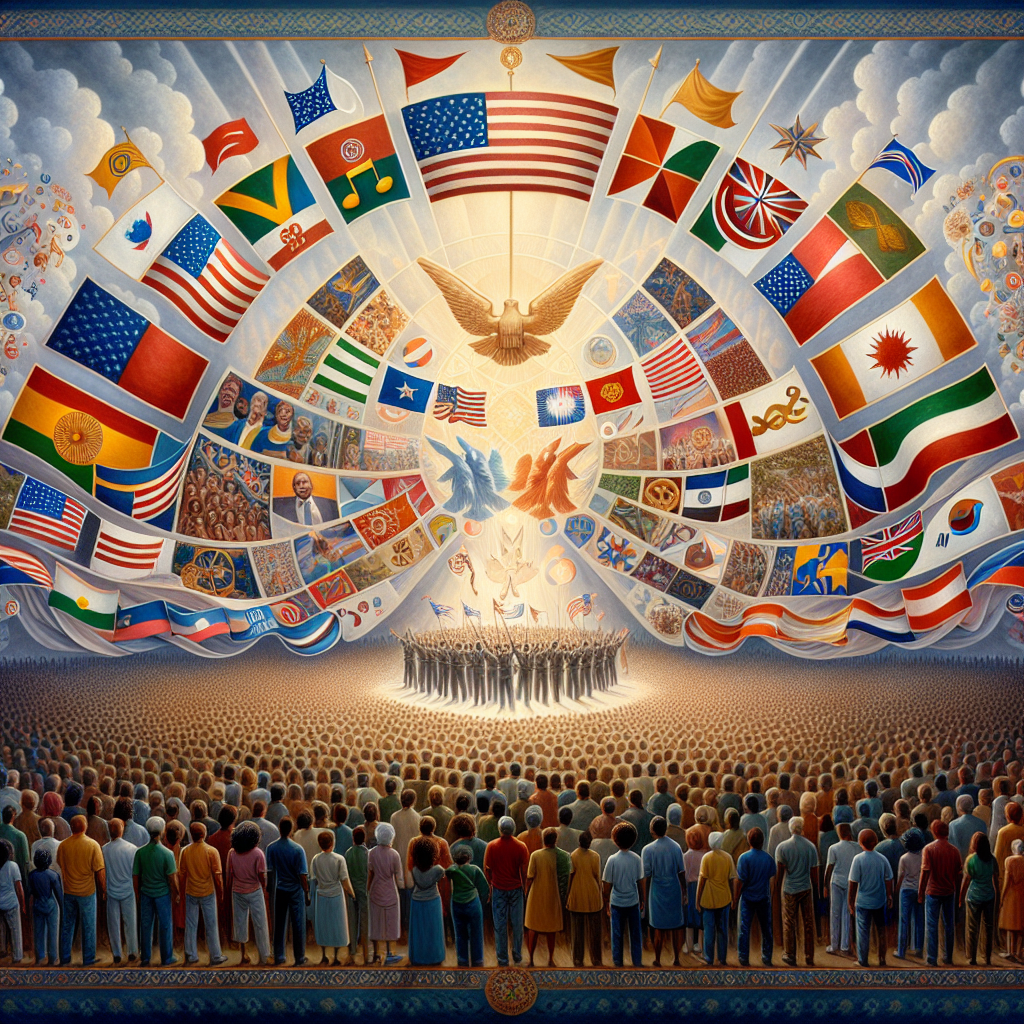
National identity is essentially a shared sense of belonging to a nation. It is the collective understanding of what it means to be a part of a particular country, encapsulating values, traditions, and beliefs. At its core, national identity is about unity and pride, often expressed through symbols like flags, anthems, and national holidays. However, the deeper layers of national identity are profoundly influenced by culture.
The Influence of Language
Language is one of the most powerful elements of culture that shapes national identity. It is not just a means of communication but a repository of a nation’s history, values, and traditions. Language influences how we see the world and how we connect with others within our community.
For instance, consider how regional dialects and indigenous languages contribute to the diversity within a nation. In countries like India, with its multitude of languages, each linguistic group adds a unique flavor to the national tapestry. Language can unite people, fostering a sense of pride and belonging, or it can highlight regional differences that enrich the cultural landscape.
Traditions and Their Role
Traditions are the time-honored practices passed down through generations that play a pivotal role in shaping national identity. They provide continuity, linking the past with the present, and are often celebrated through festivals, rituals, and ceremonies.
Take, for example, the Japanese tea ceremony, which is not just about drinking tea but embodies the principles of harmony, respect, purity, and tranquility. Such traditions are integral to the Japanese national identity, offering a window into the values that define the nation. Across the world, traditions serve as cultural touchstones, helping to maintain a sense of national continuity even in times of change.
Art, Music, and Literature
Art, music, and literature are powerful expressions of culture that significantly influence national identity. They reflect the soul of a nation, capturing its triumphs, struggles, and aspirations. Artistic expressions often serve as a mirror to society, shaping and being shaped by national identity.
Consider how the works of Shakespeare are intertwined with British identity, or how American jazz and blues have influenced perceptions of American culture worldwide. These cultural outputs are not only sources of national pride but also avenues for cultural exchange and understanding, enriching the global cultural landscape.
Shared History and Memory
A nation’s history is a narrative that binds its people together. Shared experiences, whether they are of triumph or tragedy, forge a common identity and a collective memory. Historical events often become cultural milestones that shape national identity, influencing everything from political ideologies to social norms.
For instance, the French Revolution is a cornerstone of French national identity, symbolizing values of liberty, equality, and fraternity. Similarly, the American Civil Rights Movement has become a defining chapter in American history, shaping contemporary understandings of justice and equality.
Globalization and Cultural Identity
In today’s interconnected world, globalization presents both challenges and opportunities for national identity. While it allows for cultural exchange and enrichment, it also poses the risk of eroding traditional cultural practices and homogenizing identities.
However, many nations are finding ways to embrace globalization while preserving their unique cultural identity. By promoting cultural heritage and supporting local traditions, countries can navigate the complexities of globalization while maintaining a strong sense of national identity.
Conclusion
The role of culture in shaping national identity is profound and multifaceted. From language and traditions to art and shared history, culture provides the threads that weave the fabric of national identity. As we move forward in an ever-globalizing world, it is crucial to recognize and celebrate the diverse cultural influences that contribute to our national identities. By doing so, we not only preserve our unique heritages but also foster greater understanding and unity on a global scale.
FAQs
What is national identity?
National identity is a collective sense of belonging to a nation, characterized by shared values, traditions, language, and history.
How does language influence national identity?
Language is a key component of national identity, serving as a means of communication and a repository of cultural values and history. It fosters unity and pride among people who speak the same language.
Can globalization affect national identity?
Yes, globalization can impact national identity by introducing cultural exchange and influencing traditional practices. However, nations can navigate these changes by preserving and promoting their unique cultural heritage.


Leave a Reply
You must be logged in to post a comment.