
The Role of Lobbyists in Shaping Legislation: Understanding Democracy’s Hidden Influencers
When most people think about how laws are made, they picture elected officials debating in grand chambers, weighing the needs of their constituents. But there’s another layer to this process that often operates behind the scenes – the world of professional lobbying. These skilled advocates work tirelessly to influence policy decisions, representing everyone from Fortune 500 companies to environmental groups to professional associations.
The role of lobbyists in shaping legislation is both fascinating and controversial. While some view them as necessary bridges between complex industries and lawmakers, others see them as undue influences on democratic processes. The truth, as is often the case, lies somewhere in between. Understanding how lobbyists operate and their impact on legislation is crucial for anyone who wants to grasp how modern democracy really works.

What Exactly Do Lobbyists Do in the Legislative Process?
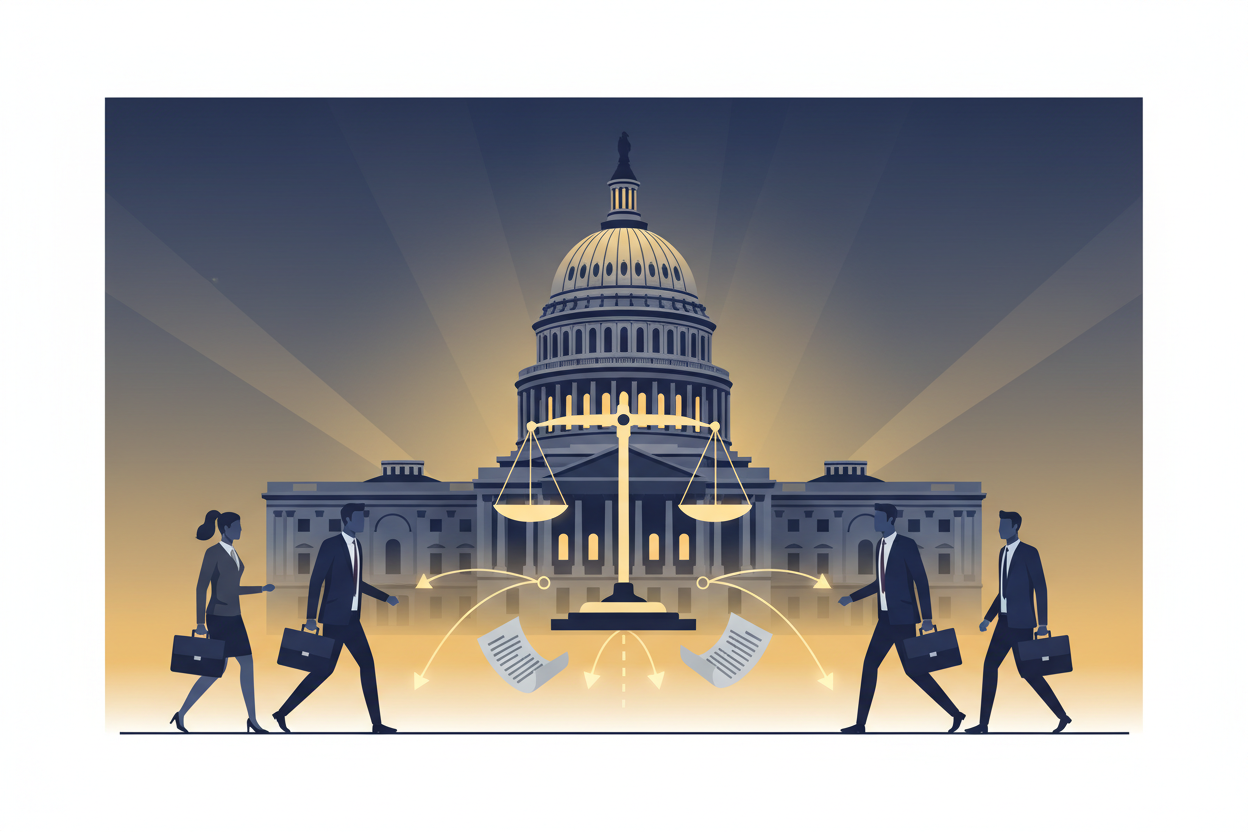
Professional lobbyists serve as intermediaries between private interests and government officials. Their primary job involves educating lawmakers about specific issues, providing detailed information that busy legislators might not have time to research themselves. Think about it – a single senator might need to vote on everything from healthcare policy to agricultural subsidies to cybersecurity measures. No one person can be an expert on every topic.
This is where lobbyists step in. They bring specialized knowledge and real-world perspectives to the table. A healthcare lobbyist, for instance, might explain how a proposed regulation would affect hospital operations, while an environmental lobbyist could detail the potential ecological impacts of a new industrial policy.
Lobbyists also help draft legislation. Many bills that become law actually start as ideas or even preliminary drafts from lobbying organizations. This isn’t necessarily problematic – these groups often have the technical expertise needed to craft workable policy language. However, it does highlight how deeply embedded lobbying has become in the legislative process.

The Historical Evolution of Lobbying in Government
Lobbying isn’t a modern invention. The term itself dates back to the 1640s, originally referring to people who waited in lobbies to speak with government officials. In the United States, lobbying has been part of the political landscape since the founding of the republic. The First Amendment’s guarantee of the right to petition government actually provides constitutional protection for lobbying activities.
However, the scale and sophistication of modern lobbying would be unrecognizable to early American politicians. What started as informal conversations between citizens and their representatives has evolved into a multi-billion-dollar industry employing thousands of professionals.
The real transformation began in the mid-20th century as government grew larger and more complex. The New Deal era saw an explosion of federal agencies and regulations, creating new opportunities for organized interests to influence policy. By the 1970s, the number of registered lobbyists had grown dramatically, leading to calls for greater transparency and regulation.
How Lobbyists Influence Policy Decisions
The influence of lobbyists extends far beyond simple conversations with lawmakers. They employ sophisticated strategies that can shape legislation at every stage of the process. One of their most powerful tools is information – providing lawmakers with research, data, and analysis that supports their clients’ positions.
Timing is everything in lobbying. Experienced lobbyists know when to approach legislators, whether it’s during the early stages of bill drafting or in the final moments before a crucial vote. They also understand the importance of building relationships over time, rather than simply showing up when they need something.
Coalition building represents another key strategy. Smart lobbyists don’t work alone – they form alliances with other organizations that share similar goals. A business group pushing for tax reform might partner with labor unions if the proposed changes would benefit workers as well as companies.
Grassroots mobilization has become increasingly important in modern lobbying. Rather than relying solely on direct contact with officials, many lobbying campaigns now focus on generating public pressure through coordinated letter-writing campaigns, social media efforts, and local events.
Types of Organizations That Employ Lobbyists
The lobbying world is remarkably diverse, representing virtually every sector of society. Corporate lobbyists probably get the most attention, representing major companies and industry associations. These groups often have substantial resources and can afford to hire top-tier lobbying firms with extensive political connections.
But corporations aren’t the only players in this game. Labor unions maintain significant lobbying operations, advocating for worker-friendly policies and opposing legislation they view as harmful to their members. Professional associations – from doctors to teachers to engineers – also employ lobbyists to protect their members’ interests.
Nonprofit organizations and advocacy groups represent another major category. Environmental groups, civil rights organizations, and think tanks all engage in lobbying activities. These groups often operate with smaller budgets than their corporate counterparts, but they can be highly effective at mobilizing public support for their causes.
Even foreign governments and international organizations employ lobbyists to influence U.S. policy. These arrangements are subject to additional regulations under the Foreign Agents Registration Act, but they remain a significant part of the lobbying landscape.
The Regulatory Framework Governing Lobbying Activities
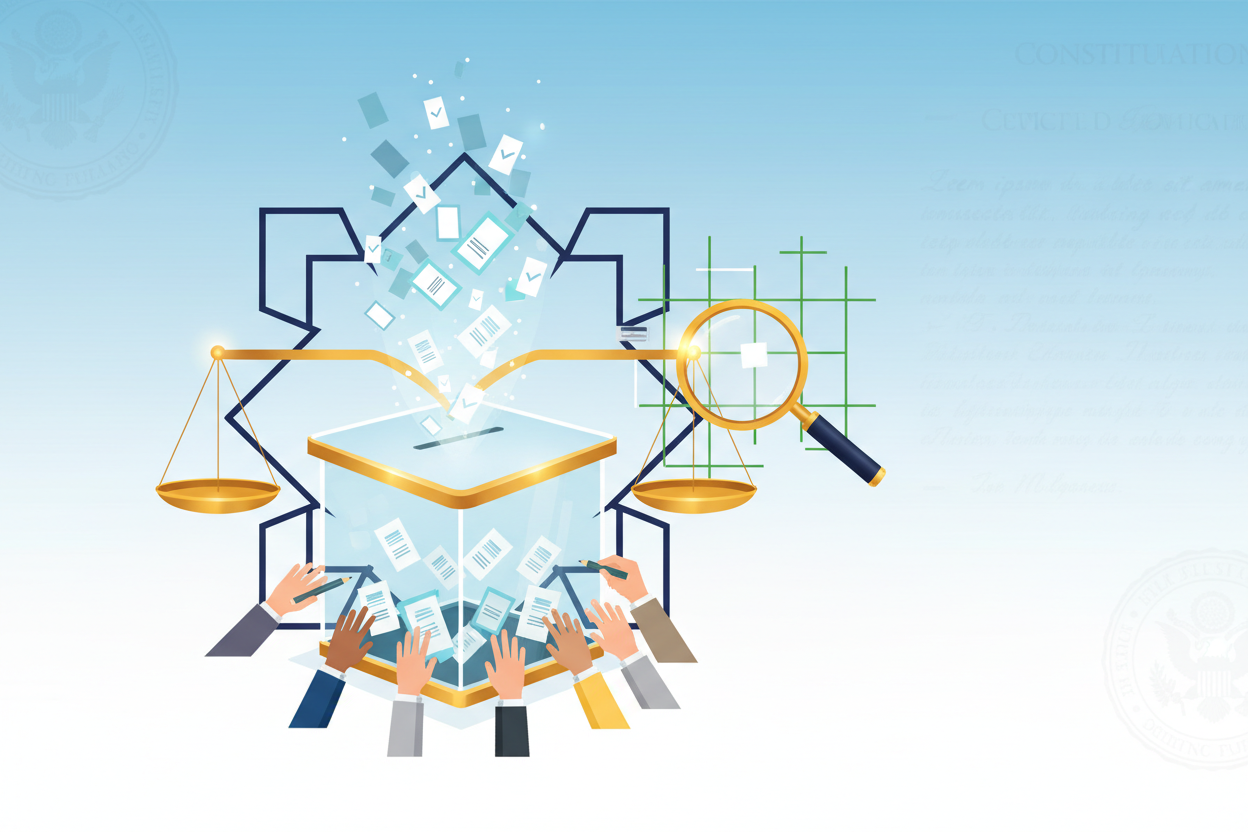
Given the potential for abuse, lobbying activities are subject to extensive regulation and oversight. The Lobbying Disclosure Act of 1995 established the basic framework for federal lobbying regulation, requiring lobbyists to register with Congress and file detailed reports about their activities and expenditures.
These disclosure requirements provide valuable transparency. Anyone can look up which organizations are lobbying on which issues, how much they’re spending, and which government officials they’re targeting. The reports must be filed quarterly and include information about the specific bills or regulations being addressed.
Ethics rules also place restrictions on the interaction between lobbyists and government officials. The “revolving door” phenomenon – where officials leave government to become lobbyists, or vice versa – is subject to cooling-off periods and other limitations. Former members of Congress, for example, must wait one year before lobbying their former colleagues in the House and two years for the Senate.
State and local governments have their own lobbying regulations, which vary widely in their scope and stringency. Some states have very strict disclosure requirements and ethics rules, while others have more relaxed approaches to lobbying oversight.
Benefits and Criticisms of Lobbying in Democracy
The debate over lobbying’s role in democracy involves legitimate arguments on both sides. Supporters argue that lobbyists provide valuable expertise and represent the diversity of interests in a pluralistic society. They point out that lobbying allows groups that might otherwise lack political voice – such as patients with rare diseases or small business owners – to participate in the policy process.
Lobbyists also serve as an important check on government overreach. When agencies propose regulations that might have unintended consequences, industry lobbyists can provide real-world feedback that helps lawmakers avoid costly mistakes. This expertise is particularly valuable in technical areas where legislators might lack specialized knowledge.
Critics, however, argue that lobbying gives wealthy interests disproportionate influence over government decisions. They point to the vast resources that major corporations can devote to lobbying compared to ordinary citizens or public interest groups. This imbalance, they argue, distorts the democratic process and leads to policies that favor the wealthy and well-connected.
The “revolving door” between government and lobbying also raises concerns about conflicts of interest and the potential for corruption. When former officials cash in on their government experience by becoming lobbyists, it can create perverse incentives and undermine public trust in government institutions.
Case Studies: Lobbyists in Action
Real-world examples help illustrate how lobbying actually works in practice. The passage of the Affordable Care Act in 2009-2010 involved intense lobbying from all sides. Healthcare industry groups, insurance companies, pharmaceutical manufacturers, and advocacy organizations all deployed armies of lobbyists to influence the legislation’s final form.
The pharmaceutical industry, for instance, negotiated directly with the Obama administration to secure favorable terms in exchange for supporting the overall reform effort. This behind-the-scenes deal-making exemplifies how lobbyists can shape major legislation through strategic positioning and compromise.
Another instructive example is the ongoing debate over climate change policy. Environmental groups have lobbied extensively for stricter regulations on carbon emissions, while energy companies have pushed back against measures they view as economically harmful. The resulting policies often reflect a complex balance between these competing interests.
The technology sector provides a more recent case study. As companies like Google, Facebook, and Amazon have grown in size and influence, they’ve dramatically expanded their lobbying operations. These firms now spend millions annually on lobbying efforts focused on issues ranging from antitrust regulation to data privacy to artificial intelligence policy.
The Future of Lobbying and Legislative Influence
The lobbying industry continues to evolve in response to changing technology and public expectations. Digital advocacy has become increasingly important, with lobbyists using social media and online platforms to build support for their positions. Data analytics now help lobbying campaigns target their efforts more precisely and measure their effectiveness.
Transparency advocates are pushing for even stricter disclosure requirements, including real-time reporting of lobbying contacts and expanded coverage of influence activities that don’t currently fall under existing regulations. Some proposals would require disclosure of all meetings between lobbyists and government officials, not just formal lobbying contacts.
The rise of artificial intelligence and machine learning may also transform how lobbying operates. These technologies could help lobbyists analyze vast amounts of legislative data to identify opportunities and predict outcomes. They might also enable more sophisticated grassroots mobilization efforts.
Public opinion about lobbying appears to be shifting as well. Younger generations seem more skeptical of traditional influence-peddling and more supportive of transparency measures. This could lead to additional reforms in the coming years.
Conclusion: Balancing Influence and Democracy
The role of lobbyists in shaping legislation remains one of the most complex and contentious aspects of modern democracy. While lobbying can provide valuable expertise and ensure that diverse voices are heard in the policy process, it also raises legitimate concerns about unequal access and undue influence.
The key challenge lies in finding the right balance. We need systems that allow for informed input from affected parties while preventing wealthy interests from drowning out other voices. This requires ongoing vigilance, robust transparency measures, and periodic reforms to keep pace with changing circumstances.
Understanding how lobbying works is essential for anyone who wants to be an informed citizen. By demystifying this process, we can better evaluate the policies our governments adopt and hold our representatives accountable for their decisions. The goal isn’t to eliminate lobbying – that would be neither practical nor desirable – but to ensure it operates in ways that strengthen rather than undermine democratic governance.
As citizens, we all have a stake in getting this balance right. The decisions made in legislative chambers affect our daily lives in countless ways, and understanding how those decisions are influenced helps us participate more effectively in our democracy.
Frequently Asked Questions
Q: Are lobbyists required to register with the government?
A: Yes, professional lobbyists must register under the Lobbying Disclosure Act and file regular reports detailing their activities, clients, and expenditures. However, the registration requirements only apply to individuals who spend more than 20% of their time lobbying for a particular client and meet certain income thresholds.
Q: How much money is spent on lobbying each year?
A: Federal lobbying expenditures typically total between $3-4 billion annually, according to data from the Center for Responsive Politics. This figure includes only reported spending and may not capture all influence activities.
Q: Can anyone become a lobbyist?
A: There are no formal educational requirements to become a lobbyist, but the profession typically attracts individuals with backgrounds in law, politics, public policy, or specific industry expertise. Many lobbyists are former government officials who leverage their experience and connections.
Q: Do lobbyists only represent big corporations?
A: No, lobbyists represent a wide range of interests including nonprofits, advocacy groups, labor unions, professional associations, and even foreign governments. While corporate lobbying receives the most attention, the lobbying community is quite diverse.
Q: Is lobbying legal in all countries?
A: Lobbying regulations vary significantly worldwide. While most democratic countries allow some form of lobbying, the rules governing registration, disclosure, and conduct differ substantially. Some countries have very strict regulations, while others have minimal oversight.
Q: How can ordinary citizens compete with well-funded lobbying efforts?
A: Citizens can engage through grassroots organizing, contacting elected officials directly, supporting advocacy organizations that share their views, and participating in public comment periods for proposed regulations. While individual citizens may lack the resources of professional lobbyists, collective action can be highly effective.