


Understanding Human Sexuality: A Comprehensive Overview
Human sexuality is a topic that is as complex as it is fascinating. It encompasses a wide range of aspects including biological, emotional, social, and cultural dimensions. Despite its complexity, understanding human sexuality is crucial as it plays a significant role in shaping individual identities and relationships. This blog post aims to provide a comprehensive overview of human sexuality, exploring its various facets and implications.
The Biological Aspects of Human Sexuality
At its core, human sexuality is deeply rooted in biology. It involves a plethora of physiological processes and is influenced by genetic, hormonal, and neurological factors. The biological aspects of sexuality include sexual reproduction, the role of sex hormones, and the biological differences between genders.
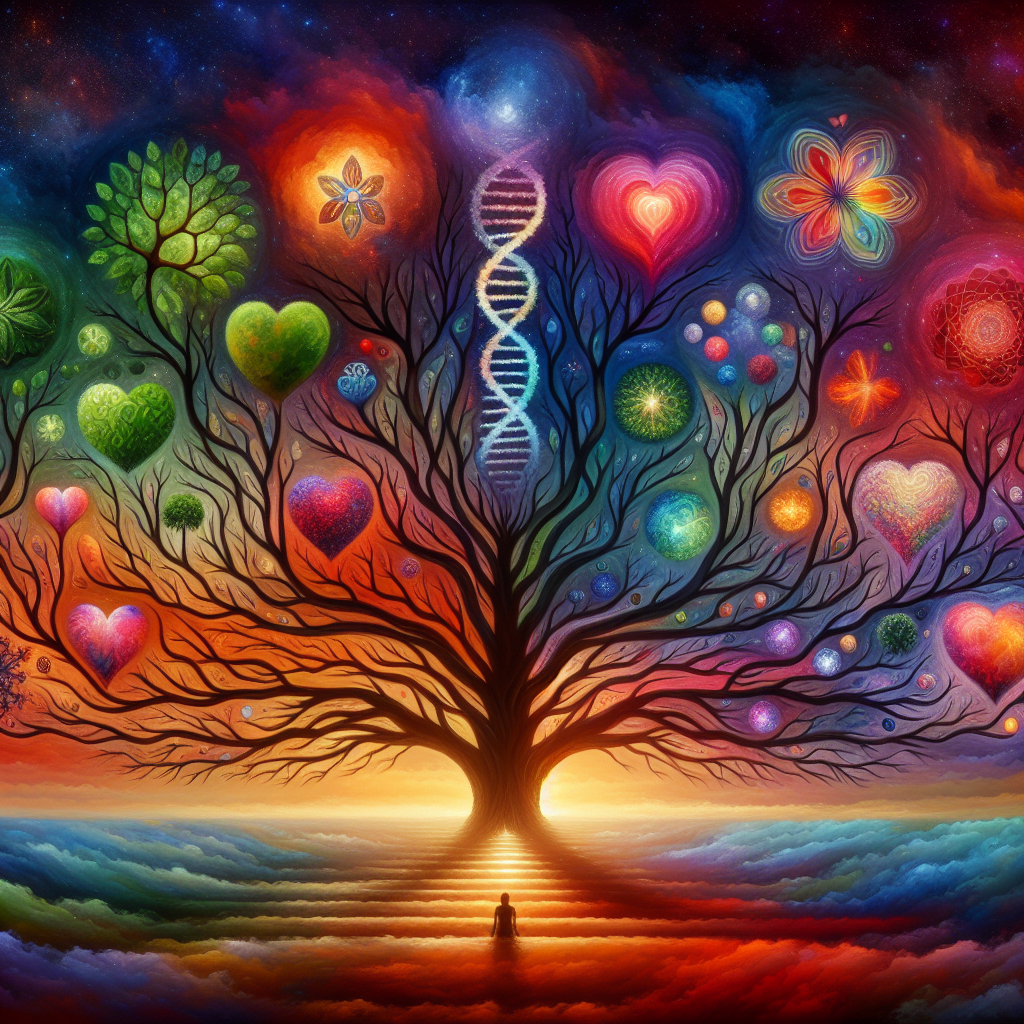
Sex hormones such as testosterone and estrogen are pivotal in developing sexual characteristics and behaviors. Moreover, the brain’s role cannot be understated, as it orchestrates sexual attraction and response. Understanding these biological underpinnings provides insight into how sexuality is experienced differently by individuals.
Psychological Perspectives on Sexuality
Psychology provides another lens through which to understand human sexuality. Psychological theories explore how sexuality is a significant component of one’s identity and how it affects relationships and self-esteem. For instance, Sigmund Freud’s psychoanalytic theory suggested that human behavior is largely driven by sexual instincts.
Modern psychology delves into concepts like sexual orientation, gender identity, and sexual preferences. These aspects highlight the diversity in human sexuality and emphasize the importance of accepting different sexual identities and orientations as part of a healthy society.

Social and Cultural Influences
Human sexuality does not exist in a vacuum; it is heavily influenced by social and cultural contexts. Societal norms and cultural beliefs shape attitudes towards sexuality, often dictating what is considered acceptable or taboo.
Cultural narratives can affect everything from sexual behavior to the roles expected of different genders. For example, some cultures have conservative views on sexuality, while others may have more liberal perspectives. Understanding these influences is crucial for appreciating the diversity of sexual expressions across different societies.
The Role of Education in Human Sexuality
Education plays a vital role in shaping informed and healthy attitudes towards sexuality. Comprehensive sex education equips individuals with the knowledge they need to make informed decisions about their sexual health and relationships. It covers topics like contraception, consent, and healthy relationships, promoting a more open and understanding approach to sexuality.
Unfortunately, sex education varies greatly around the world, with some regions providing limited or inaccurate information. Advocating for comprehensive and inclusive sex education is essential for fostering a more informed and empowered society.
Challenges and Misconceptions
Despite progress in understanding human sexuality, numerous challenges and misconceptions persist. Myths about sexuality can lead to stigma and discrimination, affecting individuals’ mental and emotional well-being.
Common misconceptions include stereotypes about sexual orientation and gender identity, which can perpetuate harmful biases. Addressing these misconceptions through education and open dialogue is crucial for promoting inclusivity and acceptance.
Conclusion: Embracing Diversity in Human Sexuality
Understanding human sexuality is a journey that involves exploring its biological, psychological, social, and cultural dimensions. It is a multifaceted topic that requires an open mind and a willingness to embrace diversity.
By fostering a more inclusive and informed understanding of sexuality, we can create a society that values acceptance and respects the myriad ways in which people express their sexual identities. As we continue to learn and grow, it is vital to celebrate the complexity and beauty of human sexuality in all its forms.
FAQs
What is human sexuality?
Human sexuality is an encompassing term that refers to the ways in which people experience and express themselves as sexual beings. It includes biological, emotional, social, and cultural aspects.
Why is understanding human sexuality important?
Understanding human sexuality is important because it affects personal identity, relationships, and overall well-being. It also plays a crucial role in promoting inclusivity and acceptance within society.
How do social and cultural factors influence sexuality?
Social and cultural factors influence sexuality by shaping societal norms and values that dictate what is considered acceptable or taboo. These influences can affect sexual behavior, roles, and attitudes.
What role does education play in human sexuality?
Education provides individuals with the knowledge and tools they need to make informed decisions about their sexual health and relationships. Comprehensive sex education promotes understanding and acceptance of diverse sexual identities.


Leave a Reply