

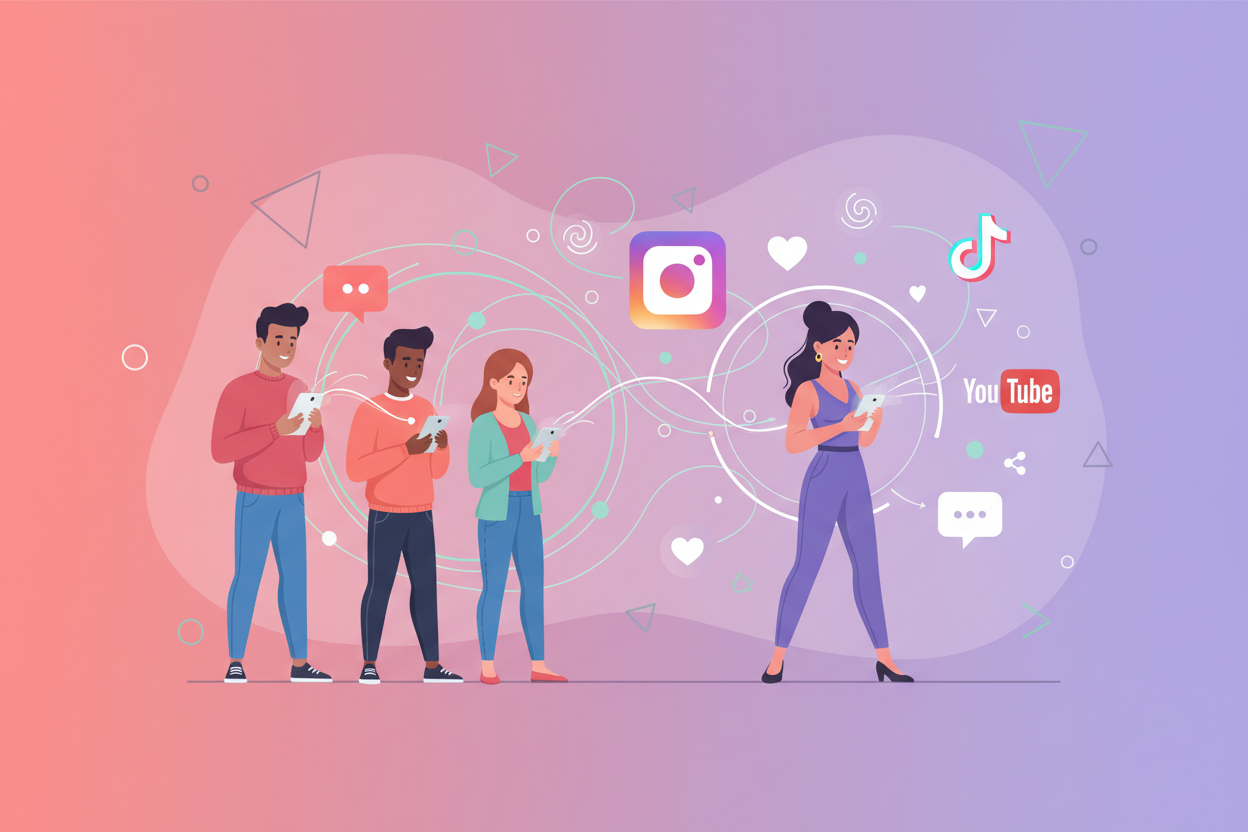
Using Influencer Marketing to Reach Millennial Audiences: Your Complete Guide to Success
If you’ve been wondering how to connect with millennials in an authentic way, you’re not alone. Traditional advertising just doesn’t cut it anymore with this generation. Born between 1981 and 1996, millennials have grown up alongside the internet and social media, making them incredibly savvy consumers who can spot a sales pitch from a mile away. That’s where influencer marketing comes in as a game-changer.
Influencer marketing has become one of the most effective strategies for reaching millennial audiences because it taps into something this generation values deeply: authenticity and peer recommendations. When done right, it doesn’t feel like marketing at all – it feels like a trusted friend sharing something they genuinely love.

Why Millennials Respond to Influencer Marketing
Understanding why millennials gravitate toward influencer content is crucial for crafting successful campaigns. This generation has a fundamentally different relationship with advertising compared to previous generations. They’ve grown up bombarded with marketing messages, which has made them incredibly selective about what they pay attention to.
Millennials crave authenticity above all else. They want to see real people using real products in real situations. Influencers provide exactly that – they’re not polished actors reading scripts, but relatable individuals sharing their genuine experiences. When a lifestyle blogger talks about their morning skincare routine or a fitness influencer demonstrates their favorite workout gear, it feels personal and trustworthy.
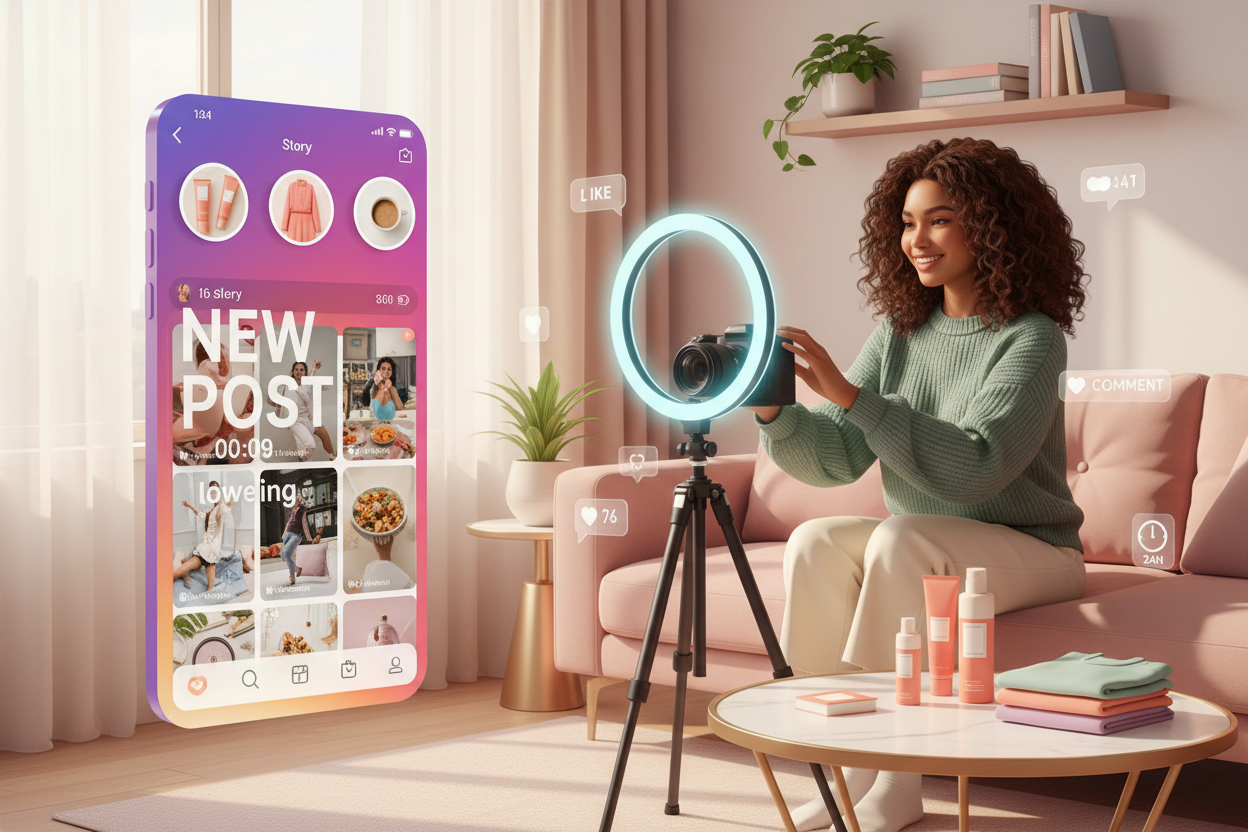
Trust plays a massive role in millennial purchasing decisions. Research shows that 83% of millennials trust recommendations from people they know, and influencers have managed to bridge the gap between strangers and friends. Through consistent content creation and engagement, influencers build relationships with their followers that feel genuine and personal.
Types of Influencers That Resonate with Millennials
Not all influencers are created equal when it comes to reaching millennial audiences. The key is understanding which types of influencers this generation finds most compelling and why.
Micro-influencers, typically those with 10,000 to 100,000 followers, often perform exceptionally well with millennial audiences. Their smaller, more engaged communities allow for deeper connections and more authentic interactions. When a micro-influencer responds to comments personally or shares behind-the-scenes content, it reinforces the feeling that you’re getting advice from a friend rather than being sold to.
Nano-influencers, with 1,000 to 10,000 followers, can be even more effective for niche products or local businesses. Their hyper-engaged audiences often consist of friends, family, and community members, making their recommendations incredibly powerful.
Industry experts and thought leaders also resonate strongly with millennials, particularly for B2B products or services. This generation values expertise and appreciates learning from people who have real knowledge and experience in their field.
Platform Strategies for Maximum Millennial Engagement
Different social media platforms attract different types of millennial engagement, and your influencer marketing strategy should reflect these nuances.
Instagram remains the powerhouse for millennial influencer marketing. The platform’s visual nature makes it perfect for lifestyle content, product demonstrations, and aspirational messaging. Stories and Reels have become particularly effective for reaching millennials, as they offer more casual, authentic glimpses into influencers’ lives. The temporary nature of Stories also creates a sense of urgency and exclusivity that millennials find appealing.
YouTube continues to be incredibly valuable for longer-form content and detailed product reviews. Millennials often research purchases extensively, and YouTube tutorials, unboxing videos, and honest reviews provide the in-depth information they crave. The platform’s comment section also allows for meaningful dialogue between influencers and their audiences.
TikTok has exploded in popularity among younger millennials and is becoming increasingly important for brands looking to reach this demographic. The platform’s algorithm favors authentic, creative content over polished advertisements, making it perfect for influencer partnerships that feel natural and entertaining.
LinkedIn shouldn’t be overlooked, especially for B2B brands or professional services. Millennials are at crucial career-building stages, and they actively seek advice and insights from industry professionals on the platform.
Creating Authentic Partnerships That Convert
The success of your influencer marketing campaign hinges on creating partnerships that feel genuine and provide real value to the audience. Millennials have finely tuned authenticity radars, and they can quickly identify when an influencer is promoting something they don’t actually use or believe in.
Start by identifying influencers who already align with your brand values and aesthetic. Look for creators who would naturally be your customers, not just those with the largest follower counts. When an influencer genuinely loves your product, their enthusiasm will be palpable in their content, and their audience will notice.
Give influencers creative freedom to present your product in their own voice and style. Heavy-handed brand guidelines or scripted content will immediately signal to millennial audiences that they’re watching an advertisement rather than authentic content. Trust the influencers you’ve chosen – they know their audience better than anyone.
Long-term partnerships often work better than one-off posts. When an influencer mentions your brand multiple times over several months, it builds familiarity and trust with their audience. It also allows for more natural integration of your products into their regular content.
Measuring Success and ROI in Millennial Influencer Campaigns
Measuring the success of influencer marketing campaigns targeting millennials requires looking beyond traditional metrics like reach and impressions. While these numbers provide valuable insights, they don’t tell the whole story when it comes to millennial engagement.
Engagement rate is crucial – likes, comments, shares, and saves indicate how much the content resonates with the audience. High engagement rates suggest that the influencer’s followers find the content valuable and are actively interacting with it.
Click-through rates and website traffic from influencer content provide direct insights into purchase intent. Use unique tracking links or discount codes to measure exactly how much traffic and sales each influencer generates.
Brand sentiment and mention analysis can help you understand how the campaign is affecting overall brand perception among millennials. Are people talking about your brand more positively? Are there increases in branded searches or social media mentions?
Long-term customer value is particularly important when targeting millennials, as this generation tends to be highly loyal to brands that earn their trust. Track whether customers acquired through influencer marketing continue to purchase and engage with your brand over time.
Common Mistakes to Avoid When Targeting Millennials
Even well-intentioned influencer marketing campaigns can fall flat if they make common mistakes that turn off millennial audiences.
Choosing influencers based solely on follower count is a frequent error. Millennials are more likely to trust micro-influencers with smaller, highly engaged audiences than mega-influencers with millions of followers but low engagement rates.
Over-scripting content is another major mistake. When influencer posts sound like corporate marketing speak rather than personal recommendations, millennials will tune out immediately. The content should feel natural and conversational, not like a press release.
Ignoring the importance of disclosure is not just a legal issue – it’s a trust issue. Millennials appreciate transparency, and proper disclosure of sponsored content actually increases trust rather than decreasing it. Use clear hashtags like #ad or #sponsored, and encourage influencers to be upfront about their partnerships.
Focusing only on product promotion without providing value is a quick way to lose millennial attention. The best influencer content educates, entertains, or inspires while naturally incorporating product mentions.
Future Trends in Millennial Influencer Marketing
As millennials mature and their preferences evolve, influencer marketing strategies must adapt accordingly. Understanding these emerging trends will help you stay ahead of the curve.
Social commerce is becoming increasingly important as platforms integrate shopping features directly into their interfaces. Millennials appreciate the convenience of purchasing products without leaving their favorite social media apps.
Sustainability and social responsibility are growing priorities for millennial consumers. Partnering with influencers who genuinely care about these issues and can speak authentically about your brand’s values will become increasingly important.
Video content continues to dominate, with live streaming and interactive content gaining particular traction. Millennials enjoy the real-time interaction and behind-the-scenes access that live content provides.
Personalization and niche targeting are becoming more sophisticated. Rather than broad demographic targeting, successful campaigns will focus on specific interests, values, and lifestyle choices that resonate with particular millennial segments.
Conclusion
Influencer marketing represents one of the most powerful tools for reaching millennial audiences, but success requires understanding what makes this generation tick. Authenticity, trust, and value must be at the center of every campaign. By choosing the right influencers, giving them creative freedom, and focusing on building genuine relationships rather than pushing sales messages, brands can create campaigns that truly resonate with millennial consumers.
Remember that millennials are not a monolithic group – they have diverse interests, values, and preferences. The most successful influencer marketing campaigns recognize this diversity and create targeted approaches that speak to specific segments within the millennial demographic.
As this generation continues to mature and their purchasing power grows, investing in authentic influencer partnerships will become increasingly important for brands looking to build lasting relationships with millennial consumers. The key is to approach influencer marketing not as a advertising tactic, but as a way to build genuine connections and provide real value to your audience.
Frequently Asked Questions
How much should I budget for millennial influencer marketing campaigns?
Budget allocation depends on your goals and chosen influencers. Micro-influencers typically charge $100-$500 per post, while larger influencers may charge $1,000-$10,000 or more. Start with 10-20% of your marketing budget for testing, then scale based on results.
How do I find the right influencers for my millennial audience?
Use influencer marketing platforms like AspireIQ, Grin, or Creator.co, or manually search relevant hashtags on social platforms. Look for engagement rates above 3-6%, authentic content style, and audiences that match your target demographic.
What’s the best way to approach influencers for partnerships?
Send personalized messages that show you’ve researched their content and audience. Clearly explain your brand values and why you think they’d be a good fit. Be transparent about expectations and compensation from the beginning.
How long should influencer partnerships last?
Long-term partnerships (3-6 months) typically perform better than one-off posts because they build familiarity and trust with the audience. However, start with shorter campaigns to test compatibility before committing to longer agreements.
Do I need to work with celebrity influencers to reach millennials effectively?
No, micro and nano-influencers often perform better with millennial audiences because they feel more authentic and relatable. Focus on engagement rates and audience alignment rather than follower count.
How do I ensure FTC compliance in influencer partnerships?
Require clear disclosure using hashtags like #ad, #sponsored, or #partnership. The disclosure should be prominent and easy to understand. Provide guidelines to influencers about proper disclosure practices and monitor their posts for compliance.