
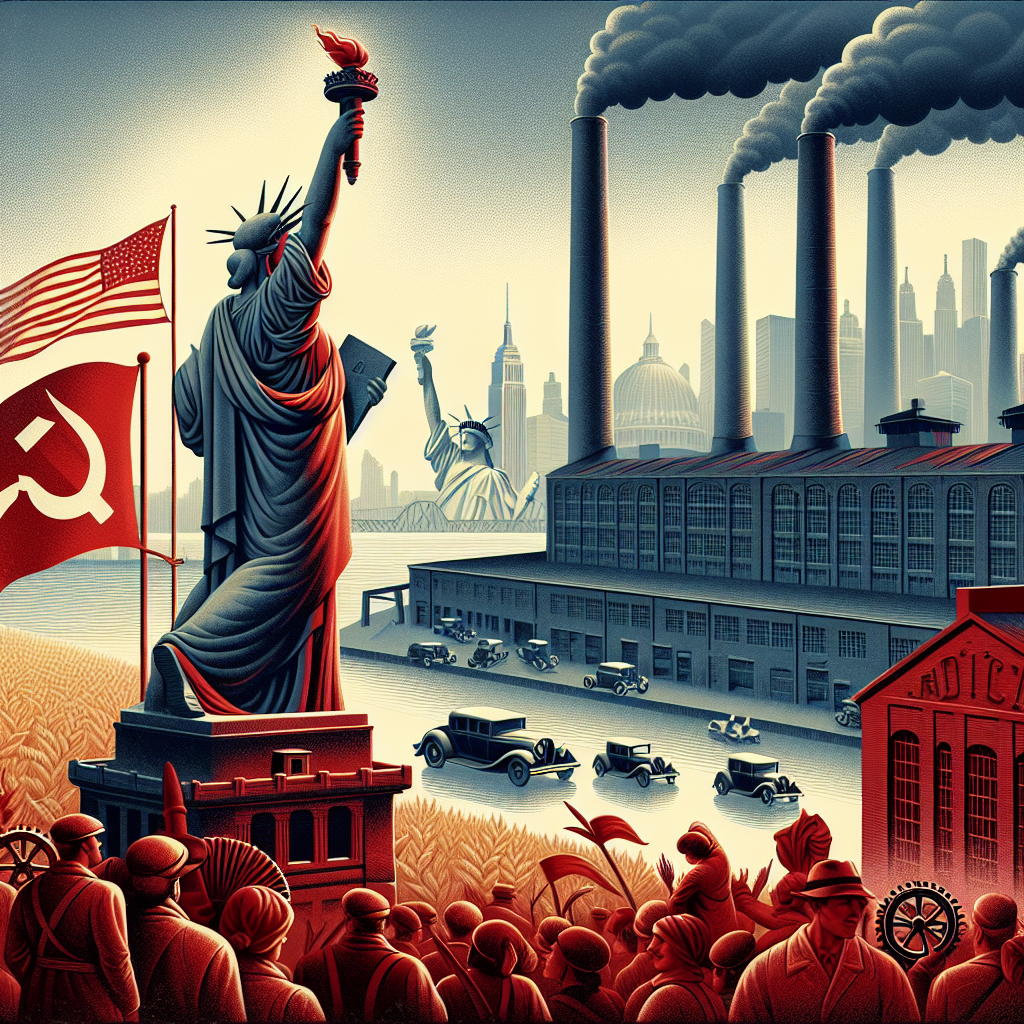
Socialism in the US: A Historical Perspective
Socialism, a term that often sparks intense debate in the United States, has a rich and complex history. This political and economic system, advocating for collective or governmental ownership and administration of the means of production and distribution, has influenced American politics and society in various ways over the years. In this post, we’ll explore the historical journey of socialism in the US, its key figures, and its impact on contemporary politics.
The Early Roots of Socialism in America
The seeds of socialism in the United States can be traced back to the 19th century. As the Industrial Revolution took root, vast economic changes began to reshape American society. The rise of factories and mass production led to significant social inequalities, prompting a wave of labor movements and socialist thought.

One of the earliest socialist groups in the US was the Workingmen’s Party, founded in the 1820s. This organization aimed to address the needs of the working class and combat the harsh conditions faced by workers. Though it had limited success, it laid the groundwork for future socialist movements.
The Influence of European Thinkers
In the late 19th and early 20th centuries, European socialist ideas began to make their way across the Atlantic. The writings of Karl Marx and Friedrich Engels, particularly “The Communist Manifesto,” gained a following among American intellectuals and activists. These ideas inspired the formation of the Socialist Labor Party in 1876, which advocated for the abolition of the capitalist system.
Eugene V. Debs, a prominent figure in the American socialist movement, emerged during this period. As a charismatic leader and five-time presidential candidate for the Socialist Party of America, Debs became a symbol of the fight for workers’ rights and social justice.
The Rise and Fall of American Socialism
The early 20th century saw socialism gain significant traction in the US. The Progressive Era, characterized by calls for political reform and social justice, provided fertile ground for socialist ideas. During this time, socialist candidates won numerous local elections, and the party’s membership swelled.
However, the onset of World War I and the subsequent Red Scare led to a backlash against socialism. Fear of communist infiltration and radicalism resulted in the suppression of socialist organizations and leaders. Despite these challenges, socialism continued to influence American politics, particularly through the New Deal policies of the 1930s, which incorporated many socialist principles.
Socialism in the Mid-20th Century
The mid-20th century was a challenging time for socialism in America. The Cold War era, marked by intense anti-communist sentiment, made it difficult for socialist ideas to gain mainstream acceptance. The fear of Soviet influence led to widespread suspicion and persecution of those with socialist affiliations.
Despite these challenges, socialist ideas continued to find a voice through civil rights movements and labor unions. Leaders like Martin Luther King Jr. advocated for economic justice and equality, echoing socialist principles in their calls for systemic change.
Contemporary Socialism: A Resurgence?
In recent years, socialism has experienced a resurgence in the United States, particularly among younger generations. This shift can be attributed to growing economic inequality, rising student debt, and concerns about healthcare and climate change. Figures like Bernie Sanders and Alexandria Ocasio-Cortez have brought socialist ideas to the forefront of American politics, advocating for policies such as universal healthcare and the Green New Deal.
The rise of social media has further amplified socialist voices, allowing activists to reach a broader audience and mobilize support for their causes. While socialism remains a contentious topic, its influence on American politics and society continues to grow.
Conclusion
The history of socialism in the United States is a testament to the power of ideas and the resilience of those who champion them. From its early roots in the 19th century to its contemporary resurgence, socialism has played a crucial role in shaping American politics and addressing social inequalities. As the nation continues to grapple with economic and social challenges, the ideas of socialism remain a significant part of the conversation.
FAQs
What is socialism?
Socialism is a political and economic system that advocates for collective or governmental ownership and administration of the means of production and distribution. It aims to reduce social inequality and ensure that resources are distributed more equitably.
How has socialism influenced American politics?
Socialism has influenced American politics by inspiring labor movements, shaping policies like the New Deal, and more recently, driving discussions around healthcare, economic inequality, and climate change.
Who are some key figures in American socialism?
Key figures in American socialism include Eugene V. Debs, Norman Thomas, Bernie Sanders, and Alexandria Ocasio-Cortez. These individuals have played significant roles in advocating for socialist principles and policies.
Why is socialism gaining popularity among younger generations?
Younger generations are increasingly drawn to socialism due to concerns about economic inequality, student debt, healthcare access, and environmental sustainability. The digital age has also made it easier to spread and discuss socialist ideas.



Leave a Reply