Self-Improvement Through Minimalism: Declutter Your Life for Greater Happiness and Success
In our fast-paced, consumer-driven world, we often find ourselves drowning in possessions, commitments, and digital noise. The constant accumulation of stuff—both physical and mental—can leave us feeling overwhelmed, stressed, and disconnected from what truly matters. This is where minimalism enters the picture, offering a powerful pathway to self-improvement that goes far beyond simply organizing your closet.
Minimalism isn’t about living with nothing or embracing extreme austerity. Instead, it’s a intentional approach to life that focuses on keeping only what adds value while eliminating the excess that weighs us down. When we declutter our physical spaces, digital environments, and mental landscapes, we create room for personal growth, deeper relationships, and a more purposeful existence.
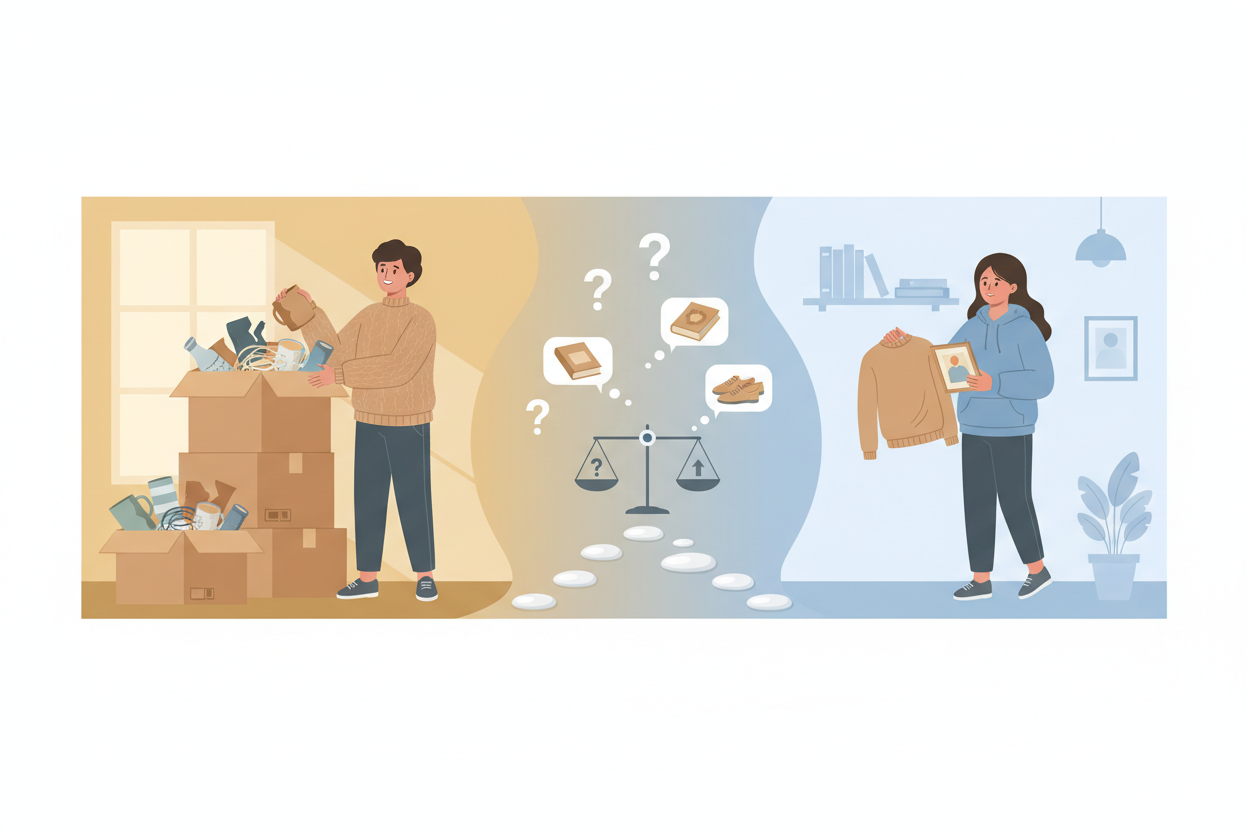
Understanding Minimalism as a Self-Improvement Tool
At its core, minimalism is about making conscious choices. Every item you keep, every commitment you make, and every habit you maintain should serve a purpose in your life. This mindful approach naturally leads to self-improvement because it forces you to examine what truly matters to you.
When you embrace minimalist principles, you’re not just organizing your space—you’re training your mind to prioritize, focus, and make decisions with intention. This mental shift ripples through every aspect of your life, from your career choices to your relationships, creating a foundation for meaningful personal growth.
The beauty of minimalism lies in its accessibility. You don’t need special tools, expensive courses, or years of training. You simply need the willingness to evaluate your current situation honestly and the commitment to make gradual, sustainable changes.
Physical Decluttering: Creating Space for Growth
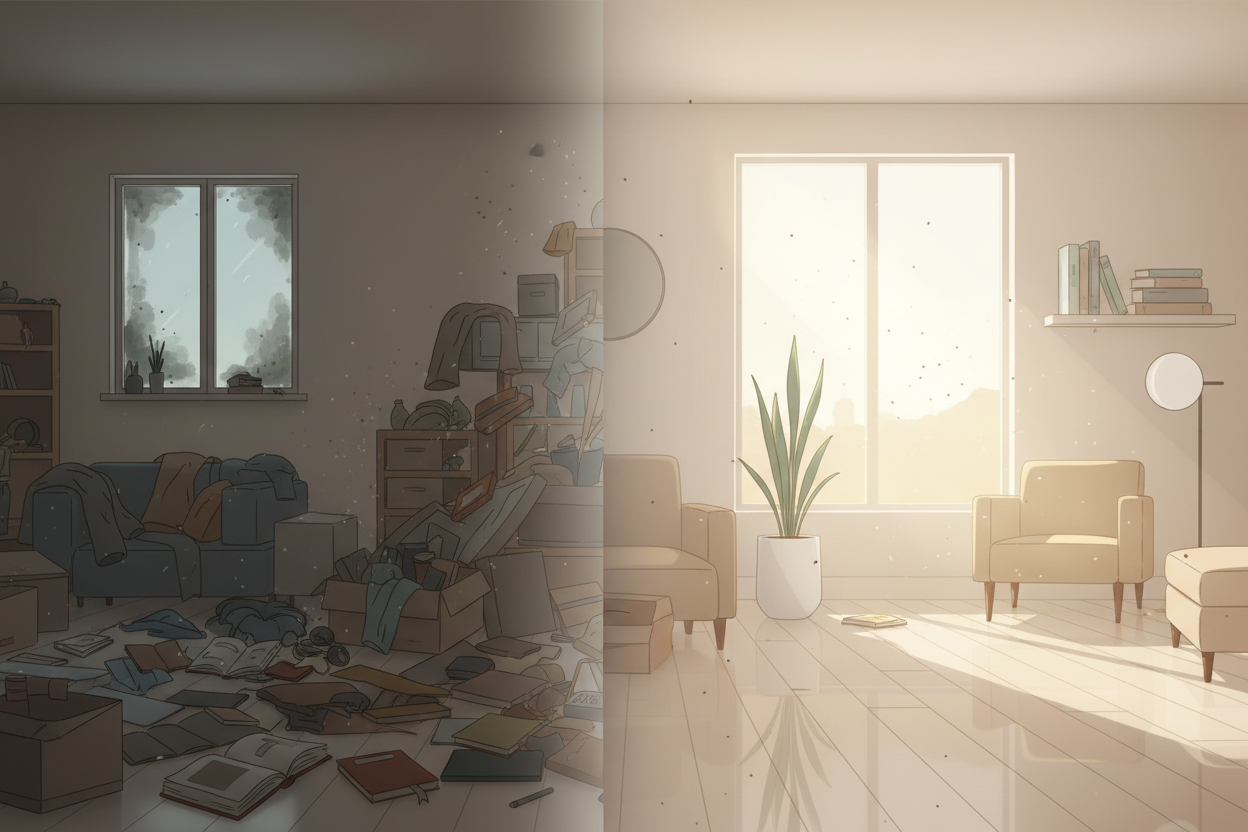
Your physical environment profoundly impacts your mental state and productivity. Cluttered spaces often lead to cluttered minds, making it difficult to focus on personal development goals. Physical decluttering is often the most tangible starting point for your minimalist journey.
Begin with one room or even one drawer. Ask yourself three simple questions about each item: Do I use this regularly? Does it bring me joy or serve a clear purpose? Would I buy this again today? If the answer to these questions is no, it’s time to let the item go.
The process of physical decluttering teaches valuable life skills. You learn to make quick decisions, overcome attachment to material possessions, and recognize the difference between wants and needs. These skills transfer directly to other areas of self-improvement, such as time management and goal setting.
As you create more physical space, you’ll likely notice increased mental clarity and reduced stress levels. Many people report feeling more creative and motivated when their living and working spaces are clean and organized. This improved mental state provides the perfect foundation for pursuing other self-improvement activities.
Digital Minimalism: Reclaiming Your Mental Space
In today’s digital age, decluttering extends far beyond physical possessions. Our devices, social media feeds, and digital subscriptions can create just as much mental clutter as a messy room. Digital minimalism involves being intentional about your technology use and creating boundaries that protect your time and attention.
Start by auditing your digital consumption. How many hours do you spend on social media each day? How many apps do you have that you rarely use? How many email subscriptions fill your inbox with content you never read? The answers might surprise you.
Consider implementing a digital detox routine. This might involve designating phone-free hours, unsubscribing from unnecessary email lists, or deleting apps that don’t add value to your life. The goal isn’t to eliminate technology entirely but to use it more purposefully.
Digital minimalism can significantly improve your focus and productivity. When you’re not constantly distracted by notifications and digital noise, you can dedicate more mental energy to meaningful activities like learning new skills, pursuing hobbies, or building relationships.
Mental and Emotional Decluttering
Perhaps the most transformative aspect of minimalism is learning to declutter your mental and emotional landscape. Just as physical clutter can overwhelm your space, mental clutter—worry, negative self-talk, grudges, and limiting beliefs—can overwhelm your mind and hinder personal growth.
Mental decluttering begins with awareness. Pay attention to your thought patterns throughout the day. Notice when you’re dwelling on past mistakes, worrying about future scenarios you can’t control, or engaging in negative self-talk. These mental habits often consume more energy than we realize.
Develop practices that help clear mental clutter. Meditation, journaling, and regular exercise are powerful tools for processing emotions and organizing thoughts. Even spending a few minutes each morning setting intentions for the day can help you maintain mental clarity.
Emotional decluttering involves examining your relationships and commitments. Are there toxic relationships draining your energy? Obligations you’ve outgrown? Grudges you’re holding onto? Learning to let go of emotional baggage is essential for creating space for positive growth and new experiences.
The Connection Between Less Stuff and More Happiness
Research consistently shows that experiences bring more lasting happiness than material possessions. When you embrace minimalism, you naturally shift your focus from acquiring things to pursuing experiences and relationships that enrich your life.
This shift happens for several reasons. First, when you own fewer possessions, you spend less time maintaining, organizing, and worrying about them. This freed-up time can be invested in activities that contribute to personal growth and well-being.
Second, minimalism often leads to increased financial freedom. When you buy less and choose quality over quantity, you typically spend less money overall. This financial breathing room can reduce stress and provide opportunities for experiences like travel, education, or pursuing passion projects.
Finally, minimalism helps you develop a deeper appreciation for what you do have. When you’re not constantly acquiring new things, you tend to value and enjoy your existing possessions more fully. This gratitude mindset is strongly linked to increased happiness and life satisfaction.
Practical Steps to Start Your Minimalist Journey
Beginning your minimalist journey doesn’t require dramatic overnight changes. In fact, gradual implementation is often more sustainable and less overwhelming. Here are practical steps to get started:
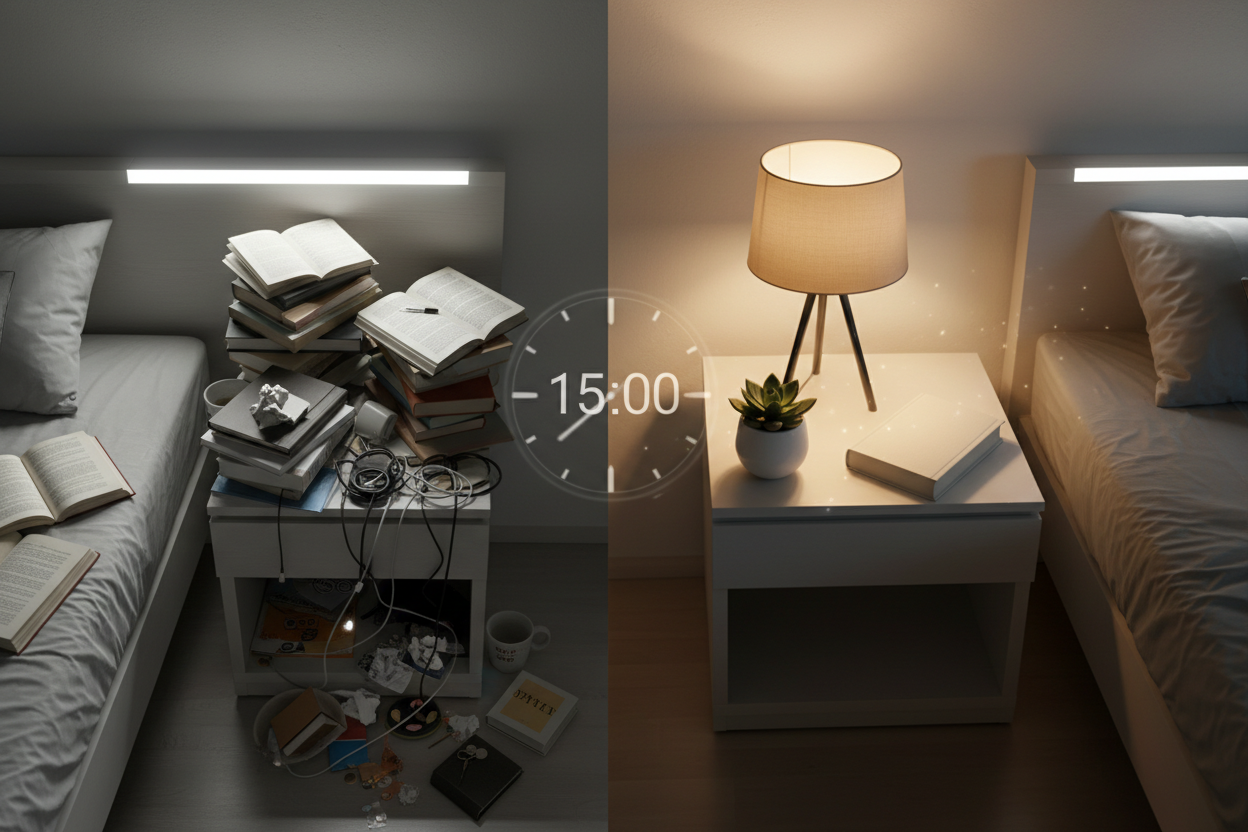
Start small with a single drawer, shelf, or digital folder. Success in small areas builds momentum for larger decluttering projects. Set a timer for 15 minutes and focus on one specific area during that time.
Implement the “one in, one out” rule. When you bring something new into your life, remove something else. This prevents accumulation and forces you to make conscious choices about what deserves space in your life.
Create designated spaces for everything you keep. When items have specific homes, it’s easier to maintain organization and notice when clutter begins to accumulate again.
Practice gratitude regularly. Appreciating what you already have reduces the desire to constantly acquire more and helps you recognize abundance in your current situation.
Be patient with yourself. Minimalism is a practice, not a destination. There will be setbacks and moments of doubt, but each small step contributes to long-term transformation.
Overcoming Common Minimalism Challenges
Many people encounter similar obstacles when beginning their minimalist journey. Recognizing these challenges in advance can help you navigate them more successfully.
Fear of letting go is perhaps the most common challenge. We often hold onto items “just in case” we might need them someday. While it’s wise to keep truly essential items, most things we worry about needing can be borrowed, rented, or repurchased if necessary.
Sentimental attachment can make decluttering emotionally difficult. Consider keeping a small selection of the most meaningful items while letting go of things that don’t truly spark joy or serve a current purpose in your life.
Social pressure can also create challenges. Friends and family members might not understand your minimalist goals or may feel judged by your choices. Remember that minimalism is a personal journey, and you don’t need to justify your decisions to others.
Perfectionism can paralyze progress. There’s no “perfect” level of minimalism, and your ideal might look different from someone else’s. Focus on continuous improvement rather than achieving some arbitrary standard.
Long-Term Benefits of Minimalist Living
As you continue practicing minimalism, you’ll likely notice benefits that extend far beyond having a tidier home. Many people report improved decision-making skills, as the practice of evaluating possessions translates to better choices in other life areas.
Increased focus and productivity are common long-term benefits. When your environment is free from distractions and your mind is clear of mental clutter, you can dedicate more energy to meaningful work and personal goals.
Financial benefits often compound over time. As you develop more intentional spending habits and reduce impulse purchases, you may find yourself with increased savings and reduced financial stress.
Perhaps most importantly, minimalism can lead to a stronger sense of personal identity and values. When you regularly evaluate what deserves space in your life, you develop a clearer understanding of what truly matters to you.
Minimalism offers a powerful pathway to self-improvement that addresses multiple aspects of well-being simultaneously. By decluttering your physical space, digital environment, and mental landscape, you create room for the experiences, relationships, and growth opportunities that truly matter.
The journey toward minimalist living is deeply personal and looks different for everyone. What matters most is not achieving some perfect minimalist aesthetic, but developing the skills and mindset to live more intentionally. As you begin removing the excess from your life, you’ll likely discover that less really can be more—more time, more focus, more happiness, and more opportunities for meaningful self-improvement.
Remember, minimalism is not about deprivation or living with as little as possible. It’s about making room for what matters most by removing what doesn’t. Start small, be patient with yourself, and trust that each step toward a more intentional life is a step toward becoming the person you want to be.
Frequently Asked Questions
How do I start minimalism if I feel overwhelmed by clutter?
Start with just one small area, like a single drawer or your bedside table. Set a timer for 15 minutes and focus only on that space. Small victories build momentum and make larger projects feel less overwhelming. Remember, minimalism is a gradual process, not a race.
What if I regret getting rid of something?
This fear is normal but rarely becomes reality. Start by removing items you’re certain about, then move to questionable items gradually. If you do regret letting something go, consider it a learning experience that will help you make better decisions in the future. Most things can be replaced if truly needed.
How do I deal with family members who don’t support my minimalist goals?
Focus on your own spaces first and lead by example rather than trying to convince others. Share the benefits you’re experiencing rather than criticizing their choices. Respect that minimalism isn’t for everyone, and avoid making others feel judged for their lifestyle preferences.
Can minimalism work for families with children?
Absolutely. Family minimalism focuses on keeping items that serve the family’s current needs while teaching children valuable lessons about gratitude and intentional living. Involve age-appropriate children in decluttering decisions and emphasize experiences over possessions.
How do I maintain minimalist habits long-term?
Develop systems like the “one in, one out” rule and schedule regular decluttering sessions. Focus on the benefits you’re experiencing rather than the restrictions. Remember that minimalism is a practice that requires ongoing attention, just like physical fitness or any other positive habit.
Is there a difference between minimalism and being cheap?
Yes, minimalism focuses on value and intentionality rather than just saving money. Minimalists often invest in higher-quality items that last longer, even if they cost more upfront. The goal is to buy less overall while choosing items that truly serve your needs and values.