

The Science of Attraction: What Really Draws Us to Others?
Have you ever wondered why you instantly click with some people while others leave you feeling indifferent? The mysterious force of attraction has puzzled humans for centuries, but modern science is finally beginning to unravel its secrets. From evolutionary biology to neurochemistry, researchers are discovering that attraction isn’t just about butterflies in your stomach – it’s a complex interplay of biological, psychological, and social factors that shape our romantic destinies.
Understanding the science behind attraction can help us make better relationship choices, improve our dating success, and even strengthen existing partnerships. Let’s dive into the fascinating world of human attraction and explore what really makes us drawn to certain people over others.
The Biology Behind First Impressions
When you meet someone new, your brain makes lightning-fast calculations that happen long before conscious thought kicks in. Within milliseconds, your subconscious mind processes thousands of visual and sensory cues to determine attraction levels. This isn’t superficial – it’s survival.
Facial symmetry plays a crucial role in initial attraction. Research consistently shows that people with more symmetrical features are rated as more attractive across cultures. This preference likely evolved because facial symmetry often indicates good genes and developmental stability. Your brain interprets symmetrical features as a sign of health and genetic fitness, making that person seem like a potentially good mate for producing healthy offspring.
But it’s not just about perfect proportions. The golden ratio, approximately 1.618, appears throughout nature and influences what we find beautiful in human faces. Features that follow this mathematical principle – like the distance between eyes or the ratio of nose length to mouth width – trigger positive responses in our brains.
The Power of Pheromones and Chemical Signals
While we might not consciously notice them, chemical signals play a significant role in attraction. Humans produce pheromones – chemical compounds that can influence the behavior and physiology of others. Though our sense of smell is less developed than many animals, we still pick up on these subtle chemical cues.
One of the most fascinating discoveries involves the major histocompatibility complex (MHC), a group of genes related to immune system function. Studies have shown that people are often attracted to others whose MHC genes differ from their own. This makes evolutionary sense – pairing with someone who has different immune system genes increases the likelihood that offspring will have stronger, more diverse immune systems.
Interestingly, hormonal birth control can interfere with this natural selection process. Women on the pill sometimes show altered preferences for MHC-dissimilar partners, which might explain why some couples experience changes in attraction when contraceptive use changes.
Psychological Factors That Fuel Attraction
Beyond biology, our minds play tricks that can either spark or extinguish romantic interest. The mere exposure effect demonstrates that we tend to like people more as we become familiar with them. This is why workplace romances are so common – repeated positive interactions build comfort and attraction over time.
Similarity also breeds attraction, despite the popular saying about opposites attracting. We’re drawn to people who share our values, interests, and backgrounds. This similarity bias extends beyond surface-level preferences to include personality traits, political views, and life goals. Shared experiences create a sense of understanding and connection that forms the foundation of lasting relationships.
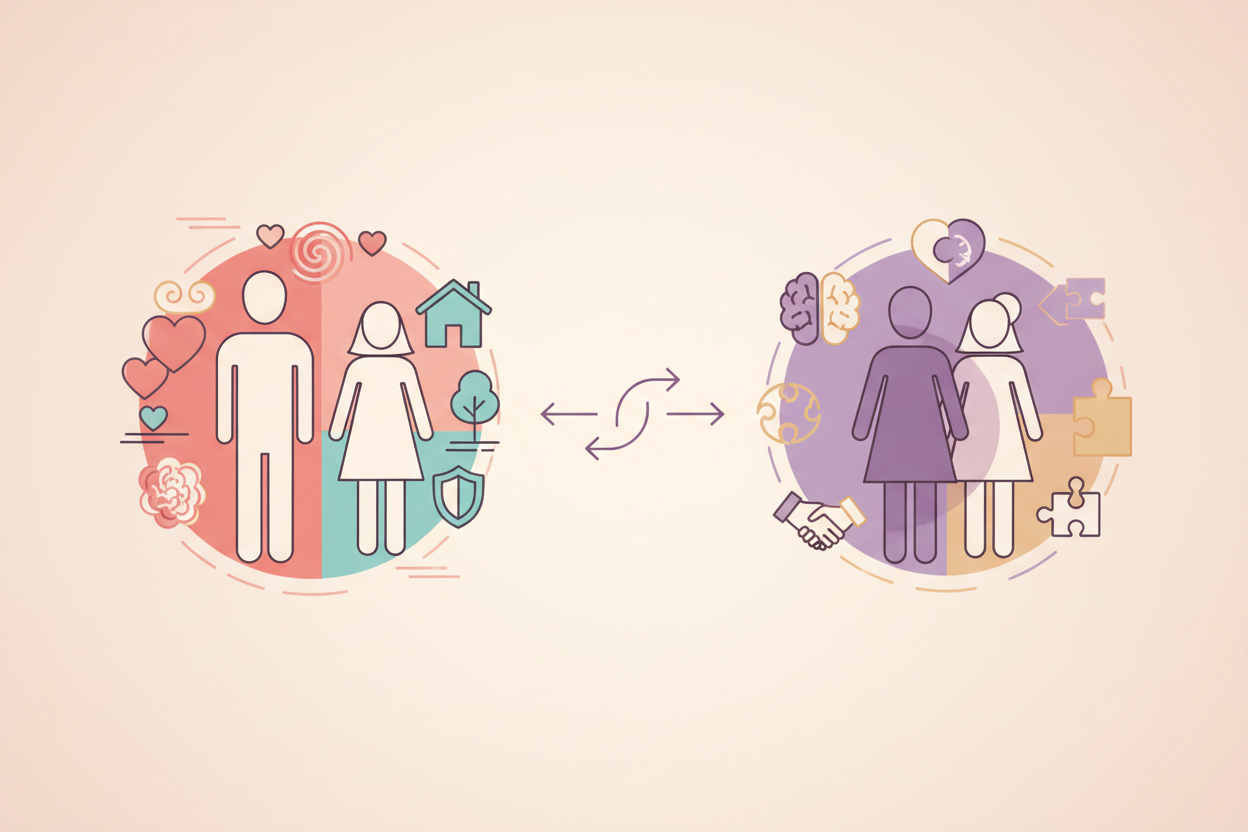
However, some differences can be attractive. Complementary traits – where one person’s strengths balance another’s weaknesses – can create powerful attraction. An introverted person might be drawn to an extroverted partner who helps them socialize, while the extrovert appreciates their partner’s thoughtful, reflective nature.
The Role of Physical Appearance and Body Language
Physical attraction isn’t just about conventional beauty standards. Research reveals specific features and behaviors that consistently trigger attraction across cultures. For instance, clear skin signals health and youth, while certain body proportions indicate fertility and genetic fitness.
Body language speaks volumes before we even open our mouths. Confident posture, genuine smiles, and appropriate eye contact all signal availability and interest. Mirroring – unconsciously copying another person’s movements and posture – creates rapport and increases mutual attraction.
The way someone moves can be incredibly attractive. Graceful, coordinated movement suggests good health and genetic quality. Even subtle cues like the sway of someone’s walk or the expressiveness of their gestures can influence attraction levels.
Emotional Connection and Personality Traits
While physical attraction might spark initial interest, emotional connection sustains long-term relationships. Certain personality traits consistently rank high in attraction studies across cultures. Kindness, intelligence, humor, and emotional stability top the list for both men and women seeking long-term partners.
Emotional intelligence – the ability to understand and manage emotions effectively – has become increasingly important in modern relationships. People who can communicate feelings clearly, show empathy, and navigate conflicts constructively are seen as more attractive partners.
Vulnerability, when appropriately timed, can deepen attraction. Sharing personal stories and showing authentic emotions creates intimacy and trust. However, this must be balanced – too much vulnerability too early can overwhelm potential partners, while too little emotional openness prevents deep connections from forming.
Cultural and Social Influences on Attraction
Our attraction patterns don’t exist in a vacuum – they’re heavily influenced by the culture and society around us. Beauty standards vary dramatically across cultures and historical periods, showing that many of our preferences are learned rather than innate.
Social status and resources continue to influence attraction, though these factors have evolved with changing gender roles. While financial stability remains important to many people, emotional support, shared domestic responsibilities, and intellectual compatibility have gained prominence in modern relationships.
Media exposure shapes our attraction templates from an early age. The faces and body types we see repeatedly in movies, advertisements, and social media influence what we find attractive. This can create unrealistic standards, but awareness of these influences can help us make more conscious choices about our preferences.
The Neuroscience of Love and Attachment
When attraction deepens into love, specific brain regions light up in fascinating patterns. The reward system, including areas rich in dopamine receptors, becomes highly active when we’re around someone we’re attracted to. This creates the addictive quality of new love – we literally crave the neurochemical high of being with our beloved.
Different types of love activate different brain networks. Passionate love involves the brain’s reward and motivation systems, while companionate love engages regions associated with attachment and caregiving. Understanding these patterns helps explain why relationships often evolve from intense passion to deeper, more stable emotional bonds.
Oxytocin, often called the “bonding hormone,” plays a crucial role in attachment formation. Physical touch, eye contact, and shared positive experiences all trigger oxytocin release, strengthening emotional bonds between partners. This is why activities like dancing, exercising together, or even sharing a scary movie can increase attraction.
Practical Applications for Better Relationships
Understanding attraction science isn’t just academic – it has real-world applications for improving your romantic life. Being aware of your own attraction patterns can help you make more intentional dating choices rather than simply following unconscious impulses.
Focus on developing the traits that research shows are universally attractive: emotional intelligence, kindness, humor, and authenticity. These qualities matter more for long-term relationship success than physical appearance alone.
Pay attention to how potential partners make you feel rather than just how they look. Do they inspire you to be your best self? Do you feel comfortable being vulnerable around them? These emotional responses often predict relationship satisfaction better than initial physical chemistry.
Remember that attraction can grow over time. Don’t dismiss someone immediately if there isn’t instant chemistry – some of the strongest relationships develop gradually as people get to know each other’s deeper qualities.
Conclusion
The science of attraction reveals that falling for someone isn’t random – it’s the result of complex biological, psychological, and social processes working together. While we can’t completely control who we’re attracted to, understanding these mechanisms helps us make more informed choices about relationships and recognize the difference between superficial attraction and deeper compatibility.
True lasting attraction combines physical chemistry with emotional connection, shared values, and mutual respect. By appreciating both the science and the mystery of human attraction, we can approach relationships with greater wisdom and create more fulfilling connections with others.
The next time you feel that spark with someone special, remember that your brain is performing an incredibly sophisticated analysis based on millions of years of evolution. Trust the process, but also use your conscious mind to evaluate whether that initial attraction has the foundation for something deeper and more lasting.
Frequently Asked Questions
Can attraction grow over time, or is it instant?
While initial physical attraction often happens quickly, deeper attraction can definitely develop over time. Many successful long-term relationships start with friendship and gradually develop romantic feelings as people get to know each other better. Emotional attraction, shared experiences, and growing intimacy can create powerful bonds that weren’t present initially.
Why am I attracted to people who aren’t good for me?
This often happens because our unconscious attraction patterns were formed early in life and may not align with what we consciously know is healthy. Sometimes we’re drawn to familiar patterns, even if they’re dysfunctional, because they feel “normal.” Working on self-awareness and potentially seeking therapy can help align your attraction patterns with healthier relationship choices.
Do men and women look for different things in attraction?
While there are some general trends (men often prioritize physical attractiveness initially, while women may place more emphasis on resources and emotional connection), individual differences are huge. Modern research shows that as gender roles evolve, attraction patterns are becoming more similar between men and women, with both valuing emotional intelligence, kindness, and compatibility highly.
How much does physical appearance really matter?
Physical appearance is important for initial attraction, but its influence decreases over time in successful relationships. While it might get you noticed initially, personality traits like humor, kindness, and emotional stability become much more important for relationship satisfaction. Many people report that their partner becomes more physically attractive to them as emotional bonds deepen.
Can you change what you find attractive?
To some extent, yes. While basic preferences may be relatively stable, exposure to different types of people and experiences can broaden what you find attractive. Consciously challenging your assumptions, getting to know people beyond surface-level traits, and focusing on character qualities can help expand your attraction patterns in healthier directions.