

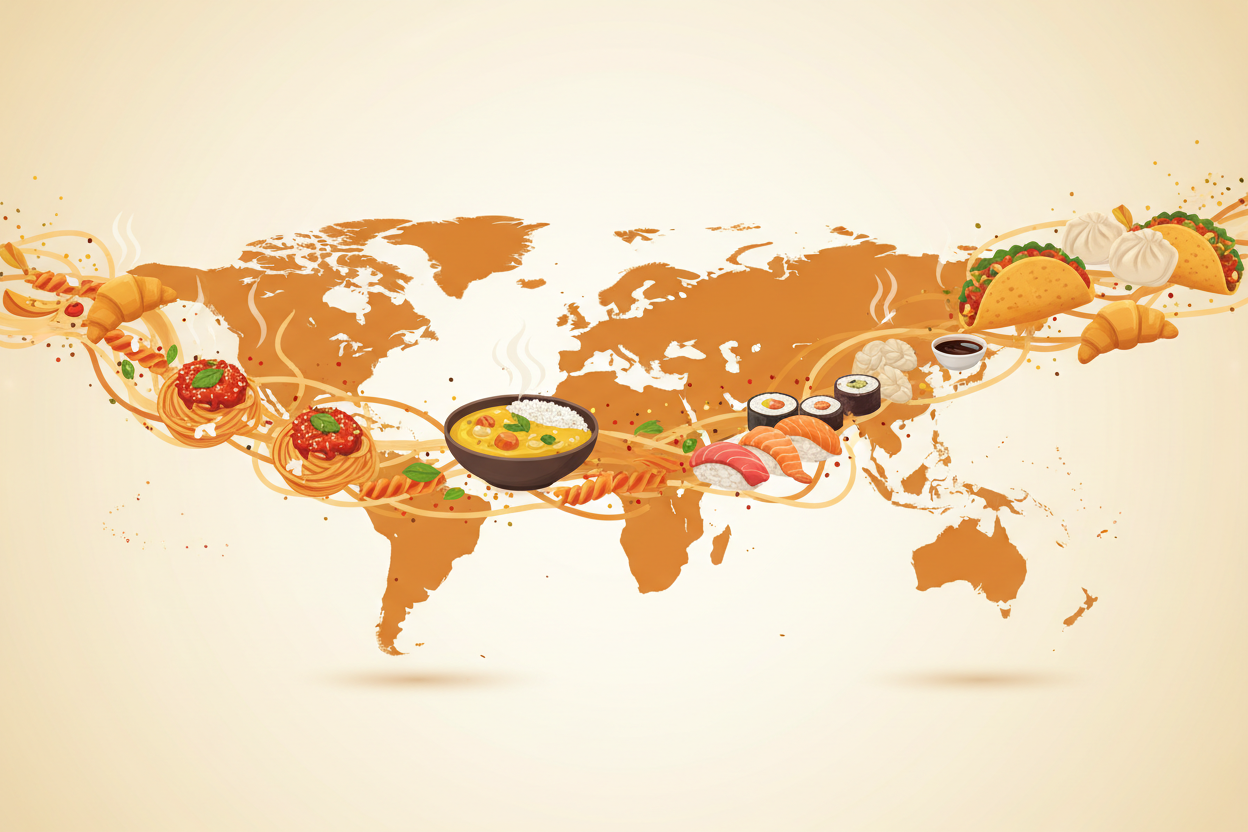
Cultural Shifts: The Rise of Global Cuisine and Its Impact on Modern Dining
Remember when “ethnic food” meant a trip to the one Chinese restaurant in town or perhaps a daring adventure to that new Italian place? Those days feel like ancient history now. Today, you’re just as likely to find Korean tacos, Peruvian-Japanese fusion, or Ethiopian injera bread at your local food hall as you are traditional burgers and fries. This remarkable transformation represents one of the most significant cultural shifts of our time: the rise of global cuisine.
The way we eat tells the story of who we are as a society, and right now, that story is one of unprecedented culinary diversity, cultural exchange, and adventurous palates. From bustling metropolitan food scenes to small-town restaurants embracing international flavors, global cuisine has fundamentally changed how we think about food, culture, and community.
The Historical Context: How We Got Here
The journey toward today’s global food landscape didn’t happen overnight. While trade routes have been carrying spices and culinary techniques across continents for millennia, the modern explosion of international cuisine is a relatively recent phenomenon, accelerated by several key factors.
Immigration patterns throughout the 20th and 21st centuries have been perhaps the most significant driver. As people moved across borders seeking new opportunities, they brought their culinary traditions with them. These weren’t just recipes – they were entire food cultures, complete with techniques, ingredients, and the stories that make meals meaningful.
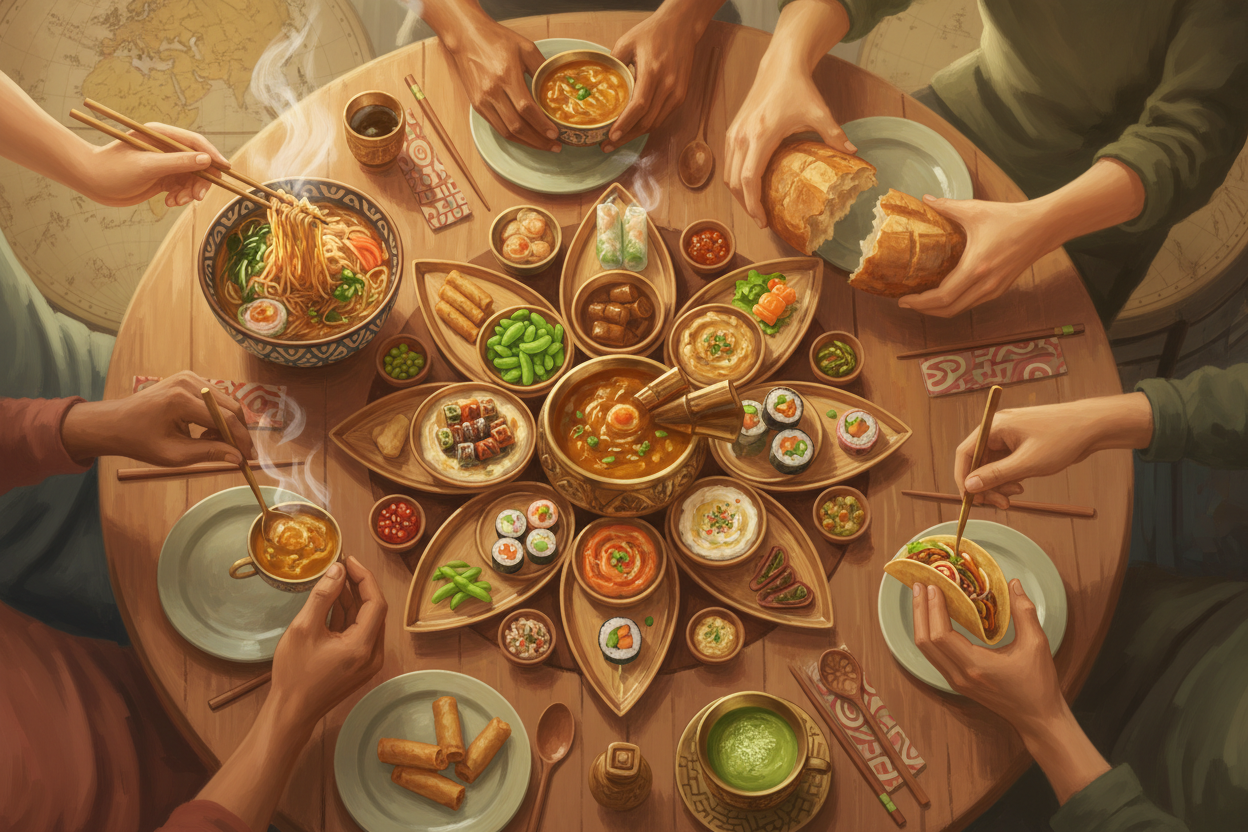
The post-World War II era marked a turning point. Soldiers returning from overseas brought tales of exotic flavors they’d encountered, while economic prosperity allowed more people to travel and experience different cultures firsthand. What started as curiosity gradually evolved into genuine appreciation and demand for authentic international cuisine.
Technology’s Role in Culinary Globalization
If immigration planted the seeds of global cuisine, technology provided the fertilizer that helped it flourish. The internet revolutionized how we discover, learn about, and share food experiences. Suddenly, a home cook in Kansas could access authentic recipes from a grandmother in Bangkok, complete with video tutorials and ingredient substitutions.
Social media platforms transformed food into visual storytelling. Instagram-worthy dishes from around the world sparked curiosity and created demand for previously unknown cuisines. Food bloggers and influencers became cultural ambassadors, introducing their followers to everything from Japanese ramen culture to Mexican street food traditions.
Improved global supply chains meant that ingredients once considered exotic became readily available. Miso paste, harissa, and lemongrass found their way onto supermarket shelves, making it possible for adventurous home cooks to experiment with international flavors without specialized shopping trips.
The Fusion Food Revolution
Perhaps nothing exemplifies the rise of global cuisine quite like the fusion food movement. This isn’t just about mixing ingredients from different cultures – it represents a fundamental shift in how chefs and diners think about culinary boundaries.
Successful fusion cuisine requires deep understanding and respect for the traditions being combined. When chef Roy Choi created Korean-Mexican fusion with his Kogi BBQ trucks, he wasn’t randomly throwing kimchi on a taco. He was drawing from his own cultural heritage and the diverse food landscape of Los Angeles to create something entirely new yet authentically rooted.
This approach has inspired countless other culinary innovations. Indian-Chinese cuisine reflects the Chinese immigrant experience in India, while Nikkei cuisine celebrates the Japanese diaspora in Peru. These fusion styles often tell immigration stories, representing the beautiful complexity of multicultural societies.
Changing Consumer Attitudes and Expectations
Today’s diners approach food with a fundamentally different mindset than previous generations. Where once unfamiliar cuisine might have been met with suspicion, modern consumers actively seek out new and authentic experiences. This shift reflects broader changes in how we view diversity and cultural exchange.
Millennials and Gen Z consumers, in particular, have grown up in an increasingly connected world. For them, trying Ethiopian cuisine isn’t exotic – it’s Tuesday night dinner. These generations value authenticity, sustainability, and cultural understanding, all of which have shaped their dining preferences.
The definition of comfort food has expanded dramatically. While mac and cheese still holds its place, so do pho, curry, and countless other dishes that previous generations might have considered foreign. This expansion reflects not just changing tastes, but evolving cultural identity in an increasingly diverse society.
Impact on Local Food Scenes
The rise of global cuisine has transformed local food scenes across the country. Cities that once had limited dining options now boast incredible diversity. Even smaller towns are experiencing this shift, as entrepreneurs recognize the demand for international flavors.
This transformation has created opportunities for immigrant entrepreneurs to share their culinary heritage while building successful businesses. Family recipes passed down through generations are finding new audiences, creating bridges between communities and fostering cultural understanding through shared meals.
Food halls and markets have emerged as particularly important spaces for this cultural exchange. These venues allow smaller vendors to introduce their cuisines to new audiences without the overhead of a full restaurant, creating incubators for culinary innovation and cultural sharing.
Challenges and Considerations
The globalization of cuisine isn’t without its complexities. Questions of cultural appropriation versus appreciation have become increasingly important as dishes cross cultural boundaries. The line between celebrating diversity and exploiting cultural traditions requires careful navigation.
Authenticity presents another challenge. As international cuisines become more mainstream, there’s often pressure to adapt dishes for local palates, potentially diluting their cultural significance. Balancing accessibility with authenticity requires thoughtful consideration from both chefs and consumers.
Economic factors also play a role. While global cuisine has created opportunities, it has also intensified competition. Traditional restaurants may struggle to compete with trendy fusion concepts, and the pressure to constantly innovate can be overwhelming for small business owners.
The Future of Global Cuisine
Looking ahead, the trajectory of global cuisine shows no signs of slowing. Climate change and sustainability concerns are likely to influence which ingredients and techniques gain popularity. Plant-based international cuisines may see increased interest as environmental consciousness grows.
Technology will continue to play a crucial role. Virtual reality dining experiences, AI-powered recipe development, and advanced food delivery systems may further transform how we experience international cuisine. The challenge will be maintaining the human connections and cultural stories that make food meaningful.
Regional cuisines that haven’t yet gained widespread recognition are likely to emerge. As diners become more sophisticated and seek authentic experiences, lesser-known culinary traditions from various regions may find new audiences.
Conclusion: Embracing Culinary Diversity
The rise of global cuisine represents more than just changing food trends – it reflects our evolution as a society. Through food, we’re learning to appreciate diversity, understand different cultures, and find common ground around shared meals. This culinary revolution has made our communities more vibrant, our palates more adventurous, and our understanding of the world more nuanced.
As we continue to navigate this globalized food landscape, the key lies in approaching it with respect, curiosity, and appreciation for the cultures and stories behind every dish. Whether you’re trying your first bowl of ramen or experimenting with fusion cooking at home, you’re participating in a beautiful exchange of human culture and creativity.
The future of dining is global, diverse, and exciting. By embracing this culinary diversity, we’re not just expanding our food choices – we’re building bridges between communities and celebrating the rich tapestry of human culture, one meal at a time.
Frequently Asked Questions
What factors contributed most to the rise of global cuisine?
The main factors include increased immigration, improved technology and communication, global supply chains making international ingredients accessible, social media exposure, and changing consumer attitudes toward cultural diversity and authentic experiences.
How is fusion cuisine different from traditional international cuisine?
Fusion cuisine intentionally combines elements from different culinary traditions to create new dishes, while traditional international cuisine focuses on authentic preparation of dishes from specific cultures. Fusion often reflects multicultural experiences and immigration stories.
What challenges do restaurants face when serving authentic international cuisine?
Challenges include sourcing authentic ingredients, educating customers about unfamiliar dishes, balancing authenticity with local tastes, competing with fusion alternatives, and addressing cultural appropriation concerns while maintaining profitability.
How has social media influenced the popularity of global cuisine?
Social media has made international dishes more visually accessible, allowed food influencers to introduce new cuisines to wide audiences, enabled sharing of authentic recipes and techniques, and created demand for photogenic, Instagram-worthy international dishes.
What role do food halls play in the global cuisine movement?
Food halls serve as incubators for international cuisine by providing lower-cost entry points for ethnic food vendors, creating spaces for culinary experimentation, allowing customers to try multiple cuisines in one location, and fostering cultural exchange through food.
How can consumers support authentic global cuisine?
Consumers can support authentic global cuisine by seeking out immigrant-owned restaurants, learning about the cultural context of dishes, being open to traditional preparation methods, supporting local ethnic markets, and approaching unfamiliar cuisines with respect and curiosity.