
Comparing Domestic and Foreign Policy: What Matters More?
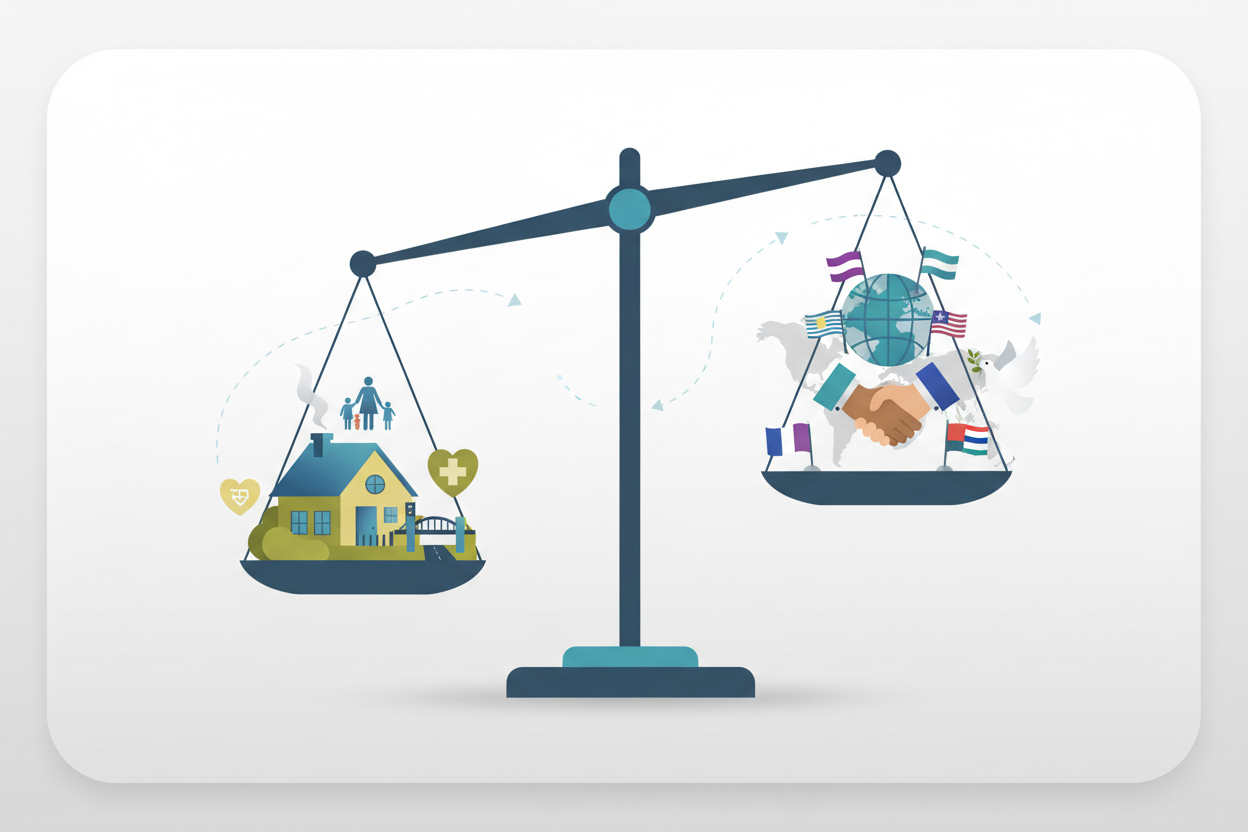
The age-old debate between domestic and foreign policy priorities has shaped political discourse for centuries. As citizens, we often find ourselves caught between pressing issues at home and complex international challenges abroad. Should our government focus on fixing roads, improving healthcare, and creating jobs, or should we prioritize national security, international trade, and global diplomacy? The truth is, this isn’t really an either-or question, but understanding the nuances can help us make more informed decisions as voters and engaged citizens.
In today’s interconnected world, the line between domestic and foreign policy has become increasingly blurred. A trade war affects local jobs, immigration policies impact communities nationwide, and global health crises reshape our daily lives. Let’s dive deep into this fascinating comparison and explore why both policy areas matter more than you might think.
Understanding Domestic Policy: The Foundation of Daily Life
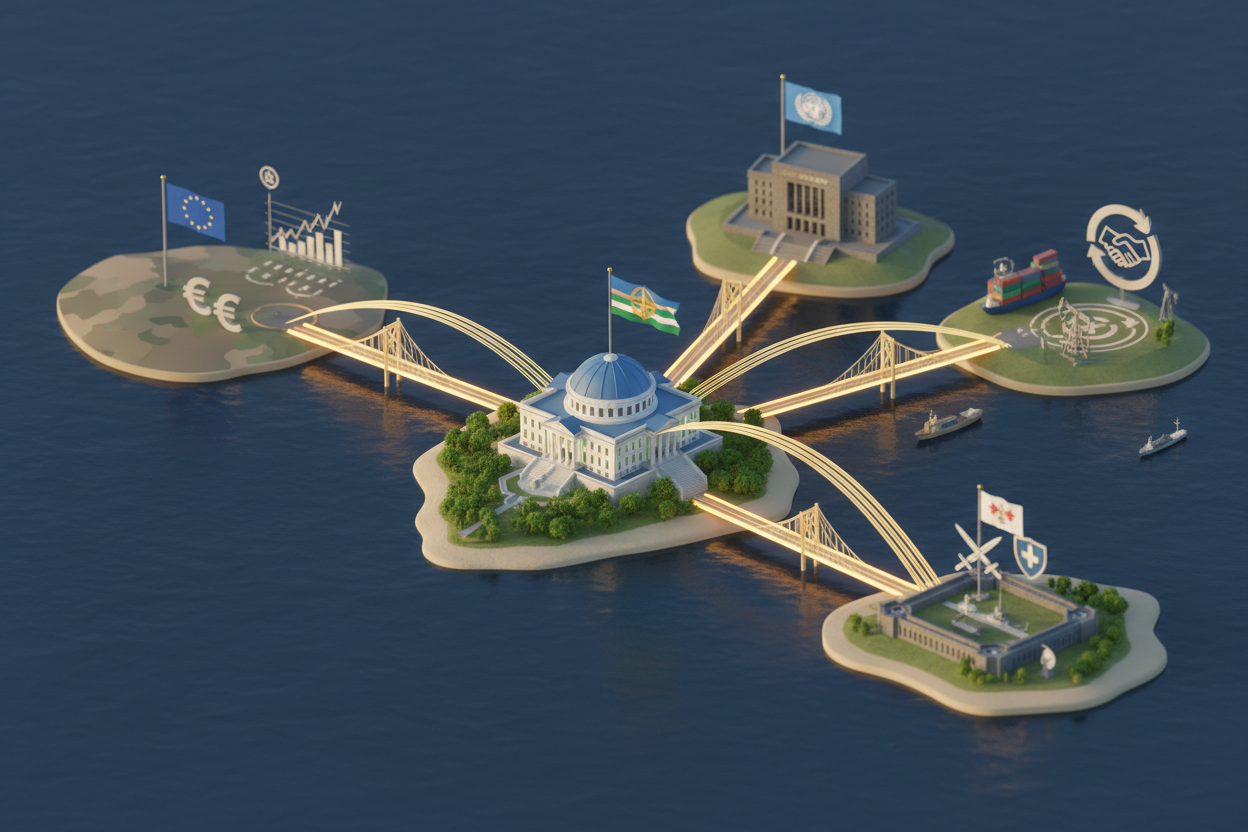
Domestic policy encompasses all the decisions and actions a government takes within its own borders. Think of it as the government’s approach to managing the household – everything from education and healthcare to transportation and environmental protection falls under this umbrella.
When I talk to friends and neighbors about politics, domestic issues usually dominate the conversation. And why wouldn’t they? These policies directly impact our daily experiences. Whether it’s the quality of our children’s schools, the condition of our morning commute, or access to affordable healthcare, domestic policy shapes the texture of our everyday lives in tangible ways.
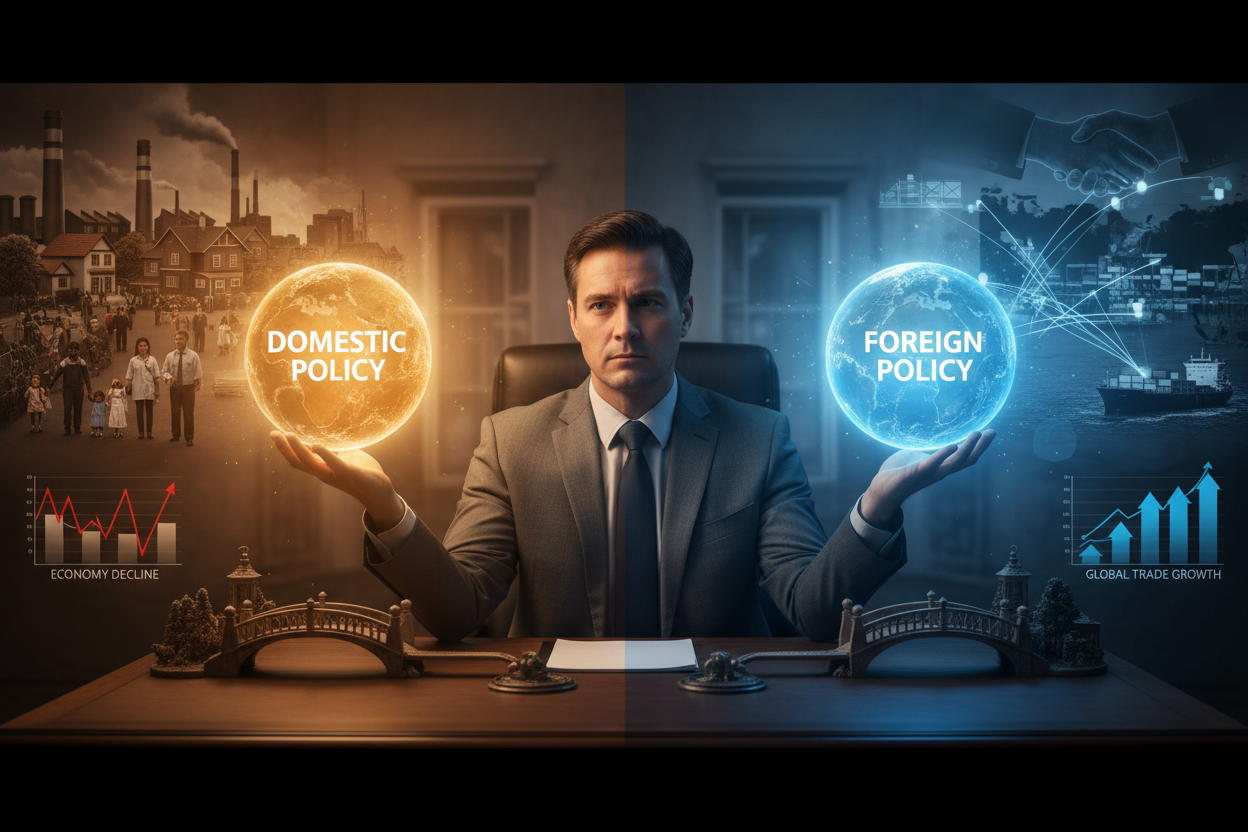
Consider education policy, for instance. The decisions made about school funding, curriculum standards, and teacher training don’t just affect statistics on a government report – they influence whether your child gets the tools they need to succeed in life. Similarly, healthcare policy determines whether families face bankruptcy due to medical bills or can access preventive care that keeps them healthy and productive.
Domestic policy also includes economic measures like taxation, labor laws, and social safety nets. These policies directly affect your paycheck, job security, and retirement planning. When unemployment rises or inflation impacts grocery prices, people naturally look to domestic policy solutions for relief.
Foreign Policy: Protecting Interests Beyond Borders
Foreign policy might seem more abstract, but it’s equally crucial for national wellbeing. This encompasses how a country interacts with other nations through diplomacy, trade agreements, military alliances, and international cooperation. While these decisions might not immediately affect your morning routine, they shape the broader context in which domestic life unfolds.
National security represents perhaps the most obvious foreign policy concern. Military defense, intelligence gathering, and counterterrorism efforts protect citizens from external threats. Without effective foreign policy in these areas, domestic achievements become vulnerable to disruption or destruction.
Trade policy offers another clear example of foreign policy’s domestic impact. International trade agreements determine which products are available in stores, influence job markets in manufacturing and agriculture, and affect prices for everything from electronics to clothing. The recent supply chain disruptions highlighted how interconnected our domestic economy is with global networks.
Diplomatic relationships also matter more than many realize. Strong alliances can provide economic opportunities, cultural exchanges, and collaborative solutions to global challenges like climate change or pandemic response. Poor diplomatic relations can lead to sanctions, reduced cooperation, and missed opportunities for mutual benefit.
The Interconnected Reality: Why the Debate Misses the Point
Here’s where things get interesting: the domestic versus foreign policy debate often presents a false choice. In reality, these policy areas are deeply interconnected, and success in one often depends on effectiveness in the other.
Take immigration policy as a perfect example. While immigration involves foreign nationals entering the country, the impacts are thoroughly domestic. Immigration policies affect local job markets, school enrollment, healthcare systems, and community demographics. You can’t develop effective immigration policy without considering both international humanitarian concerns and domestic economic and social impacts.
Climate change presents another compelling case for integrated policy thinking. Environmental protection might seem like a domestic issue, but climate change is inherently global. Effective climate policy requires international cooperation, technology sharing, and coordinated action. Meanwhile, environmental degradation abroad can lead to refugee crises that become domestic immigration challenges.
Economic policy also demonstrates this interconnectedness. Domestic economic health increasingly depends on international trade relationships, foreign investment, and global market stability. A financial crisis in one major economy can quickly spread worldwide, affecting jobs and investments everywhere.
Historical Perspectives: Lessons from Past Priorities
Looking at history provides valuable insights into how different policy emphases have played out over time. The United States, for example, has experienced periods where one approach dominated political priorities, often with mixed results.
During the Great Depression and World War II era, domestic and foreign policies became inseparably linked. The New Deal focused on domestic economic recovery, while simultaneously, the country had to address growing international threats. This period demonstrated how domestic strength enabled effective foreign policy, while international engagement supported domestic recovery through wartime production and post-war economic expansion.
The Cold War era saw significant foreign policy focus, with enormous resources devoted to military spending and international influence. While this approach arguably succeeded in containing Soviet expansion, critics argue it came at the cost of domestic investments in infrastructure, education, and social programs.
More recently, the post-9/11 period emphasized foreign policy and national security concerns. The wars in Afghanistan and Iraq consumed enormous resources and political attention. Some analysts argue this focus on foreign military interventions diverted attention and resources from pressing domestic needs like infrastructure modernization and healthcare reform.
Economic Implications: The Cost-Benefit Analysis
From a purely economic standpoint, both domestic and foreign policies require significant government resources, and choices about allocation have real consequences. Military spending, foreign aid, and diplomatic operations represent major budget items, as do domestic programs like education, healthcare, and infrastructure.
However, framing this as a zero-sum game oversimplifies the economic reality. Effective foreign policy can generate economic benefits that support domestic prosperity. Strong trade relationships create export opportunities for domestic businesses. International cooperation can reduce the costs of addressing global challenges. Military alliances can provide security more efficiently than going it alone.
Similarly, domestic investments often strengthen foreign policy capabilities. A well-educated population provides the human capital needed for effective diplomacy, intelligence work, and international business. Strong domestic infrastructure supports military logistics and international commerce. A healthy economy provides the resources needed for international leadership.
The key insight is that smart policy-making seeks complementary approaches rather than choosing sides in an artificial competition between domestic and foreign priorities.
Public Opinion: What Citizens Actually Want
Polling data consistently shows that public opinion on domestic versus foreign policy priorities varies significantly based on current events and economic conditions. During economic recessions or domestic crises, citizens typically prioritize domestic issues. During international conflicts or security threats, foreign policy concerns rise in importance.
Interestingly, most citizens don’t actually want their government to ignore either area entirely. Instead, they want competent management of both domestic and foreign affairs, with emphasis shifting based on the most pressing current challenges.
Young voters often show particular interest in global issues like climate change and human rights, viewing these as both moral imperatives and practical concerns for their future. Older voters might prioritize healthcare and social security domestically, while supporting strong defense policies internationally.
The most successful political leaders often find ways to connect domestic and foreign policy concerns, showing how international engagement serves domestic interests and how domestic strength enables international leadership.
Finding Balance: A Practical Approach to Policy Priorities
Rather than choosing between domestic and foreign policy, the real challenge lies in finding the right balance and creating synergies between both areas. This requires sophisticated thinking about how policies interact and reinforce each other.
Effective governance means maintaining core domestic functions while engaging internationally in ways that serve national interests. This might mean investing in education and infrastructure domestically while building trade relationships that create markets for domestic products. It could involve strengthening domestic healthcare systems while participating in international disease prevention efforts.
The COVID-19 pandemic provided a stark example of how domestic and foreign policy interconnect. Countries that maintained strong domestic healthcare systems and participated in international cooperation efforts generally managed the crisis more effectively than those that focused exclusively on either domestic or international approaches.
Smart policy integration also means recognizing that some challenges simply cannot be addressed through domestic action alone. Climate change, terrorism, economic instability, and disease outbreaks require international cooperation to be effectively managed.
Conclusion
The question of whether domestic or foreign policy matters more ultimately misses the point. In our interconnected world, these policy areas are inextricably linked, and success requires competent management of both. Rather than viewing this as a competition for resources and attention, we should think about how to create complementary policies that strengthen both domestic wellbeing and international effectiveness.
The most successful countries tend to be those that maintain strong domestic foundations while engaging constructively with the international community. They invest in their people, infrastructure, and institutions at home while building relationships and addressing challenges abroad.
As citizens, our role is to support leaders who understand these connections and can navigate both domestic and foreign policy challenges effectively. We should ask not whether candidates prioritize domestic or foreign policy, but whether they understand how these areas interact and can manage both competently.
The future belongs to countries that can build domestic strength while engaging internationally – not those that choose one at the expense of the other. In an interconnected world, isolation and neglect of either domestic or foreign affairs ultimately weakens both.
Frequently Asked Questions
Q: Which should take priority during economic downturns – domestic or foreign policy?
A: During economic downturns, governments typically emphasize domestic economic recovery, but completely neglecting foreign policy can be counterproductive. International trade relationships, foreign investment, and global economic cooperation often play crucial roles in domestic economic recovery. The key is finding policies that address domestic needs while maintaining beneficial international relationships.
Q: How do small countries balance domestic and foreign policy with limited resources?
A: Small countries often focus on specialized foreign policy niches while maintaining strong domestic institutions. They might emphasize regional cooperation, specific international expertise, or strategic alliances that provide security and economic benefits. Many small countries punch above their weight internationally by focusing on areas where they can make meaningful contributions.
Q: Can a country be successful with strong domestic policy but weak foreign policy?
A: In today’s interconnected world, it’s increasingly difficult to maintain long-term domestic success without effective foreign policy. Even countries that focus primarily on domestic affairs need international trade, cooperation on global challenges, and security relationships. However, domestic strength often provides the foundation for effective foreign policy.
Q: How do democratic elections affect the balance between domestic and foreign policy?
A: Democratic elections often emphasize domestic issues because they directly affect voters’ daily lives. However, major international crises or security threats can shift electoral focus to foreign policy. Successful democratic leaders usually need to demonstrate competence in both areas, even if campaign rhetoric emphasizes one over the other.
Q: What role does public opinion play in shaping the domestic-foreign policy balance?
A: Public opinion significantly influences policy priorities in democratic societies. Citizens typically prioritize domestic concerns during economic hardship or social crises, while international threats or opportunities can increase support for foreign policy initiatives. However, effective leaders often need to educate the public about connections between domestic and foreign policy issues.