
Conservative Movements in the 21st Century: Evolution, Impact, and Global Influence
The dawn of the 21st century brought with it unprecedented technological advancement, social change, and political upheaval. Against this backdrop of rapid transformation, conservative movements worldwide have not only endured but evolved, adapting their traditional values to address modern challenges. From the rise of populist nationalism to the digital revolution’s impact on political organizing, conservative movements have demonstrated remarkable resilience and adaptability over the past two decades.
Understanding these movements isn’t just an academic exercise—it’s essential for anyone seeking to comprehend today’s political landscape. Whether you’re a political science student, a curious citizen, or someone trying to make sense of current events, exploring how conservatism has transformed in the 21st century offers valuable insights into our contemporary world.

The Digital Revolution and Conservative Organizing
Perhaps no single factor has transformed conservative movements more than the internet and social media. Traditional conservative institutions, once reliant on newspapers, radio, and television, suddenly found themselves with powerful new tools for mobilization and messaging.
The Tea Party movement of 2009-2010 exemplified this digital transformation. What began as scattered protests against government spending quickly coalesced into a nationwide phenomenon, largely through Facebook groups, Twitter hashtags, and conservative blogs. This grassroots organizing model became a template for conservative movements globally, demonstrating how digital platforms could amplify traditional conservative messages about limited government, fiscal responsibility, and constitutional principles.
Conservative media outlets adapted quickly to the digital age. Established publications like National Review and newer platforms like The Daily Wire built substantial online followings, while podcasts became increasingly influential in shaping conservative thought. This democratization of media allowed for more diverse conservative voices while also creating echo chambers that reinforced existing beliefs.
Populist Nationalism: A Global Conservative Phenomenon
The 21st century witnessed the rise of populist nationalist movements that challenged traditional conservative establishments. From Donald Trump in the United States to Brexit in the United Kingdom, from Alternative for Germany to Brazil’s Jair Bolsonaro, a new strain of conservatism emerged that emphasized national sovereignty, cultural identity, and skepticism toward globalization.
This populist wave represented a significant shift from the internationalist conservatism of the late 20th century. Where previous conservative leaders like Ronald Reagan and Margaret Thatcher embraced free trade and international cooperation, 21st-century populist conservatives often viewed these same policies as threats to national identity and working-class prosperity.
The 2016 Brexit referendum and Trump’s election victory demonstrated populist conservatism’s electoral power. These movements successfully tapped into anxieties about economic displacement, cultural change, and political alienation that traditional conservative parties had struggled to address. The result was a realignment within conservative movements worldwide, forcing established parties to grapple with populist challenges to their authority and ideology.
Economic Conservatism in the Age of Inequality
The 2008 financial crisis fundamentally challenged conservative economic orthodoxy. Free-market capitalism, long championed by conservative movements, faced scrutiny as income inequality widened and economic mobility declined. Conservative thinkers and politicians found themselves defending market economics while acknowledging its limitations.
This tension led to interesting developments within conservative economic thought. Some embraced “national conservatism,” advocating for industrial policy and trade protection to support domestic workers. Others doubled down on traditional free-market principles, arguing that government intervention had caused, not solved, economic problems.
The rise of “woke capitalism”—corporations embracing progressive social causes—created another challenge for conservative movements. Traditional allies in the business community were increasingly at odds with conservative social positions, forcing movements to reconsider their relationship with corporate America. This shift was particularly evident in battles over religious liberty, LGBTQ+ rights, and environmental regulation.
Social Conservatism and Cultural Wars
While economic conservatism faced new challenges, social conservatism experienced both setbacks and revivals in the 21st century. The legalization of same-sex marriage in numerous countries represented a significant defeat for traditional social conservative positions, yet movements adapted by shifting focus to religious liberty and parental rights.
The emergence of “cancel culture” and concerns about free speech on college campuses provided new rallying points for conservative movements. These issues allowed conservatives to position themselves as defenders of intellectual diversity and open debate, appealing to classical liberal values while maintaining their core constituency.
Immigration became perhaps the most defining social conservative issue of the era. Movements across Europe and North America made immigration restriction central to their platforms, arguing that rapid demographic change threatened national identity and social cohesion. This focus on immigration helped bridge economic and cultural concerns, appealing to voters worried about both job competition and cultural change.
Environmental Conservatism: An Emerging Trend
One of the most surprising developments in 21st-century conservatism has been the emergence of environmental themes within some conservative movements. While climate change remains contentious, some conservatives have embraced conservation, nuclear energy, and market-based environmental solutions.
This “green conservatism” draws on traditional conservative values like stewardship, prudence, and respect for natural heritage. Conservative politicians in Europe have been more willing to embrace environmental policies than their American counterparts, reflecting different political dynamics and public opinion.
The rise of environmental, social, and governance (ESG) investing has created both opportunities and challenges for conservative movements. While some see market-based environmental solutions as compatible with conservative principles, others view ESG as a form of corporate activism that threatens free-market capitalism.
Technology, Privacy, and Conservative Responses
The rapid advancement of technology has created new challenges for conservative movements. Issues like data privacy, artificial intelligence, and social media censorship have forced conservatives to develop positions on topics that didn’t exist a generation ago.
Big Tech’s influence over information and communication has become a particular concern for conservative movements. Allegations of bias against conservative viewpoints on platforms like Facebook and Twitter have led to calls for regulation—an ironic position for movements traditionally skeptical of government intervention in business.
The tension between privacy rights and national security has also challenged conservative movements. While supporting law enforcement and national defense, many conservatives have expressed concern about government surveillance capabilities and corporate data collection practices.
Global Variations and Regional Differences
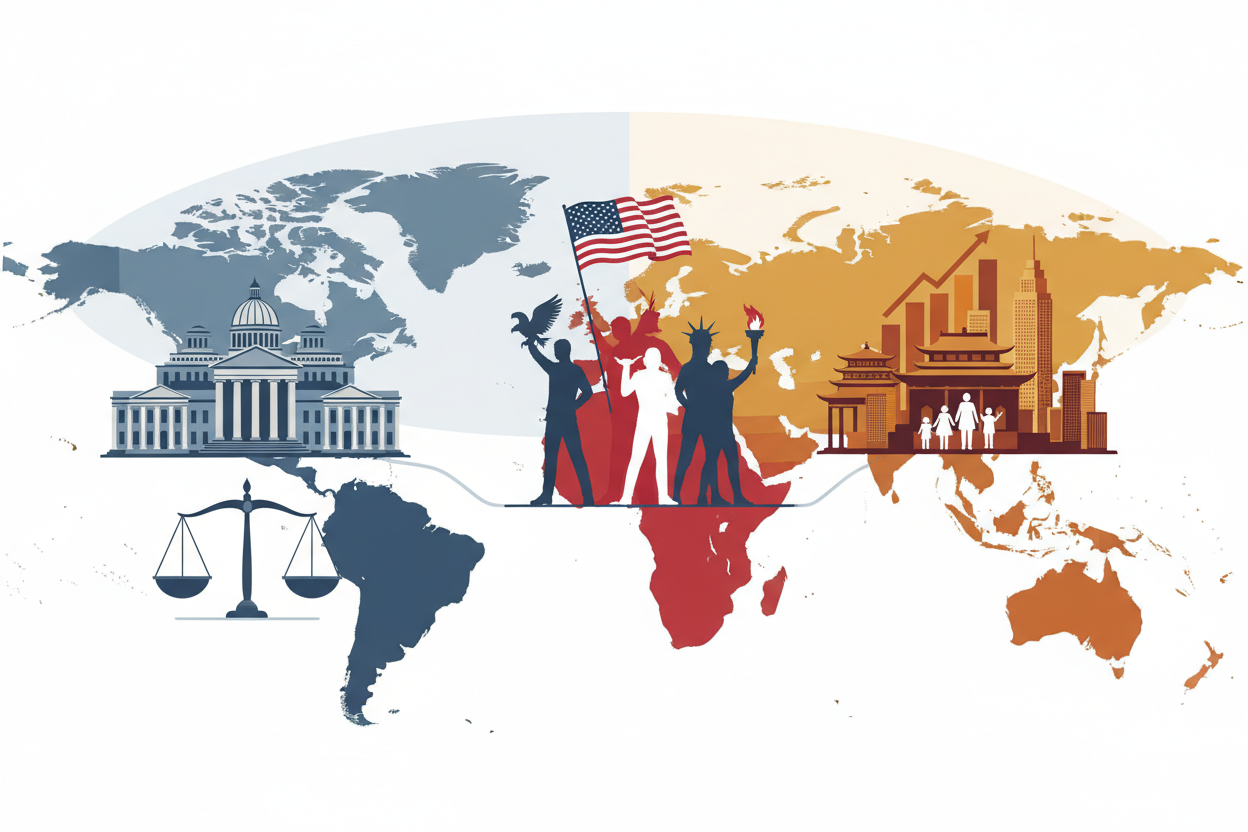
Conservative movements in the 21st century have varied significantly across regions and cultures. European conservatives have generally been more accepting of government involvement in the economy and environmental regulation, while maintaining strong positions on immigration and cultural issues.
In Asia, conservative movements have often emphasized economic development and traditional values while navigating complex relationships with authoritarian governments. Latin American conservatives have focused heavily on law and order, economic stability, and religious values.
These regional differences highlight how conservative movements adapt to local conditions while maintaining core principles. What remains consistent across cultures is conservatism’s emphasis on tradition, order, and gradual rather than revolutionary change.
The Future of Conservative Movements
As we move deeper into the 21st century, conservative movements face both opportunities and challenges. Demographic changes in many Western countries suggest that conservative movements will need to broaden their appeal to remain electorally viable. This may require moderating some positions while finding new ways to articulate conservative principles.
The rise of artificial intelligence, biotechnology, and other emerging technologies will create new ethical and policy challenges that conservative movements must address. Climate change will likely remain a defining issue, forcing conservatives to develop more comprehensive environmental positions.
Perhaps most importantly, conservative movements will need to demonstrate their relevance to younger generations who have grown up with different experiences and expectations than previous cohorts. This generational challenge may prove decisive in determining conservatism’s future influence.
Conclusion
Conservative movements in the 21st century have proven remarkably adaptable, evolving their strategies and messages while maintaining core principles. From embracing digital organizing to grappling with populist challenges, from addressing economic inequality to navigating technological change, these movements have demonstrated both resilience and flexibility.
The success of conservative movements in adapting to 21st-century challenges while maintaining their fundamental character offers important lessons about political evolution and institutional durability. As we face an uncertain future filled with technological disruption, environmental challenges, and social change, understanding how conservative movements have navigated the past two decades provides valuable insights into how political movements adapt and survive.
Whether you agree with conservative positions or not, their influence on 21st-century politics is undeniable. By understanding these movements’ evolution, strategies, and impact, we gain crucial insights into our contemporary political landscape and the forces shaping our collective future.
Frequently Asked Questions
What are the main characteristics of 21st-century conservative movements?
Modern conservative movements are characterized by digital organizing, populist nationalism, skepticism toward globalization, emphasis on cultural identity, and adaptation to technological change while maintaining traditional values like limited government, individual responsibility, and respect for established institutions.
How has social media changed conservative political organizing?
Social media has democratized conservative organizing by allowing grassroots movements to mobilize quickly, bypass traditional media gatekeepers, and build communities around shared values. However, it has also contributed to political polarization and the spread of misinformation.
What is populist conservatism and how does it differ from traditional conservatism?
Populist conservatism emphasizes national sovereignty, cultural identity, and skepticism toward elite institutions, often challenging free trade and international cooperation. Traditional conservatism typically supports these policies while emphasizing gradual change and institutional respect.
How have conservative movements responded to climate change concerns?
Conservative responses vary widely, from climate change skepticism to embracing market-based environmental solutions and nuclear energy. Some conservatives have developed “green conservative” positions emphasizing stewardship and conservation values.
What challenges do conservative movements face in attracting younger voters?
Conservative movements face challenges including changing demographics, different generational experiences with technology and social issues, and the need to articulate conservative principles in ways that resonate with younger voters’ concerns about economic opportunity, environmental sustainability, and social justice.
How do conservative movements differ across different countries and regions?
Conservative movements vary significantly based on local history, culture, and political systems. European conservatives tend to be more accepting of government economic intervention, while American conservatives emphasize individual liberty. Asian and Latin American conservative movements often focus on economic development and traditional values within their specific cultural contexts.