

Understanding Libertarianism: A Focus on Individual Liberties
In today’s complex political landscape, many people find themselves searching for an ideology that truly champions personal freedom and individual rights. Enter libertarianism – a political philosophy that places individual liberty at its very core. But what exactly does libertarianism mean, and how does it differ from other political ideologies? Let’s dive deep into this fascinating worldview that continues to gain traction across the globe.
Libertarianism isn’t just another political label; it’s a comprehensive framework for understanding the relationship between individuals, society, and government. At its heart, this philosophy argues that people should be free to live their lives as they choose, provided they don’t harm others or infringe upon their rights. It’s a principle that sounds simple but carries profound implications for how we organize society.
The Core Principles of Libertarian Philosophy
Understanding libertarianism begins with grasping its fundamental principles. The philosophy rests on several key pillars that distinguish it from both conservative and liberal ideologies. These principles work together to create a coherent worldview that prioritizes individual autonomy above collective decision-making.
The most important principle is the Non-Aggression Principle (NAP), which states that it’s wrong to initiate force against another person or their property. This doesn’t mean libertarians are pacifists – they believe in the right to self-defense – but rather that aggression should never be the first resort. This principle extends to government actions, meaning libertarians typically oppose laws that force people to act in certain ways unless those actions directly harm others.
Another cornerstone is voluntary association. Libertarians believe that all human interactions should be voluntary, whether in business, personal relationships, or community involvement. This means opposing forced participation in programs or organizations, even if those programs might benefit society as a whole.

Property rights also play a crucial role in libertarian thinking. The philosophy holds that individuals have the right to acquire, use, and dispose of property as they see fit, as long as they don’t violate others’ rights in the process. This extends beyond physical property to include intellectual property and even one’s own body and labor.
Individual Rights vs. Collective Good
One of the most challenging aspects of libertarianism for many people to understand is how it balances individual rights against collective needs. Traditional political philosophies often emphasize the importance of sacrificing some individual freedoms for the greater good of society. Libertarianism takes a different approach entirely.
Libertarians argue that protecting individual rights ultimately serves the collective good better than any centralized planning could. They believe that when people are free to pursue their own interests, make their own choices, and keep the fruits of their labor, society as a whole benefits through innovation, economic growth, and social progress.
This doesn’t mean libertarians are selfish or uncaring about social problems. Rather, they believe that voluntary cooperation and market mechanisms are more effective at solving societal issues than government mandates. For example, instead of government welfare programs, libertarians might prefer private charity and mutual aid societies, which they argue are more efficient and responsive to actual needs.
The tension between individual rights and collective good becomes most apparent in discussions about public health, environmental protection, and social justice. Libertarians don’t necessarily oppose these goals, but they question whether government coercion is the best way to achieve them.
Economic Freedom and Free Markets
Economic philosophy forms a significant part of libertarian ideology, with most libertarians advocating for free-market capitalism with minimal government intervention. They believe that voluntary economic exchanges benefit both parties involved and that market forces are more efficient at allocating resources than central planning.
This economic perspective leads libertarians to oppose most forms of business regulation, arguing that competition and consumer choice provide better protection than government oversight. They typically support the elimination of minimum wage laws, arguing that they prevent low-skilled workers from entering the job market, and oppose occupational licensing requirements that they see as barriers to entrepreneurship.
Taxation represents another area where libertarian economic philosophy becomes controversial. While some libertarians accept minimal taxation for essential government functions like courts and defense, others advocate for voluntary funding of all government services. They argue that taxation is essentially theft – taking someone’s property without their consent – even when used for seemingly beneficial purposes.
Free trade is another cornerstone of libertarian economic thinking. They oppose tariffs, trade restrictions, and other barriers to international commerce, believing that free exchange benefits all participants and leads to greater prosperity globally.
Social Issues Through a Libertarian Lens
When it comes to social issues, libertarianism often confuses people because it doesn’t fit neatly into traditional left-right political categories. Libertarians typically take positions that align with both conservative and liberal viewpoints, depending on the specific issue.
On matters of personal behavior, libertarians generally support individual choice even when they personally disagree with those choices. This means supporting drug legalization, marriage equality, and reproductive rights – not necessarily because they endorse these behaviors, but because they believe adults should be free to make their own decisions about their lives.
However, libertarians often oppose hate crime legislation and anti-discrimination laws, arguing that while they condemn bigotry, using government force to regulate private thoughts and associations violates individual liberty. They prefer social and economic pressure to change discriminatory behavior rather than legal mandates.
Criminal justice represents an area where many libertarians advocate for significant reform. They typically oppose the death penalty, support criminal justice reform, and advocate for alternatives to incarceration for non-violent crimes. The war on drugs, in particular, receives heavy criticism from libertarians who see it as a massive violation of individual rights that has caused more harm than good.
The Role of Government in Libertarian Theory
Perhaps no aspect of libertarianism generates more debate than the proper role of government. While all libertarians agree that government power should be limited, they disagree significantly about how limited it should be.
Classical liberals and minarchist libertarians believe government has legitimate functions in protecting individual rights, enforcing contracts, and providing national defense. They see government as a necessary evil that should be constrained but not eliminated entirely. These libertarians might support a basic social safety net and some public goods like roads and schools, though they prefer private alternatives when possible.
On the other end of the spectrum, anarcho-capitalists argue that all government functions can and should be privatized. They believe that private security firms, arbitration services, and insurance companies can provide protection and dispute resolution more effectively than government monopolies.
Most libertarians fall somewhere between these positions, supporting a minimal state that focuses on protecting life, liberty, and property while opposing most other government functions. They typically oppose foreign military interventions, the welfare state, public education, and most business regulations.
Common Misconceptions About Libertarianism
Despite growing awareness of libertarian ideas, many misconceptions persist about what libertarians actually believe. Understanding these misconceptions helps clarify what libertarianism really represents.
One common misconception is that libertarians are just Republicans who want to smoke marijuana. While libertarians do support drug legalization, their philosophy extends far beyond social issues to encompass a comprehensive worldview about the proper relationship between individuals and institutions.
Another misconception is that libertarians don’t care about the poor or disadvantaged. In reality, most libertarians deeply care about social problems but believe that voluntary charity and market solutions are more effective and ethical than government programs. They argue that economic freedom creates more opportunities for advancement than welfare systems do.
Some people also assume that libertarianism leads to chaos or social breakdown. Libertarians counter that voluntary cooperation and market mechanisms create order more effectively than government mandates, pointing to examples of successful private governance and dispute resolution throughout history.
Libertarianism in Practice: Real-World Applications
While pure libertarian societies don’t exist in the modern world, we can observe libertarian principles at work in various contexts. Some countries have implemented libertarian-inspired policies with notable results.
New Zealand’s economic reforms in the 1980s and 1990s eliminated many regulations and reduced government involvement in the economy, leading to improved economic performance. Similarly, several countries have experimented with school choice programs, allowing parents to use vouchers to send their children to private schools.
In the technology sector, we see libertarian principles at work in the development of cryptocurrencies, open-source software, and peer-to-peer networks. These innovations demonstrate how voluntary cooperation can create valuable goods and services without central planning or government involvement.
Some communities have also experimented with private governance, such as homeowners’ associations, private cities, and special economic zones. While these examples are limited in scope, they provide insights into how libertarian principles might work on a larger scale.
Conclusion: The Future of Individual Liberty
Understanding libertarianism requires recognizing that it’s more than just a political position – it’s a comprehensive philosophy about human nature, social organization, and the proper use of force. While libertarians may disagree among themselves about specific policies and the extent of government power, they share a fundamental commitment to individual liberty and voluntary cooperation.
As we face new challenges in the 21st century, from technological disruption to global pandemics, libertarian ideas about individual rights and limited government continue to offer valuable perspectives. Whether you agree with libertarian conclusions or not, engaging with these ideas can help clarify your own values and assumptions about freedom, responsibility, and the role of institutions in society.
The growing interest in libertarian ideas suggests that many people are seeking alternatives to traditional left-right political frameworks. By focusing on individual liberties and voluntary cooperation, libertarianism offers a different way of thinking about social problems and their solutions. As political polarization increases and trust in institutions declines, these ideas may become increasingly relevant to people seeking a path forward that respects both individual autonomy and social cooperation.
Frequently Asked Questions
What is the difference between libertarianism and anarchism?
While both philosophies emphasize individual freedom, most libertarians accept some role for government in protecting rights and enforcing contracts. Anarchists, including anarcho-capitalists, believe all government functions should be eliminated and replaced with private alternatives. However, the line between minimal-state libertarianism and anarcho-capitalism can be quite thin.
Do libertarians support any government programs?
Most libertarians support minimal government functions like courts, police, and national defense. Some also accept basic infrastructure and emergency services. However, they generally oppose welfare programs, public education, business regulations, and most other government activities, preferring private alternatives.
How do libertarians address market failures and externalities?
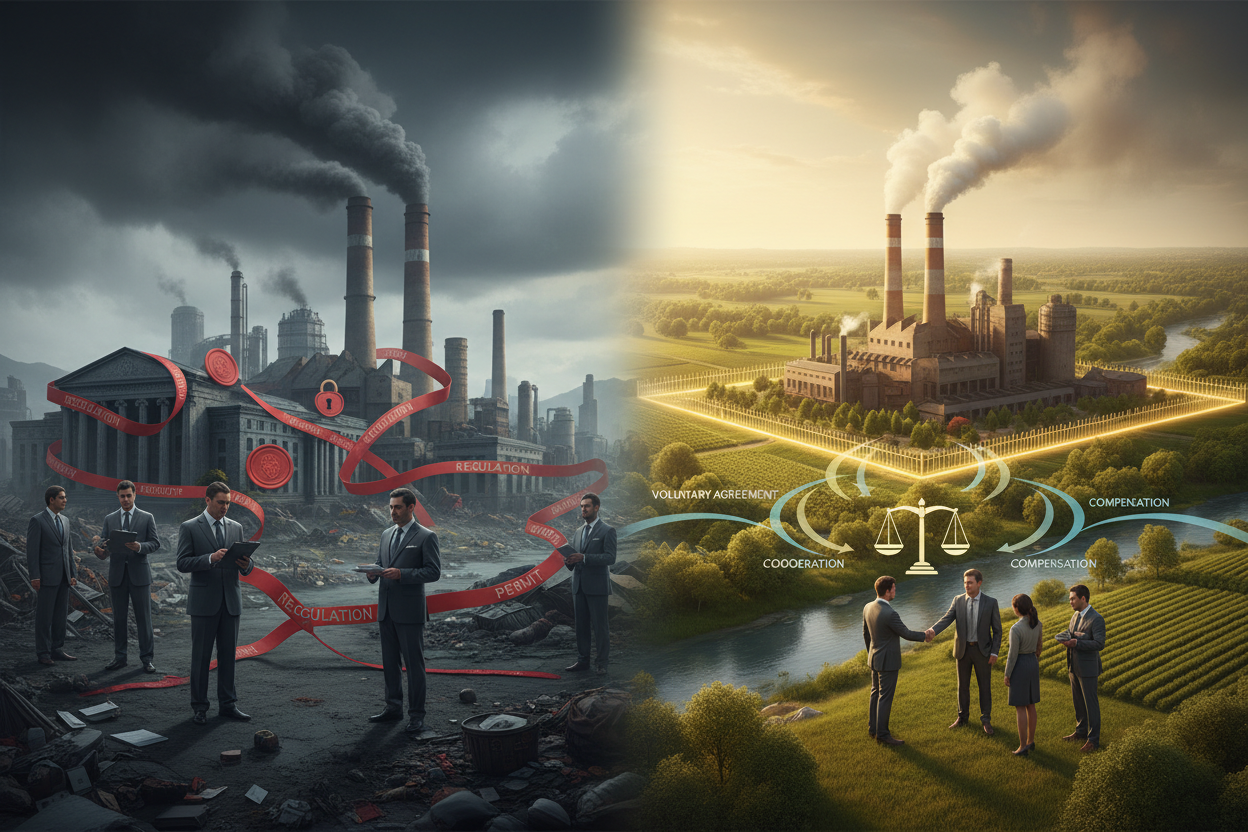
Libertarians argue that apparent market failures often result from government intervention rather than free markets themselves. For externalities like pollution, they prefer property rights solutions and private negotiation over government regulation. They believe that clearly defined property rights and tort law can address most environmental and social problems more effectively than regulatory agencies.
Are libertarians conservative or liberal?
Libertarianism doesn’t fit neatly into traditional conservative or liberal categories. Libertarians often agree with conservatives on economic issues and with liberals on social issues, but their reasoning differs from both groups. They oppose both economic regulation and moral legislation, focusing instead on maximizing individual choice and voluntary cooperation.
Can libertarian principles work in a complex modern society?
This remains a subject of debate. Libertarians point to examples of successful private governance, market solutions to social problems, and the benefits of economic freedom. Critics argue that modern societies are too complex for purely voluntary solutions and that some government intervention is necessary to address coordination problems and protect vulnerable populations.