

Cultural Festivals Around the World: A Celebration of Diversity
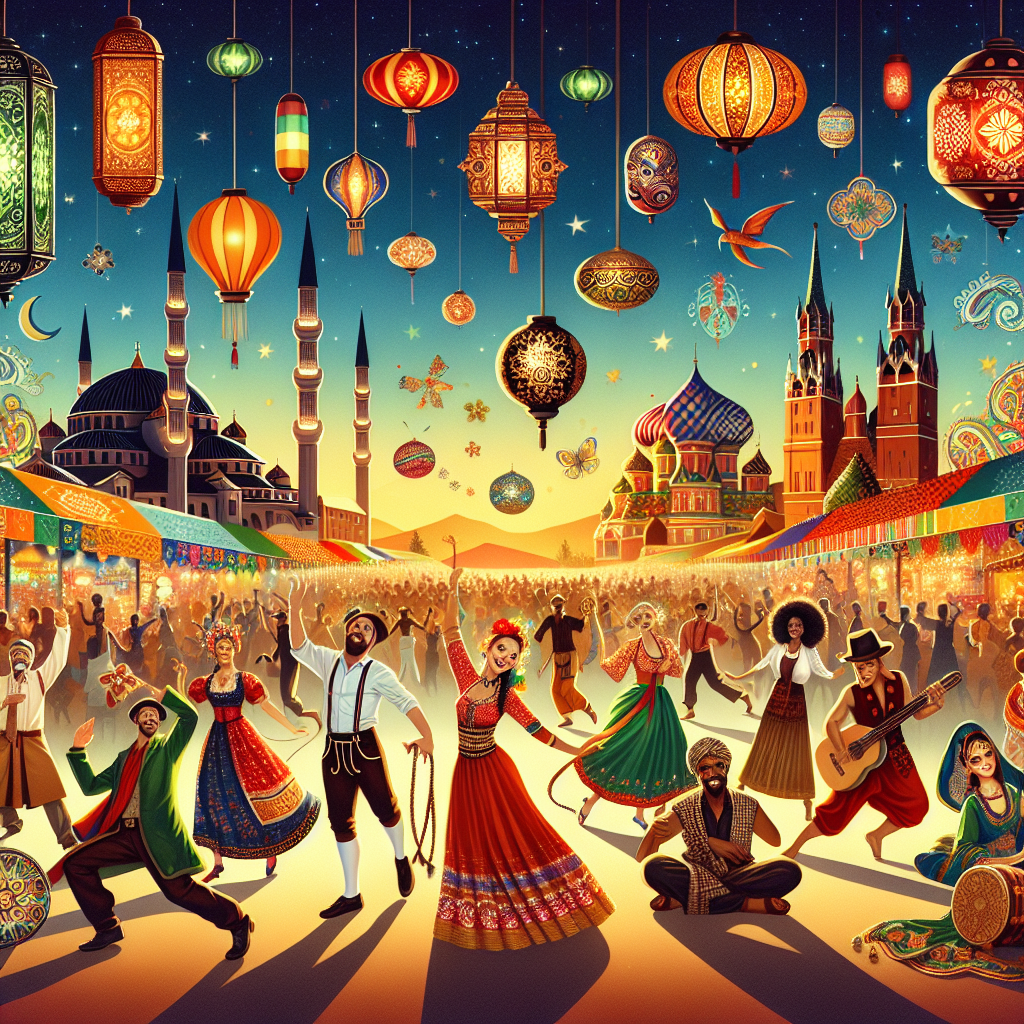
Every corner of the world is rich with cultural diversity, and one of the most vibrant ways to experience this diversity is through festivals. These cultural festivals are not just events; they are powerful expressions of tradition, community, and identity. Join us as we explore some of the most fascinating cultural festivals around the world, each showcasing the unique spirit of its people.
The Enchanting Carnival of Rio de Janeiro
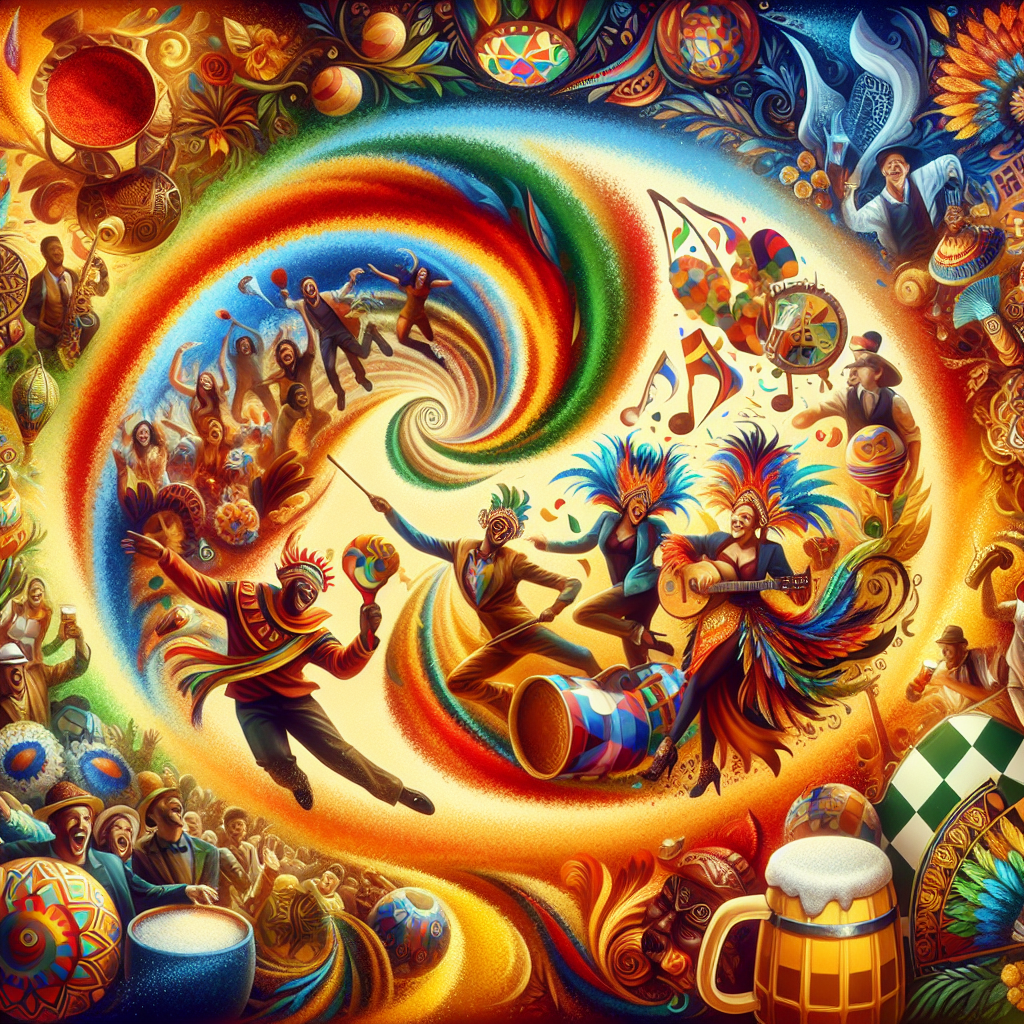
Rio de Janeiro’s Carnival is the epitome of exuberance and color. Held annually before Lent, this festival is a spectacular display of samba music, dance, and parades. The entire city comes alive with vibrant costumes, intricate floats, and energetic performances. Visitors from around the globe flock to Rio to witness this grand celebration of Brazilian culture. The pulsating rhythms and infectious enthusiasm make it impossible not to join in the festivities.
Diwali: The Festival of Lights in India
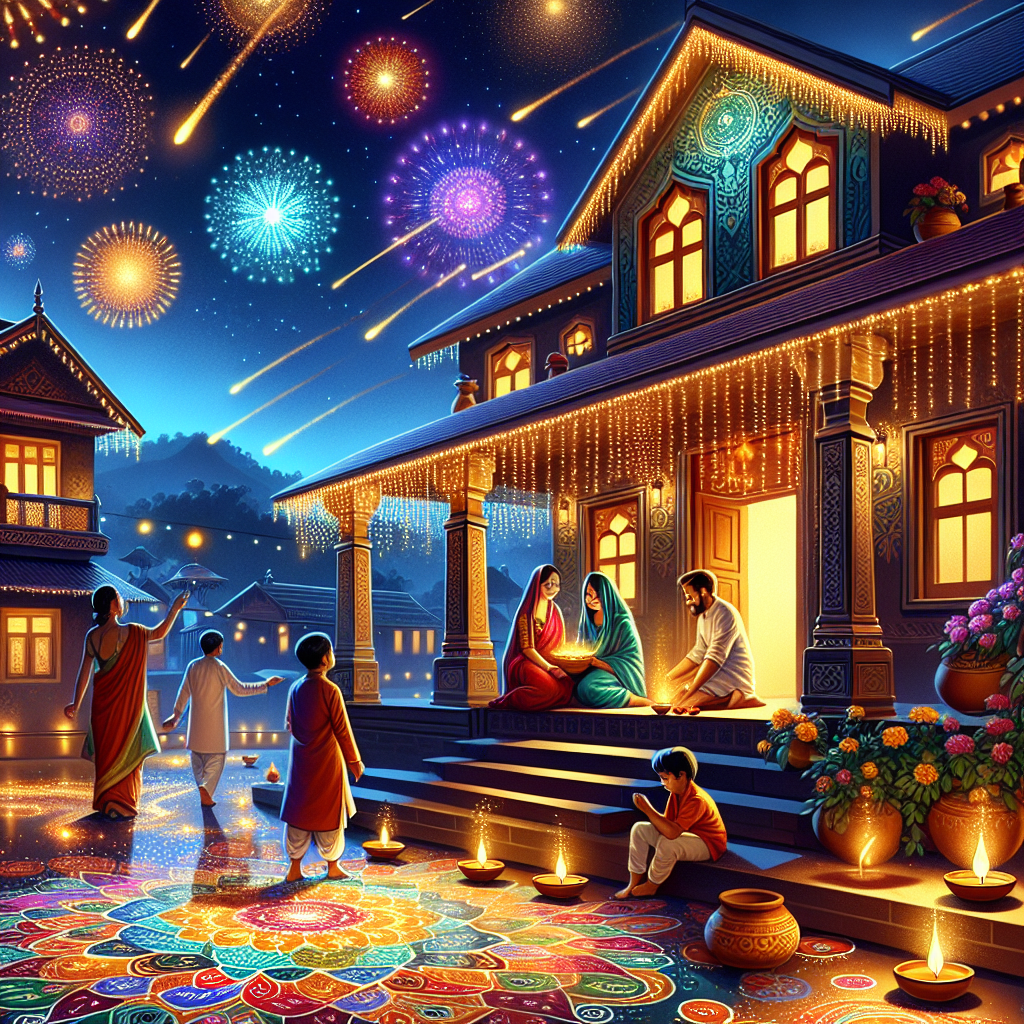
Diwali, known as the Festival of Lights, is one of the most significant celebrations in India. It marks the victory of light over darkness and good over evil. Families decorate their homes with oil lamps, candles, and vibrant rangoli designs. Fireworks illuminate the night sky, and the air is filled with the aroma of delicious sweets and snacks. Diwali is a time for family gatherings, prayer, and reflection, making it a deeply spiritual and joyous occasion.
La Tomatina: Spain’s Messiest Festival
In the small town of Buñol, Spain, thousands gather each year for La Tomatina, the world’s largest food fight. Participants throw ripe tomatoes at each other in a fun and chaotic celebration. This festival, held on the last Wednesday of August, is a joyful expression of community and letting loose. The streets become rivers of red, and laughter echoes throughout the town as people embrace the silliness of the event.
Oktoberfest: Bavarian Tradition at Its Best
Oktoberfest in Munich, Germany, is the world’s largest beer festival, attracting millions of visitors. This 16- to 18-day festival is a celebration of Bavarian culture, featuring traditional music, food, and, of course, beer. Attendees don traditional Bavarian attire, such as lederhosen and dirndls, and gather in massive tents to enjoy live music and hearty German cuisine. Oktoberfest is not just about the beer; it’s about celebrating heritage and camaraderie.
Chinese New Year: A Global Celebration
Also known as the Spring Festival, Chinese New Year is celebrated by millions worldwide. Each year, the festival is marked by the zodiac sign, bringing unique themes and traditions. Families clean their homes to sweep away bad luck and decorate with red to symbolize good fortune. Parades, dragon dances, and fireworks fill the streets, creating a vibrant and festive atmosphere. This celebration is a time for family reunions, honoring ancestors, and welcoming prosperity.
Holi: The Festival of Colors
Holi, celebrated primarily in India and Nepal, is a festival that signifies the arrival of spring and the victory of good over evil. Known as the Festival of Colors, participants throw colored powders and water at each other, creating a beautiful and chaotic scene. This joyful festival encourages people to forget grievances and come together in unity. Music, dance, and delicious food add to the celebratory atmosphere, making Holi a truly unique experience.
Conclusion
Cultural festivals provide a window into the rich traditions and vibrant identities of communities worldwide. They are opportunities for people to come together, celebrate, and share their unique heritage with others. Whether it’s the lively parades of Rio’s Carnival, the colorful chaos of Holi, or the communal spirit of Oktoberfest, each festival offers a glimpse into the diverse tapestry of human culture. As we continue to celebrate these festivals, we not only honor traditions but also foster a greater understanding and appreciation of the world’s cultural diversity.
FAQs
Q: What is the significance of cultural festivals?
A: Cultural festivals are significant because they celebrate traditions, foster community spirit, and promote cultural exchange. They allow individuals to express their cultural identity and share it with others.
Q: How do cultural festivals promote diversity?
A: Cultural festivals highlight the unique traditions and practices of different communities, promoting understanding and appreciation of diverse cultures. They provide a platform for cultural exchange and dialogue.
Q: Are cultural festivals open to everyone?
A: Yes, most cultural festivals are open to everyone and welcome participants from all backgrounds. They offer a chance for people to learn about and experience different cultures firsthand.
Q: How can I participate in a cultural festival?
A: To participate in a cultural festival, you can simply attend as a visitor, volunteer, or even join in the festivities if the event allows. It’s always a good idea to research the festival beforehand to understand its customs and etiquette.


Leave a Reply
You must be logged in to post a comment.