

Foreign Policy Strategies for Global Diplomacy
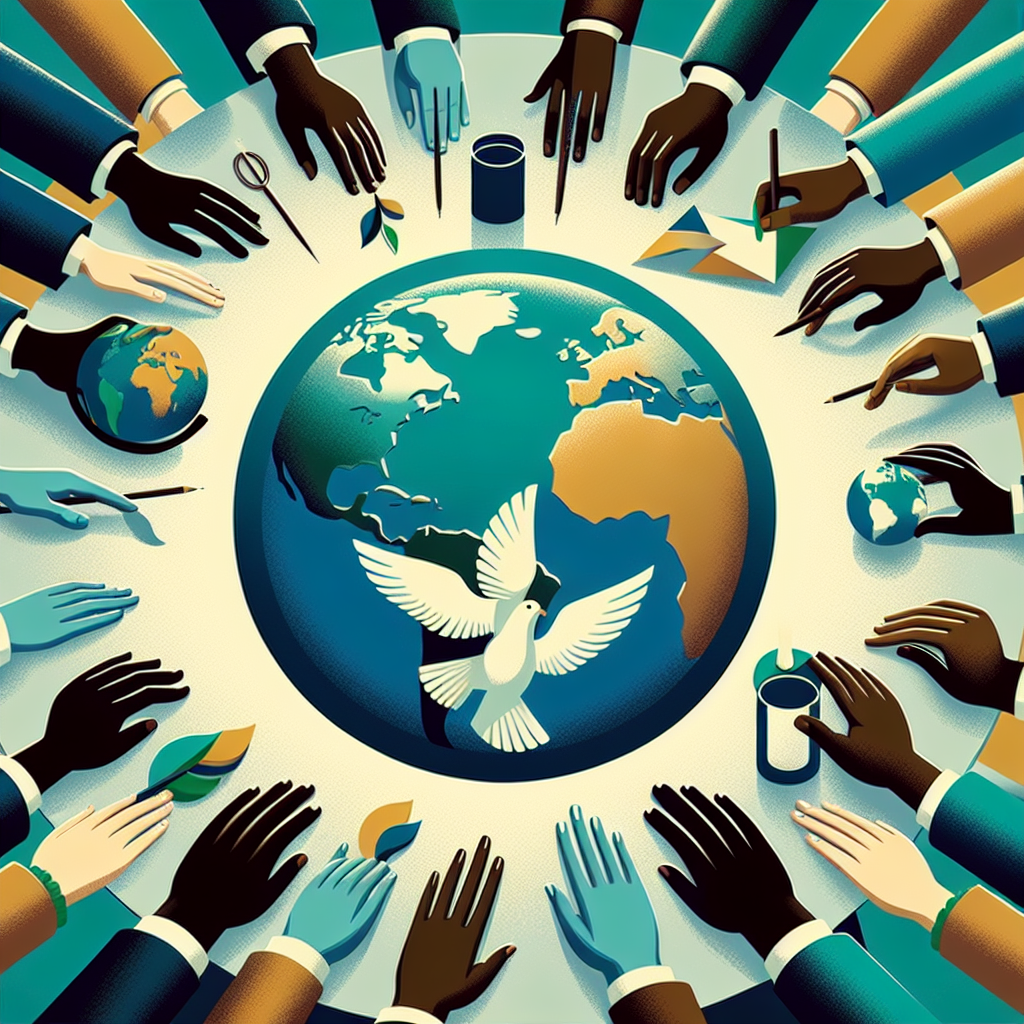
In an increasingly interconnected world, the art of diplomacy has never been more crucial. Nations must navigate complex global landscapes, foster cooperative relationships, and address shared challenges. Foreign policy strategies are the tools by which countries engage with one another, promoting peace, stability, and prosperity. In this blog post, we will explore various foreign policy strategies that are essential for successful global diplomacy.
The Importance of Foreign Policy in the Modern World
Foreign policy is the blueprint for how a nation interacts with other countries. It encompasses a wide range of activities, including trade negotiations, cultural exchanges, military alliances, and humanitarian aid. In the modern world, where issues like climate change, terrorism, and economic instability cross national borders, effective foreign policy is vital for promoting national interests and global cooperation.

Understanding the intricacies of foreign policy helps us appreciate its impact on global diplomacy. Well-crafted strategies can lead to peaceful resolutions of conflicts, enhanced economic partnerships, and shared solutions to global challenges. Conversely, poorly executed foreign policies can result in misunderstandings, conflicts, and missed opportunities for collaboration.
Key Foreign Policy Strategies
1. Multilateralism
Multilateralism involves engaging with multiple countries to address global issues collectively. This strategy is essential for tackling complex challenges that no single nation can solve alone, such as climate change, pandemics, and international terrorism. By working through international organizations like the United Nations, countries can pool resources, share knowledge, and coordinate efforts to achieve common goals.
2. Bilateral Relationships
While multilateralism is crucial, bilateral relationships remain the backbone of foreign policy. These one-on-one partnerships allow countries to tailor agreements to their specific needs and priorities. Whether it’s fostering trade agreements, cultural exchanges, or security alliances, strong bilateral ties can enhance diplomatic influence and build trust between nations.
3. Economic Diplomacy
Economic diplomacy focuses on using economic means to achieve foreign policy goals. This includes promoting international trade, attracting foreign investment, and negotiating trade agreements. By fostering economic interdependence, countries can create incentives for cooperation and reduce the likelihood of conflicts. Economic diplomacy also enables nations to leverage their economic power to influence global policies and standards.
4. Cultural Diplomacy
Cultural diplomacy involves promoting a nation’s culture, values, and ideals to foster mutual understanding and respect. Through cultural exchanges, educational programs, and public diplomacy initiatives, countries can build bridges and dispel stereotypes. This soft power approach helps create a positive international image and strengthens relationships with other nations.
5. Security Alliances
Security alliances are strategic partnerships that enhance a nation’s defense capabilities and deter potential aggressors. These alliances, such as NATO, provide a framework for collective security and enable countries to respond more effectively to threats. By sharing intelligence, resources, and expertise, member countries can ensure regional stability and global peace.
Challenges in Implementing Foreign Policy Strategies
While the strategies outlined above are essential for effective diplomacy, their implementation is not without challenges. Geopolitical tensions, domestic politics, and resource constraints can all impact the success of foreign policy initiatives. Furthermore, rapid technological advancements and changing global dynamics require countries to adapt their strategies continually.
Another challenge is balancing national interests with global responsibilities. While it’s crucial to prioritize national security and economic prosperity, countries must also contribute to global efforts to address issues like climate change and humanitarian crises. Striking this balance requires careful planning, negotiation, and compromise.
Conclusion
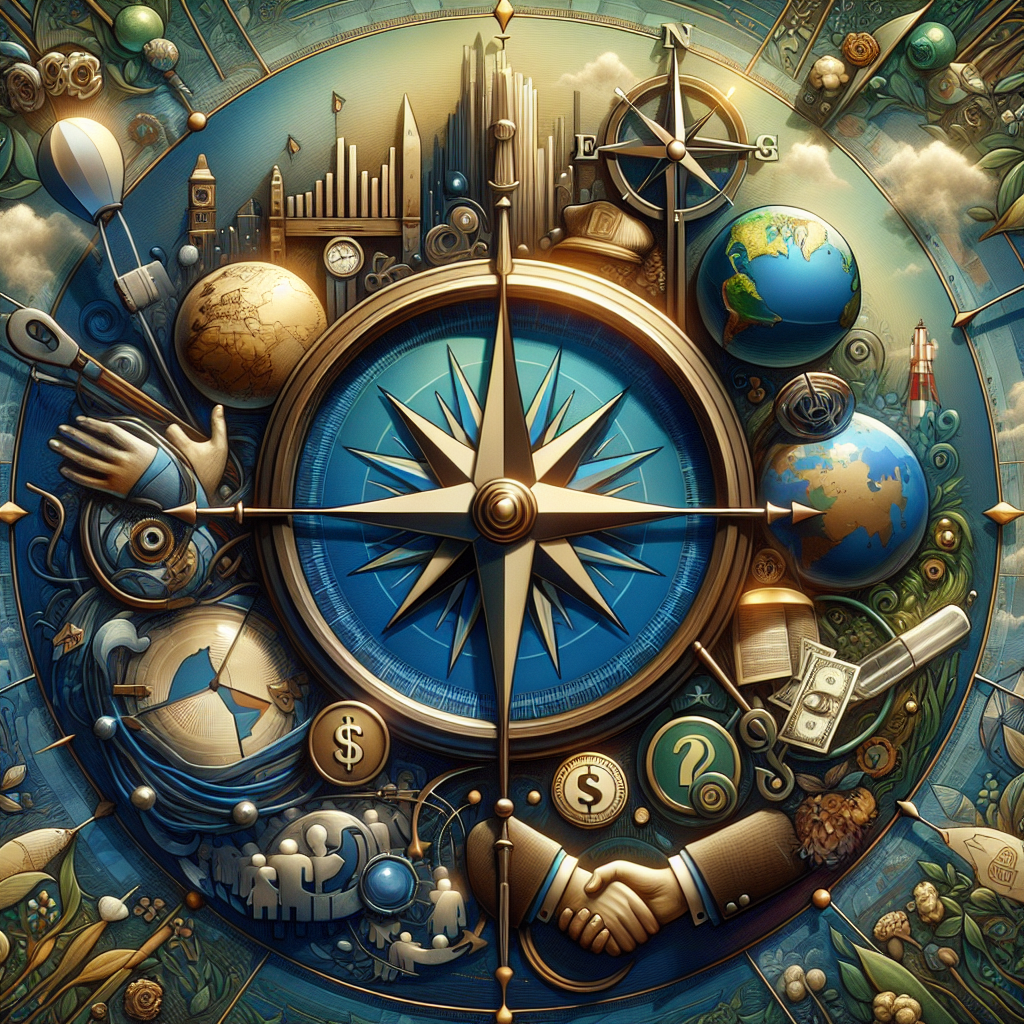
In the realm of global diplomacy, foreign policy strategies are the compass that guides nations in navigating complex international waters. By employing a mix of multilateralism, bilateral relationships, economic diplomacy, cultural exchanges, and security alliances, countries can foster cooperation, peace, and prosperity. However, these strategies must be continually refined to address evolving challenges and opportunities in the global landscape.
As individuals, understanding foreign policy can help us appreciate the intricacies of international relations and the importance of global cooperation. By staying informed and engaged, we can contribute to a more peaceful and interconnected world.
FAQs
Q: What is the difference between multilateralism and bilateralism in foreign policy?
A: Multilateralism involves engagement with multiple countries to address global issues collectively, often through international organizations. Bilateralism, on the other hand, focuses on one-on-one partnerships between two countries, allowing for tailored agreements based on specific needs and priorities.
Q: How does economic diplomacy contribute to global diplomacy?
A: Economic diplomacy uses economic means, such as trade agreements and foreign investment, to achieve foreign policy goals. By fostering economic interdependence, countries create incentives for cooperation, reduce conflict likelihood, and enhance their influence on global policies.
Q: Why is cultural diplomacy important in international relations?
A: Cultural diplomacy promotes mutual understanding and respect by sharing a nation’s culture, values, and ideals. This approach helps dispel stereotypes, build positive international images, and strengthen relationships between countries, contributing to peaceful and cooperative global interactions.


Leave a Reply
You must be logged in to post a comment.